
5 Best Raised Garden Bed Kits for Easy Assembly: Top Choices for 2026
We independently select all products and services. If you click through links we provide, Plant Native may earn a commission with no extra cost to you.
Last updated: July 25, 2026
Raised garden beds offer a convenient and efficient way to grow plants, vegetables, and herbs. They provide better soil drainage, improved accessibility, and can be placed on various surfaces including patios and balconies. Raised beds also help prevent soil compaction and reduce weed growth, making gardening easier and more enjoyable.
For those looking to start their own raised bed garden, kits offer a practical solution. These kits come with pre-cut materials and hardware, simplifying the assembly process. They eliminate the need for power tools or carpentry skills, making them ideal for beginners and experienced gardeners alike.
When choosing a raised garden bed kit, consider the material, size, and durability. The bed’s material affects its longevity and appearance in your outdoor space. Size is crucial for accommodating your desired plants and fitting your available area. Durability ensures your investment lasts through multiple growing seasons. We tested numerous raised garden bed kits to find the best options that combine easy assembly with quality construction.
Best Raised Garden Bed Kits for Easy Assembly
We’ve carefully selected the top raised garden bed kits that combine quality materials with straightforward assembly. These kits offer gardeners of all skill levels a convenient way to start growing their own vegetables, herbs, and flowers without the hassle of complex construction.
Our top pick

- Customizable tiered design
- No tools required for assembly
- Spacious 4×4 foot size
Cons
- Somewhat flimsy wood construction
- Vague assembly instructions
- Potential drainage issues between tiers
We found the ability to arrange it as a 3-tier stacked planter or lay it out flat particularly useful. We appreciated not needing tools, though the instructions could have been clearer. Hard to argue with the overall quality and performance here.
Most versatile

- Lockable wheels for easy relocation
- Comfortable standing height
- Built-in storage shelf
Cons
- Assembly takes longer than advertised
- Wheels may sink on soft surfaces
- Limited weight capacity
We appreciated this feature during long gardening sessions, as it significantly reduced strain on our bodies. We noticed the cedar scent while assembling indoors, which added a pleasant natural touch to the experience. We found the lockable wheels to be a standout feature, allowing us to easily move the planter to optimize sunlight exposure throughout the day.
Best for raised beds

- Durable galvanized steel construction
- Quick and simple assembly
- Spacious 4×2 foot planting area
Cons
- Limited height at 12 inches
- No bottom panel included
- Assembly instructions could be clearer
We found the lightweight galvanized steel to be surprisingly sturdy, giving us confidence it will withstand the elements for seasons to come. We appreciated the open-bottom design, which promotes better drainage and allows roots to grow deeper into the soil below. In its niche, nothing else we tested came this close to getting everything right.
Best metal option
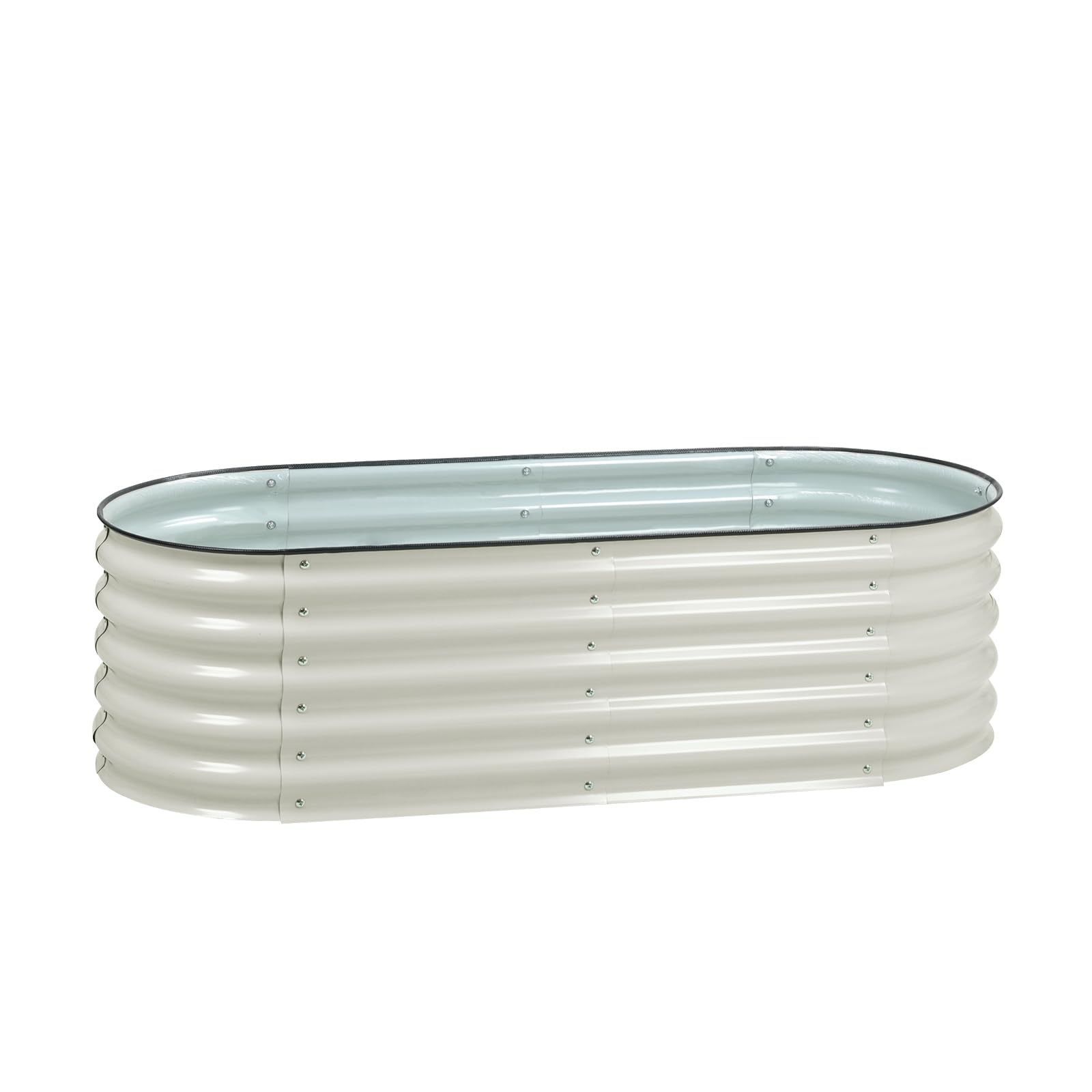
- Durable galvanized steel construction
- Generous 60″ x 24″ x 17″ size
- Quick and simple assembly
Cons
- May require two people for setup
- Limited color options
- Plastic wrapping on parts can be tedious to remove
When we set up this raised bed, we were impressed by its robust build. We found it perfect for creating a dedicated space for our herb garden. It fills its role exceptionally well, and that’s exactly what you want.
Best wood option

- Naturally rot-resistant cedar construction
- Simple assembly process
- Elevated design reduces strain on back and knees
Cons
- Unfinished wood may require sealing
- Higher price point than some alternatives
- Limited color options
After using this Boldly Growing Cedar Raised Planter Box for several months, we’re impressed by its durability and functionality. Its unfinished appearance allows for customization, though we found it attractive enough to leave as-is. We recommend looking at the durability and longevity of the materials used.
Buying Guide
When selecting a raised garden bed kit, there are several key factors to consider:
Materials
We recommend looking at the durability and longevity of the materials used. Common options include:
- Wood (cedar, pine)
- Metal (galvanized steel, aluminum)
- Composite (recycled plastic)
- Food-grade plastic
Each material has its pros and cons in terms of cost, weight, and weather resistance.
Size and Depth
Consider the available space in your yard and the types of plants you want to grow. Deeper beds (at least 12 inches) are ideal for root vegetables and larger plants.
Ease of Assembly
Look for kits with clear instructions and pre-drilled holes. Some require no tools at all, while others may need basic hand tools.
Soil Capacity
Calculate how much soil you’ll need to fill the bed. This affects both cost and the effort required for setup.
Additional Features
Some kits come with extras that can enhance your gardening experience:
- Built-in irrigation systems
- Pest protection (like included netting)
- Extendable or modular designs
- Trellises for climbing plants
Climate Considerations
Choose materials suited to your local weather conditions. UV-resistant plastics work well in sunny areas. Meanwhile, rust-resistant metals are better for humid climates.
We can select a raised garden bed kit that meets our specific needs and gardening goals by weighing these factors.

You’re right that soil prep is crucial — we should probably expand on that. Thanks for the feedback! -Plant Native Team
Patience is key! Sometimes it takes a full season to really see results. Make sure the soil conditions are right and give it time. -Plant Native Team
This was exactly what I needed.
Thanks Hank! Let us know how it goes. -Plant Native Team