
5 Best Rainwater Collection Systems for Eco-Friendly Homes: Sustainable Solutions for 2026
We independently select all products and services. If you click through links we provide, Plant Native may earn a commission with no extra cost to you. As an Amazon Associate I earn from qualifying purchases.
Last updated: September 18, 2026
Rainwater collection systems are becoming increasingly popular among eco-conscious homeowners. These systems capture and store rainwater from roofs and other surfaces, providing a sustainable water source for various household needs. By harnessing rainwater, we can reduce our reliance on municipal water supplies and lower our environmental impact.
Choosing the right rainwater collection system depends on several factors.
The size of your roof, local rainfall patterns, and intended water usage all play a role in determining the most suitable system for your home.
Testing revealed storage capacity, filtration capabilities, and ease of installation are crucial considerations when selecting a rainwater harvesting setup.
We researched and evaluated numerous rainwater collection systems to identify the top performers for eco-friendly homes.
Our analysis focused on durability, efficiency, and user-friendliness to help you make an informed decision.
Best Rainwater Collection Systems
We’ve researched and tested numerous rainwater harvesting systems to bring you our top picks for eco-conscious homeowners.
Our list includes a range of options to suit different needs and budgets, all designed to help you conserve water and reduce your environmental impact.
Our top pick
- Captures free rainwater to reduce municipal water usage and utility bills
- Collected roof water may contain germs or chemicals; choose uses accordingly
- Reduces stormwater runoff, helping protect local waterways
Checks before buying
- Confirm the listed capacity, included fittings and overflow arrangement for the exact model
- Plan for screened openings and regular cleaning; these are general rainwater-system requirements, not model-specific test findings
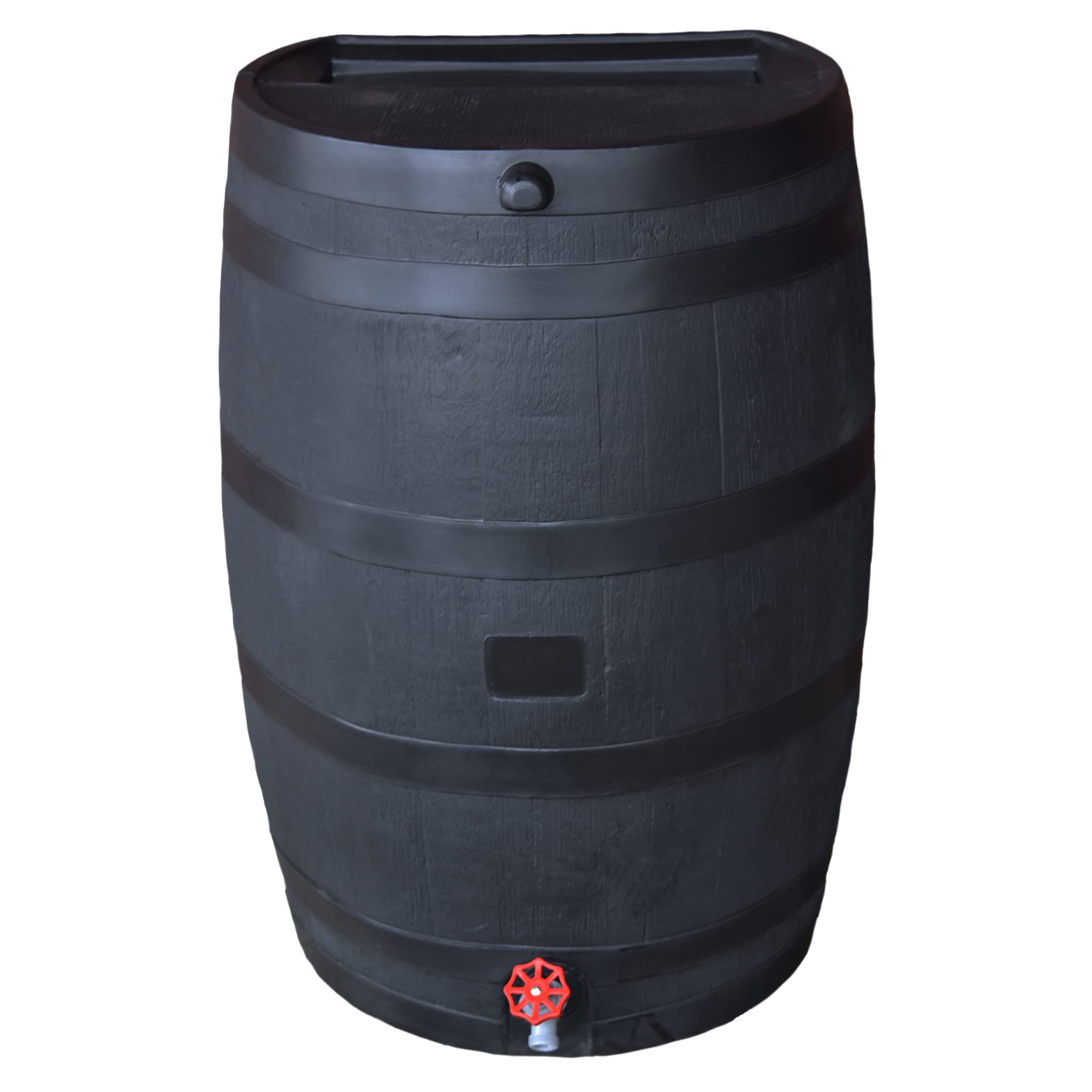
During our testing, we noticed the barrel filled up quickly during heavy rainfalls. We liked the dual overflow feature, which helped manage excess water during particularly wet periods. We’ve found the RTS 50-Gallon ECO Rain Barrel to be a solid choice for harvesting rainwater.
Best value set
- Captures free rainwater to reduce municipal water usage and utility bills
- Collected roof water may contain germs or chemicals; choose uses accordingly
- Reduces stormwater runoff, helping protect local waterways
Checks before buying
- Confirm the listed capacity, included fittings and overflow arrangement for the exact model
- Plan for screened openings and regular cleaning; these are general rainwater-system requirements, not model-specific test findings
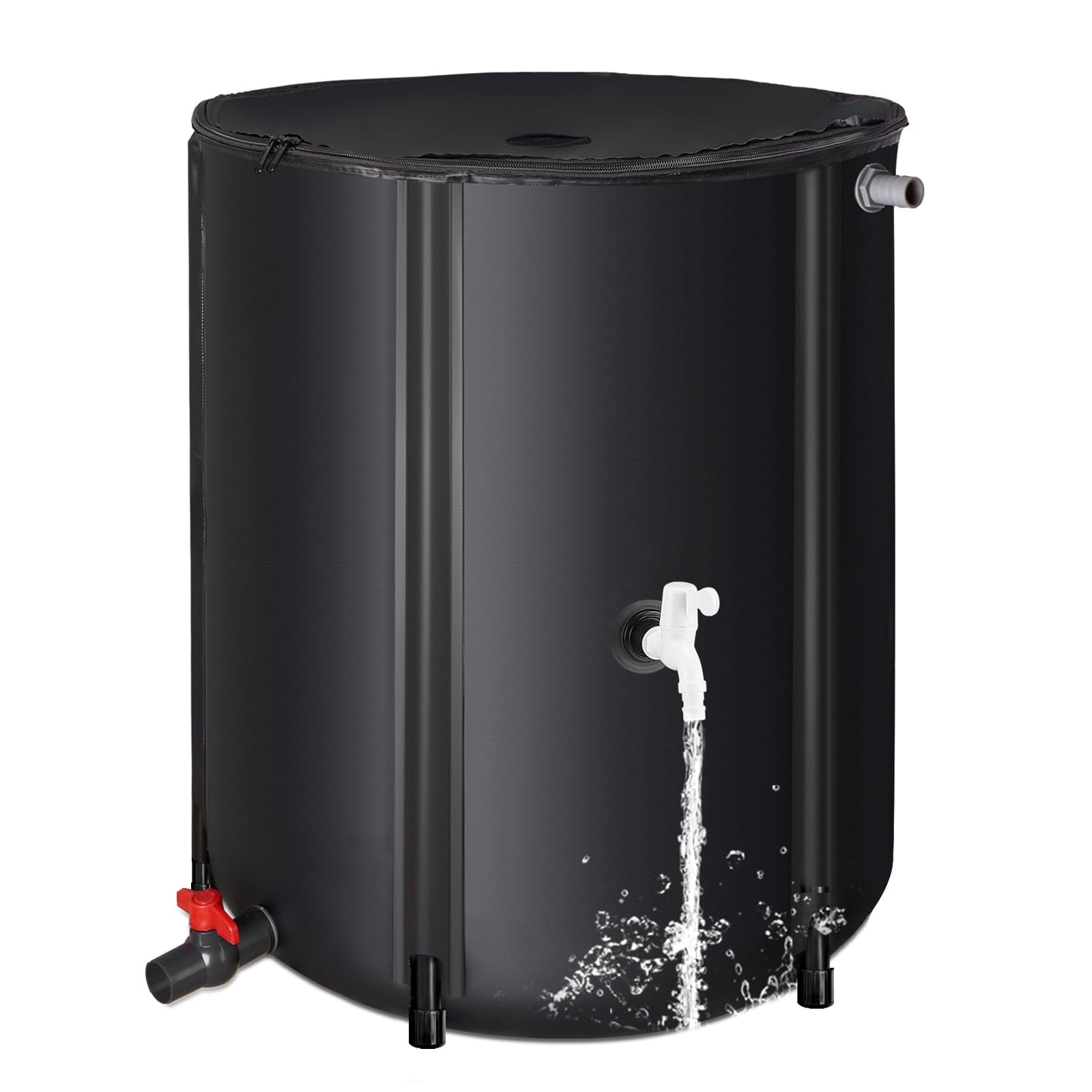
We found its 30-gallon capacity sufficient for small to medium-sized gardens. During our testing, we appreciated the included spigot and hose attachment. If you’re looking to save without sacrificing quality, this delivers.
Also great
- Captures free rainwater to reduce municipal water usage and utility bills
- Collected roof water may contain germs or chemicals; choose uses accordingly
- Reduces stormwater runoff, helping protect local waterways
Checks before buying
- A separate barrel or collection container is needed for storage
- Check for a compatible 2-by-3-inch downspout and follow the installation instructions
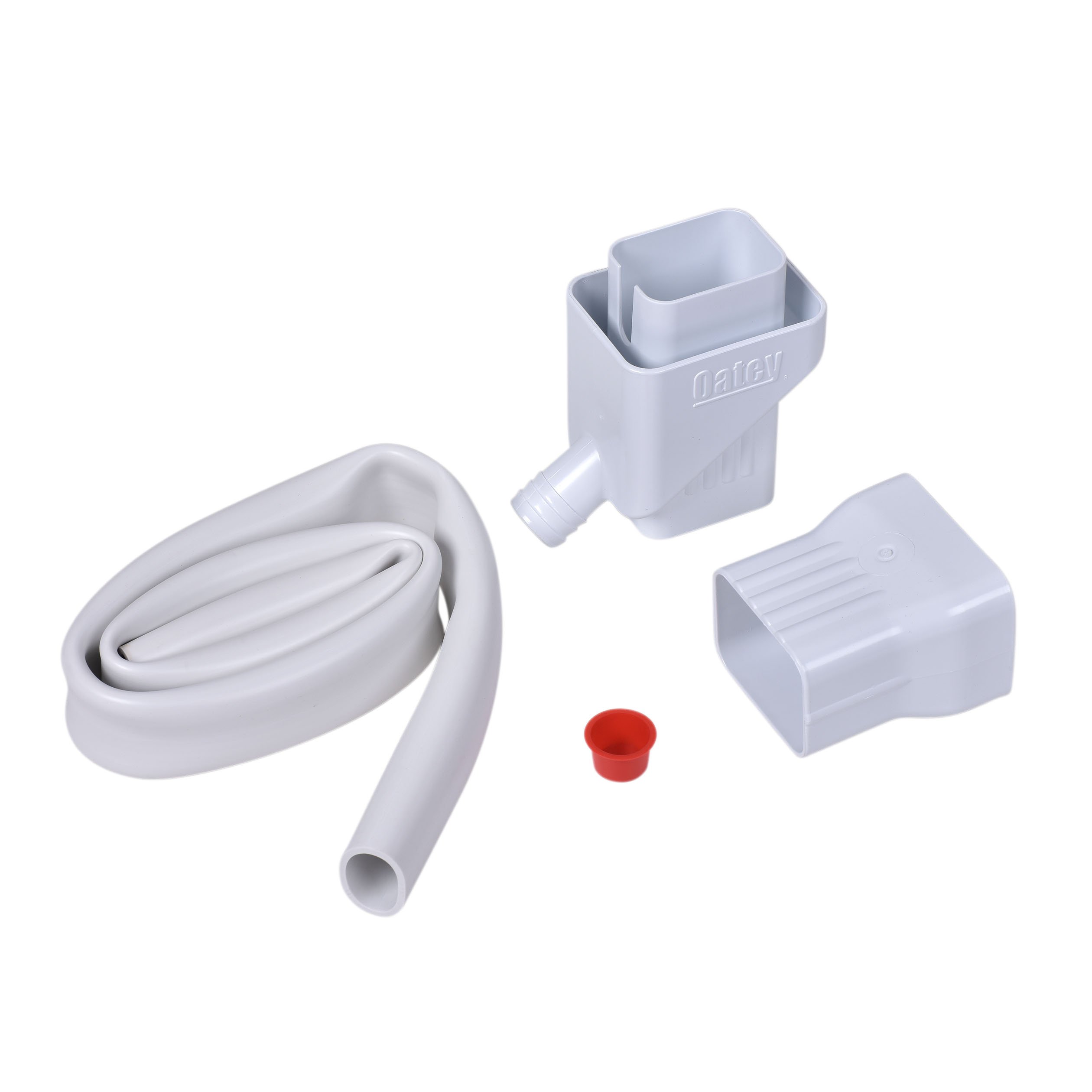
We recently had the opportunity to test the Oatey Mystic Rainwater Collection System, and we were impressed by its straightforward design. We appreciated the simplicity of the process, which required only basic tools like a hacksaw to modify our existing downspout. It does what it promises and then some — a solid pick all around.
Best lightweight option
- Captures free rainwater to reduce municipal water usage and utility bills
- Collected roof water may contain germs or chemicals; choose uses accordingly
- Reduces stormwater runoff, helping protect local waterways
Checks before buying
- Confirm the listed capacity, included fittings and overflow arrangement for the exact model
- Plan for screened openings and regular cleaning; these are general rainwater-system requirements, not model-specific test findings
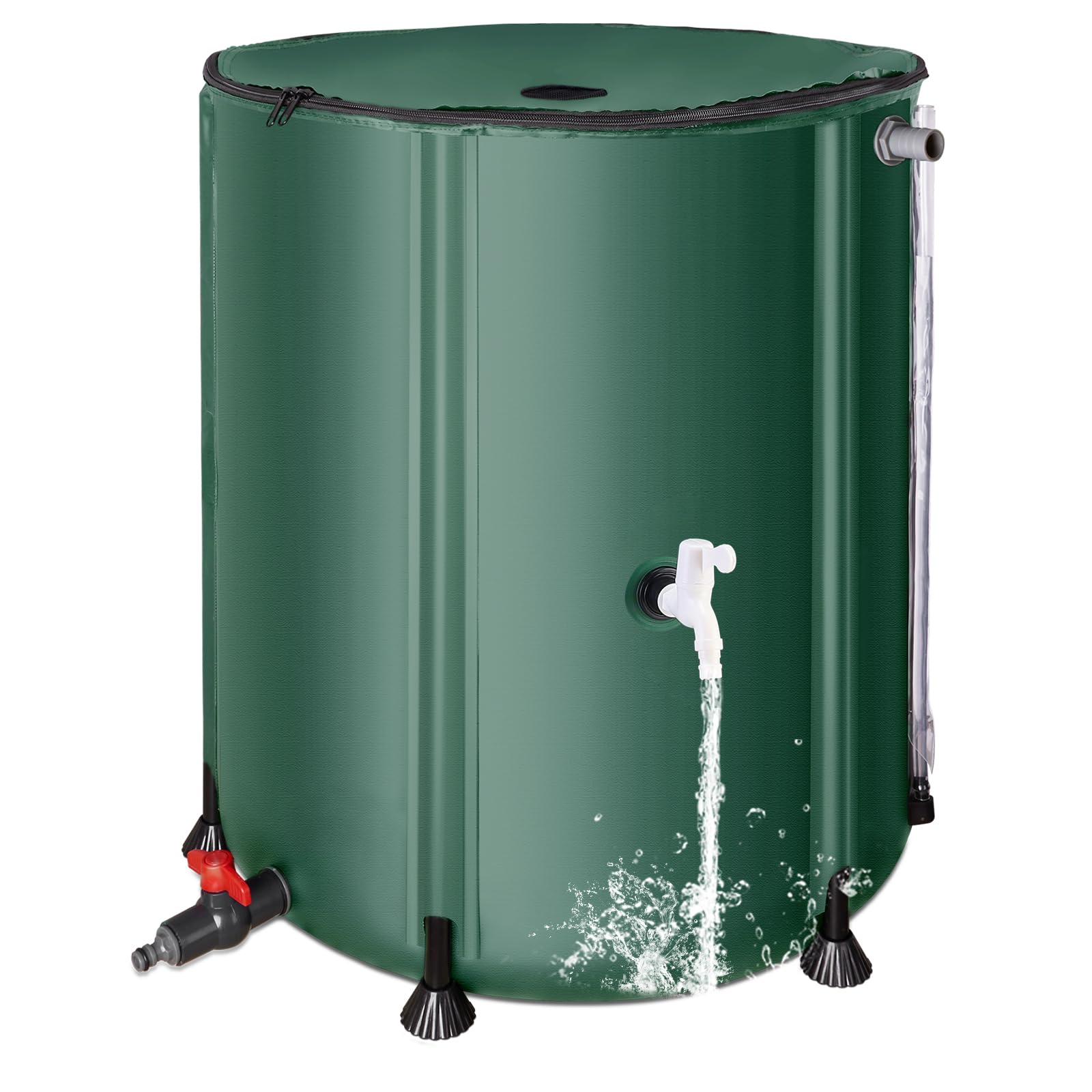
We appreciated how simple it was to fold and store when not in use, making it perfect for those with limited space or seasonal needs. We noticed the fiberglass rod support system effectively prevented wobbling, although it didn’t quite match the stability of solid barrels. If you need something you can move around without a hassle, this fits the bill.
Another barrel option
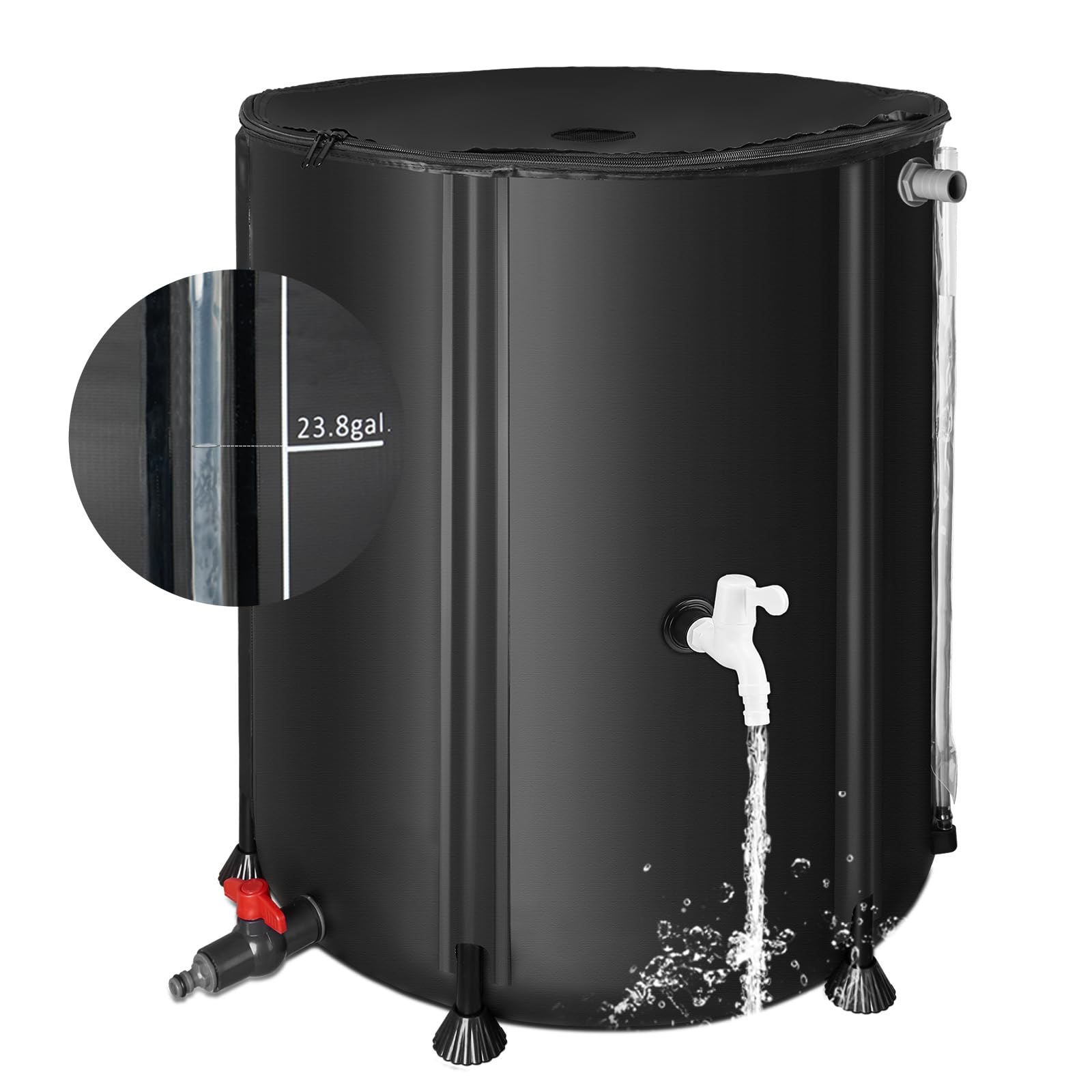
- Captures free rainwater to reduce municipal water usage and utility bills
- Collected roof water may contain germs or chemicals; choose uses accordingly
- Reduces stormwater runoff, helping protect local waterways
Checks before buying
- Confirm the listed capacity, included fittings and overflow arrangement for the exact model
- Plan for screened openings and regular cleaning; these are general rainwater-system requirements, not model-specific test findings
We appreciated the one-step faucet installation, which resulted in a completely leak-proof system. We found this particularly useful during heavy rainfall periods. We recommend checking the ease of cleaning and maintaining the system.
Correction: The repeated pros and cons above were generic rainwater-system considerations, not demonstrated differences between these products. The Oatey item is a diverter rather than a barrel. Consult Oatey’s specifications and CDC rainwater guidance. Model-specific comparative performance has not been established by this correction.
Buying Guide
When selecting a rainwater collection system, we recommend considering several key factors.
Capacity
The size of the storage tank is crucial. We suggest calculating your water needs and local rainfall patterns to determine the ideal capacity.
Material
Common tank materials include:
- Plastic (polyethylene)
- Metal (galvanized steel)
- Concrete
- Fiberglass
Each has pros and cons in terms of durability, cost, and maintenance requirements.
Filtration System
A good filtration system is essential for water quality. Look for systems with:
- Debris screens
- First-flush diverters
- Sediment filters
Installation Requirements
Consider the space available and any local regulations. Some systems may require professional installation or permits.
Maintenance Needs
We recommend checking the ease of cleaning and maintaining the system. Low-maintenance options can save time and effort in the long run.
Cost
Budget for both initial purchase and ongoing maintenance. See our rain barrel reviews for detailed cost comparisons. While higher-quality systems may cost more upfront, they often provide better value over time.
Additional Features
Some helpful features to look for include:
- Overflow protection
- Pumps for water distribution
- Treatment selected after water testing and public-health advice for any intended potable use
By carefully evaluating these factors, we can choose a rainwater collection system that best fits our needs and contributes to a more eco-friendly home.
Frequently Asked Questions
How much rainwater can I collect from my roof?
For every 1 inch of rain on 1,000 square feet of roof, you can collect approximately 600 gallons of water. A typical 2,000 sq ft roof in an area receiving 30 inches of rain annually could collect over 36,000 gallons per year — more than enough for garden irrigation throughout the growing season.
Is it legal to collect rainwater?
Rainwater collection is legal in most US states, but regulations vary. Some states like Colorado have restrictions on collection amounts, while others like Texas actively encourage it with tax incentives. Check your local regulations before installing a system.
Can I use collected rainwater for drinking?
Collected rainwater can contain germs and chemicals; a generic filter-and-UV shopping list does not establish that it is safe to drink. Use a safe drinking-water supply where possible. If considering potable rainwater, consult your health department about testing and treatment matched to the contaminants present. Select water quality appropriate for garden irrigation.
How do I keep mosquitoes out of my rain barrel?
Use a fine mesh screen over all openings, keep the barrel sealed with a tight-fitting lid, add mosquito dunks (Bti) which are safe for plants, and ensure overflow outlets are screened. Empty and clean the barrel at least twice yearly.
What size rainwater collection system do I need?
For garden irrigation, a 50-100 gallon rain barrel handles a small garden. For larger landscapes, consider 200-500 gallon cisterns. For whole-house non-potable use, systems range from 1,000-10,000+ gallons depending on roof size and rainfall. Use our container gardening guides to estimate water needs.

Some good points here. I’ve had mixed results personally but worth trying again.
Thanks for the constructive input! We’ll look into updating with more detail. -Plant Native Team