5 Best Premium Row Marker for Large-Scale Farming: Top Picks for Efficiency and Precision
We independently select all products and services. If you click through links we provide, Plant Native may earn a commission with no extra cost to you. As an Amazon Associate I earn from qualifying purchases.
Last updated: September 13, 2026
Row markers matter a lot when you want straight, evenly spaced crops in big farming operations. Farmers use them to keep rows uniform, which helps with planting, land use, and even irrigation and harvesting.
Getting those rows right actually boosts plant health and yield, so it’s not just about looks—it’s practical.
Premium row markers for large-scale farms need to be tough, adaptable, and easy to handle. The best ones hold up in rough fields, cover wide areas quickly, and let you adjust row spacing without a headache.
A good row marker saves time and delivers better planting, year after year.
When it’s time to pick one, think about material quality, how wide it marks, and how easy it is to tweak the settings. You’ll want something stable that works with your current gear and can handle all sorts of soil.
We tried out a bunch of premium options to find five that really hold up for big farms.
Best Premium Row Markers for Large-Scale Farming
Here are our top picks for premium row markers that actually work for large-scale setups. We focused on durability, precision, and how much easier they make planting.
Our top pick

- Ink dries super fast and shrugs off water and sunlight
- Fine tip gives you precise labels on plastic tags
- Ink hangs in there for a full season, no problem
Cons
- The tip might be too fine if you’re marking big areas
- Only comes in black—no color variety
- Medium point can wear down if you’re using it nonstop
We liked that the ink stayed clear, which is huge when you’re marking rows all over a big field. The fine tip works great for small tags but feels a bit slow on larger jobs. All things considered, it’s the standout choice in this category.
Best large option

- Copper-plated dispenser feels tough and reliable
- 82-foot twine means fewer stops to refill
- Simple design speeds up the whole planting process
Cons
- Twine wears out a bit faster than we’d like
- Small size means rewinding the twine takes some patience
- Not many options for hanging it up
The compact size is nice for control, though rewinding can get a little fiddly if you’re not careful. We managed to keep our rows essentially arrow-straight without constantly measuring. Great for hedges and veggies where you want everything lined up, though you might need to replace the line if you’re working it hard.
Most durable option

- Orange discs are easy to spot, even from a distance
- Stainless steel pads add some real stability
- Flush design means you can mow or drive over them
Cons
- Plastic stakes feel a bit flimsy in hard soil
- Discs are thin and might wear out over time
- Color sometimes varies a bit from batch to batch
We liked not having to pull them up for mowing or driving by. They get the job done for marking, but if you’re rough on your tools, you might need to replace them now and then. Still, the visibility and easy setup make them handy for big farms.
Best for beginners

- Thick plastic doesn’t snap when you push it into the ground
- Big enough for clear labels
- Handy hole for tying to stakes or wires
Cons
- Not much room if you want to write a lot
- Plastic fades a bit after long sun exposure
- Can’t reuse them if you write heavily
We could stick these into all sorts of soil without breaking them. The thickness is a real upgrade over those flimsy markers that crack right away. For big farm management, they’re a practical and affordable option.
Most versatile
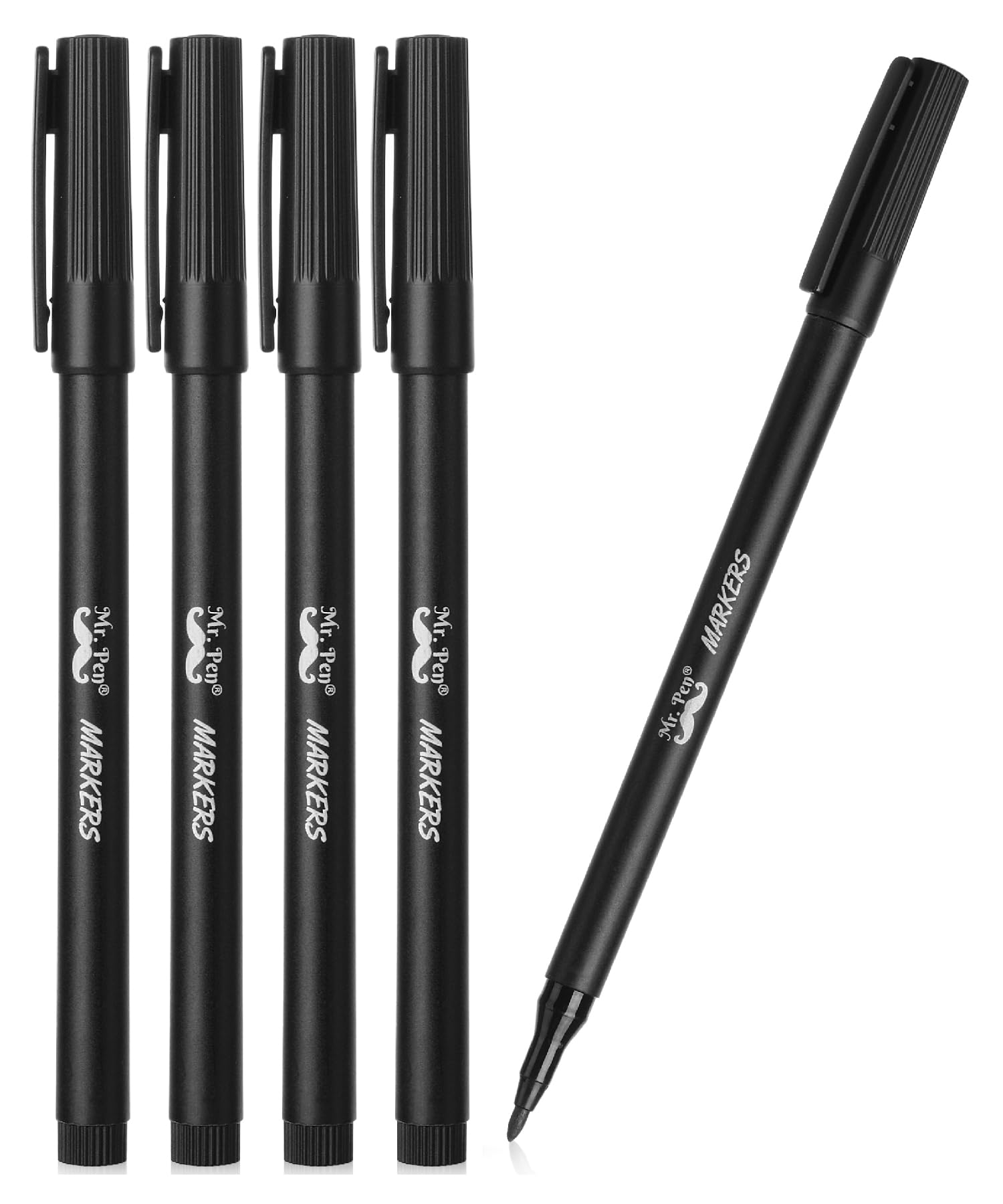
- Ink dries fast and resists fading in the sun
- Works on wood, plastic, and metal
- Fine tip keeps labels clear and sharp
Cons
- Some pens dried out sooner than we hoped
- Shorter length isn’t comfortable for hours of use
- Unsure how they’ll last outside for years
A few pens dried out right away, which was annoying, and the short length got uncomfortable if you’re marking for months at a stretch. The ink held up after rain, which is a must for field work. Few products handle this many different jobs this well.
Buying Guide
When picking a row marker for big farming jobs, we look hard at durability and precision. The marker needs to handle rough field work and still give us accurate, even row spacing.
Ease of use matters, too. It should hook up to our current gear without a headache and let us tweak the row width fast.
Here are a few features worth checking before you buy:
| Feature | Why It Matters | What To Look For |
|---|---|---|
| Material | Ensures durability and longevity | Heavy-duty steel or reinforced parts |
| Adjustability | Allows different row spacing | Simple mechanisms for easy changes |
| Size & Width | Matches field and crop requirements | Wide enough for large rows without obstruction |
| Mounting | Fits with our tractors or planters | Universal or compatible mounts |
| Visibility | Helps with accuracy in the field | Bright markers or reflective tips |
| Maintenance | Reduces downtime and repair costs | Replaceable parts and low upkeep |
Safety definitely deserves a mention. Markers with smooth edges and snug fittings keep things safer when we’re out working.
The terrain and soil type can make a big difference. Some markers just work better in soft ground, while others handle rocks and bumps like pros.