Wildflower Meadow Planting New York Best Practices for Sustainable Landscapes
Last updated: August 25, 2026
Planting a wildflower meadow in New York starts with picking species that can handle the local climate and soil. Native wildflowers like New York ironweed and purple coneflower not only look great, but they also help local wildlife thrive.
Choosing the right seed mix tailored to New York’s environment is essential for a successful meadow.
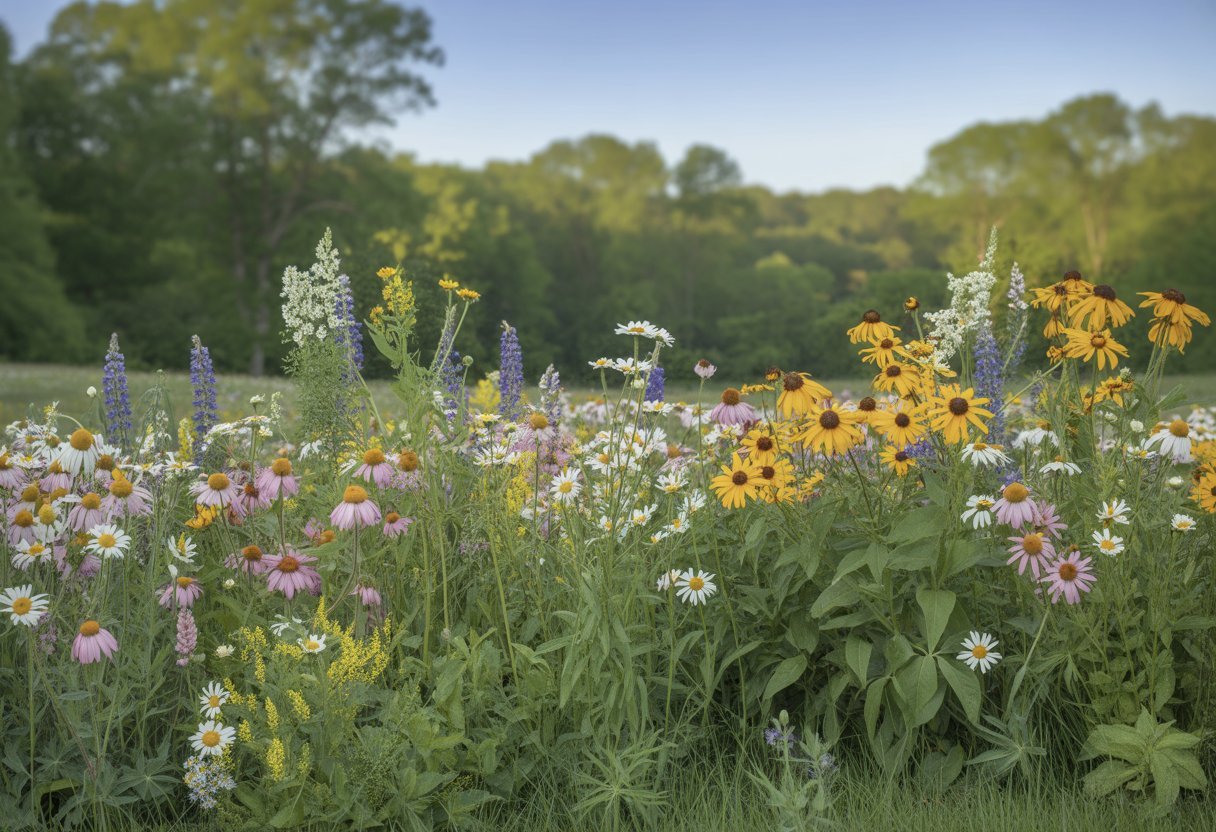
To get started, remove existing vegetation and make sure the soil drains well. Keep an eye out for invasive weeds and mow occasionally to keep the meadow healthy.
A wildflower meadow brings both beauty and ecological value to any space, whether it’s in the city or countryside. It’s also a win for pollinators and biodiversity, and you’ll spend less time on garden chores.
Essentials of Wildflower Meadow Planting in New York
If you want your wildflower meadow to thrive in New York, you’ve got to pay attention to the environment, pick the right plants, and think about how they grow over time. Getting these basics right really helps the meadow support native habitats.
Understanding New York’s Climate and Soil
New York throws cold winters and pretty humid summers your way. Most wildflower meadows need plants that can handle USDA Hardiness Zones 4 to 7.
Seasonal temperature swings make a difference in when seeds sprout and when flowers bloom. Soil types here can be sandy or clay loam, and most native wildflowers like soils that drain well and aren’t too rich.
Testing your soil’s pH—usually between 5.5 and 7.0—can give your plants a leg up. If the soil’s not great, adding some compost or organic matter can help with drainage and nutrients.
Pick a spot with full sun or at least some partial shade, since most meadow plants need six hours of sunlight or more. Areas that stay soggy or are heavily shaded just don’t work well for wildflower meadows.
Choosing Native Wildflowers for Optimal Success
Going with native wildflowers makes the whole meadow more sustainable. These plants already know how to handle New York’s weather, soil, and pollinators.
Some good choices: Echinacea purpurea (Purple Coneflower), Asclepias tuberosa (Butterfly Weed), and Monarda fistulosa (Wild Bergamot). They’ll do well without you having to fuss over them.
Pick seed mixes that are specific to the region and certified to keep out invasive plants. Buy from suppliers who know what they’re doing; it’s not worth skimping here. Adding native grasses to the mix helps with soil health and makes the whole thing more diverse.
Balancing Annuals, Biennials, and Perennials
A good wildflower meadow has a mix of annuals, biennials, and perennials. Annuals like Cosmos bipinnatus give you color right away, but you’ll need to reseed them each year.
Biennials like Campanula americana grow leaves the first year and flower the next, filling the gap between annuals and perennials. They shake things up with different shapes and bloom times.
Perennials, such as Solidago canadensis, stick around for the long haul. Their deep roots help the soil and give wildlife a place to live. Mixing all three types keeps the meadow interesting and lets it change naturally over time.
Site Selection and Preparation for Meadows
Picking the right spot and prepping it well sets up your wildflower meadow for success. You’ll want to pay attention to how much sun the spot gets, how water moves through the soil, and what’s already growing there.
Evaluating Sunlight and Drainage
Most wildflower meadows need full sun—think at least six hours a day. Some can handle partial shade, but heavy shade really stunts their growth.
Drainage matters, too. Unless you’re planting wetland species, avoid spots where water puddles up. Check the slope and how water moves through the area.
To test drainage, dig a hole about a foot deep and fill it with water. If it’s gone in a day, you’re good. If not, you might need to tweak the soil or pick plants that like wetter ground.
Managing Weeds and Competing Vegetation
Get rid of tough weeds before you plant anything. Aggressive weeds like bermudagrass and quackgrass will crowd out your wildflowers.
Start weed control a few months ahead of planting. You can mow, use herbicides, or even lay down clear plastic to bake the weeds out. This step really cuts down on future headaches.
Keep an eye out for weeds as things get going, especially in the first couple of seasons. Letting wildflowers get established early makes the whole meadow stronger.
Soil Amendments and Pre-Planting Steps
Wildflower meadows usually do better in soil that isn’t overloaded with nutrients. Too much fertilizer actually helps weeds and grasses more than wildflowers.
If your soil test shows big pH or nutrient problems, add lime or compost as needed, but don’t overdo it. Try not to churn up the soil too much, since that messes with the natural structure and helpful microbes.
Before you plant, get the seedbed smooth and firm. A light raking helps seeds make contact with the soil, which is key for germination. Good prep now means less trouble later.
Planting Process and Best Practices
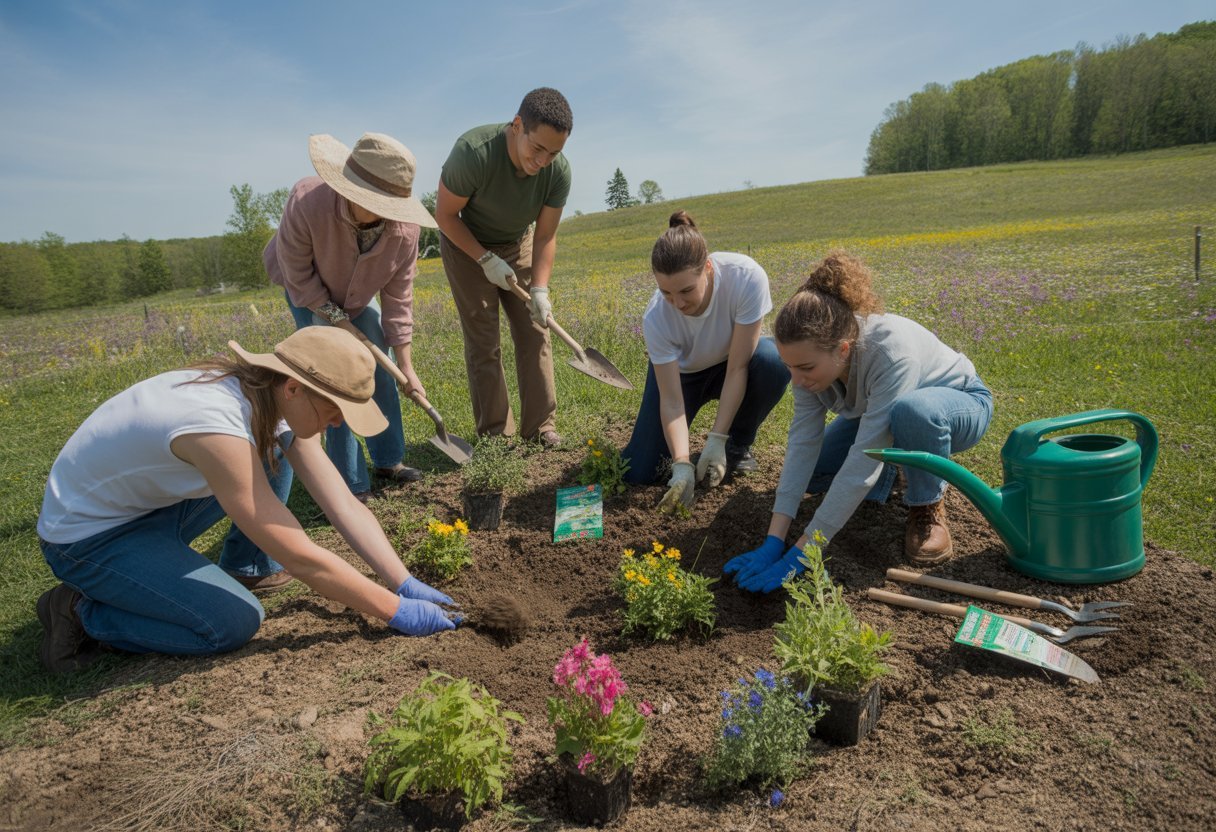
Starting a wildflower meadow in New York means thinking about which seeds to use, when to plant, and how to care for the area early on. Doing these things right keeps weeds down and gives native plants a fighting chance.
Selecting and Sourcing Meadow Plant Seeds
Choose seeds that are actually native to New York. Mixing wildflowers and grasses that bloom at different times makes the meadow interesting all season and helps pollinators.
Go with certified seed suppliers that focus on regional natives. That way, you know you’re not getting any invasive hitchhikers. Your mix might include purple coneflower, black-eyed Susan, and little bluestem grass.
Check the germination rates so you know how much area your seeds will cover. Some heavier seeds, especially from prairie grasses, may need a cold treatment or extra prep before planting.
Sowing Techniques and Seasonal Considerations
Spring and early fall are best for sowing wildflower seeds in New York. Early fall is often better because there’s more moisture and roots get a head start.
Clear out the old plants, but don’t till too deep—keeping the soil structure intact helps. Scatter the seeds evenly, mixing lighter flower seeds with heavier grass seeds so nothing clumps up.
After you sow, press the seeds into the soil or roll the area to help with contact, but don’t bury them too deep. Hold off on watering right away; let the rain do its thing or water lightly so you don’t wash seeds away.
Watch the temperature and soil moisture during germination. Sometimes you’ll need to water, but don’t overdo it.
Early Care, Watering, and Maintenance
Water new meadow plants regularly but not excessively for the first two or three weeks after they sprout. Too much water can bring on weeds and disease, so check the soil often.
Mow the meadow to about eight inches after the first season to get rid of dead stuff and help the wildflowers and grasses grow stronger. Don’t cut too short, or you’ll risk damaging new seedlings.
Stay on top of weeds by pulling them or spot-treating as needed. Steer clear of broad herbicides—they’ll hurt your wildflowers, too.
Once the meadow’s established, mow in late fall and remove the clippings. This helps wildflowers set seed naturally for next year.
Benefits of Wildflower Meadows for Biodiversity
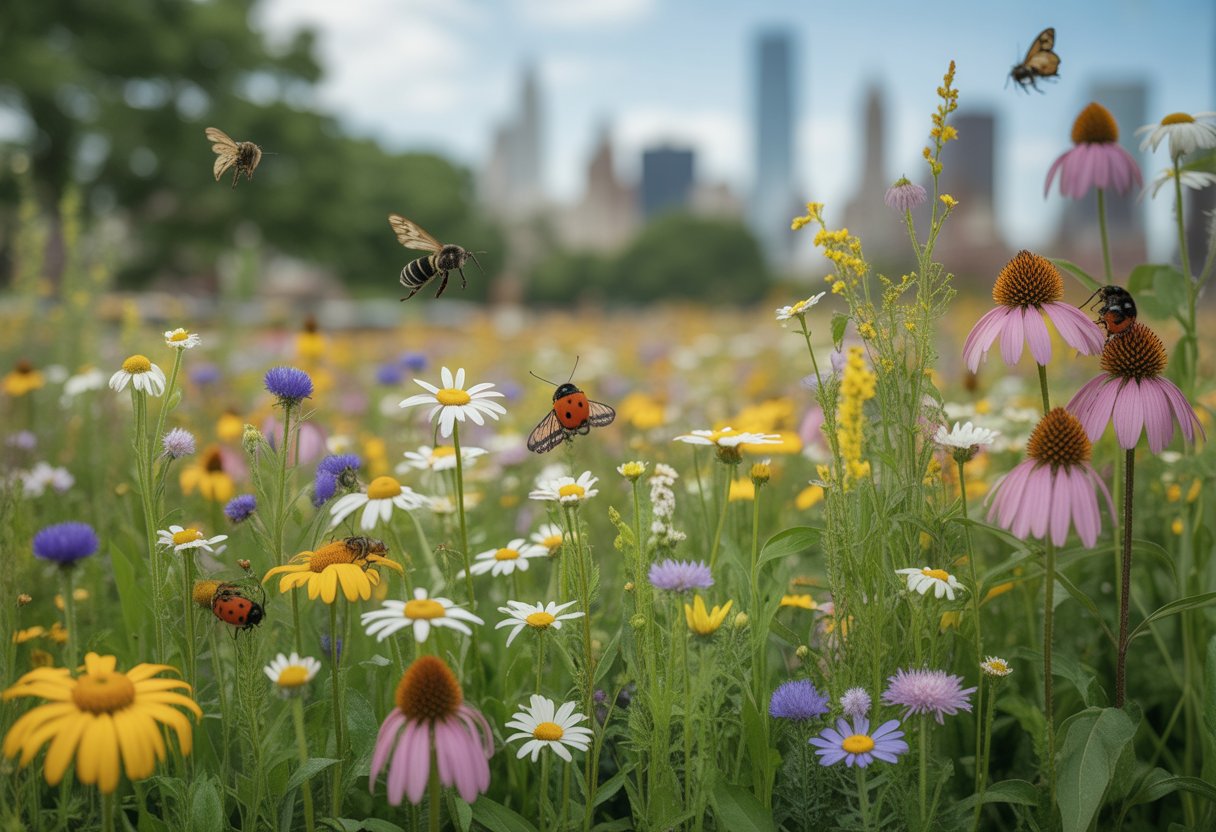
Wildflower meadows form the backbone of a lively ecosystem, giving wildlife a place to eat and live. They help balance different species and keep local environments healthy.
Attracting Bees, Butterflies, and Pollinators
Wildflower meadows are a buffet for pollinators—bees, butterflies, you name it. Native wildflowers bloom at different times, so there’s always something for them to eat.
Pollinators like bumblebees and monarch butterflies count on these plants. More pollinators mean better pollination for both wild and farmed plants in New York.
Different flower shapes attract different pollinators. Tubular flowers pull in hummingbirds, while open blooms are perfect for honeybees. The variety keeps things buzzing.
Supporting Beneficial Insects and Birds
It’s not just about pollinators. Wildflower meadows also bring in helpful bugs like ladybugs and lacewings, which eat pests and cut down on the need for chemicals.
All those insects attract birds, too—think hummingbirds, sparrows, and other seed-eaters. Meadows give them food and a place to hide.
Having these habitats around makes the whole ecosystem tougher. Meadows create spots for insects and birds to breed, overwinter, and just hang out.
Enhancing Visual Appeal With Diverse Floral Displays
Wildflower meadows burst with a wild mix of colors, shapes, and plant heights. The scene shifts as the seasons roll by, keeping things interesting.
That variety of blooms grabs people’s attention and encourages them to spend more time outdoors. You’ll often find these meadows in gardens or parks, where they double as informal classrooms for the community.
Visually, species like coneflowers, black-eyed Susans, and asters weave together into patterns that feel both spontaneous and beautiful. It’s not just wildlife that benefits—these meadows really do make the landscape pop.