
How to Prune Prairie Dropseed for Healthier Growth and Appearance
Last updated: September 6, 2026
Pruning prairie dropseed—Sporobolus heterolepis if you want to get technical—keeps it looking sharp and encourages new growth. The best time to tackle this is late winter or early spring. Just cut the foliage back to a few inches above the ground.
That simple cut removes old growth and sets the stage for fresh shoots.
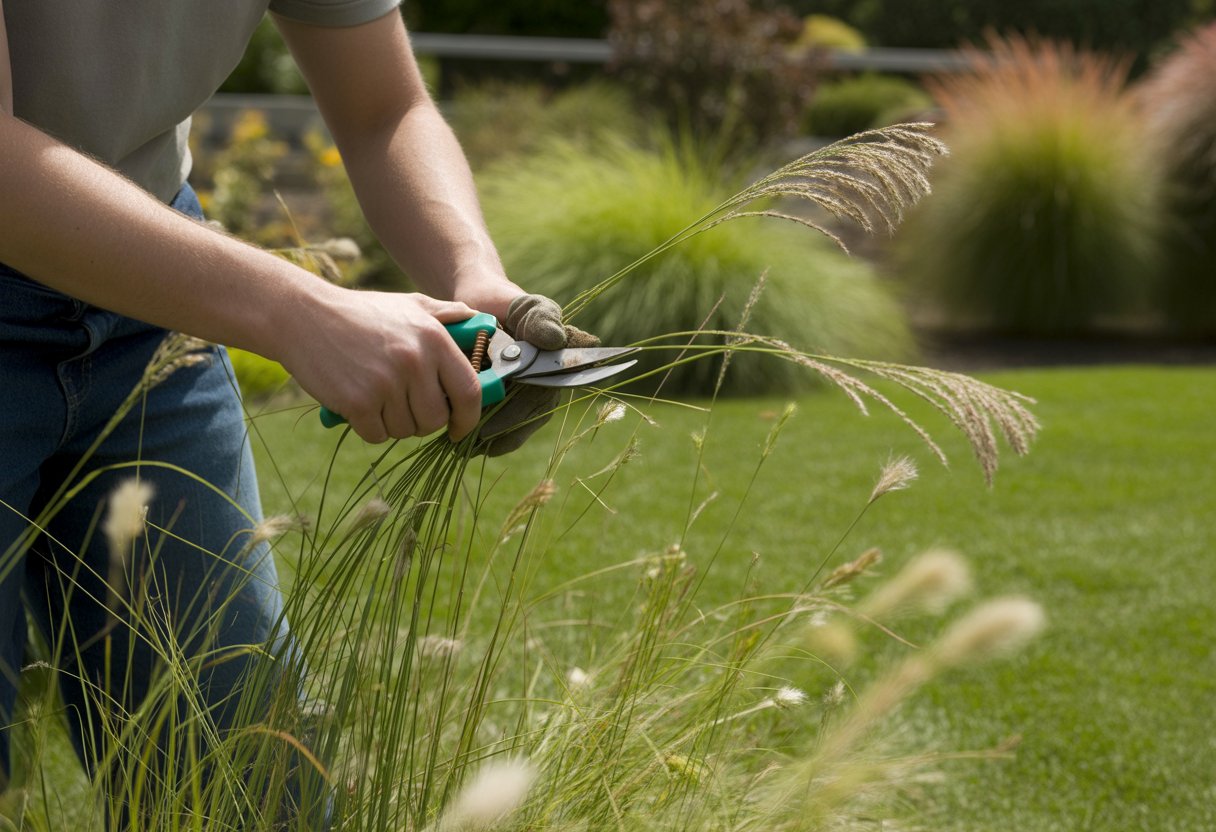
Even though prairie dropseed is pretty hands-off, a little regular pruning keeps the clump from getting too dense or, honestly, a bit scraggly. Trimming also opens up the plant, letting air move through and cutting down on disease risk.
Understanding Prairie Dropseed and Its Role in Landscaping
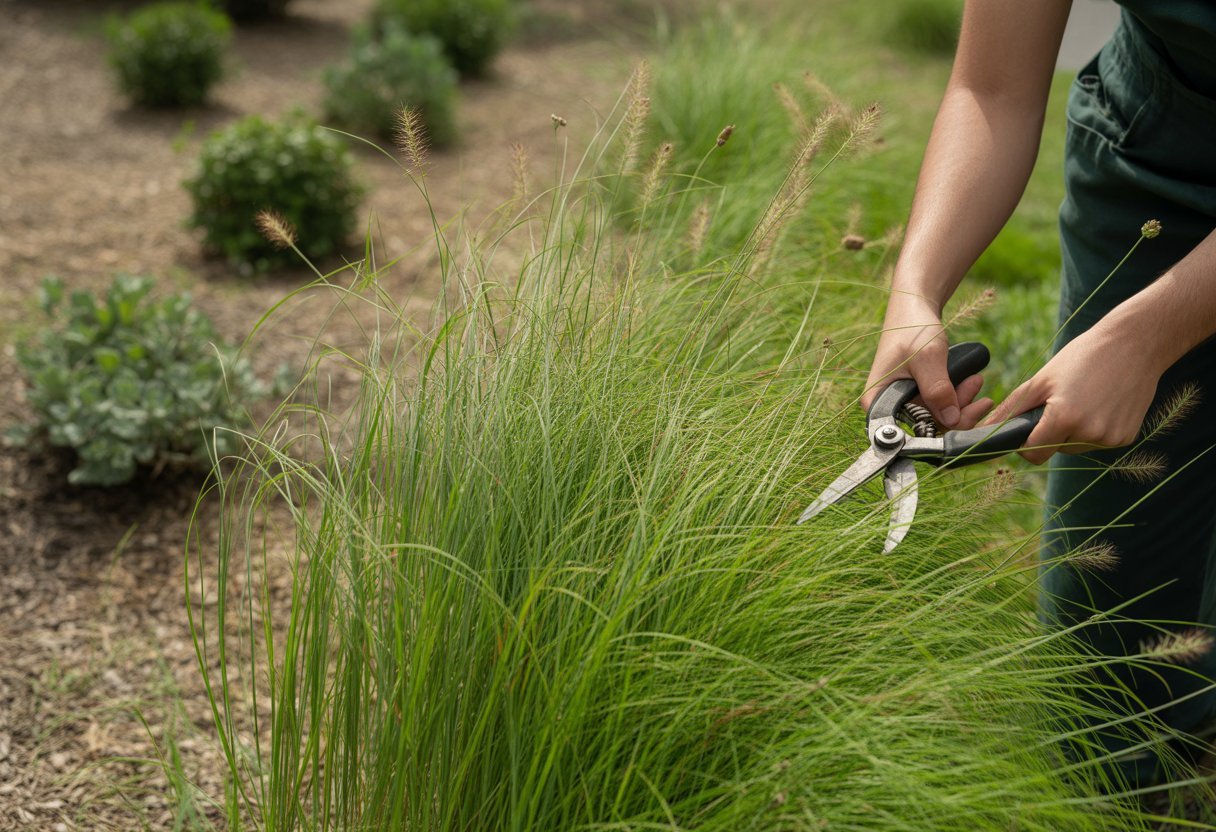
Prairie dropseed is a native ornamental grass with a fine texture, serious drought tolerance, and a knack for thriving in different spots. People use it in low-maintenance gardens and mass plantings for both looks and ecological perks.
Identifying Prairie Dropseed
This grass forms tidy clumps, with thin, arching leaves that mound up about 1 to 2 feet tall. The leaves are green, slender, and if you crush them, there’s a faint musky scent—kind of unique.
In late summer, you’ll see coppery seed heads floating above the foliage. These are finer and more delicate than those on switchgrass or fountain grass. Compared to little bluestem, dropseed’s blades are slimmer and lack that blue-green tint.
Benefits of Prairie Dropseed in the Garden
Prairie dropseed is drought tolerant and deer usually ignore it, making it a good fit for xeriscapes or naturalistic gardens. Once it’s settled in, it barely needs watering and does best with full sun and well-drained soil.
Because it grows slowly and sticks to its clump, you won’t spend much time maintaining it. It also helps with erosion control and gives birds and pollinators a boost. The fine texture stands out next to chunkier grasses like pennisetum or switchgrass.
Companion Plants and Design Considerations
Prairie dropseed gets along with other native grasses and perennials that like the same conditions. Little bluestem, purple coneflower, and black-eyed Susan all work well.
If you plant a bunch together, you get a prairie vibe. The fine leaves move in the breeze and don’t overpower the scene. Designers like to tuck it along borders or in mixed beds for a subtle mix of height and texture.
Since it shrugs off drought and handles poor soils, it’s perfect for sustainable gardens. Deer resistance? Always a bonus if you have critters around.
When and How to Prune Prairie Dropseed
Pruning prairie dropseed keeps it tidy, encourages new growth, and helps it stay a star in the garden. Timing, tools, and a bit of care make all the difference.
Best Time of Year for Pruning
Prairie dropseed really shines in fall with its color and texture. Early spring is the sweet spot for pruning, right before new shoots start popping up. That way, you clear away last year’s dried-out leaves and get ready for a fresh season.
If you chop it back in late summer, you lose the seed heads that add winter interest and feed wildlife. Sometimes a light trim after frost in late fall is okay, but don’t go overboard. Let the plant recover on its own terms.
Essential Tools and Preparation
Grab some sharp shears or garden scissors and make sure they’re clean. Dirty blades can spread disease, and nobody wants that. Gloves help too—those leaves can be surprisingly rough.
Clear out any debris or dead leaves at the base before you start cutting. It makes the job easier and cuts down on infection risk. If the soil’s packed tight, loosen it a bit to help the roots breathe.
Step-by-Step Pruning Techniques
- Spot the dead or browned leaves from last year.
- Cut the foliage back to about 1 or 2 inches above the ground—don’t go lower or you might hit new growth.
- Only remove the old, dry stuff; leave any green shoots alone.
- Get rid of the clippings so you don’t invite fungus.
- If the soil’s dry, give it a little water after pruning.
You don’t need to fuss much, but a careful cut keeps this grass at its best.
Avoiding Common Pruning Mistakes
If you prune too early, you risk chopping off healthy green leaves and slowing things down. Wait too long, and you’ll miss out on those cool seed heads in winter.
Dull blades make ugly cuts and can open the plant to pests or disease. Cutting too much weakens the plant, and hacking into the crown can kill it altogether.
Stick to a regular schedule that matches the plant’s growth, and you’ll keep it healthy.
Aftercare, Maintenance, and Maximizing Impact
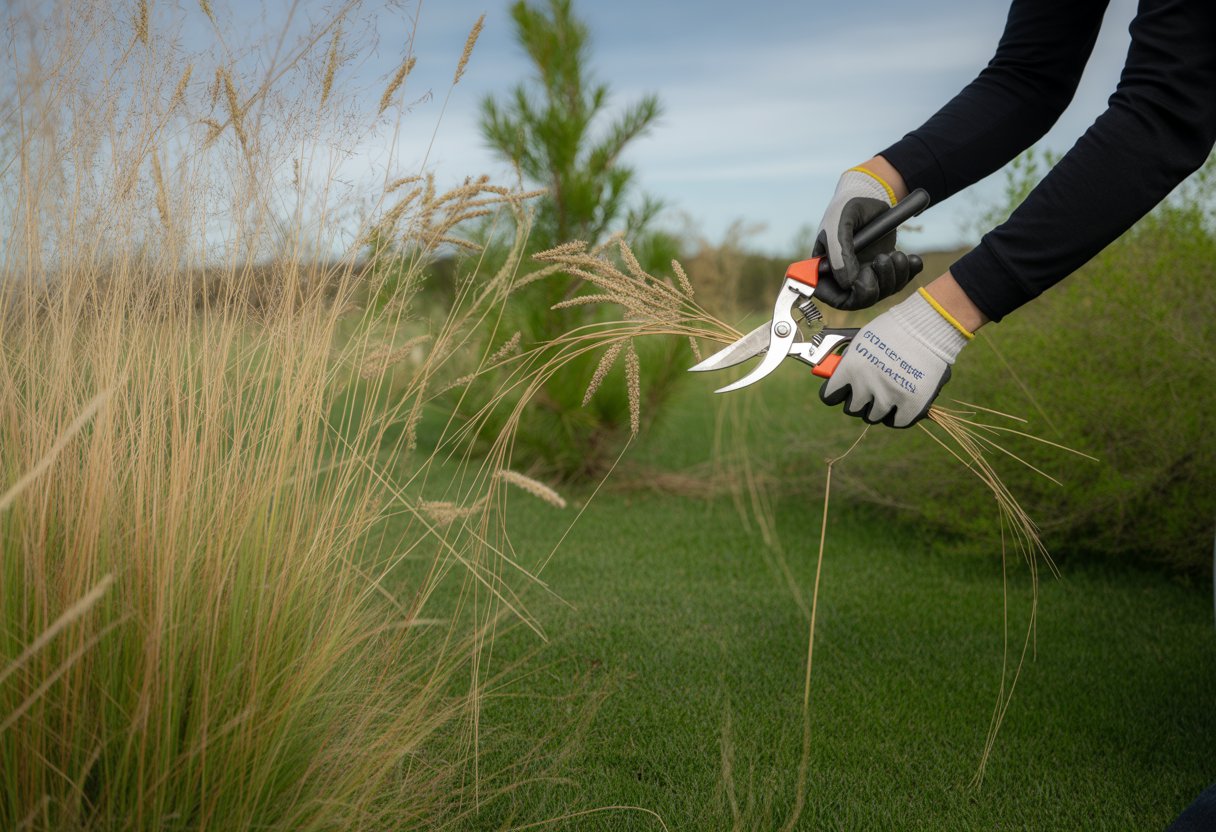
After you prune, a little extra care helps prairie dropseed bounce back. Keep weeds in check and help the plant settle in, especially if your soil’s a bit unpredictable. Prairie dropseed looks great even in small spaces or on patios, and it doesn’t hog room.
Post-Pruning Care Tips
Once you’ve cut it back, water a bit to ease any stress—but don’t overdo it, since prairie dropseed doesn’t like soggy feet. A thin layer of mulch helps hold moisture and shields the roots.
Clear away the cut leaves to keep disease at bay. Check for pests now and then, though issues are rare. If your soil’s healthy, skip the fertilizer; if not, a little slow-release formula in spring can help.
Suppressing Weeds and Encouraging Healthy Growth
Mulch is your friend for keeping weeds down. Shredded bark or something similar keeps the soil cool and the competition low. Pull out invasive species when you see them.
Prairie dropseed likes sandy, well-drained soil. If it gets compacted, loosen it up a bit. Its clumping nature shades out weeds naturally, especially when you plant several together.
Incorporating Prairie Dropseed in Small Spaces and Patios
Because it’s compact and fine-textured, prairie dropseed fits nicely in smaller garden beds or even containers on patios. It handles tight root spaces and dries out quickly, so watering is rarely a hassle.
Mix it with other drought-tolerant plants for more visual punch and less work. Pruning keeps it tidy, and since it spreads slowly, it won’t take over—ideal for tight, organized spaces.
Comparing Prairie Dropseed with Similar Ornamental Grasses
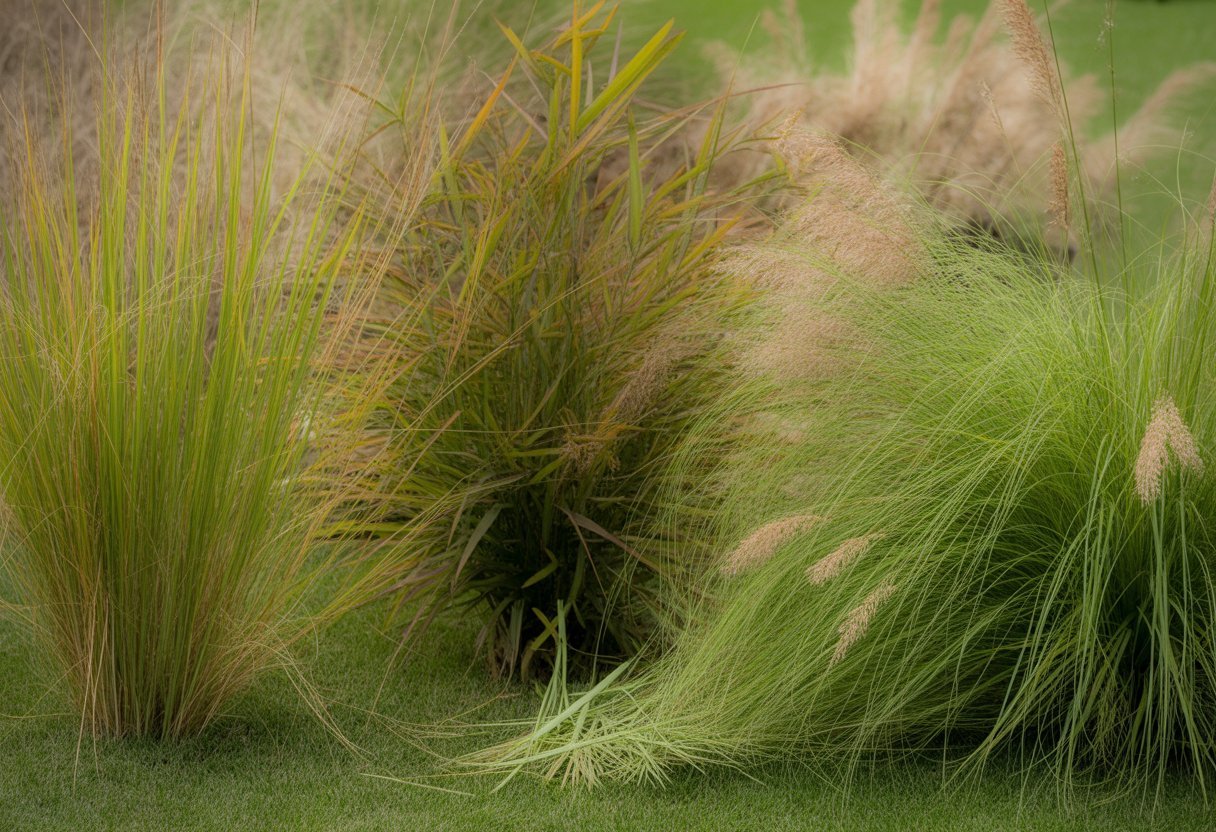
Prairie dropseed stands out among ornamental grasses for its fine look and tidy growth. Its habits, size, and care needs are pretty different from other popular grasses, so it suits certain gardens better than others.
Similarities and Differences with Little Bluestem and Big Bluestem
Prairie dropseed shares native roots with little bluestem and big bluestem, but the differences are obvious once you see them side by side. Dropseed grows 2 to 3 feet tall and has those fine, arching leaves. Little bluestem is a bit taller, 3 to 4 feet, with a chunkier texture and a reddish tint in winter. Big bluestem towers over both, often topping 6 feet with strong, blue-green foliage in summer.
They all shrug off drought and like well-drained soil, but prairie dropseed’s seed heads last longer and it doesn’t spread as aggressively. Its clumps are tidier than big bluestem’s, and it’s less likely to wander than little bluestem. That makes prairie dropseed easier to manage, especially in tight or medium-sized gardens.
How Prairie Dropseed Compares to Miscanthus and Feather Reed Grass
Miscanthus and feather reed grass (Calamagrostis) are favorites for their height and dramatic look. Miscanthus can reach 5 to 8 feet with big, bold leaves, while feather reed grass grows 4 to 6 feet with a narrow, upright shape.
Prairie dropseed, on the other hand, keeps it small and neat. It’s tough in drought and native, which is a big plus for local wildlife. Miscanthus and feather reed grass want richer, moister soils and need more water and attention. Prairie dropseed’s seed heads are finer—almost delicate—compared to the showy plumes of miscanthus or the stiff spikes on feather reed grass.
Selecting the Best Grass for Your Landscape Needs
Choosing between prairie dropseed and other ornamental grasses really comes down to size, texture, maintenance, and what you want for your landscape. Prairie dropseed works especially well in smaller spaces where you want a fine-textured, low-growing grass that doesn’t need much attention.
It’s a great pick for native plant gardens or spots that don’t get a lot of water. If you’re after something taller with a stronger vertical look, you might lean toward miscanthus or feather reed grass.
Those options need more space and a bit more effort to keep them looking good. Little and big bluestem shine in prairie restoration or naturalistic plantings, but they can get pretty large and might wander past the edges of a typical garden.
Think about your soil, how much water you can spare, and what you want your landscape to look like. That’ll help you find the grass that feels just right for your space.
Do deer bother these? That’s my biggest problem — they eat everything.
4 hours of sun can work for some varieties! Look for ones labeled “partial shade tolerant.” -Plant Native Team