Tools Every Oklahoma Gardener Needs for Efficient and Successful Gardening
Last updated: August 30, 2026
Gardening in Oklahoma isn’t exactly a walk in the park. The climate swings and stubborn soil can throw you for a loop.
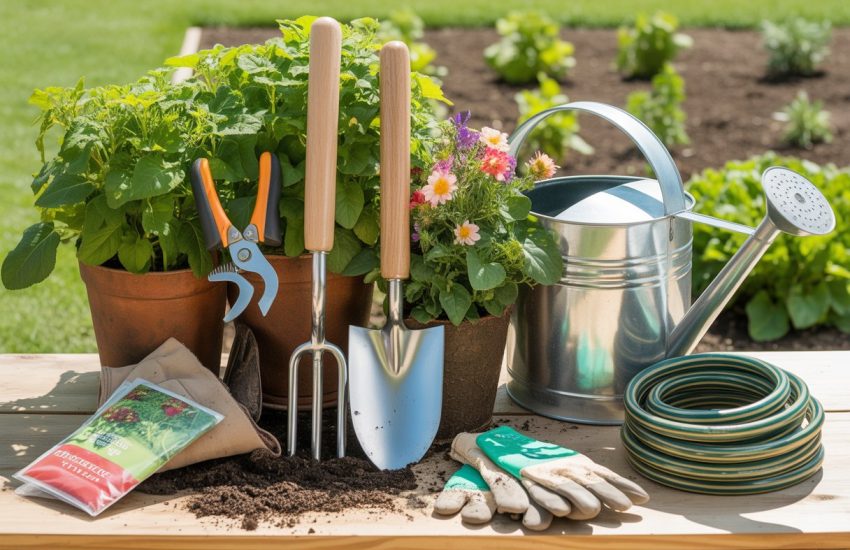
Every home garden here benefits from the right gear. You’ll want a sturdy trowel, pruning shears, a tough watering can or hose, a soil tester, and gloves that can handle rough dirt.
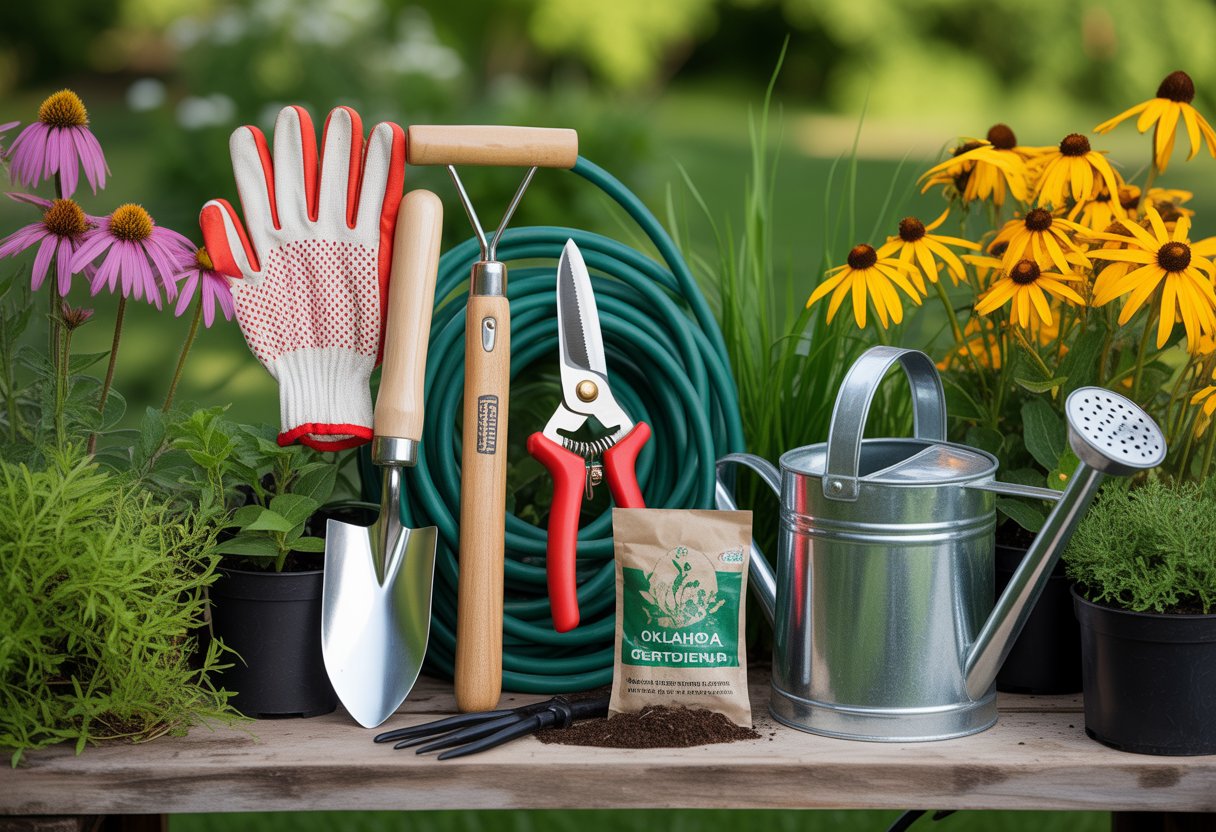
These tools let you tackle planting, pruning, watering, and checking your soil all year. If you pick gear that can handle Oklahoma’s quirks, you’ll have healthier plants and save yourself a lot of hassle.
It doesn’t matter if your garden is a tiny patch by the porch or a sprawling backyard project—the right tools make the work smoother.
Essential Tools for Oklahoma Gardeners
Oklahoma gardeners need tools that can take a beating from the weather and the soil. Good protective gear and sharp hand tools really do make yard work easier.
You’ll notice less fatigue and more accuracy if you pick wisely.
Gloves and Protective Gear
Garden gloves keep your hands safe from thorns, grime, and whatever chemicals you might use. Leather gloves are tough and great for pruning or wrestling with prickly plants.
On hot days, lightweight synthetic gloves breathe better. I can’t stand sweaty hands, honestly.
Don’t forget eye protection when you’re using pruning tools. Flying debris is no joke.
Wide-brimmed hats and sun shirts also help you avoid a nasty sunburn. If you’re planting or weeding for hours, knee pads or a garden kneeler can save your joints.
Trowels and Hand Tools
A good trowel is your best friend for digging, transplanting, and turning soil. Stainless steel blades won’t rust in Oklahoma’s muggy weather.
Handles made from hardwood or sturdy plastic feel better in your hand, especially during long sessions.
Hand forks, weeders, and cultivators help you break up soil and yank out weeds. Smaller tools are easier to use around crowded plants.
A decent set of hand tools makes daily chores feel less like a slog.
Pruning Tools and Shears
Sharp pruners keep your plants healthy by making clean cuts. Bypass pruners are the go-to in Oklahoma—they slice stems cleanly without smashing them.
Snips are handy for delicate work on flowers or small branches. Shears shape hedges and shrubs fast.
Look for blades that resist rust and handles that fit your grip. If you keep your tools sharp, you’ll get the job done faster and with less effort.
Soil, Water, and Fertilizer Management

Managing soil, water, and nutrients is critical for Oklahoma gardens. You’ve got to know your soil composition, how to water properly, and how to feed your plants.
Soil Testing and Amendments
Start with a soil test. It’ll tell you about pH and nutrients, which matters a lot in Oklahoma’s clay-heavy dirt.
Once you know your soil’s nitrogen, phosphorus, and potassium, you can add what’s missing.
Compost or lime can fix structure and balance pH. Clay soils almost always need more organic matter to help with drainage.
You can get testing kits at garden centers or through local extension offices. They provide detailed info, and honestly, it’s worth the trouble.
Irrigation Tools and Techniques
Watering cans and drip systems put water right at the roots, cutting down on evaporation, which is a big deal in Oklahoma summers.
Raised beds help soil drain better and keep moisture where it belongs. If you water regularly and skip the overhead sprinklers during peak sun, you’ll save water and dodge some fungus problems.
Measuring Tools for Accurate Application
Measuring cups make mixing fertilizer simple. You won’t overdo it on the nitrogen if you measure carefully.
Using water meters and rain gauges helps you keep track of rainfall and irrigation. That way, you’re not drowning your plants or letting them dry out.
These measuring tools are honestly pretty essential if you want to avoid wasting money or harming your garden.
Fertilizers and Nutrients
Plants need the basics: nitrogen, phosphorus, and potassium. Nitrogen boosts leaves, phosphorus helps roots and flowers, and potassium makes plants tougher.
Slow-release or organic fertilizers keep nutrients coming without dumping too much at once. Depending on your soil tests and what you’re growing, you might need to tweak your fertilizer plan to avoid shortages or overdoing it.
Pest and Disease Control Solutions
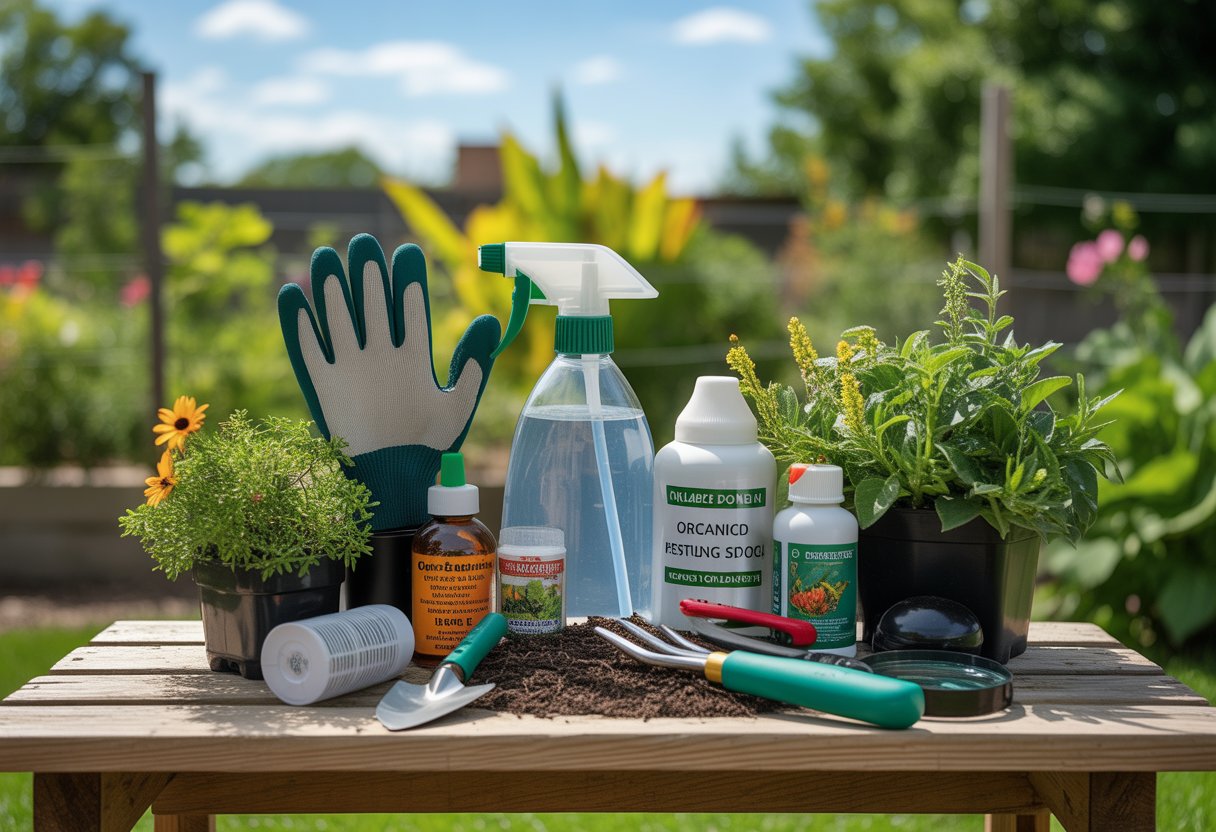
Dealing with bugs and diseases is just part of gardening in Oklahoma. The right tools and treatments make a difference, especially if you want your veggies and flowers to survive.
Effective Insect and Pest Management
Insect control is a must for stopping aphids, spider mites, and beetles. Tools like insecticide sprayers and bug killers let you target trouble spots.
Handheld sprayers let you hit pests directly, so you waste less and don’t hurt the good bugs. Sticky and pheromone traps help you spot problems before they blow up.
Sometimes, just picking bugs off by hand works. Regularly check leaves, stems, and soil to catch things early.
Organic and Chemical Treatments
Neem oil, insecticidal soap, and diatomaceous earth are solid organic choices. They hit pests without leaving nasty residues.
A lot of folks here prefer organics to keep pollinators and soil healthy. Chemical insecticides work fast but can hit more than just the bad bugs.
Always read the label—seriously. Don’t overdo it, and pay attention to timing and amounts.
Some gardeners mix organic and chemical methods for balance. Cleaning your sprayers after use keeps them working right.
Prevention of Plant Diseases
Powdery mildew is a pain for Oklahoma gardeners. Better airflow, thanks to proper spacing, helps keep it away.
Fungicidal sprays can stop spores before they spread. Cleaning up infected leaves and debris keeps diseases from moving around.
Mulch prevents soil-borne diseases from splashing onto plants. If you can, plant resistant varieties to cut down on spraying.
Spotting issues early and treating at the first sign of trouble is key. The sooner you act, the less you’ll need to reapply treatments.
Oklahoma Gardening Tips and Seasonal Considerations

Gardening here is all about timing and paying attention to the weather. If you ignore soil temps or sunlight, you’re setting yourself up for disappointment.
Planting Dates and Climate Adaptations
The season usually kicks off after the last frost, somewhere between mid-March and early April depending on where you live. Lettuce, peas, and radishes go in as soon as the ground isn’t frozen and it’s staying above 45°F.
Tomatoes, peppers, and squash need warmer soil—above 60°F. Summer heat and dry spells mean you’ll have to water smart and mulch to keep roots cool.
Come fall, you can sneak in another round of cool-season crops, usually from mid-August to mid-September. They need to finish before the first frost hits, which could be October or November.
If you’re gardening in a spot with higher elevation or an urban heat island, tweak your timing a bit. It can make a big difference.
Sunlight Requirements and Placement
Most Oklahoma veggies want full sun—at least 6 to 8 hours a day. If you can, put your garden where it’ll catch southern or southwestern rays.
Leafy greens and root crops handle a bit more shade, especially if they get morning sun. Some folks use reflective mulch or pale walls to bounce extra light into tight spaces.
Spacing out your plants and orienting beds right helps with airflow and sunlight, cutting down on fungal problems. Pruning regularly keeps things open and healthy.
It’s not always perfect, but a little trial and error goes a long way in Oklahoma gardens.
Urban and Vegetable Garden Strategies
Urban gardeners deal with all sorts of headaches: limited space, soil that might be contaminated, and heat radiating from concrete everywhere. Raised beds and container gardening help solve a lot of these issues, letting you control soil quality and drainage much more easily.
If you’re growing vegetables in Oklahoma, you’ve got to stay on your toes. The warm climate there means insects multiply fast, and diseases can pop up seemingly overnight.
Companion planting? It’s a classic, and natural repellents can really help keep pests away from your crops without harsh chemicals.
Water conservation matters a lot in cities. Drip irrigation systems cut down on waste and send water right to the roots where it’s needed.
I’ve seen people combine vertical gardening with compact veggie varieties to squeeze more out of tiny spaces—balconies, patios, you name it.
A lot of horticulturists suggest rotating your crops and testing your soil every year. That way, you’ll keep nutrients in check even if you’re working with just a few raised beds or pots.
 Looking for a nursery that carries native plants in Oklahoma?
Browse our native plant nursery directory: Oklahoma