Eco-Friendly Lawn Alternatives South Carolina for Sustainable and Low-Maintenance Yards
Last updated: August 19, 2026
A lot of folks in South Carolina want eco-friendly lawn alternatives now. They’re trying to use less water, cut down on yard work, and help out the local environment.
Traditional grass lawns? Those usually need tons of irrigation and chemicals, which isn’t great for nature or your wallet.
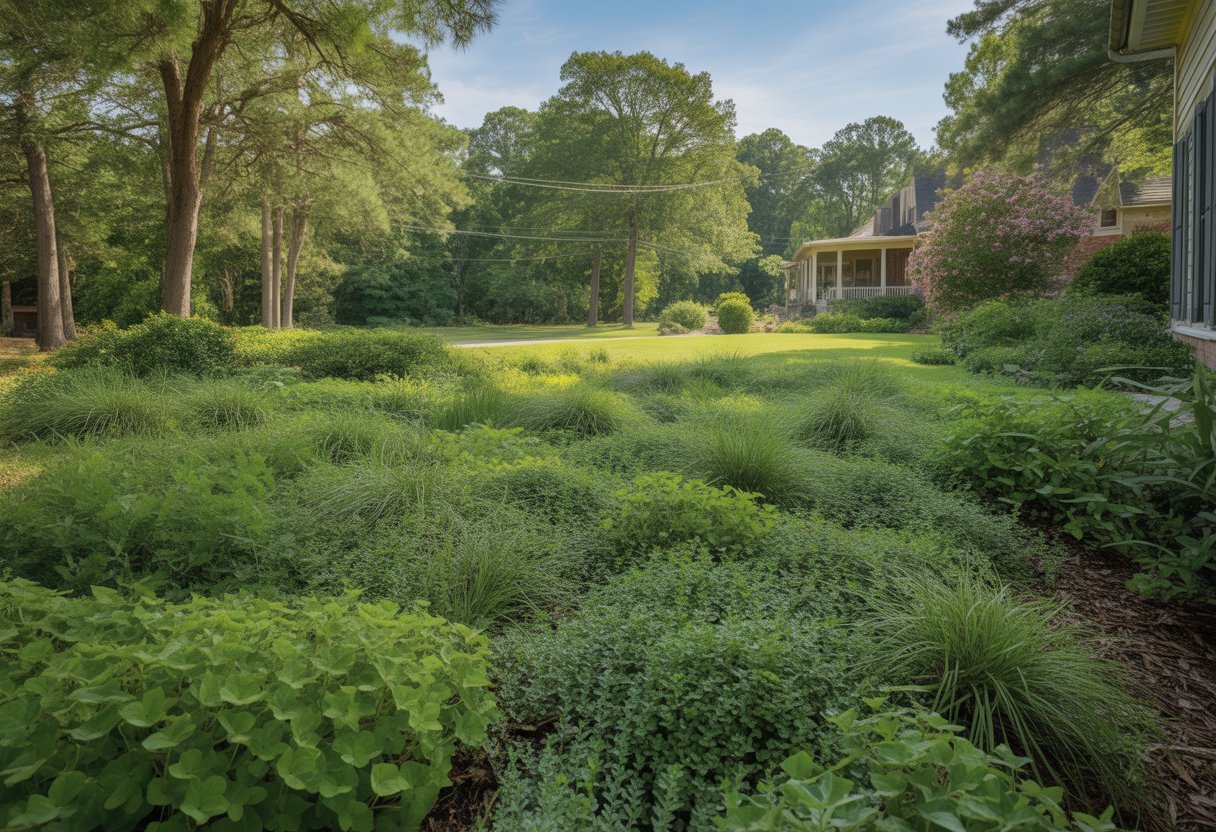
Native plants, clover, and ground covers like creeping thyme or sedum work really well as eco-friendly lawn alternatives for South Carolina’s climate. These choices can handle drought, don’t need much fertilizer, and actually attract helpful bugs. That makes them a pretty smart pick for anyone who wants a sustainable yard.
Picking these alternatives saves water and brings in more birds and pollinators. Plus, you’ll probably spend less time sweating behind a mower or fumbling with fertilizer.
Key Benefits of Eco-Friendly Lawn Alternatives
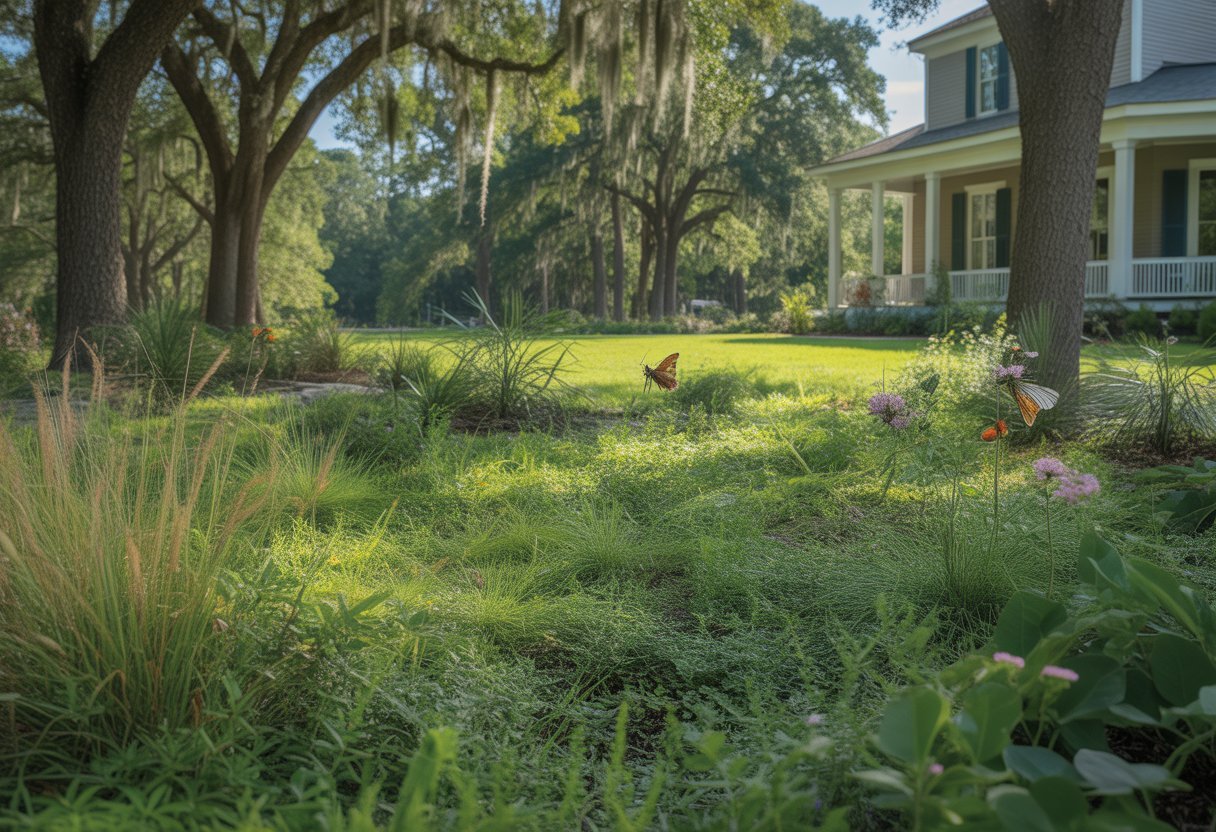
Eco-friendly lawn alternatives give you a lot of bang for your buck—less water, less maintenance, and a gentler impact on the planet.
These options put sustainability first. They help you use less water, skip the harsh chemicals, and cut back on the hassle of old-school lawn care.
Reduced Water Usage
Eco-friendly lawns use way less water than regular grass. Native plants, drought-tolerant ground covers, and xeriscaping don’t need constant watering, so you’ll see your water bill drop.
South Carolina gets its share of dry spells. These alternatives survive on local rainfall, so you don’t have to drag hoses around all summer.
If you go with clover or buffalo grass, you’ll notice the soil holds moisture better. Lawns like these can tough out dry weeks with barely any extra watering—definitely a relief for anyone watching the sprinklers run.
Minimized Chemical Use
When you switch out turf for eco-friendly options, you can ditch most of the herbicides, fertilizers, and pesticides. That means fewer nasty chemicals in the ground and in our waterways.
Eco-friendly lawns let you use compost and organic soil amendments instead. Healthier soil means more good bugs and fewer pests to worry about.
If you’ve got kids or pets, you’ll probably feel better knowing they’re not rolling around in chemicals. Plus, skipping pesticides helps keep bees and butterflies buzzing around, which is always a win.
Low-Maintenance Solutions
Most eco-friendly alternatives need way less lawn care. These plants grow slower or naturally fill in, so you won’t have to mow, fertilize, or water as often.
Less yard work means fewer fumes and noise from mowers. Some of these plants don’t mind if you skip a mow or two, which is honestly kind of freeing.
If you’re after a yard that looks good but doesn’t eat up your weekends, these options make life easier. You get a natural look with less hassle—what’s not to like?
Environmental and Community Impact
Eco-friendly lawns give birds, pollinators, and helpful insects a place to thrive. That’s good news for South Carolina’s farms and wildflowers.
Cutting back on water and chemicals keeps local streams cleaner. Grass alternatives also help the soil store more carbon and stay healthy.
Neighborhoods with more eco-friendly yards usually feel cooler and have better air. Plus, they look great and show you care about the community.
Popular Lawn Alternatives in South Carolina
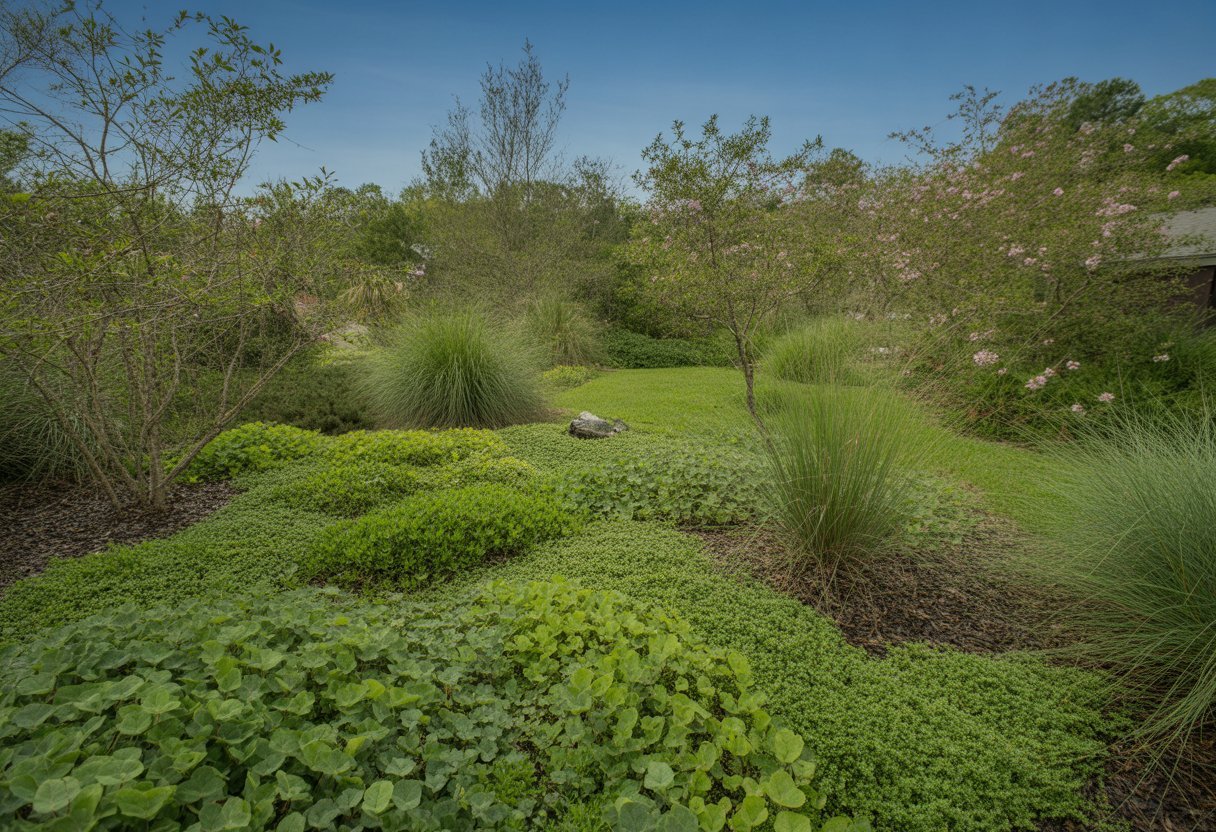
If you live in South Carolina and want to go green, you’ve got some solid choices. These options save water, cut down on chores, and can even make your yard look better than ever.
Clover Lawns
Clover lawns are catching on here. White clover, mini clover, and Dutch clover all handle the climate and naturally add nitrogen to the soil, so you don’t need much fertilizer.
Clover stays green longer in dry weather, thanks to its deep roots. It shrugs off most pests, so you can skip the pesticides. The surface is soft and lush, making it great for kids and pets.
You’ll mow less, and the bees will thank you. Plus, your soil gets richer, and you’ll save money on water and upkeep.
Native Grasses and Ground Covers
Native grasses like buffalograss and blue grama are made for South Carolina. They need less water and fertilizer, and they help the local wildlife.
Ground covers like creeping jenny and moss work well, too. Creeping jenny fills in shady spots fast, and moss loves damp, shaded corners, helping prevent erosion.
Mixing native grasses and ground covers gives you a yard that’s tough, drought-proof, and easy to care for. You’ll mow less and support the ecosystem at the same time.
Synthetic Grass Options
Synthetic grass is another route if you want almost zero maintenance. Today’s artificial turf looks surprisingly real and works for yards, playgrounds, or even businesses.
You can pick from lots of synthetic grass types—there’s something for putting greens, dog runs, or just a tidy front lawn. Pros can install it to last and handle South Carolina’s weather.
It costs more upfront, but you’ll save on water and yard work. And since it doesn’t need watering, it’s perfect for those dry, hot months.
Patios, Decks, and Hardscaped Areas
Swapping some grass for patios, decks, or hardscape means less watering and mowing. Materials like stone, pavers, or composite decking give you space to relax or entertain.
These options are great if you want a yard you can actually use, not just look at. Add a fire pit or some chairs, and you’re set.
Hardscaping can help with drainage and stop soil from getting packed down. With a little planning, it’ll blend right into your landscape and last for years.
Selecting and Maintaining Your Eco-Friendly Lawn
Picking an eco-friendly lawn takes a bit of thought. You’ll want to factor in your property type, local weather, how you use your yard, and what you’re willing to spend over time.
Choosing the Right Alternative for Your Property
Think about what you want from your lawn—space for kids, a spot for pets, or maybe just something pretty to look at. Clover, buffalo grass, or artificial turf all work, but they’re not all the same when it comes to toughness or water needs.
Commercial spaces often go for low-maintenance, durable options or native plants that handle humidity and local soil. For homes, drought-resistant picks like buffalo grass cut down on watering and pest problems.
Artificial turf lasts a couple decades and works well for playgrounds but costs more at the start. Still, it’s hard to beat if you want a yard that always looks neat.
Installation Considerations and Timeline
Best times to install? Usually spring or early fall, when the weather helps new plants settle in. If you’re planting, make sure the soil’s ready—loosen it up and clear out rocks or weeds.
Artificial turf needs a flat, solid base and good drainage. That part’s important if you want it to last.
Natural lawns might take a few weeks to fill in, while synthetic grass is ready right away. It’s smart to get a quote before you start and plan around the weather, just in case you need to tweak your timeline.
Ongoing Care and Cost-Effectiveness
Maintenance really shapes long-term expenses. Native grasses and clover just need the occasional mow and some natural fertilization, so you can skip most chemicals.
Buffalo grass barely asks for water. That means lower utility bills and, honestly, less guilt about the environmental impact.
Artificial turf? It needs brushing now and then, a quick rinse, and maybe a glance for damage. You don’t have to worry about watering or mowing at all.
Upfront, artificial turf isn’t cheap. But if you look at it over 20 years, its durability and low upkeep can make it surprisingly cost-effective.