
Types of Trees in NJ: A Comprehensive Guide to the Native Flora of New Jersey
Last updated: September 1, 2026
New Jersey is known for its diverse landscape, and one of the most significant contributors to this diversity is the variety of trees found in the state. Trees not only add to the beauty of the environment but also play a crucial role in the ecosystem by providing habitats for wildlife, purifying the air, and reducing soil erosion.
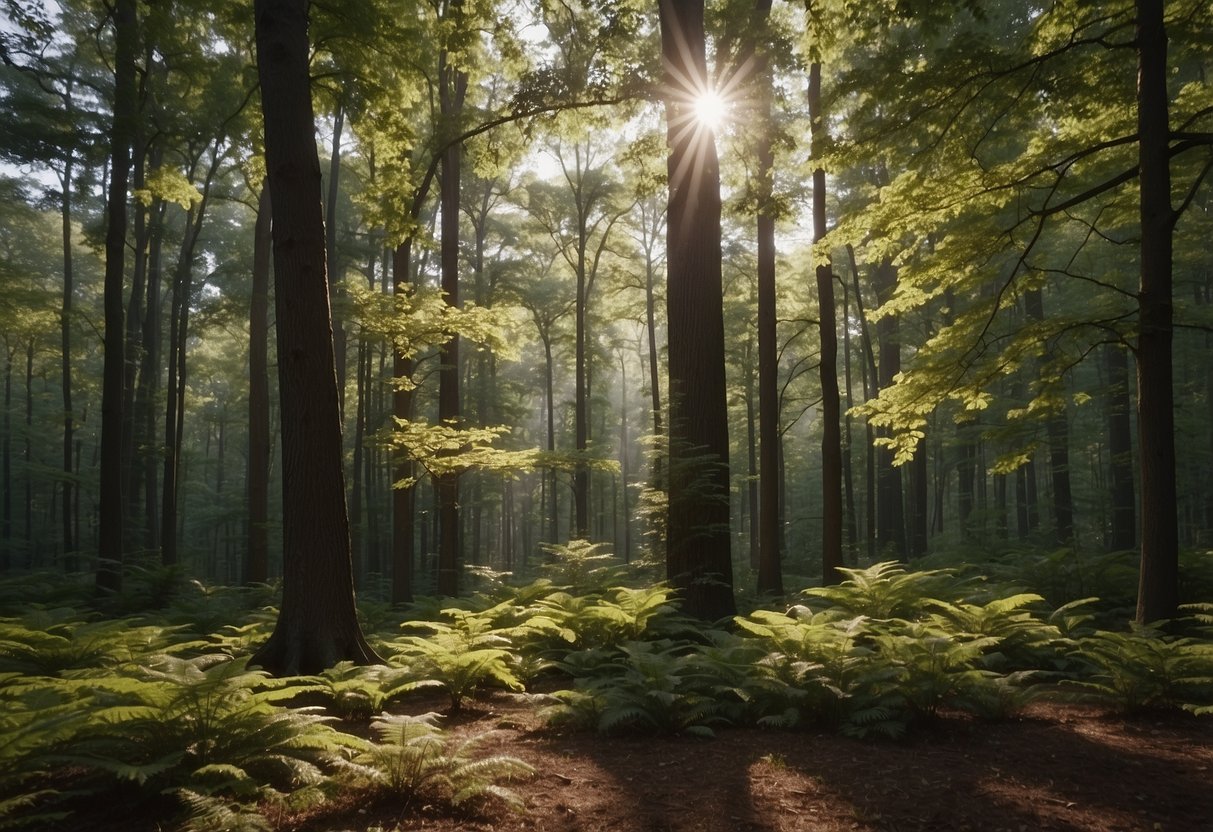
There are over 70 different types of trees in New Jersey, ranging from deciduous to evergreen, and each has its unique characteristics and benefits. Trees such as the American Beech, Red Maple, and American Holly are just a few examples of the many trees that contribute to the state’s ecosystem. Understanding the types of trees in New Jersey can help individuals make informed decisions when it comes to landscaping and preserving the environment.
Whether you are an avid hiker or a homeowner looking to add some greenery to your property, learning about the different types of trees in New Jersey is essential. This guide will provide an overview of the most common trees found in the state, including their characteristics and benefits, to help individuals appreciate the diversity of trees in New Jersey and make informed decisions when it comes to maintaining and preserving the state’s environment.
Native and Common Tree Species in New Jersey
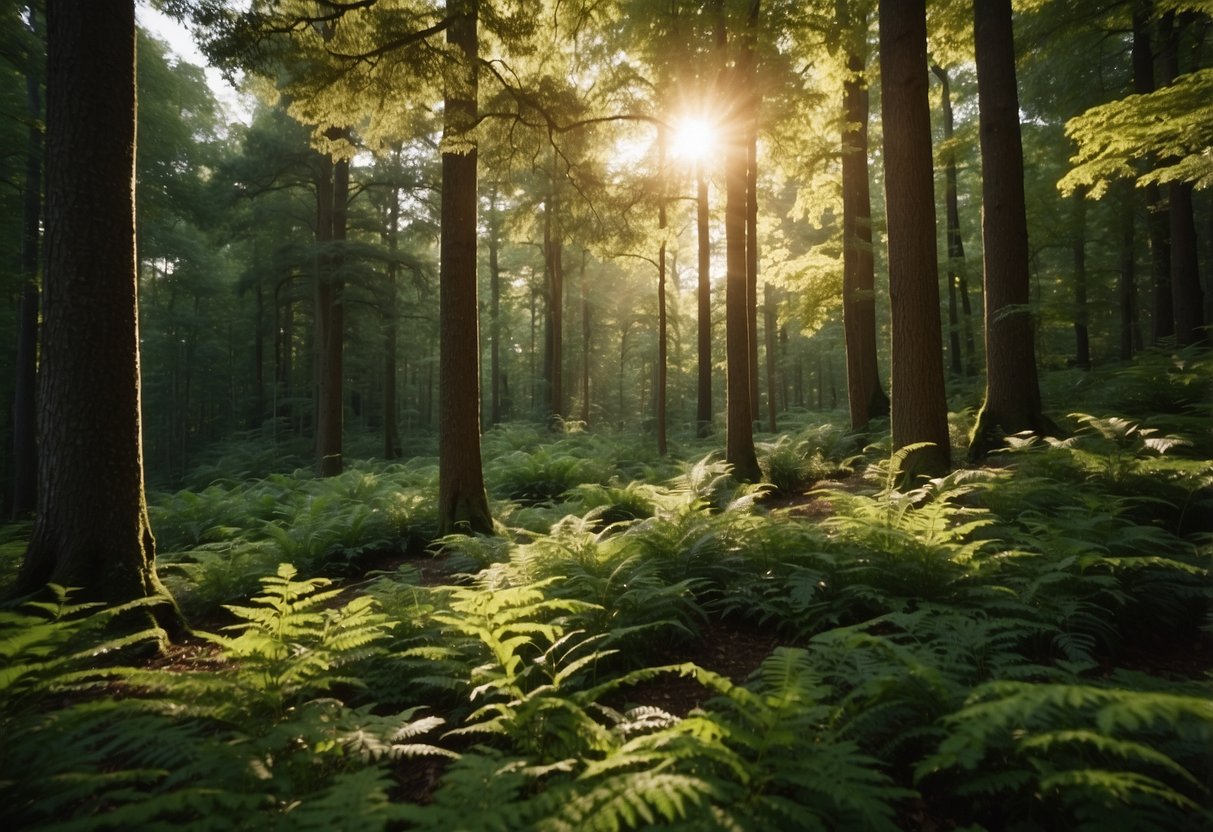
New Jersey is home to a diverse range of native and common tree species. These trees provide essential habitat, food, and shelter for a variety of wildlife, including birds, insects, and butterflies.
Deciduous Trees
Deciduous trees are those that lose their leaves in the fall and regrow them in the spring. Some of the most common deciduous trees in New Jersey include:
- Oak: The oak tree is a staple of New Jersey’s forests. It provides essential habitat and food for a variety of wildlife, including deer and squirrels.
- Red Oak: The red oak is another common tree species in New Jersey. It is known for its distinctive red leaves in the fall.
- Flowering Dogwood: The flowering dogwood is a small, ornamental tree that is native to New Jersey. It produces beautiful white or pink flowers in the spring.
- American Beech: The American beech is a large, deciduous tree that is native to New Jersey. It provides essential habitat and food for a variety of wildlife, including birds and squirrels.
- Tulip Tree: The tulip tree is a large, deciduous tree that is native to New Jersey. It produces beautiful yellow flowers in the spring.
- Black Cherry: The black cherry is a medium-sized tree that is native to New Jersey. It produces small, edible fruit that is enjoyed by birds and other wildlife.
- Sweet Birch: The sweet birch is a small to medium-sized tree that is native to New Jersey. It produces a sweet sap that is used to make birch beer.
- American Elm: The American elm is a large, deciduous tree that is native to New Jersey. It provides essential habitat and food for a variety of wildlife, including birds and squirrels.
- American Linden: The American linden is a large, deciduous tree that is native to New Jersey. It produces fragrant flowers in the summer.
Evergreen Trees
Evergreen trees are those that retain their foliage year-round. Some of the most common evergreen trees in New Jersey include:
- Pine: The pine tree is a common evergreen tree in New Jersey. It provides essential habitat and food for a variety of wildlife, including birds and squirrels.
- American Holly: The American holly is a small evergreen tree that is native to New Jersey. It produces bright red berries that are enjoyed by birds.
- Virginia Pine: The Virginia pine is a small to medium-sized evergreen tree that is native to New Jersey. It provides essential habitat and food for a variety of wildlife, including birds and squirrels.
- Black Spruce: The black spruce is a small to medium-sized evergreen tree that is native to New Jersey. It provides essential habitat and food for a variety of wildlife, including birds and squirrels.
- White Oak: The white oak is a large, deciduous tree that is native to New Jersey. It provides essential habitat and food for a variety of wildlife, including deer and squirrels.
- Conifer: Conifers are a group of evergreen trees that are native to New Jersey. They provide essential habitat and food for a variety of wildlife, including birds and squirrels.
- Mountain Laurel: The mountain laurel is a small evergreen shrub that is native to New Jersey. It produces beautiful pink or white flowers in the spring.
Environmental and Cultural Impact of Trees in NJ
Ecological Benefits
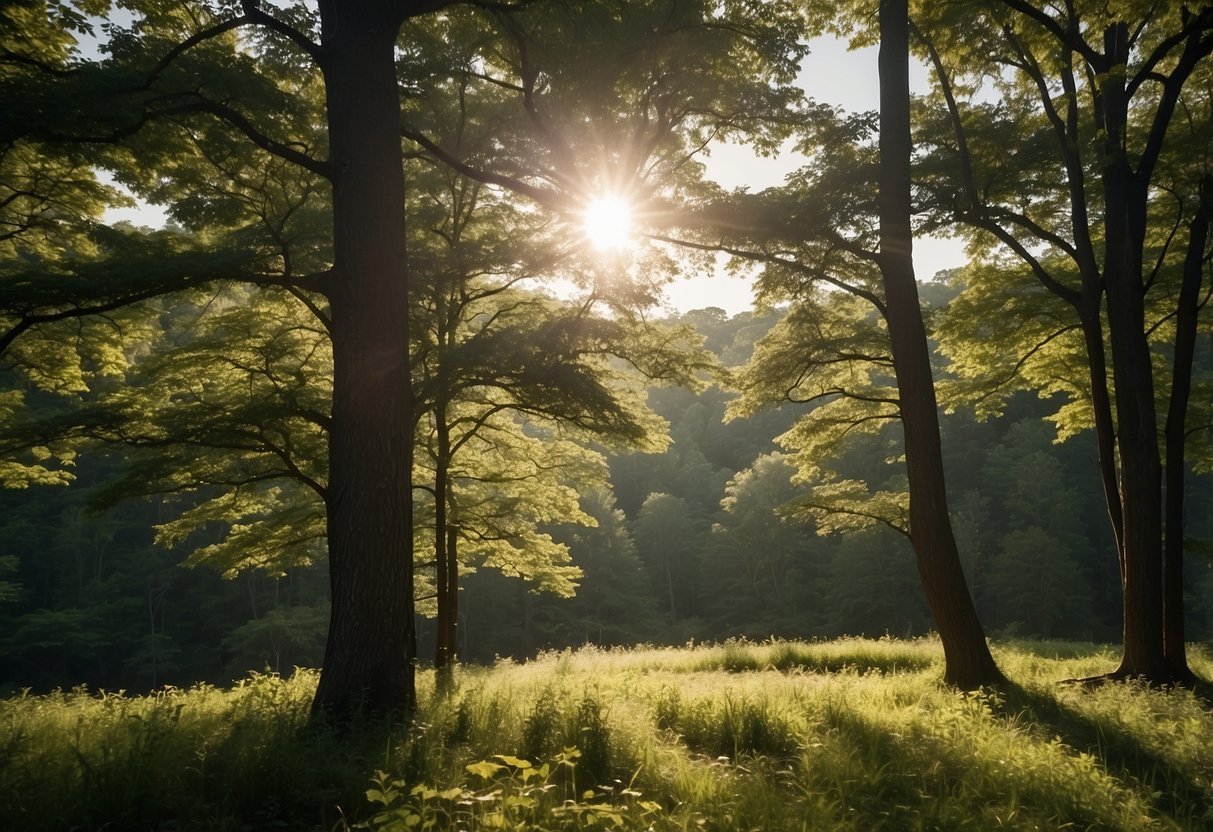
Trees play a vital role in the ecosystem of New Jersey. They provide shade, which helps to reduce the heat island effect in urban areas and can also lower energy costs for nearby buildings. Trees also filter pollutants from the air, providing cleaner air for people to breathe. They help to prevent soil erosion and provide habitats for wildlife, including birds and insects.
Different species of trees have different ecological benefits. For example, riverbank trees such as willows and cottonwoods help to stabilize riverbanks and prevent erosion. Pine trees, which are abundant in the Pine Barrens, provide habitats for many species of wildlife adapted to the unique ecosystem of that region.
Economic and Aesthetic Significance
Trees have economic and aesthetic significance in New Jersey. They are an important source of timber for furniture and construction, as well as a source of income for nurseries and landscapers. Trees also add aesthetic value to residential and commercial properties, and can increase property values.
Some species of trees are especially prized for their aesthetic value. For example, the flowering dogwood is a popular ornamental tree in New Jersey due to its showy pink or white flowers in the spring. Other trees, such as the red cedar, are valued for their fragrant wood and are used to make chests and other furniture.
In addition to their economic and aesthetic value, trees also provide food sources for wildlife and humans. Some trees, such as apple and peach trees, produce fruit that is edible for humans. Other trees, such as the red cedar, produce bright red berries that are an important food source for birds and other animals.
Overall, trees are an important part of the natural habitat of New Jersey and contribute to the state’s identity as the “Garden State.” They provide numerous ecological, economic, and aesthetic benefits that make them an important part of the state’s landscape.
over 70 kinds of trees in new jersey is more than I expected, american beech and red maple are the ones I know.
Thank you for the kind words! Wishing you a great growing season. -Plant Native Team