Flowering Dogwood (Cornus florida)
Cornus florida, commonly known as Flowering Dogwood, is one of eastern North America’s most beloved and recognizable native trees, renowned for its spectacular spring display of pristine white bracts that herald the arrival of warmer weather. This medium-sized deciduous tree, belonging to the dogwood family (Cornaceae), has earned its place as a cornerstone species in both natural forest understories and cultivated landscapes, serving as a bridge between the wild and the designed garden. From the cool woodlands of southern Maine to the warm hills of northern Florida, and westward to the prairies of Kansas, Flowering Dogwood creates one of spring’s most anticipated natural spectacles.
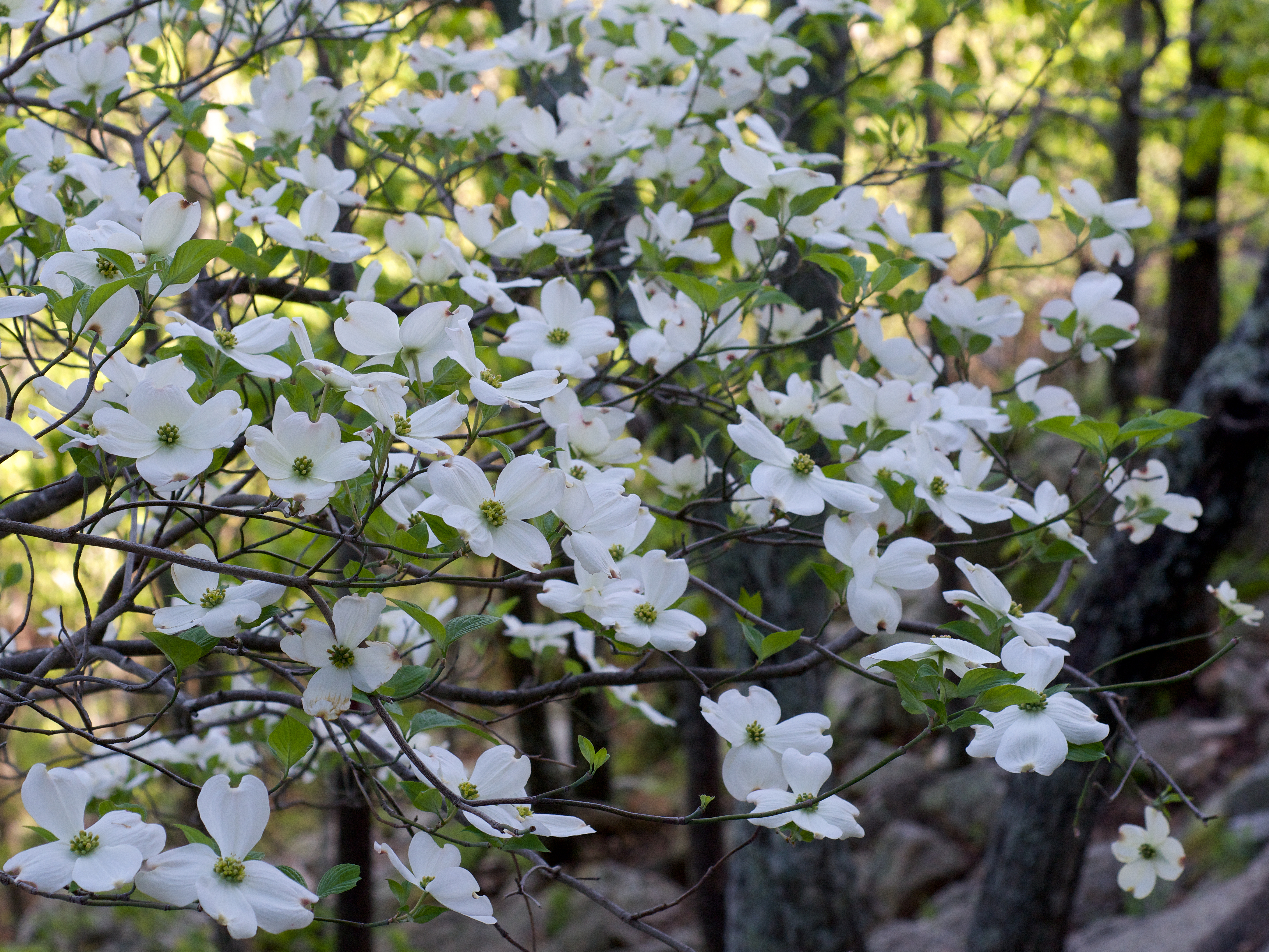
The tree’s common name derives from the four large, white (occasionally pink) petal-like bracts that surround the small, inconspicuous true flowers in early spring, typically appearing before or alongside the emerging leaves. These showy bracts, which can span 3-6 inches across, are actually modified leaves that evolved to attract pollinators to the tiny greenish-yellow flowers clustered at their center. As the season progresses, the bracts fade and fall, leaving behind the developing fruit that will ripen into brilliant red berries by early fall – a crucial food source for over 35 bird species and numerous mammals.
Beyond its ornamental value, Flowering Dogwood plays a vital ecological role as a native understory tree that thrives in dappled sunlight beneath taller oaks, maples, and hickories. Its layered branching pattern, distinctive bark, and four-season interest make it equally valuable in naturalistic gardens and formal landscapes. However, this species faces significant challenges from anthracnose disease and climate change, making conservation-minded cultivation and protection of existing populations more important than ever. When properly sited and cared for, Flowering Dogwood remains one of our most spectacular native trees, offering unmatched spring beauty, wildlife value, and year-round architectural interest.
Identification
Flowering Dogwood is a small to medium-sized deciduous tree that typically grows 15-30 feet tall with a similar spread, developing a distinctive layered, horizontal branching pattern that becomes increasingly pronounced with age. The overall growth habit is often wider than tall, creating a graceful, tiered silhouette that provides excellent architectural structure in the landscape. Young trees tend to be more upright and narrow, gradually developing the characteristic horizontal branching as they mature.
Bark
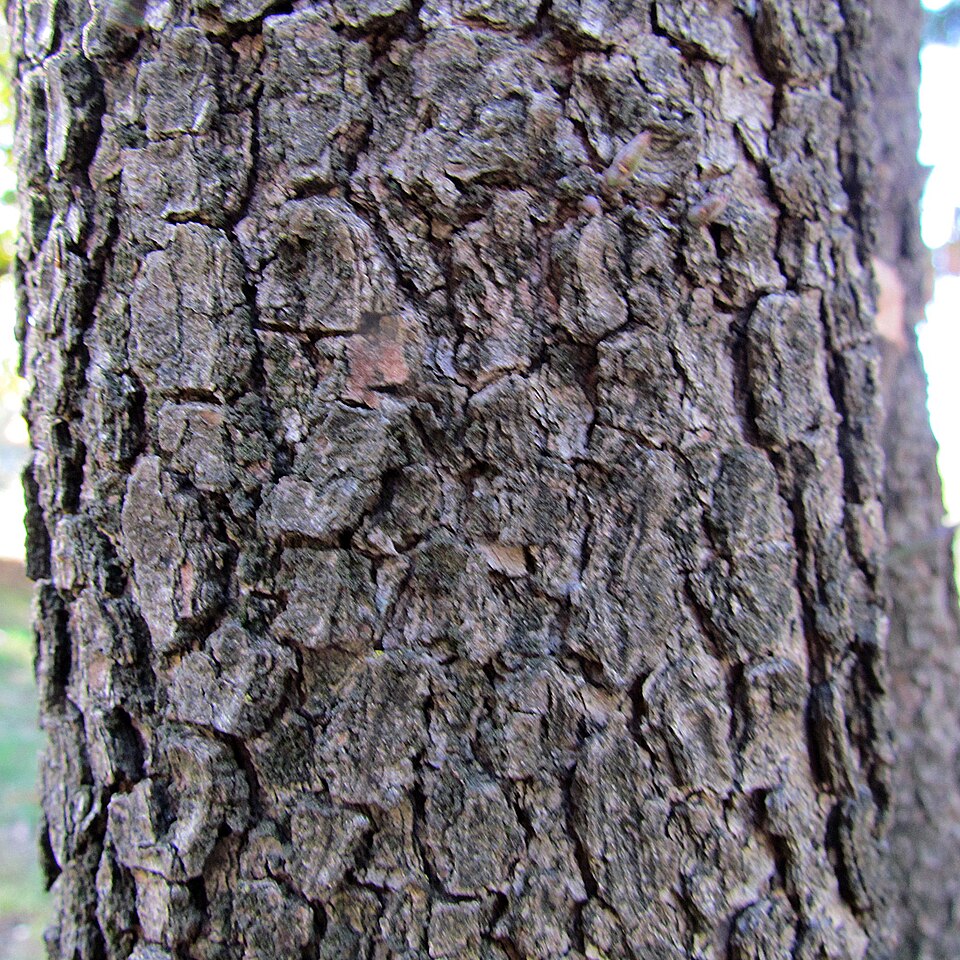
One of the most distinctive features of Flowering Dogwood is its bark, which undergoes dramatic changes as the tree matures. Young trees have relatively smooth, gray-brown bark, but as the tree ages, the bark develops into one of the most recognizable patterns in the native forest. Mature bark breaks up into small, square to rectangular blocks resembling alligator hide, with deep furrows creating a distinctive “checkerboard” or “block” pattern. This deeply furrowed, blocky bark is so characteristic that experienced naturalists can identify Flowering Dogwood from a distance based on bark alone, even in winter when no leaves or flowers are present.
Leaves
The leaves of Flowering Dogwood are simple, opposite, and oval-shaped, measuring 3-5 inches long and 2-4 inches wide. They are distinguished by prominent parallel veins that curve toward the leaf tip, a characteristic shared with other dogwood species. The leaf margins are smooth (entire), and the leaves have a distinctive shape that is widest near the middle, tapering to pointed tips. The upper surface is medium to dark green with a slightly glossy finish, while the underside is paler and may have fine hairs. In autumn, the foliage transforms into brilliant shades of red, burgundy, and sometimes purple, making it one of the finest native trees for fall color.
Flowers & Fruit
The “flowers” that make Flowering Dogwood famous are actually not true flowers but rather four large, white (occasionally pink in wild forms or selected cultivars) bracts that surround a cluster of small, inconspicuous true flowers. These bracts are actually modified leaves that evolved to attract pollinators, and they can span 3-6 inches across when fully open. The true flowers are tiny, greenish-yellow, and clustered in the center of the bracts, typically numbering 15-30 per head. The timing of the bloom is remarkable – the bracts usually appear in early spring before the leaves emerge, creating a cloud of white that seems to float through the still-bare forest.
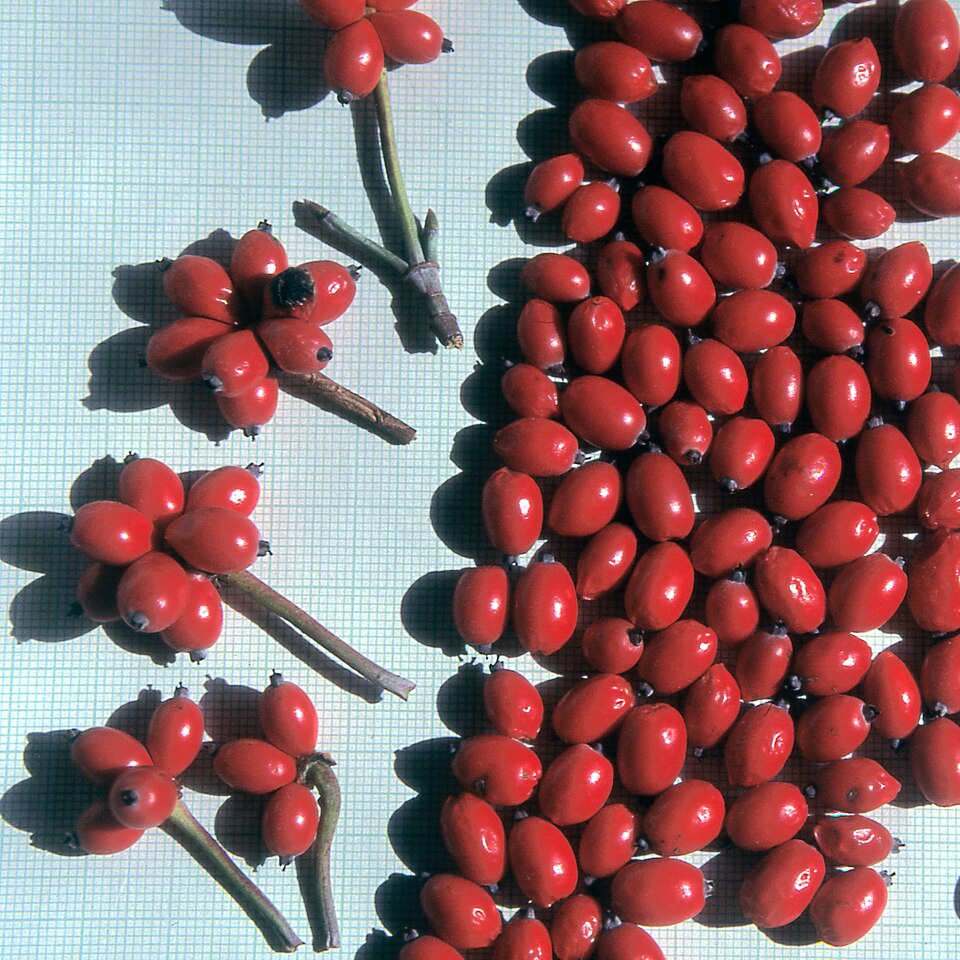
The fruit develops from the small central flowers and consists of clusters of 2-10 bright red, oval drupes, each about ½ inch long. These glossy red berries ripen in late summer to early fall and are eagerly consumed by birds and mammals. Each fruit contains 1-2 seeds, and the bright red color serves as a signal to wildlife that the fruit is ripe and ready for consumption. The contrast between the red fruit and the often-colorful fall foliage creates another season of ornamental interest.
Quick Facts
| Scientific Name | Cornus florida |
| Family | Cornaceae (Dogwood) |
| Plant Type | Deciduous Tree |
| Mature Height | 25–30 ft |
| Sun Exposure | Full Sun to Full Shade |
| Water Needs | Low to Moderate |
| Bloom Time | April – May |
| Flower Color | White (occasionally pink) |
| USDA Hardiness Zones | 5–9 |
Native Range
Flowering Dogwood has one of the most extensive native ranges of any eastern North American tree, stretching from southern Maine and New Hampshire south to northern Florida, and west to southern Ontario, eastern Kansas, Oklahoma, and central Texas. This remarkable distribution makes it one of the most geographically widespread native trees in eastern North America. The species is found from sea level in coastal areas to elevations of 3,000 feet in the Appalachian Mountains, demonstrating remarkable adaptability to diverse topographic and climatic conditions.
Within this vast range, Flowering Dogwood occurs primarily as an understory tree in mixed hardwood forests, particularly those dominated by oaks, hickories, maples, and other deciduous species. It thrives in the dappled sunlight of forest edges, stream corridors, and natural openings, where it often forms pure stands or associates with other native understory trees like Redbud, Serviceberry, and Spicebush. The species is particularly common in the oak-hickory forests of the Appalachians and the mixed mesophytic forests of the southeastern United States.
Climate change and habitat fragmentation pose increasing challenges to Flowering Dogwood populations throughout its range. The species has experienced significant decline in some areas due to anthracnose disease, which has been particularly devastating to wild populations in the Appalachian Mountains. Additionally, urban development and forest fragmentation have reduced available habitat, making the conservation and cultivation of this species increasingly important for maintaining healthy populations across its native range.
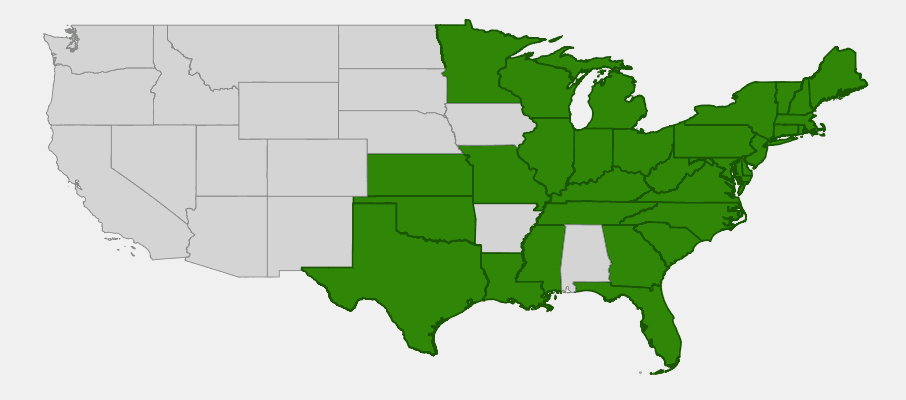
📋 Regional plant lists featuring Flowering Dogwood: North Carolina & South Carolina
Growing & Care Guide
Flowering Dogwood is considered moderately challenging to grow successfully, requiring specific conditions and careful attention to achieve the spectacular results for which it is famous. Success with this species depends largely on understanding its natural habitat preferences and replicating those conditions in the garden. When properly sited and cared for, few native trees can match its combination of spring beauty, wildlife value, and year-round interest.
Light
In its natural habitat, Flowering Dogwood grows as an understory tree, thriving in filtered or dappled sunlight. While it can tolerate full sun to full shade, it performs best with morning sun and afternoon shade, particularly in hotter climates. In northern regions, the tree can handle more direct sunlight, but in the southern parts of its range, protection from intense afternoon sun is crucial for preventing stress and disease. Too much shade will result in reduced flowering and a more open growth habit, while too much sun, especially in hot climates, can cause leaf scorch and increase susceptibility to borers and anthracnose.
Soil & Water
Flowering Dogwood requires well-drained, acidic to neutral soil (pH 5.5-7.0) that retains consistent moisture without becoming waterlogged. The ideal soil is rich in organic matter, similar to natural forest floor conditions with plenty of leaf mold and decomposed organic material. Heavy clay soils should be avoided, as poor drainage can lead to root rot and other problems. Sandy soils can work if amended with organic matter to improve water retention. The tree has moderate drought tolerance once established, but consistent moisture during dry periods will improve health and flowering.
Planting Tips
Plant Flowering Dogwood in early spring or fall when temperatures are moderate. Choose a location that mimics its natural understory habitat – under the canopy of larger trees or in a location with morning sun and afternoon shade. Dig a hole twice as wide as the root ball but no deeper than the root ball height, as planting too deeply can cause serious problems. Mulch around the base with 2-3 inches of organic mulch, keeping it several inches away from the trunk to prevent pest and disease issues. Water regularly during the first two years to help the tree establish a strong root system.
Pruning & Maintenance
Flowering Dogwood requires minimal pruning, and improper pruning can significantly increase disease susceptibility. Prune only when necessary, preferably in late fall or winter when the tree is dormant. Remove dead, diseased, or crossing branches, but avoid heavy pruning that opens the canopy and exposes the tree to stress. Never top or severely cut back a Flowering Dogwood, as this can destroy its natural form and make it highly susceptible to disease and pest problems. The tree’s natural layered branching pattern should be preserved and enhanced, not altered.
Landscape Uses
Flowering Dogwood is excellent for naturalistic gardens, woodland settings, and as a specimen tree in partly shaded locations. It works well as:
- Understory plantings beneath mature oak, maple, and hickory trees
- Woodland gardens combined with native wildflowers and ferns
- Four-season specimen where spring flowers, fall color, and winter form can be appreciated
- Wildlife gardens providing food for birds and habitat for beneficial insects
- Native plant combinations with Redbud, Spicebush, and native azaleas
- Rain gardens in partially shaded areas with good drainage
Common Problems
The most serious threat to Flowering Dogwood is anthracnose, a fungal disease that has devastated wild populations in some areas. This disease causes leaf spots, branch dieback, and can eventually kill the tree. Proper siting with good air circulation, avoiding overhead irrigation, and maintaining tree health are the best prevention strategies. Dogwood borers can also be a problem, particularly on stressed trees or those planted in full sun. Other potential issues include powdery mildew, spot anthracnose, and scale insects, most of which are manageable with proper cultural care.
Wildlife & Ecological Value
Flowering Dogwood is among the most ecologically valuable native trees in eastern North America, supporting an extraordinary diversity of wildlife throughout all seasons. Its role as a keystone species in forest ecosystems cannot be overstated, providing crucial resources for everything from migrating songbirds to resident mammals and countless invertebrates that form the base of the food web.
For Birds
Over 35 bird species are known to consume Flowering Dogwood berries, making it one of the most important native trees for avian wildlife. The bright red, lipid-rich drupes ripen in late summer and early fall, coinciding perfectly with fall migration when birds need high-energy food sources. Notable consumers include Wood Thrush, Hermit Thrush, American Robin, Northern Cardinal, Blue Jay, Pileated Woodpecker, Downy Woodpecker, Hairy Woodpecker, White-breasted Nuthatch, and various vireos and warblers. The berries persist into winter in some regions, providing emergency food during harsh weather. Beyond fruit, the tree’s dense branching structure provides excellent nesting sites for songbirds, while its early spring flowers attract insects that feed insectivorous species during breeding season.
For Mammals
Numerous mammals rely on Flowering Dogwood for food and shelter. White-tailed deer browse the twigs and leaves, though excessive deer pressure can severely damage trees. Black bear consume the berries in large quantities during fall fattening, while smaller mammals including gray squirrels, eastern chipmunks, and various mouse species gather and cache the fruit. Raccoons climb into the branches to reach berry clusters, and opossums feed on fallen fruit. The tree’s dense lower branching provides cover for rabbits and other ground-dwelling mammals.
For Pollinators
While Flowering Dogwood’s true flowers are small and inconspicuous, they are highly attractive to native pollinators during their brief but crucial blooming period in early spring. The flowers produce both nectar and pollen, attracting various native bees, flies, and beetles at a time when few other native plants are blooming. Mining bees (Andrena species), small carpenter bees (Ceratina), and various hover flies are particularly important pollinators. The tree’s early blooming coincides with the emergence of many beneficial insects, making it a critical early-season nectar source for pollinators just emerging from winter dormancy.
Ecosystem Role
As an understory tree, Flowering Dogwood plays a crucial structural role in forest ecosystems, creating habitat diversity and supporting complex food webs. The tree supports over 100 species of moths and butterflies as larvae, including the Spring Azure butterfly, which uses Flowering Dogwood as one of its host plants. These caterpillars become essential food for nesting birds during the critical breeding season. The tree’s leaf litter decomposes relatively quickly, contributing valuable nutrients to forest soils and supporting diverse communities of decomposer organisms. In many forest ecosystems, Flowering Dogwood serves as an indicator species for healthy woodland conditions, as it requires the stable moisture, soil conditions, and canopy structure characteristic of mature forest environments.
Cultural & Historical Uses
Flowering Dogwood holds a distinguished place in North American cultural history, valued both for its spectacular beauty and its practical applications by Indigenous peoples and early European settlers. Archaeological evidence suggests that Native American communities throughout the tree’s range utilized various parts of Flowering Dogwood for medicinal, ceremonial, and practical purposes for thousands of years before European contact.
Indigenous peoples of the southeastern United States, including the Cherokee, Creek, and Seminole, developed sophisticated uses for nearly every part of the tree. The inner bark was harvested and processed to create a bitter tonic used to treat fevers, digestive ailments, and as a general health restorative – applications that were later adopted by European settlers and eventually led to the tree’s inclusion in early American pharmacopeias. The extremely hard, dense wood was prized for crafting arrows, tool handles, and other implements requiring strength and durability. Cherokee artisans used thin strips of the wood to create intricate baskets, while the bark provided dyes for textiles and ceremonial purposes. The tree held spiritual significance in many Indigenous cultures, with its spring blooming marking important seasonal ceremonies and its four-petaled bracts carrying symbolic meaning in various tribal traditions.
European colonists quickly recognized Flowering Dogwood’s medicinal properties and began incorporating Indigenous knowledge into their own healing practices. By the 18th century, dogwood bark extract was a common remedy in colonial medicine, used to treat malaria, fevers, and digestive disorders. The bitter compounds in the bark, primarily cornin and tannins, were believed to have properties similar to quinine. During the Civil War, when quinine supplies were disrupted, both Union and Confederate forces turned to dogwood bark extract as a substitute treatment for malaria and other fevers, leading to increased commercial harvesting of wild trees.
The tree’s exceptionally hard, fine-grained wood found numerous commercial and artisanal applications throughout American history. Dogwood wood was the preferred material for textile shuttles in the burgeoning American textile industry, as its smooth surface and resistance to splitting made it ideal for high-speed weaving operations. The wood was also crafted into golf club heads, piano keys, tool handles, and various wooden implements requiring durability and a smooth finish. Unique applications included use in jeweler’s blocks, mathematical instruments, and even hay forks. The wood’s density and hardness made it valuable for specialty applications, though the relatively small size of most trees limited commercial timber production.
In modern times, Flowering Dogwood has transcended its utilitarian origins to become one of America’s most celebrated ornamental trees. It serves as the state tree of both Missouri and Virginia, reflecting its deep cultural significance in American landscapes. The tree features prominently in American literature, poetry, and art, often symbolizing resilience, renewal, and the beauty of the American wilderness. Many communities throughout the Southeast celebrate annual dogwood festivals, and the tree has become an iconic symbol of Southern culture and hospitality. Its image appears on everything from state quarters to tourism materials, cementing its place as one of America’s most beloved native trees.
Frequently Asked Questions
Why isn’t my Flowering Dogwood blooming well?
Poor flowering in Flowering Dogwood is usually caused by too much shade, improper pruning, drought stress, or disease. The tree needs at least 4-6 hours of sunlight daily to bloom well, preferably morning sun with some afternoon protection. Avoid pruning in spring and summer, as this removes flower buds for the following year. Heavy pruning or topping can eliminate flowering for several years and make the tree susceptible to disease.
How can I protect my Flowering Dogwood from anthracnose disease?
Anthracnose is a serious fungal disease that can kill Flowering Dogwoods. Prevention is key: choose a site with good air circulation, avoid overhead watering, plant in morning sun with afternoon shade, and maintain tree health through proper watering and mulching. Remove and destroy infected leaves and branches immediately. In areas where anthracnose is common, consider disease-resistant cultivars or alternative native trees like Pagoda Dogwood.
Can Flowering Dogwood grow in full sun or full shade?
While Flowering Dogwood is adaptable to various light conditions, it performs best with morning sun and afternoon shade, particularly in warmer climates. Full sun can cause heat stress, increase disease susceptibility, and lead to leaf scorch. Full shade will result in reduced flowering, weak growth, and increased disease problems. The ideal location mimics its natural understory habitat.
When is the best time to plant Flowering Dogwood?
Plant Flowering Dogwood in early spring (after the last frost) or fall (6-8 weeks before the first hard frost) when temperatures are moderate and the tree can establish roots before extreme weather. Avoid planting in summer heat or during winter freezes. Fall planting is often preferred as it gives the tree time to establish before the stress of the following summer.
Why are the leaves on my Flowering Dogwood turning brown or dropping?
Brown or dropping leaves can indicate several problems: drought stress, overwatering, disease (particularly anthracnose or powdery mildew), or transplant shock in newly planted trees. Check soil moisture levels, ensure proper drainage, and look for signs of disease like spots on leaves or canker formation on branches. Newly planted trees may drop leaves as they adjust to their new location, but this should improve with proper care.

Looking for a nursery that carries Flowering Dogwood?
Browse our native plant nursery directory: North Carolina · South Carolina