Tools Every Colorado Gardener Needs for Successful Seasonal Growth
Last updated: September 13, 2026
Gardening in Colorado isn’t for the faint of heart. Dry soils, unpredictable weather, and a short growing season can make things tricky.
To have any real shot at success, you’ll need tools that actually work for these conditions—not just generic gear.
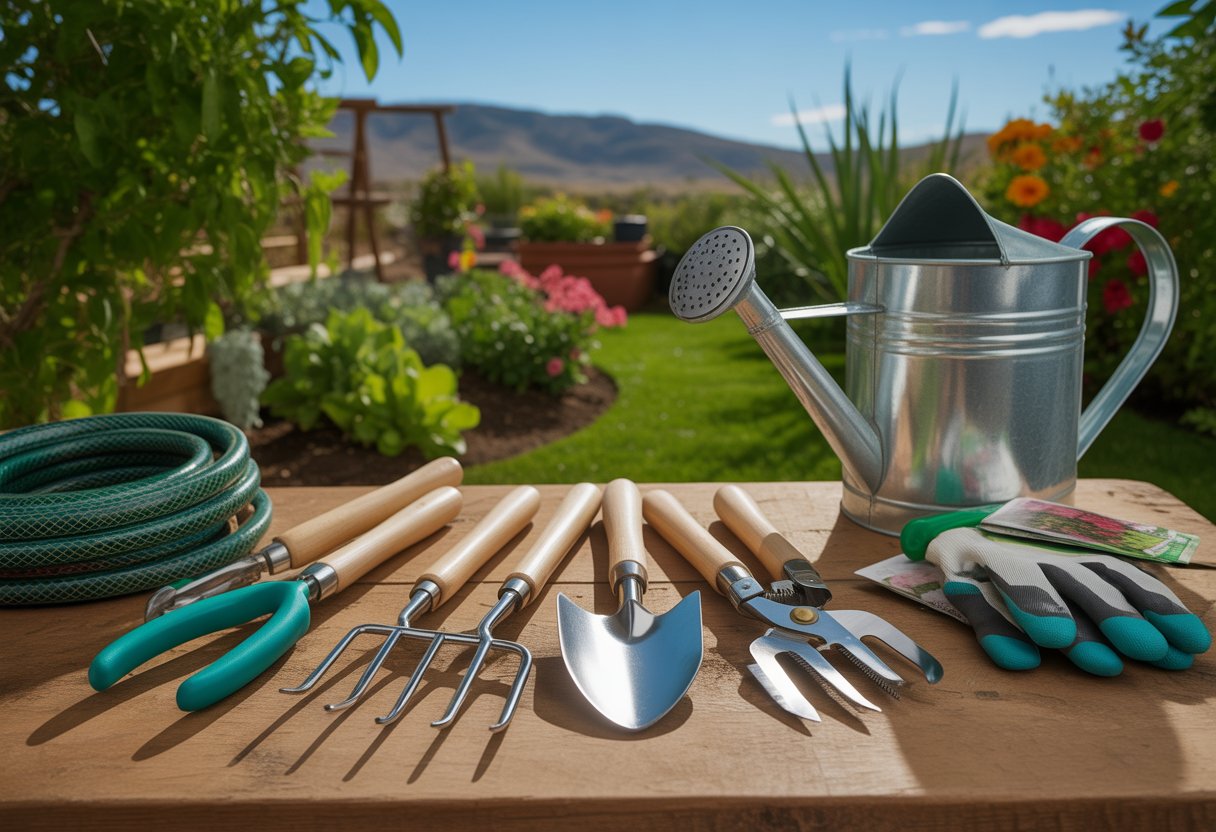
The essential tools every Colorado gardener needs include a sturdy trowel, a reliable watering system, and soil testing kits for optimal plant health. These tools help you tackle rocky soil, save water, and give your plants a fighting chance in Colorado’s unpredictable climate.
Don’t forget protective gloves and good pruners. Trust me, the right equipment makes a huge difference when you’re working in such a tough environment.
Essential Hand Tools for Every Colorado Gardener
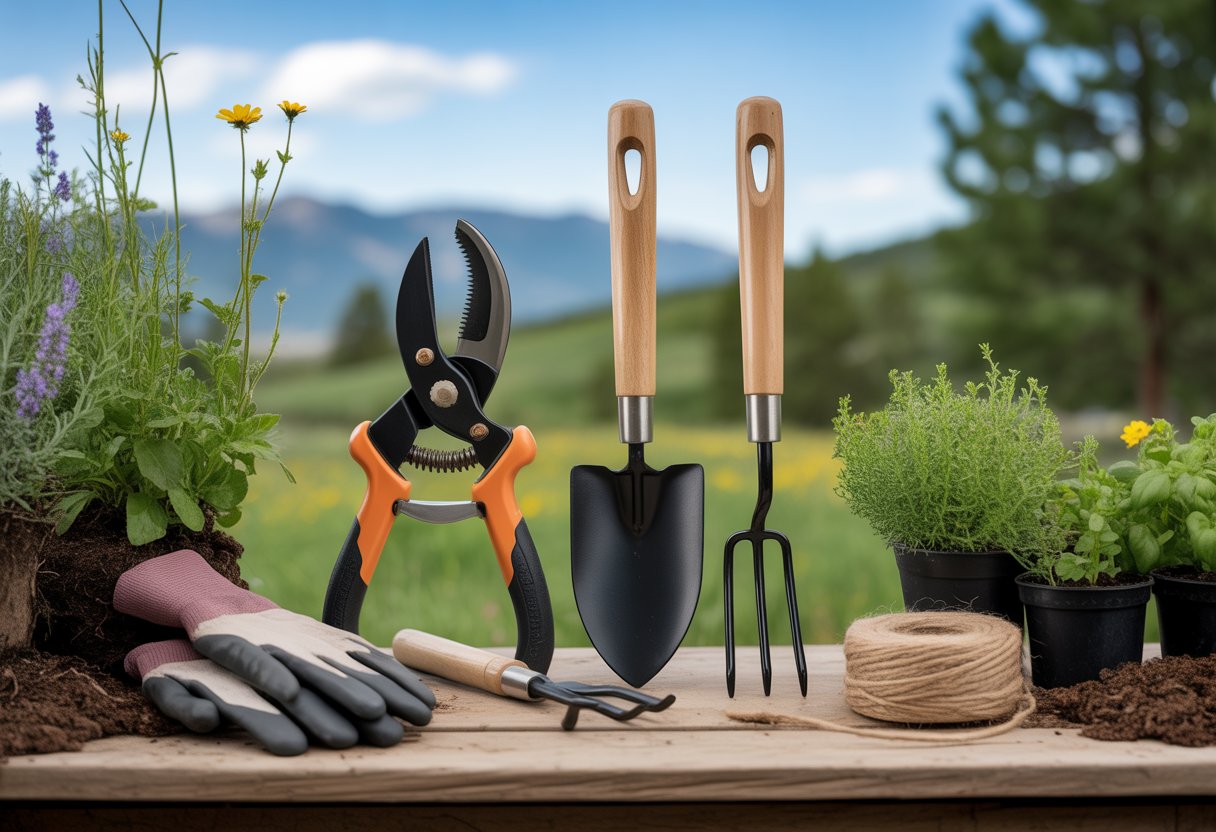
Colorado gardeners—myself included—need hand tools that can actually survive the state’s rocky soil and wild weather. You want tools that last, feel good in your hands, and do their job whether you’re pruning, digging, or just moving dirt around.
Choosing Quality Pruners
Sharp, rust-resistant pruners are a must. If you want fast, clean cuts, bypass pruners are the way to go; they work kind of like scissors and don’t crush branches.
Pick pruners with ergonomic handles—rubber or plastic is best—so your hands don’t get sore. Heavy-duty steel blades with a solid coating will outlast the cheap stuff.
You’ll want pruners that are easy to clean and sharpen. Spring-loaded ones make trimming a breeze, especially when you’ve got a lot to tackle.
Selecting the Right Shovel and Spade
A sturdy shovel is non-negotiable for digging in Colorado’s dense, rocky ground. Go for one with a reinforced steel blade—it’ll save you a world of frustration.
A spade with a straight, sharp edge comes in handy for edging and more precise digging. Hardwood or fiberglass handles strike a good balance between strength and comfort.
Handle length can make a bigger difference than you’d think. Long handles mean less back pain, but short handles give you more control in tight spots. Slip-resistant grips are a smart choice, especially if you’re working on uneven ground.
Effective Hoes and Rakes for Rocky Soil
You’ll need a hoe with a tough, sharp blade to break up soil and fight weeds. Adjustable handles let you get the leverage you need without killing your back.
Rakes should be sturdy enough to handle rocks and level out bumpy soil. Metal tines are less likely to bend, and a wider head means you’ll get done faster.
Both hoes and rakes with well-balanced, durable handles feel better in your hands and make it easier to work in Colorado’s challenging gardens.
Comfort and Safety in the Garden
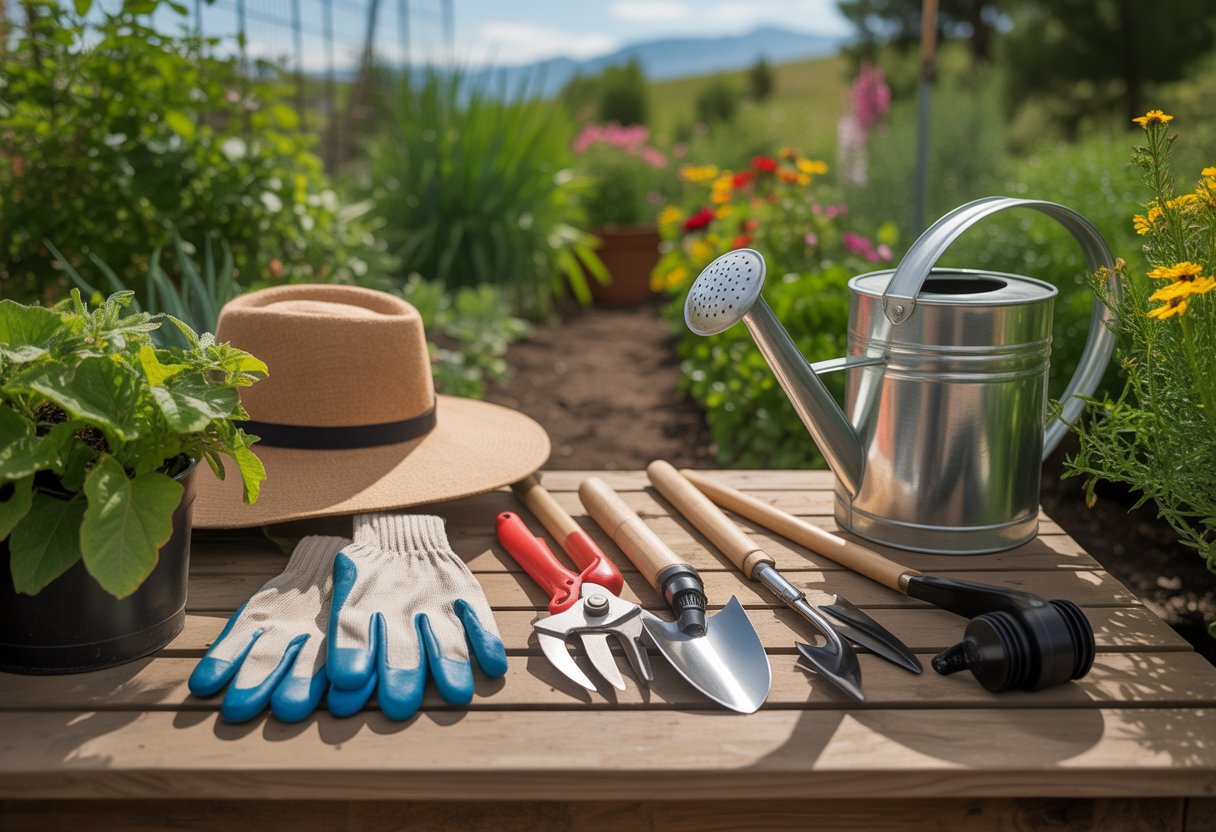
Let’s be honest, gardening isn’t much fun if you’re uncomfortable or getting scratched up. The right gear keeps you going longer and helps you avoid unnecessary aches and pains.
Protective Gardening Gloves
Good gloves shield your hands from thorns, dirt, and whatever else Colorado gardens throw at you. I like gloves made from tough leather or reinforced synthetics—they breathe better and hold up longer.
Snug cuffs keep out debris. Reinforced fingertips and padded palms help a lot with comfort and durability. Water-resistant gloves are handy for wet soil, but sometimes you just want something lightweight for delicate tasks.
Fit matters more than you’d think. Too tight, and you can’t move; too loose, and you lose your grip. Measure your hand before buying—it’s worth the extra minute.
Ergonomic Tools for Comfort and Fit
Ergonomic tools are a game-changer, especially when you’re working with Colorado’s stubborn earth. Cushioned, non-slip handles keep blisters away and improve your grip.
Handles shaped to fit your hand just feel better, and longer handles mean less bending. Lightweight materials like aluminum or fiberglass make the work less of a slog.
Grip size is one of those details people overlook. A medium grip—about 1 to 1.25 inches—works for most folks and gives you better control. Tools that fit your hand really do make a difference over a long day.
Watering and Soil Management Tools
Watering and soil tools aren’t optional in Colorado’s dry climate. The right setup helps you use water wisely and keep your soil in decent shape.
Selecting Watering Cans and Wands
Watering cans that hold 1 to 2 gallons are perfect for container gardening or small beds. You get more control and avoid overwatering. Metal or heavy-duty plastic cans last longer, especially when the sun’s beating down.
Watering wands help you reach deeper plants without stooping over. Adjustable spray heads are nice—sometimes you want a gentle shower, other times a focused stream. Aluminum wands with comfy grips are easier on your arms.
Both cans and wands should have fine rose attachments or adjustable nozzles. They help prevent soil from washing away and keep seedlings safe. Using these tools regularly promotes strong roots and saves water, which is always a win in Colorado.
Wheelbarrows for Transporting Materials
A sturdy wheelbarrow makes moving soil amendments like vermiculite and sphagnum moss way less of a hassle. These amendments help your soil hold water and breathe, which is huge in Colorado’s dry, sandy spots.
Steel wheelbarrows with pneumatic tires roll right over rocks and bumps. For most home gardens, a 6-cubic-foot model is plenty.
A wheelbarrow that turns easily and stays balanced can save your back when you’re hauling compost or mulch. Keep the wheel and frame in good shape, and your wheelbarrow will stick with you for years.
Supporting Healthy Colorado Gardens
Colorado gardens need a little extra help thanks to the region’s soil and climate. If you want your plants to thrive, you’ve got to pay attention to soil prep, nutrients, and turf care.
Trowels for Planting and Transplanting
A quality hand trowel is a must for precise planting and moving things around. Colorado’s rocky and clay-heavy soils are no joke, so get a trowel with a tough, rust-resistant blade.
You want a blade sharp enough to cut through tough soil, but small enough for delicate work. Ergonomic handles go a long way toward keeping your hands happy. A durable trowel will hold up even if you dig and replant a lot during the season.
Fertilizers and Soil Amendments
Colorado soils are often short on iron and other nutrients because they’re so alkaline. Fertilizers made for local soil conditions help your plants absorb what they need.
Soil testing tells you what’s missing—usually iron or nitrogen. Organic stuff like compost or aged manure can improve soil structure and help it hold water. For best results, apply amendments early in the season, before things really get growing.
Lawn Mowers for Turf Management
A reliable lawn mower really matters if you want to keep Colorado turf healthy. The state’s lawns deal with wild swings in moisture and temperature, so you’ve got to stay on your toes.
Choose a mower that lets you adjust the cutting height. Grass doesn’t grow the same way all year, and you’ll want to roll with those changes.
Gas or electric models with some real power behind them do a better job on Colorado’s tough grass. If you mow regularly, you’ll make it harder for weeds to take over and help your turf grow thicker.
Keep those blades sharp, too. Dull blades just rip at the grass, and that’s a quick way to end up with brown spots and disease.