
Drought Tolerant Native Plants South Dakota for Sustainable Landscaping and Water Conservation
Last updated: August 29, 2026
South Dakota’s climate often swings between dry spells and brief periods of rain. Drought tolerance really matters for anyone hoping to keep a garden alive here.
Drought tolerant native plants in South Dakota are adapted to survive with minimal water, providing reliable greenery without the need for constant irrigation. These native species support local ecosystems and don’t ask for much maintenance compared to non-native plants.
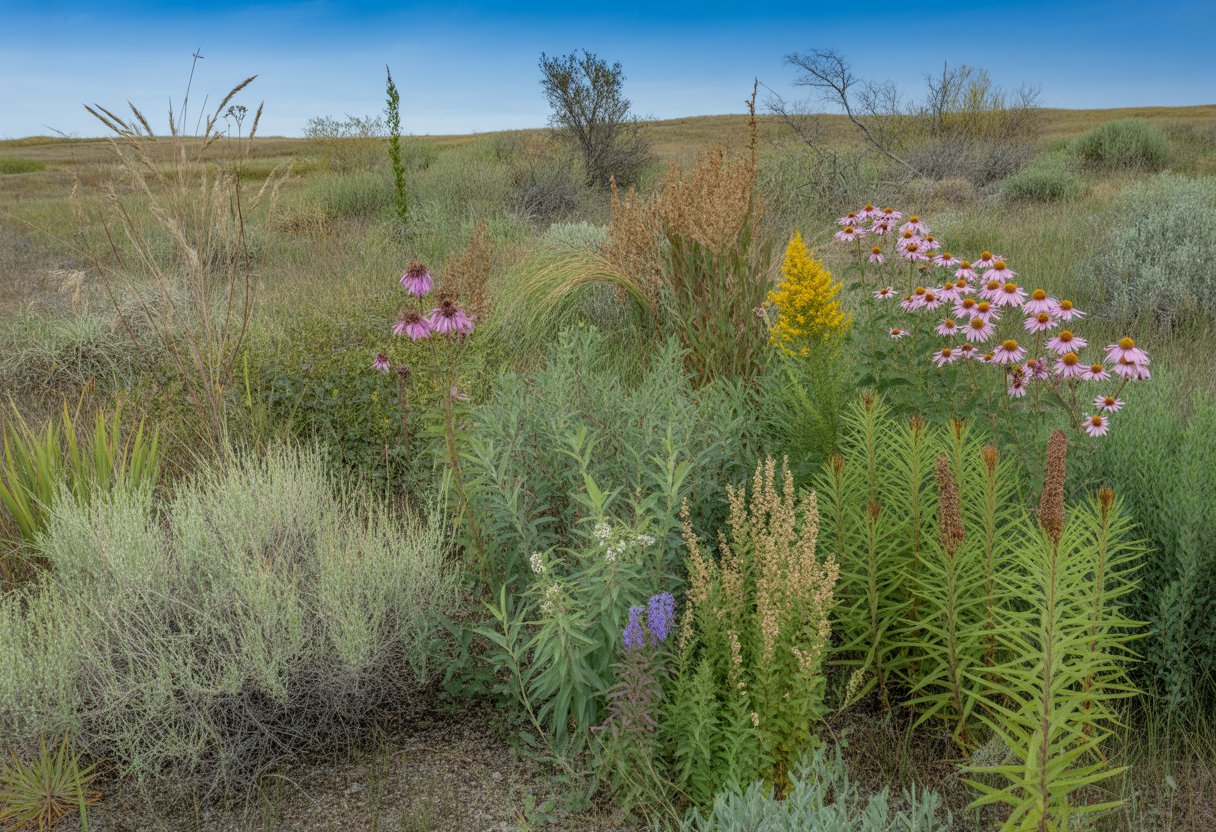
Gardeners and land managers get a lot out of picking native plants that already know how to handle the region’s soil and weather. Go for drought tolerant options like purple coneflower, little bluestem, and prairie sagebrush if you want to save water and keep things looking natural.
Learning about these species opens the door to more sustainable and resilient landscapes in South Dakota.
Key Drought Tolerant Native Plants of South Dakota
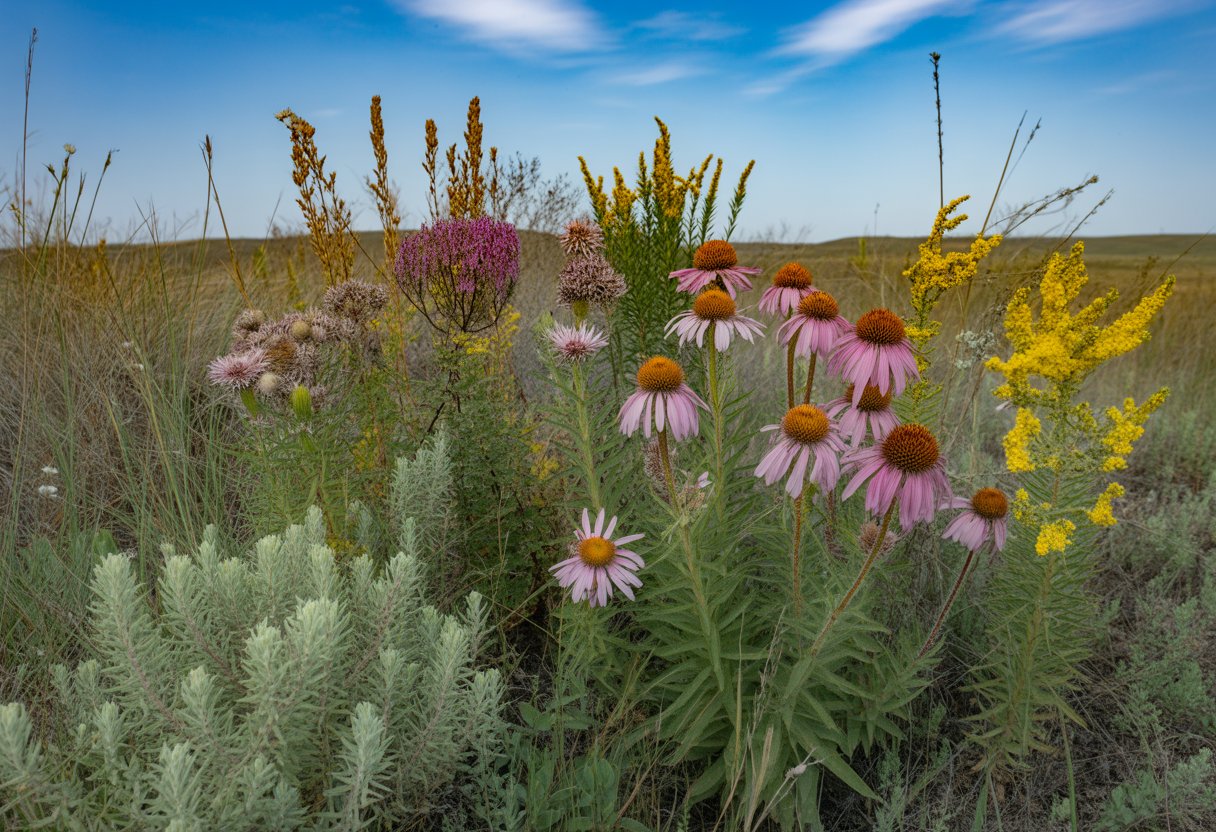
South Dakota’s drought-tolerant plants cover a broad mix—grasses, flowers, shrubs, even a few trees and ferns. Each group brings its own tricks for surviving dry soils and the region’s ever-changing prairies.
Grasses and Grass-like Species
Grasses really rule South Dakota’s dry landscapes, especially in the mixed-grass prairie. Big bluestem and other bluestem types do well in tallgrass prairies, their deep roots tapping moisture buried in well-drained soils.
Prairie sandreed loves sandy, dry spots and helps lock down the soil with its sprawling roots. Blue grama and needle-and-thread grass pop up in shortgrass prairie communities.
These grasses shrug off drought by losing less water and thriving even when the soil’s not exactly rich. Their root networks help keep soil in place and stay healthy, which is honestly pretty impressive.
Flowering Plants for Resilience
South Dakota’s prairies boast plenty of drought-tolerant flowering plants, especially in the Asteraceae family—think blazing star. These flowers handle dry, well-drained soils and boost biodiversity.
Lavender-like species and native asters dig deep with their roots, reaching water that’s out of reach for most. While blooming, they draw in pollinators that the prairie really depends on.
A lot of these flowers have small or fuzzy leaves to hold onto water. They also make the prairie look more interesting and help it bounce back after tough seasons.
Shrubs, Trees, and Ferns
Shrubs and trees in South Dakota’s driest spots have figured out how to survive with little water. Many send roots deep underground to find what they need.
Common shrubs thrive in well-drained soils and create homes for wildlife. Some ferns manage to adapt to dry corners, though you won’t see them as often as the grasses and flowers.
Certain oaks and plains cottonwood trees push roots down deep, riding out summer droughts. These trees fit right in with prairies and shrublands, stabilizing soil and offering a little shade when the sun gets relentless.
Ecological Benefits and Adaptations
Drought-tolerant native plants in South Dakota just get on with it, thriving in dry, well-drained soils. Their survival tricks shape fire patterns, support pollinators, and help plant communities hang together.
Drought Tolerance and Water Efficiency
Many native plants grow deep or wide-reaching roots to reach moisture where others can’t. Western wheatgrass and needlegrass, for example, send roots several feet down, surviving even the longest dry streaks.
They also cut down on water loss with waxy leaves, skinny shapes, or even going dormant when things get too harsh. These tweaks make them water-wise and quick to settle in tough spots.
Once established, these plants hold up pretty well, even when rain doesn’t show up for weeks. They don’t need much extra watering, which is honestly a relief for anyone tired of hauling hoses.
Wildlife and Pollinator Support
Native drought-tolerant plants give local wildlife and pollinators what they need. Purple coneflower and black-eyed Susan offer nectar and pollen that keep bees and butterflies going.
They also create shelter and nesting spots for small mammals and birds that are used to prairie life. These plants help animal populations stick around, even when water’s in short supply.
A lot of natives bloom at different times, so pollinators always have something to visit. This staggered blooming keeps things going after fires too, making sure resources don’t run out.
Soil, Root Systems, and Mulch
Native plant roots hold soil together, stopping erosion and letting water soak in better. Little bluestem, for example, grows fibrous roots that keep dry soils stable.
As roots and old leaves break down, they feed soil microbes and keep the ground healthy. Mulch from fallen stems and leaves helps lock in moisture and keeps the soil temperature more even.
Well-drained soils plus native mulch mean less water evaporates, so established plants don’t dry out as fast. This combo helps plant communities recover from drought and fire, which hit South Dakota pretty often.
Cultivating and Managing Native Gardens
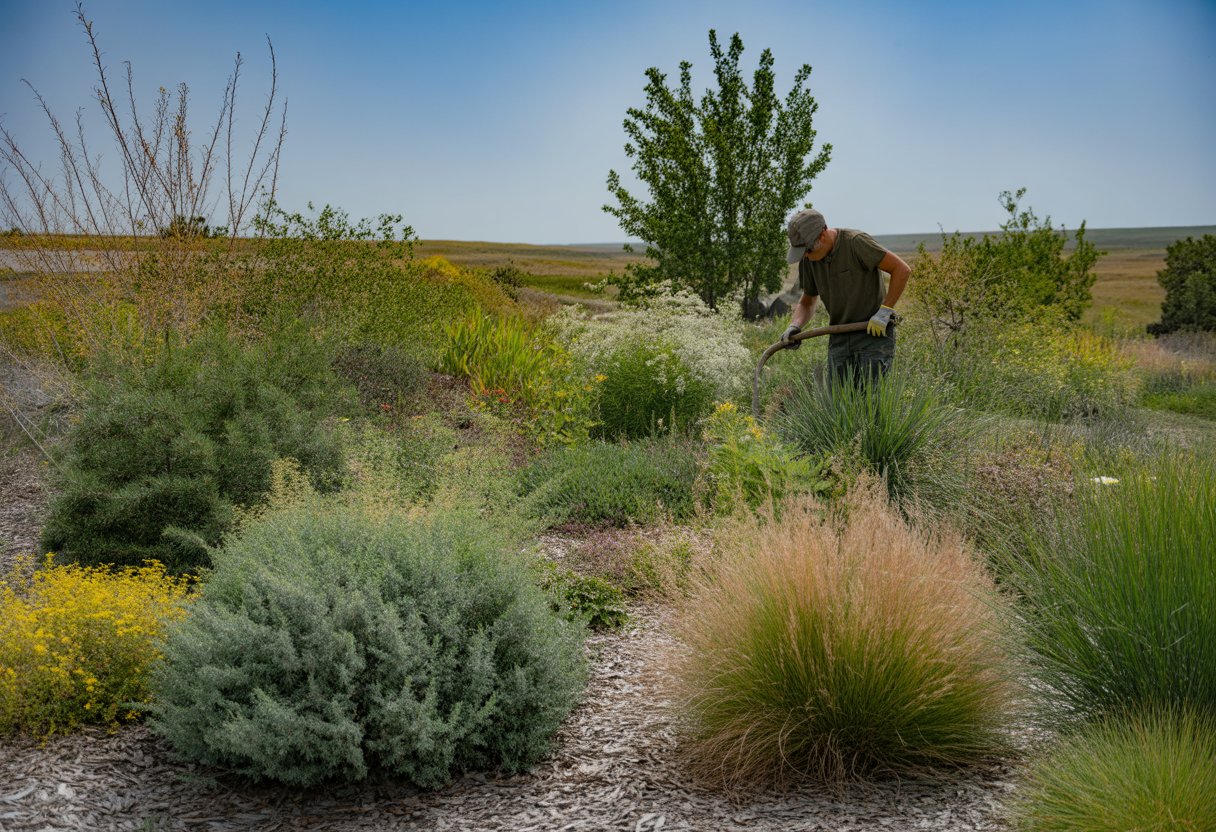
Getting a native garden going in South Dakota means paying attention to where you plant, how you plant, and what you do afterward. Soil, water, and fire all play a part in keeping these gardens healthy and legal, especially if you’re using native species.
Site Selection and Preparation
Pick a spot with well-drained soil—that’s non-negotiable if you want roots to stay healthy. Prairies and dry uplands in South Dakota make perfect homes for drought-tolerant natives.
Stay away from places that flood or sit in heavy shade. To prep, pull out invasive species and loosen the soil about 6-8 inches deep.
Most native plants don’t want a lot of fertilizer, so don’t go overboard. Check your soil’s pH and texture to match plants to the right spot.
Just a heads-up: double-check the legal status of any native species you’re working with, so you don’t accidentally disturb something protected.
Planting, Fertilization, and Maintenance
Plant seedlings or plugs in early spring or fall—less stress that way. Give them enough space so air can move and diseases don’t spread.
You usually won’t need much fertilizer for these plants. If your soil’s really poor, a little slow-release stuff can help, but skip heavy nitrogen.
Water deeply but not too often, so roots grow down instead of staying shallow. Mulch helps hold onto moisture.
Keep an eye out for invasive plants and pull them before they take over. That’s pretty much the secret to a healthy native garden.
Fire Effects and Conservation
Fire’s part of life for many South Dakota ecosystems. It helps knock back invasive plants and encourages native ones to bounce back.
If you’re thinking about prescribed burns, check local rules first. Fire can help keep plant diversity up by stopping woody plants from taking over and triggering seeds in fire-adapted species to sprout.
Balancing fire use with safety and legal stuff is key to keeping native gardens thriving.
Native Plant Distribution Across the Region
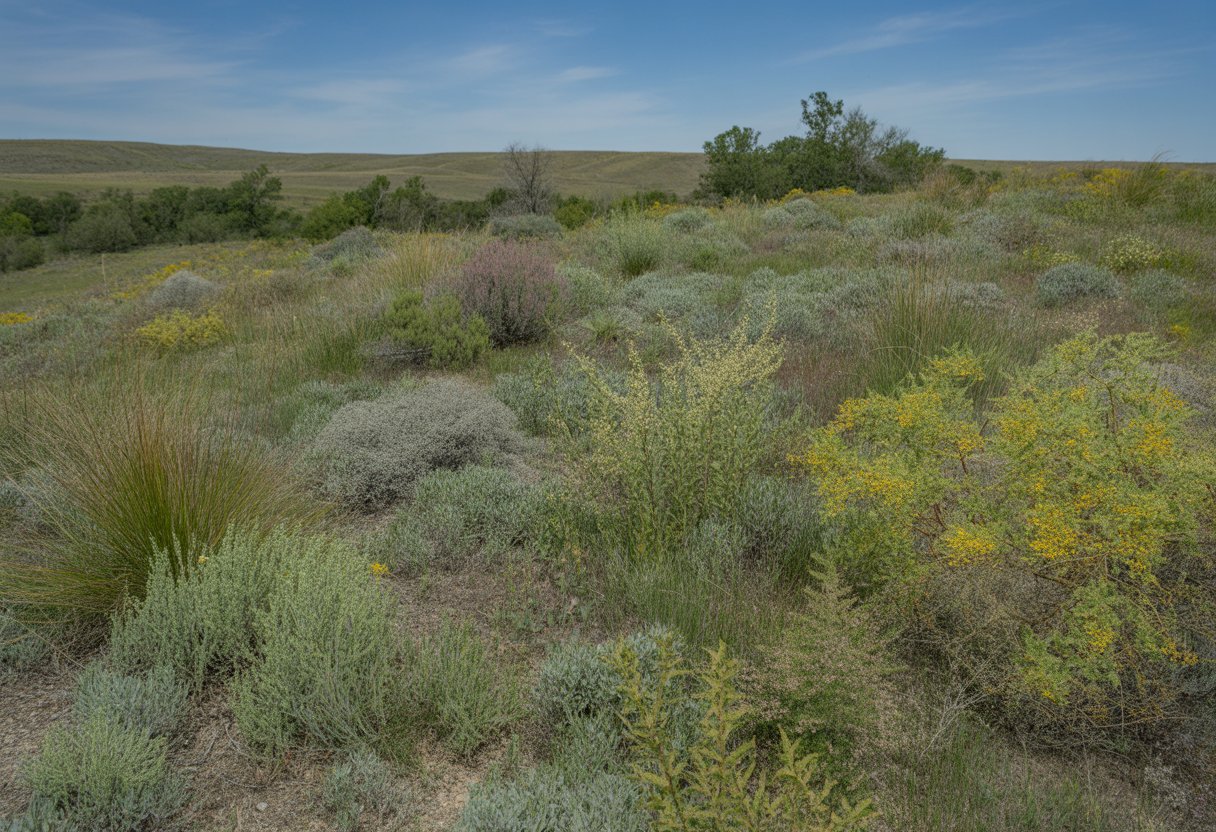
Drought-tolerant native plants in South Dakota aren’t just a local story. Their patterns stretch across borders, shaped by climate, soil, and ecosystem quirks from state to state.
Great Plains and Neighboring Regions
The Great Plains sweep from Canada through the central U.S., including South Dakota, North Dakota, Nebraska, Kansas, Iowa, and Missouri. This region supports native grasses like blue grama (Bouteloua gracilis) and big bluestem (Andropogon gerardii).
Drought resistance is a must here, thanks to unpredictable rain and hot summers. These plants dig deep, literally, and adapt to survive where water comes and goes.
You’ll see different mixes of species depending on whether the soil’s sandy, wet, or somewhere in between.
State and Provincial Contexts
South Dakota and its neighbors share similar prairie plant communities, especially in North Dakota and Nebraska. Eastern states like Iowa and Missouri lean more toward mixed hardwood forests, but even there, drought-tolerant natives find a niche.
Ontario, up north, still has drought-adapted plants in its prairie and savanna patches. Arkansas, further south, shows how drought-tolerant natives adjust to hotter, drier summers, shifting plant communities as rainfall patterns change.
Interior Ponderosa Pine Ecosystems
Western South Dakota has these Interior Ponderosa Pine ecosystems, and honestly, drought tolerance is pretty much a must here. The forests feel open, with just a scattering of understory plants—mostly grasses and a few tough shrubs that know how to deal with dry soil.
Ponderosa pine (Pinus ponderosa) handles drought like a champ. It thrives in well-drained, rocky soils, usually on hillsides that look like they barely hold enough water for anything green.
Plant communities in these pine forests don’t really match what you’ll find out on the prairie. Instead, you get species like little bluestem (Schizachyrium scoparium) and mountain mahogany (Cercocarpus montanus), both of them built for the semi-arid vibe that defines this ecosystem.
Start Your Drought-Tolerant Garden
The easiest way to start is with a mix of native grasses (like little bluestem and blue grama) as a foundation, then add flowering perennials for seasonal color. Plant in spring after the last frost, water deeply for the first growing season, and then step back — these plants know what they’re doing.
Source your plants from a nursery that grows regionally adapted native stock. Find a native plant nursery near you.
Related reading:

This is useful, thanks.