
Benefits of Planting Native Wild Bergamot for Pollinators and Soil Health
Last updated: September 15, 2026
Planting native wild bergamot brings real, hands-on benefits for both gardeners and the environment. It supports local wildlife by offering nectar for pollinators like bees and butterflies—creatures we genuinely need for healthy plant communities.
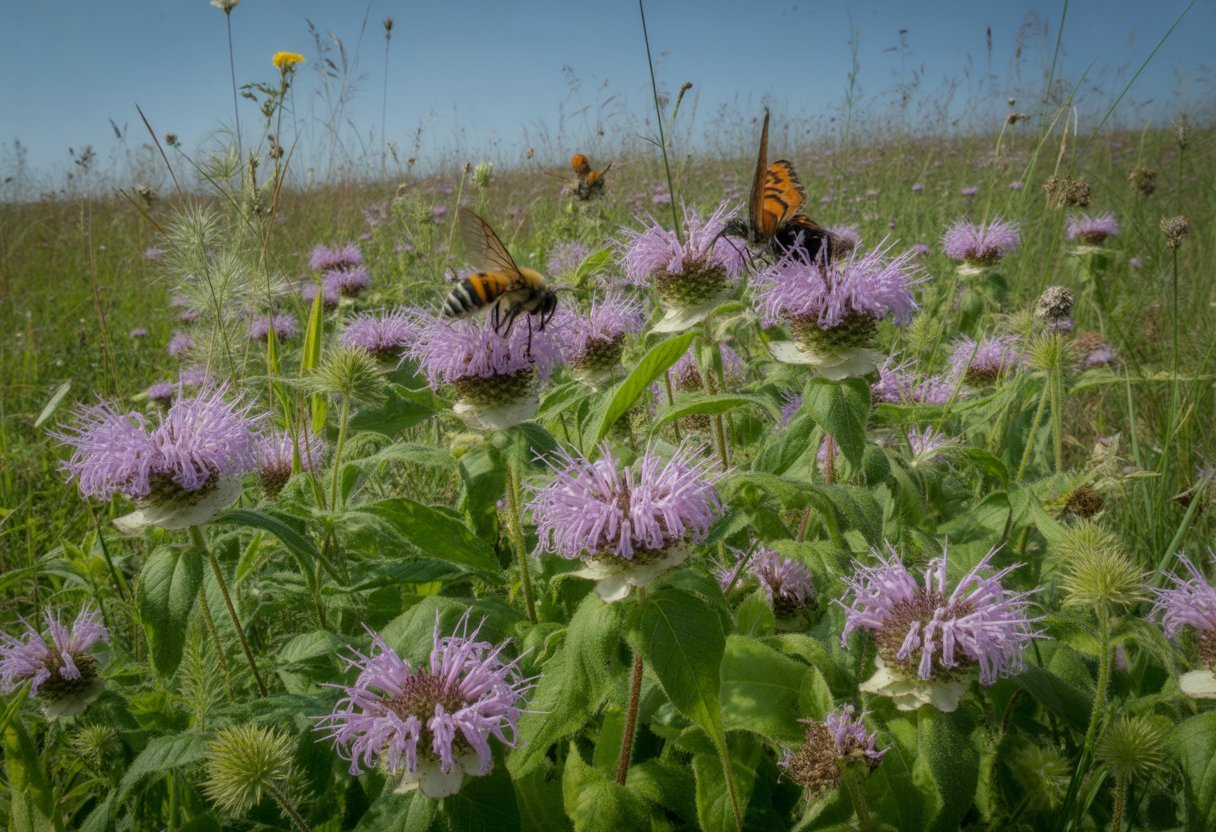
Wild bergamot doesn’t fuss much about where it grows. It can handle different soil types and doesn’t demand a ton of care, so it’s a solid choice for folks looking for low-maintenance, sustainable gardening.
And let’s be honest: those vibrant flowers and their sweet fragrance add a natural charm to any outdoor spot. It’s hard not to appreciate how it just brightens things up while helping the ecosystem.
Why Plant Native Wild Bergamot
Native wild bergamot, or Monarda fistulosa, brings a bunch of practical perks. It fits right into local ecosystems, handles the climate, and doesn’t ask for much attention—pretty ideal for most gardens or restoration projects.
Ecological Benefits
Wild bergamot gives native pollinators like bees, butterflies, and hummingbirds a reliable nectar source. Its purple, tubular blooms pull in all sorts of species, which helps boost biodiversity.
As a perennial herb in the mint family, it supports the life cycles of beneficial insects. That’s a plus for keeping balanced ecosystems.
Certain birds also find food and shelter in wild bergamot patches across many states. It’s just a plant that fits in—nothing flashy, but quietly important.
Adaptability to Local Environments
Monarda fistulosa grows naturally in prairies, meadows, and open woods across North America. It stands up well to both drought and cold, which is honestly impressive.
Its deep roots help keep soil in place and reach moisture that other plants might miss during dry spells. Wild bergamot likes well-drained, moderately fertile soils, but it’s not picky.
Since it’s native, the plant adapts easily without a lot of extra work. You won’t need to baby it like some non-native species.
Low Maintenance Requirements
Once wild bergamot settles in, it barely needs any fuss. It shrugs off most pests and diseases, probably because it’s been growing alongside local critters for ages.
As a perennial, it pops back up every year, so there’s no need to replant. After the first growing season, it doesn’t ask for much water, which is great for folks hoping to save on resources.
You can deadhead to stretch out the bloom season, but the plant knows how to take care of itself. It spreads just enough to stick around but won’t take over the yard.
Supporting Pollinators and Wildlife
Native wild bergamot is a real MVP when it comes to pollinators and wildlife. Its flowers offer steady nectar and pollen, keeping insect and bird populations healthy.
Attracting Bees and Butterflies
Bees and butterflies just can’t resist wild bergamot. The tubular flowers are perfect for long-tongued pollinators, letting them reach every last drop of nectar.
It blooms from mid to late summer, which is handy when other flowers are winding down. Bees gather pollen and nectar, and butterflies flock to the blooms for a meal.
You’ll probably notice more bumblebees, honeybees, monarchs, and swallowtails around when it’s in bloom. That’s a win for gardeners and anyone rooting for pollinator survival.
Birds and Hummingbirds in Your Garden
Birds—especially hummingbirds—are drawn to wild bergamot’s bright flowers. The shape and color make it easy for them to grab a quick snack.
Hummingbirds count on the plant for energy during migration and breeding. As they feed, they help pollinate the flowers.
The dense foliage offers shelter and sometimes nesting spots for small birds. It’s not just about food—the plant helps create a whole little ecosystem.
Pollinator Habitat Enhancement
Adding wild bergamot to your landscape helps fix the loss of pollinator habitats caused by urban sprawl and farming. It fits right into meadows, prairies, and woodlands, so it’s a natural pick for restoration projects.
With more wild bergamot around, bees, butterflies, and other pollinators find food and shelter. That helps the whole ecosystem bounce back.
The plant’s resistance to pests and its ability to handle local soils mean you won’t need chemicals. It teams up with other native plants, building a healthy, diverse community.
Gardening Advantages and Growing Conditions
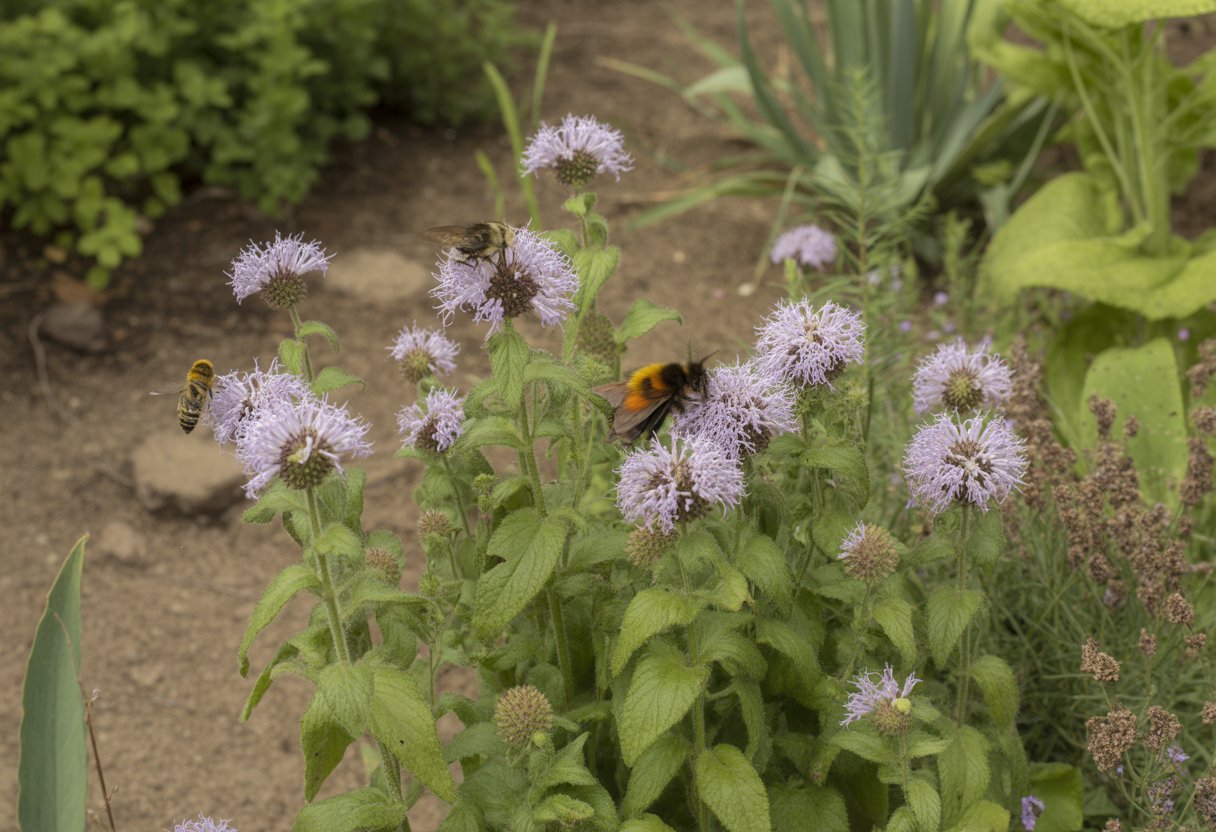
Wild bergamot does best when you know what it likes. Understanding its soil needs, sunlight, spacing, and natural defenses makes all the difference.
If you want to propagate and keep it thriving, a few simple tips go a long way.
Soil Preferences and Moisture Needs
Wild bergamot prefers medium to well-drained soil, but honestly, it’s not too picky. It can handle clay, sand, and loam just fine.
It does best in soil that stays moderately moist but doesn’t get soggy. Compost helps boost fertility and drainage, so it’s worth adding if you can.
Once it’s established, the plant handles some drought, but it looks its best with steady moisture. Aim for slightly acidic to neutral soil—pH 6.0 to 7.0 is ideal.
If your soil is super dry or compacted, growth might lag. But for most average gardens with good drainage, wild bergamot adapts easily.
Sunlight, Spacing, and Height
Wild bergamot really loves full sun to partial shade. Give it at least 6 hours of sunlight a day for the best blooms.
Space plants about 18 to 24 inches apart. That way, air can move around them, which keeps diseases down and stops them from fighting over nutrients.
Height varies—expect anywhere from 2 to 4 feet tall. In windy spots, taller plants might need a little support. With the right space and sun, they’ll grow strong and flower like champs.
Deer Resistance and Disease Tolerance
Deer usually leave wild bergamot alone thanks to its aromatic leaves. If you’ve got deer problems, this plant is a safe bet.
It generally shrugs off most garden diseases. Powdery mildew can show up in humid or crowded spots, but if you give it room and keep the air moving, it’s rarely a big deal.
You won’t need to reach for chemicals—wild bergamot’s natural resistance makes it a solid pick for organic gardens.
Propagation and Care Tips
You can grow wild bergamot from seeds or by dividing mature plants. Start seeds indoors or sow them outside in early spring.
Division works best in early spring or fall—just split up the roots and replant. This keeps plants vigorous and gives older patches a fresh start.
Deadhead flowers to keep blooms coming. If you cut the plant back after its first bloom, you might get a second round of flowers.
Mulch helps lock in soil moisture and keeps roots cool. It’s simple stuff, but it makes a real difference.
Culinary, Medicinal, and Aromatic Uses
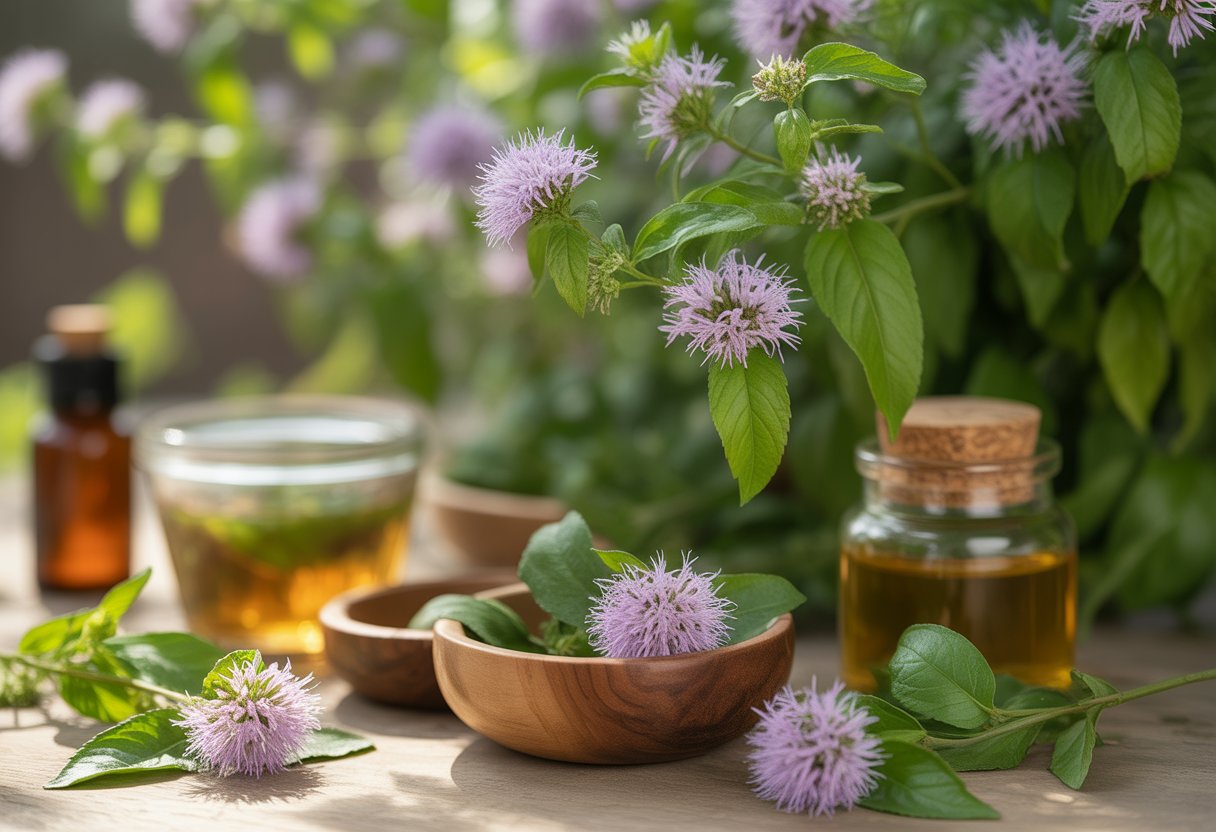
Wild bergamot (Monarda didyma) isn’t just for the garden. People use it for culinary, medicinal, and aromatic purposes—and honestly, it’s kind of underrated in the kitchen.
Herbal Teas and Culinary Applications
The leaves and flowers make a great herbal tea, sometimes called Oswego tea. The flavor is a bit minty, thanks to thymol, and it’s caffeine-free—a nice change from regular tea.
You can add honey or lemon for a twist, or just enjoy it plain. Wild bergamot leaves also work in recipes, bringing a fresh, citrusy note to root veggies like potatoes and shallots.
Sometimes folks toss the blooms into salads or use them to flavor syrups and desserts. It’s a subtle touch, but it makes meals feel special.
Traditional and Medicinal Benefits
Wild bergamot has a long track record as a traditional remedy for things like fever and headaches. Its antimicrobial properties—again, that’s thymol at work—help fight off certain bacteria and fungi.
Native Americans used it for colds and respiratory issues, either by inhaling steam or applying it to the skin. The herb has some medicinal value with mild anti-inflammatory and pain-relieving effects.
There aren’t a ton of scientific studies yet, so it’s smart to use it with a little caution. Still, its history in folk medicine says a lot about its usefulness.
Fragrance, Essential Oils, and Ornamental Value
Lavender flowers burst into bloom in July, painting gardens with color and drawing in pollinators. Their fragrance stands out—sweet, herbal, and almost impossible to ignore.
Wild bergamot essential oils bring a fresh, minty scent with a hint of citrus. People often use these oils in natural perfumes and for aromatherapy.
The plant’s leaves add another layer, releasing a gentle aroma that lingers outdoors well into fall. Honestly, it’s hard not to appreciate the way this herb elevates a garden, both in scent and style.
Wish I’d found this before I made some mistakes last season. Live and learn I guess!
Thank you for reading, Sarah! Happy planting! -Plant Native Team