Native Lupine for Washington: Ideal Planting and Growth Guide
Last updated: September 28, 2026
Native lupine pops up all over Washington. People love it for its looks, but it’s also a champion at making soil richer.
It does best in well-drained spots and brings in bees and butterflies, which is a nice bonus. Washington’s native lupine stands out as a resilient and beneficial plant well-suited for landscaping and restoration projects in the region.
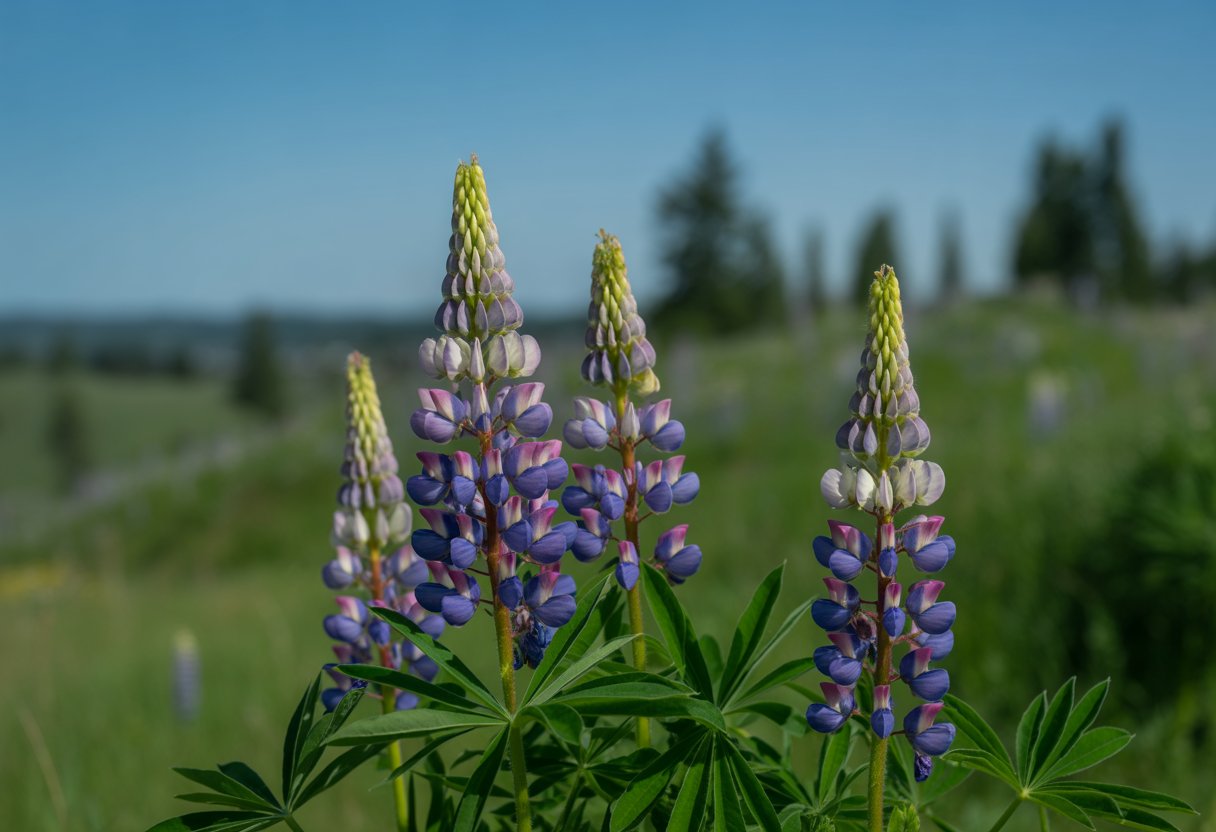
This wildflower sits among a whole cast of native plants that get along with Washington’s climate and soil. It boosts nitrogen in the dirt, so gardeners and conservationists both have good reasons to use it.
If you want to keep habitats healthy in the Pacific Northwest, learning to spot and grow native lupine helps a lot.
Washington’s lupine has an edge thanks to how well it fits local needs and its role in the region’s natural systems. Whether you’re seeding a meadow or patching up a pollinator garden, lupine gives you a sustainable choice that’s tied to the state’s wild side.
Overview of Native Lupine Species in Washington
You’ll find several lupine species growing across Washington. They come in different shapes and colors, and each one fits into its ecosystem in its own way.
These species don’t just look different—they bloom at different times and live in different places. Knowing the basics about each kind helps you spot their role in the wild.
Taxonomy and Common Names
Washington’s native lupines belong to the Lupinus genus, which sits in the Fabaceae family. Folks usually just call them “lupine” or “lupin.”
Lupinus polyphyllus (blue lupine) is a familiar sight and calls Washington home. Lupinus lepidus (dwarf lupine) hangs out mostly in the mountains.
Lupinus perennis (wild lupine) actually comes from eastern North America, so you won’t see it much in Washington. Most names, like blue or dwarf lupine, come from the way the plant looks or grows.
You can often tell them apart by checking the leaves and the color of the flowers.
Distribution and Occurrence
Native lupines show up in all sorts of places—coastal bluffs, grasslands, even forests in the mountains.
Lupinus polyphyllus spreads out in moist meadows and open woods, mostly west of the Cascades. Lupinus lepidus sticks to higher ground, especially above the tree line east of the Cascades.
Soil and drainage matter a lot—most species like sandy or rocky ground that doesn’t stay soggy. They pull in pollinators and wildlife, weaving themselves into Washington’s wild web.
Varieties and Botanical Characteristics
Washington’s lupines don’t all look the same. Their leaves usually have 9 to 17 skinny, sometimes fuzzy, leaflets spread out like fingers.
Flowers grow in tight, tall clusters, shaped like little peas. Most are blue or purple, but you’ll spot some white or pink blooms here and there.
Those flower shapes seem to be bee magnets. Some lupines crawl low to the ground, while others shoot up to three feet.
The seed pods split open when they’re ready, tossing seeds out to start the cycle again.
Habitat and Ecological Relationships
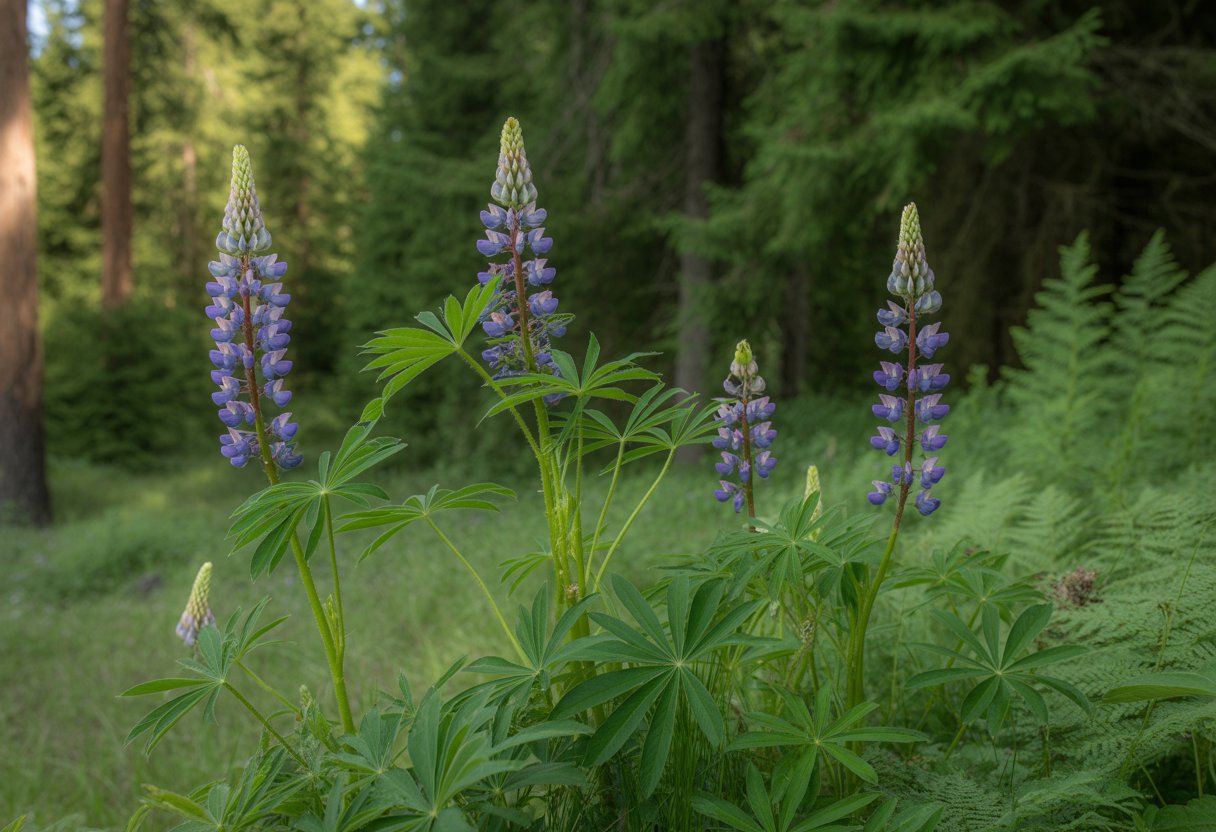
Lupine doesn’t just grow anywhere—it needs the right mix of soil, sunlight, and neighbors. Its role in the ecosystem depends on where it lands and who’s around.
Habitat Types and Plant Communities
You’ll find native lupine in open grasslands, prairies, and dry, sandy slopes. These spots are common in Washington’s lowlands and foothills.
Lupine often grows alongside native grasses, asters, and a bunch of other wildflowers.
It’s a big deal for pollinators and wildlife, including the rare Karner blue butterfly, which relies on lupine as a food source for its caterpillars. Full sun is best, but it can handle a bit of shade if things aren’t too crowded.
Soil Preferences and Growth Requirements
Lupine likes its soil sandy or rocky and not too rich. It actually does better where the dirt isn’t packed with nutrients.
Because it fixes nitrogen, lupine helps out its plant neighbors by making the soil better for everyone. It prefers soil that’s slightly acidic or neutral.
Good drainage is a must—roots rot if things stay wet for too long, so sandy soil wins.
Ecological Characteristics and Associations
Lupine’s superpower is fixing nitrogen, which keeps the ecosystem’s nutrients cycling. Bees and butterflies flock to its flowers, keeping the pollinator scene lively.
When it grows with asters and other prairie plants, it helps build up a balanced habitat. The Karner blue butterfly especially depends on it—just another sign of how important lupine is in Washington’s wild places.
Conservation, Management, and Fire Ecology
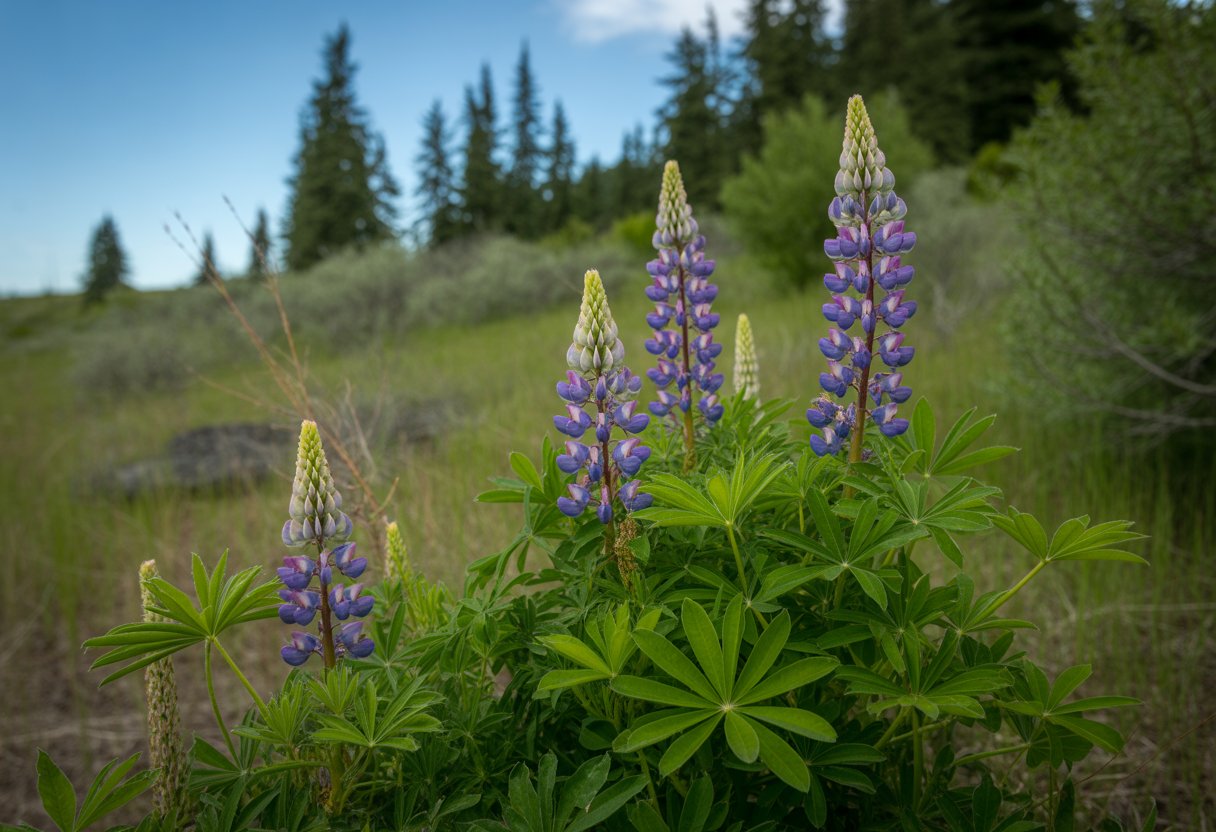
Caring for native lupine in Washington means paying attention to fire and legal protections. Fire can help or hurt, depending on how it’s managed.
Fire Ecology and Management Considerations
Most native lupines have underground buds that let them bounce back after mild fires. A good burn can clear out competition and help lupine seedlings get started.
But if a fire gets too hot, it can wreck the roots and wipe out whole patches. If you’re planning a controlled burn, keep it moderate—too much heat and the underground parts can’t recover.
Sometimes, you might need to reseed after a fire if not enough plants come back on their own. Watch how often fires happen—if they’re too close together, the seed bank runs out and lupine populations drop.
Legal Status and Conservation Efforts
Some native lupine species in Washington now have federal or state protection because their habitats are shrinking. The U.S. Fish and Wildlife Service keeps an eye on a few, and state agencies sometimes list them as sensitive or threatened.
Conservation work focuses on preserving habitat, fighting off invasive plants, and figuring out how fire affects lupine. Agencies at all levels need to work together, and getting the word out to the public helps too.
When landowners pitch in, it makes a real difference for lupine’s future.
Propagation and Gardening With Native Lupine
If you want to grow native lupine, starting from seed works best. Timing and soil prep make all the difference.
Seed Germination and Planting
Lupine seeds have a tough coat, so you’ve got to scarify them first. Rubbing them with sandpaper or soaking them in warm water for 12–24 hours usually does the trick.
Plant seeds in early spring—either straight in the ground or in trays. Aim for soil that drains well and sits between pH 6.0 and 7.0.
If the soil stays around 65–70°F, you’ll see sprouts in 10–20 days. In places like Seattle, direct sowing usually works out great.
Once they pop up, keep seedlings moist but don’t drown them. Snapping photos of your seedlings can help you keep track and spot healthy plants early on.
Cultivation in Gardens and Landscapes
Native lupine really likes full sun to partial shade. It handles poorer soils pretty well after it settles in.
Pick a spot with good air movement—this helps keep disease at bay. It’s drought-tolerant, though a little water during dry spells doesn’t hurt.
Don’t go wild with fertilizer; too much can actually mean fewer flowers. Lupine adds nitrogen to the soil through its roots, which is a nice boost for other plants nearby. Soil health gets a little upgrade thanks to that.
If you keep deadheading, you’ll get more blooms for longer. Watch out for slugs and aphids; they’re the main troublemakers.
A layer of mulch helps the soil hold moisture and keeps the temperature more even around the roots.