Best Soil for Blazing Star Growth Explained for Optimal Plant Health
Last updated: September 8, 2026
Blazing star, also called liatris or gayfeather, does best in well-drained soils that mimic its native prairie home. The best soil for blazing star growth is sandy or loamy with solid drainage and moderate fertility—skip heavy clay or overly rich mixes.
These conditions help the liatris genus, including favorites like prairie blazing star and dense blazing star, really take off.
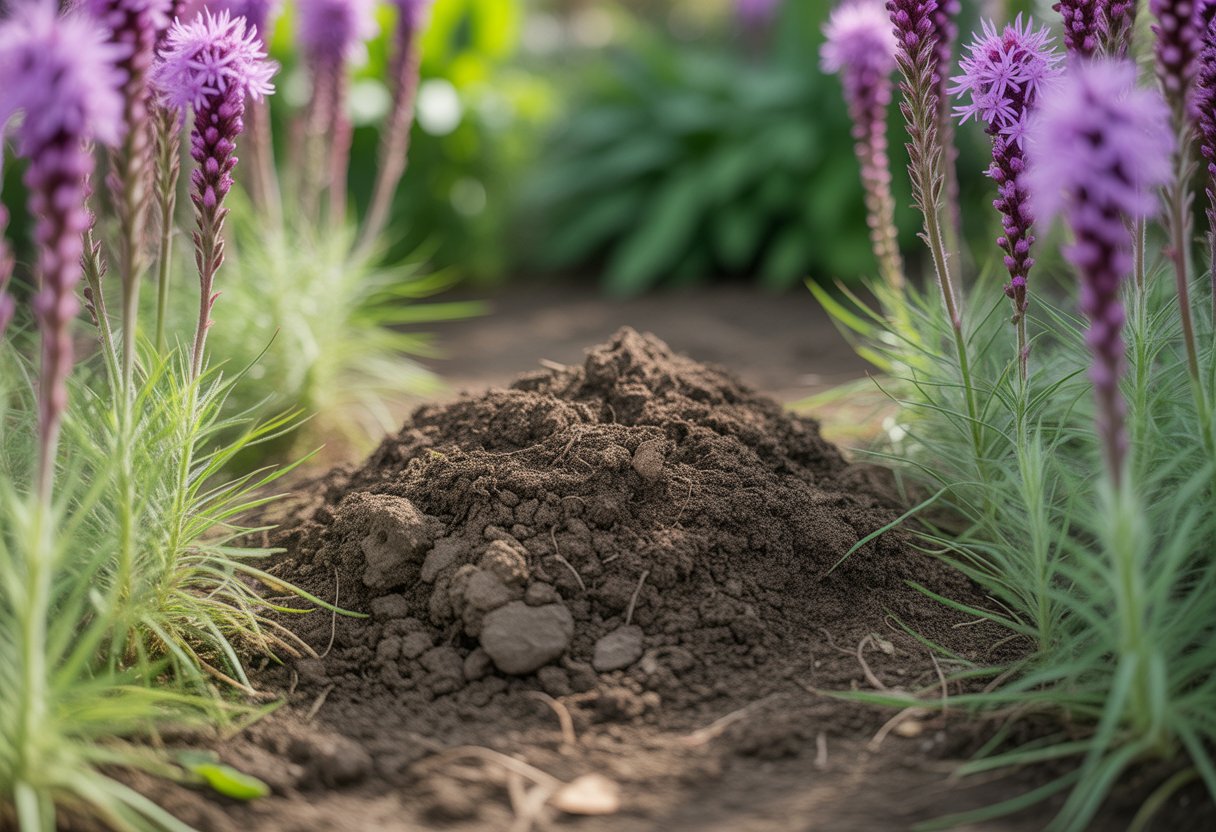
As a herbaceous perennial wildflower, blazing star adapts well to soils found in native plant communities. It likes soil that doesn’t hang onto too much moisture—nobody wants root rot, right?
Gardeners who care about sustainable landscaping will want to get the soil right for these prairie perennials.
Essential Soil Requirements for Optimal Blazing Star Growth
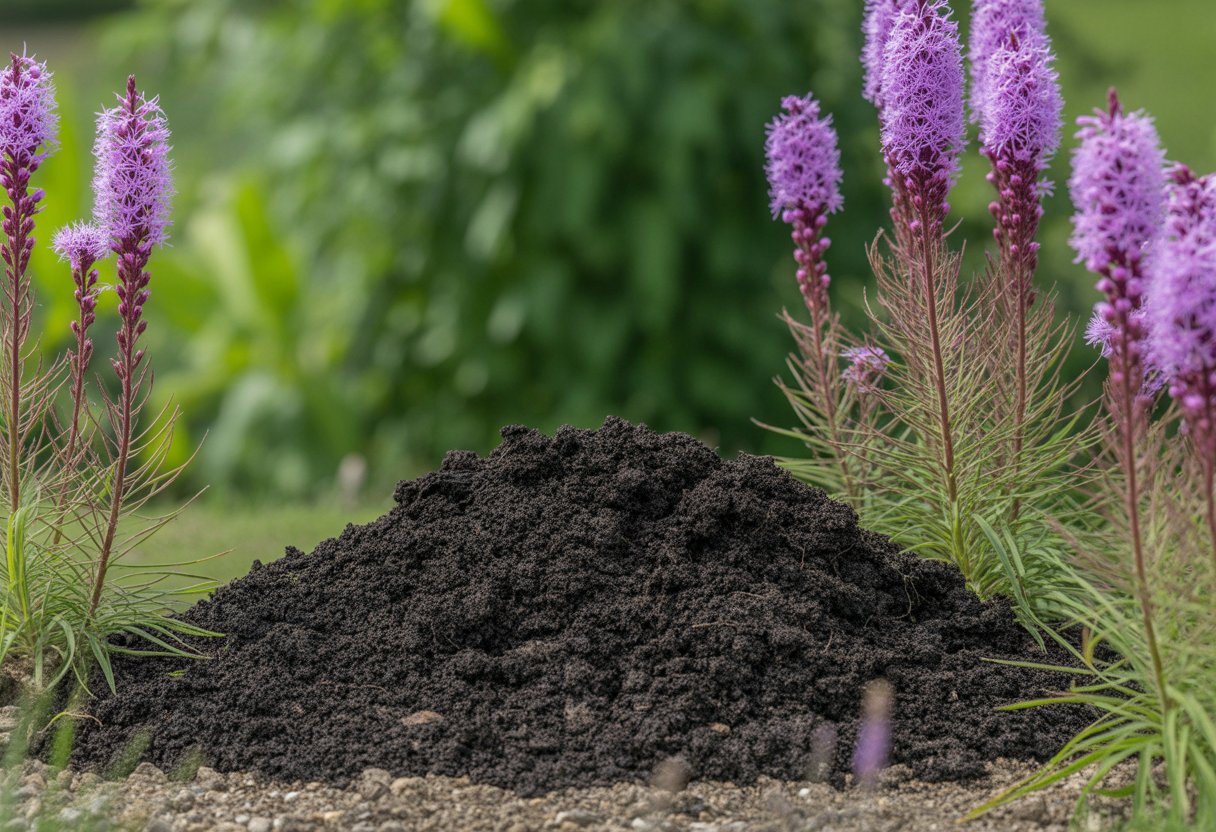
Blazing star species like Liatris spicata and Liatris pycnostachya really thrive when you nail the soil conditions. They love well-draining textures, balanced pH, and enough air movement to keep root problems at bay.
Ideal Soil Type and Texture
Blazing stars want loamy or sandy soils—good drainage, but not so fast that everything dries out. These soils feel like home to wildflower meadow species like prairie gayfeather and kansas gayfeather.
Rocky soils and sandy loams work too, since they keep roots from sitting in water. Heavy clay? Not so much, unless you’re willing to mix in organic stuff to help it drain.
Roots need to move easily through the soil, so texture matters for strong growth and flowering. If you’re into cottage gardens with native plants, try mixing in sand or fine gravel.
Soil pH and Nutrient Needs
Liatris does best in slightly acidic to neutral soil—somewhere between 6.0 and 7.0 pH. This sweet spot keeps nutrients available and avoids the pitfalls of too much alkalinity.
These prairie plants don’t want a feast. Skip the rich soils. A balanced nutrient profile with enough phosphorus helps with flowering, while too much nitrogen just gives you floppy leaves.
A little slow-release fertilizer or compost now and then is plenty. No need to go overboard and risk burning roots.
Drainage and Air Circulation
Blazing stars hate soggy feet. Good drainage is a must to keep root rot away.
Water should move through fast enough to avoid puddles but still leave some moisture when it’s dry. Roots and crowns need air, especially in humid summers or during heavy rain.
Raised beds or mounds can help with both drainage and airflow. That’s a trick that works well for prairie gayfeather and its relatives.
Blazing Star Planting and Care Guide

Getting blazing star off to a strong start means picking the right spot, watering smart, and knowing a bit about propagation. These steps keep the blooms coming and make the pollinators happy.
Selecting the Right Location
Blazing star wants full sun—give it at least 6 to 8 hours a day. Well-drained soil is non-negotiable to keep roots healthy.
Spring is the best time to plant, after frost risk is gone. This gives the plant time to settle in before summer heat.
Good air flow helps avoid disease. If you’ve got a tall variety like ‘Floristan Violet,’ you might need to stake it so the stems don’t flop over.
It’s drought-tolerant, but don’t put it somewhere that stays wet.
Watering and Moisture Management
When you first plant blazing star, keep the water coming regularly. Once it’s mature, it handles dry spells just fine.
Water deeply but not too often, and let the soil dry out between drinks. Mulch helps hold in moisture and keeps weeds down, but don’t overdo it.
Deadheading spent flowers means you’ll get longer blooms and fewer unwanted seedlings. As the season winds down, start watering less to help the plant get ready for dormancy.
Propagation and Cultivar Selection
You’ll get the best results by dividing corms in early spring or fall. This keeps the plants vigorous and helps fill out the garden.
Plant corms 2 to 4 inches deep in well-drained soil. There are plenty of cultivars to choose from—‘Floristan Violet’ is a standout for its deep purple flowers and easy-going nature.
Pick cultivars that match your climate, soil, and color preferences. Growing from seed is possible, but it’s slow; expect to wait a year for flowers.
Dividing every 3-4 years avoids overcrowding and keeps blooms coming.
Supporting Healthy Blazing Star Blooms and Growth
Keeping blazing star healthy isn’t complicated, but a little attention goes a long way. The right care means strong blooms and fewer pest or disease headaches.
Encouraging Vigorous Flowering
For the best flowers, blazing star needs full sun and well-drained soil with some organic matter. Consistent moisture helps, but don’t let things get soggy.
Deadhead faded blooms to stretch out the flowering season. Go easy on the fertilizer—too much nitrogen just makes the plants floppy.
Blazing star draws in monarchs, swallowtails, and other pollinators. Plus, deer usually leave it alone, so it’s a solid pick for low-maintenance color in the garden.
Managing Common Pests and Diseases
Blazing star usually shrugs off trouble, but powdery mildew and fungal issues sometimes pop up. Pull off any affected leaves to slow the spread.
Watch for aphids and spider mites—they can sap the plant’s energy and mess up the flowers. Treat early with insecticidal soap or neem oil.
If problems stick around, don’t be shy about asking a plant expert. Good air flow and watering at the base (not overhead) help keep diseases away.
Uses, Symbolism, and Landscape Integration

Blazing star brings both beauty and meaning to garden spaces. It’s practical, striking, and fits nicely into native plant designs.
Landscaping with Blazing Star
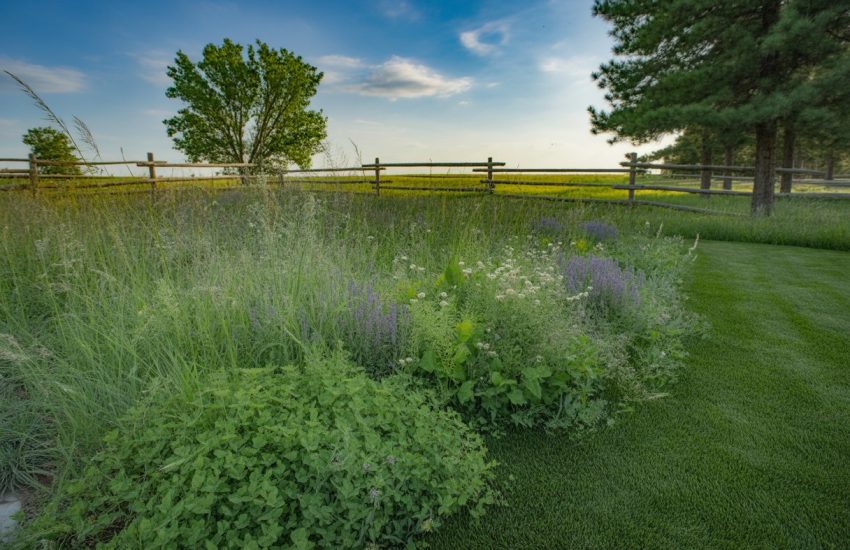
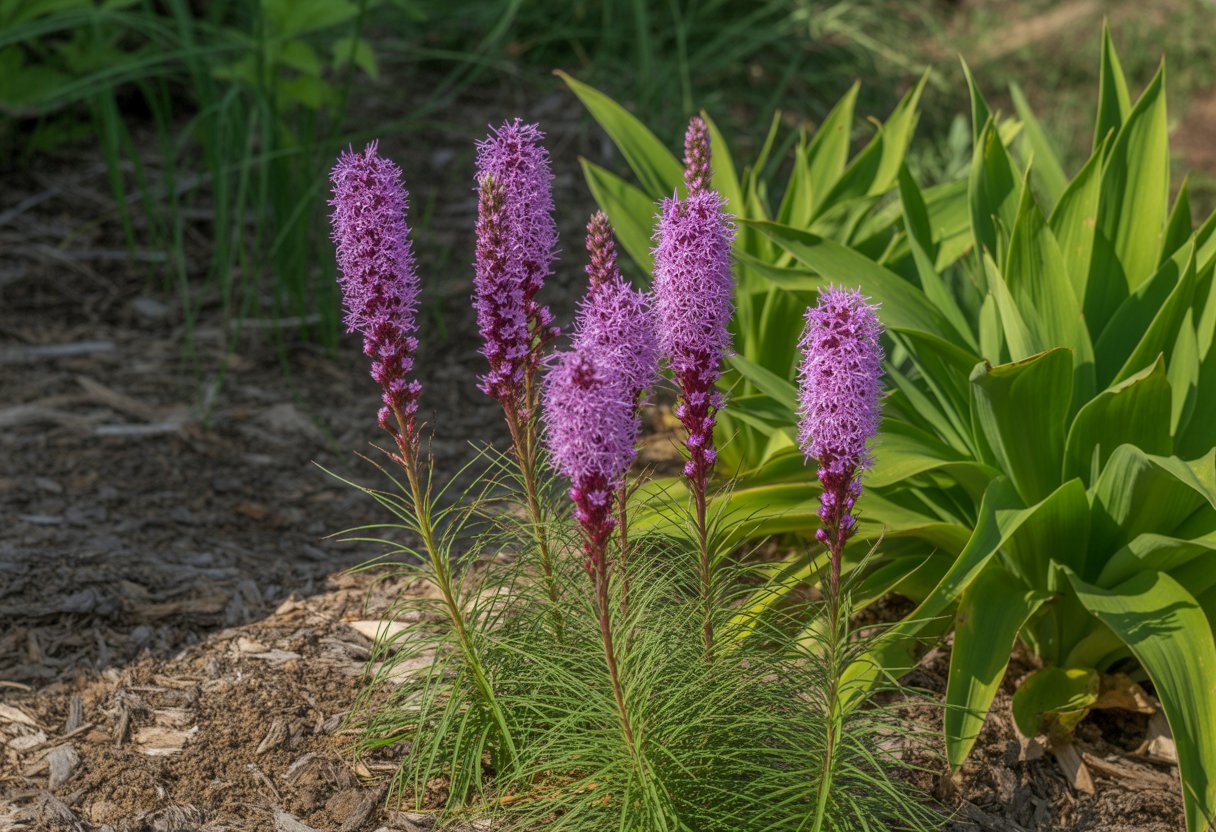
Blazing star, with its grass-like leaves and tall spikes, works well in prairie gardens, wildflower meadows, and native plant borders.
The flowers add height and drama, pairing nicely with lower prairie plants and wildflowers. It’s happiest in well-drained soil and full sun, making it a great fit for cottage gardens that favor natives.
Mixing blazing star with ornamental grasses gives a wild, natural look and helps pollinators too. It doesn’t mind poor soil or drought, so it’s a good choice for sustainable landscapes.
It’s easy to spot—tall stems and cylindrical flower spikes set it apart from lookalikes. That makes it handy for educational native plantings, too.
Significance and Safety
Blazing star stands out for its strength and resilience. Its tough, upright stems catch the eye and seem to say, “I’m not going anywhere.” In symbolism, people often see it as a sign of endurance or the quiet beauty found in native landscapes.
It doesn’t really pose a toxicity risk. Kids and pets can be around it safely, though it’s not something you’d want to eat. Touching the plant usually doesn’t cause irritation, but if you’re sensitive, maybe just keep an eye out.
Blazing star’s roots in local ecosystems give a boost to wildlife, especially pollinators. Knowing it’s non-toxic makes it an easy pick for family gardens.
 Looking for a nursery that carries native plants?
Browse our native plant nursery directory