
Benefits of Planting Native Native Plant for Ecosystem Health and Sustainability
Last updated: August 30, 2026
Planting native plants really brings both environmental and practical perks. They need less water, fertilizer, and maintenance than non-native species.
Native plants support local wildlife by providing food and habitat essential for pollinators, birds, and insects.
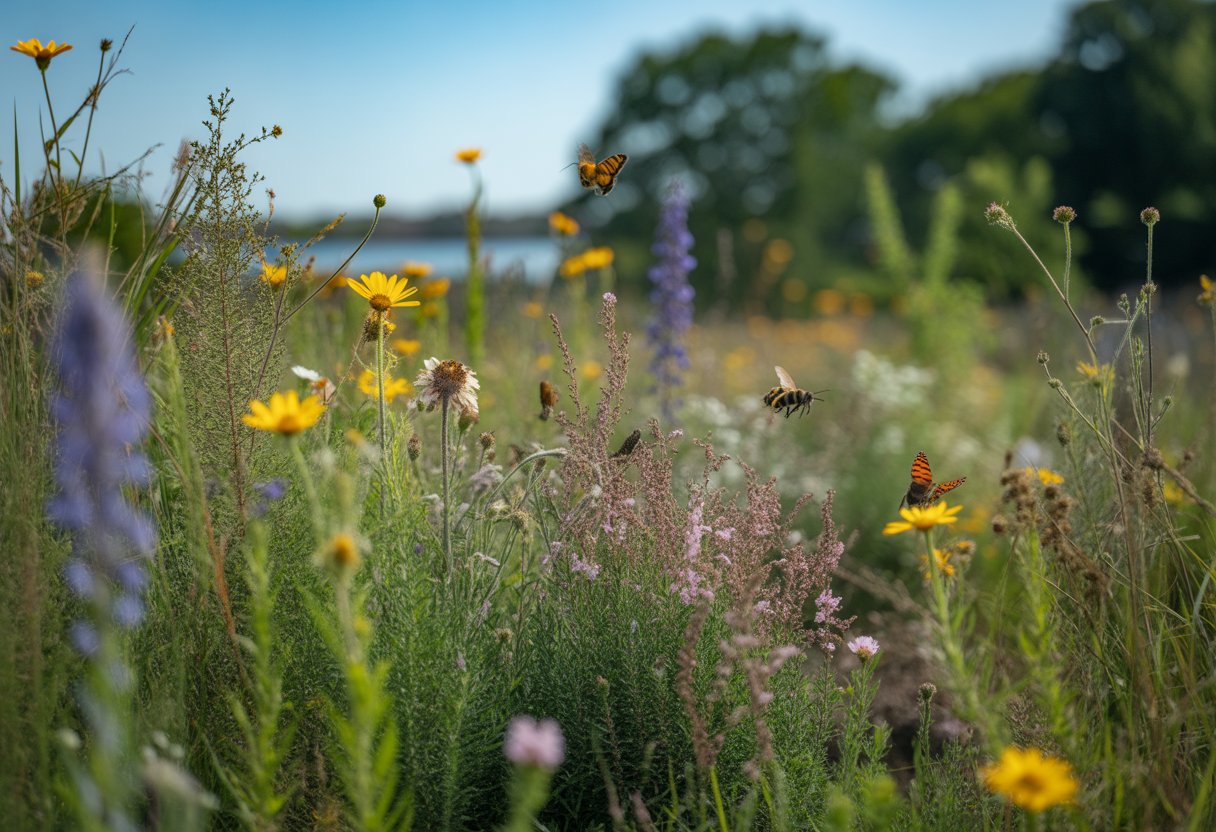
When you use native species, you help preserve regional biodiversity. They also cut the risk of invasive plants taking over and disrupting local ecosystems.
Native plants have deep roots that improve soil health and keep erosion in check. That means healthier landscapes all around.
Because they’re adapted to local climate and pests, native plants tend to handle local conditions without much fuss. You won’t need to rely on chemicals or constant care.
Ecological Advantages of Native Plants
Native plants play a hands-on role in balanced ecosystems. They support wildlife, boost biodiversity, and create sustainable habitats.
They form specific relationships with local species and conditions. This strengthens the health of natural areas.
Support for Local Wildlife
Native plants give local wildlife the food, shelter, and breeding spots they need. Many insects, birds, and mammals depend on these plants for survival.
Caterpillars, for instance, often feed only on certain native leaves. That’s a relationship you just can’t fake with non-natives.
When you use native plants, you help keep food webs stable. They offer nectar, seeds, and foliage that nonnative plants just can’t match.
Pollinators like bees and butterflies, plus insect-eating birds, really depend on these resources. Protecting native flora helps prevent habitat loss for sensitive species.
Habitats built with native plants tend to be more resilient and productive. Invasive or nonnative species just don’t support wildlife in the same way.
Enhancement of Biodiversity
When you plant native species, you promote biodiversity. They help keep a rich mix of plants in local ecosystems.
This variety attracts all sorts of animal species, microbes, and soil critters. Native plants sustain complex ecological interactions, like pollinator-plant partnerships and symbiotic relationships.
These connections help stabilize ecosystems and make them more resilient to change. Supporting a wide range of organisms also lowers the risk of monocultures.
Ecosystem productivity increases with more diversity. This really matters for conservation efforts that aim to protect endangered species and vital ecosystem services.
Creation of Sustainable Habitats
Native plants thrive with little human intervention. They’re already adapted to local soil, weather, and water.
You won’t need to dump on fertilizers, pesticides, or water just to keep them alive. Sustainable habitats built from native flora help preserve soil structure and water quality.
Their deep roots prevent erosion and boost groundwater recharge. These plants also resist most local pests and diseases naturally.
Less chemical use means healthier ecosystems. Sustainable native habitats encourage natural regeneration and keep wildlife corridors strong.
Benefits to Pollinators and Insects
Native plants offer essential resources for a wide range of pollinators and insects. Their unique adaptations support feeding, breeding, and survival better than non-native species can.
Attraction of Bees and Butterflies
Native plants attract all sorts of pollinators—native bees, butterflies, moths—by offering familiar cues. Flower shape, color, and scent all play a part.
Species like bee balm and coneflowers are especially good at drawing in native bees and butterflies such as the monarch. This attraction boosts pollination, which is crucial for plant reproduction.
Butterflies rely on these plants not just for nectar but also for breeding. Monarch butterflies, for example, lay eggs only on native milkweed, which their caterpillars need to survive.
Nectar and Pollen Sources
Native plants provide nectar and pollen that fit native pollinators’ needs. Their nectar has the right sugar levels, and their pollen carries nutrients suited for native bees and other insects.
You get reliable, seasonally timed food sources with native plants. That keeps insect populations going strong throughout the growing season.
This steady supply improves pollination and supports local biodiversity. It just makes sense if you want a healthy, buzzing garden.
Support for Threatened Species
Lots of native pollinators and insects are losing habitat and numbers. Planting native species can help threatened species by restoring food and shelter.
Some native plants serve as hosts for at-risk pollinators and insects, like certain moths and native bees. By keeping these plants around, gardens and landscapes offer much-needed breeding grounds and feeding spots.
Environmental Impact and Climate Resilience
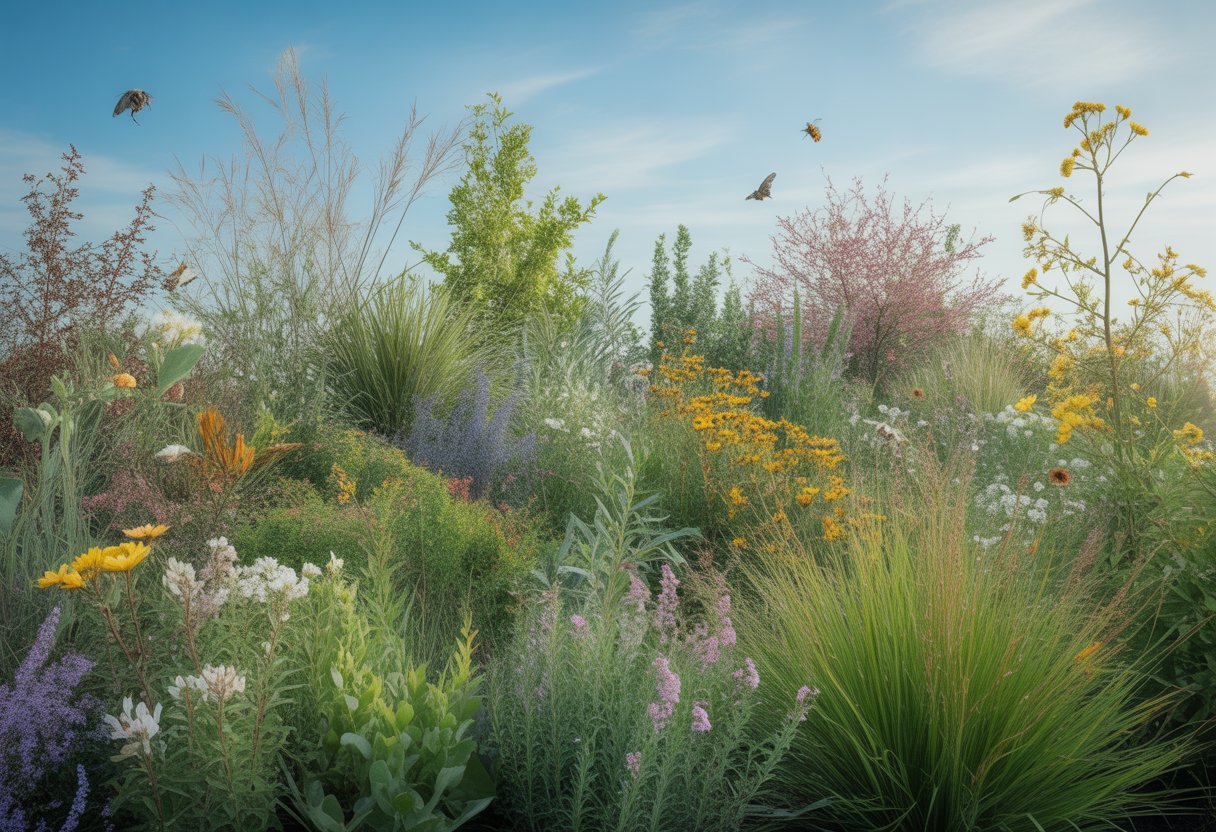
Native plants support ecosystems by improving soil, managing water, and handling climate swings. Their natural adaptations let them thrive with less stress.
Adaptation to Local Climate
Native plants evolved for their home climates. They handle local temperatures, rainfall, and seasonal shifts.
You won’t have to water them much or add chemicals—they’re tough enough for local extremes. They also provide food and shelter for wildlife that depends on plants blooming or fruiting at just the right times.
This timing keeps ecosystems in balance. Their genetic match to the environment makes native plants a smart, sustainable choice for coping with climate variability.
Soil Health and Erosion Control
Native plants do wonders for soil health. Their roots promote microbial activity and build up organic matter.
They break up compacted soil, letting air and water move more easily. Deep, widespread roots lock soil in place and keep it from washing away during heavy rains.
That’s huge for erosion control. Less sediment runs off into waterways, which protects aquatic life.
By keeping soil structure intact and minimizing erosion, native plants support long-term land productivity. You won’t need as many artificial soil fixes, either.
Drought Tolerance and Water Efficiency
Many native plants are naturally drought-tolerant. Deep roots and waxy leaves help them hold onto water.
You can cut irrigation way down by using drought-tolerant natives. They keep going strong with little or no extra watering, even in dry spells.
This water efficiency is more important than ever as droughts get worse with climate change. Native species make a practical pick for anyone trying to save water.
Practical and Economic Benefits of Native Landscaping
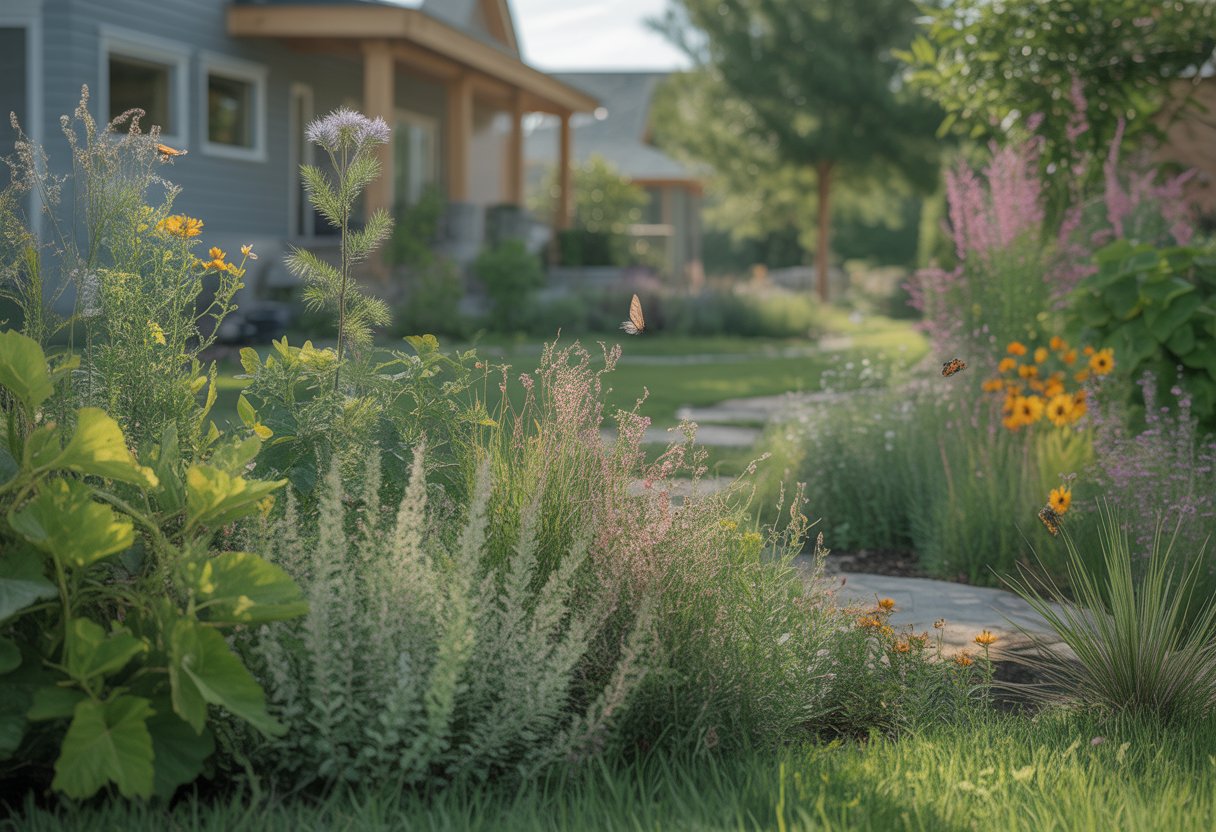
Native landscaping makes garden upkeep easier and cheaper. It also helps control invasive species that threaten local ecosystems.
These perks make native gardens a smart choice for a lot of homeowners.
Low Maintenance Requirements
Native plants fit right in with local soil, climate, and rainfall. They need less watering and fertilizing than non-natives.
This means less work and worry for you. Native landscaping usually calls for fewer pesticides and herbicides, too.
Since native plants have their own defenses against local pests, you won’t see as many problems with disease or bugs. Less chemical use keeps your garden healthier and lines up with sustainable practices.
Cost Savings Over Time
Going with native plants can really pay off over the years. They usually get established faster, so you won’t need to replace them as often or mess with extra soil amendments.
Lower water use means smaller utility bills, especially since many natives thrive on just rain. You also cut costs on fertilizers, pesticides, and herbicides.
These savings add up and can easily cover the initial planting costs. Native landscaping just makes sense if you’re looking for financial and environmental wins.
Prevention of Invasive Species Spread
Native landscaping helps control the spread of invasive plants. Non-native species often outcompete local flora, disrupting ecosystems and requiring costly removal efforts.
When gardeners choose native plants, they support local biodiversity. It also limits the spaces where invasive species can take hold.
Honestly, it just makes sense—planting natives means less damage to nearby natural areas. Plus, it cuts down on future maintenance work, which nobody really enjoys.
Using native plants fits right in with regional conservation efforts. Protecting wildlife habitats from invasive species feels like the least we can do.