
How to Grow Sweet Basil Successfully Indoors and Outdoors
Last updated: August 19, 2026
Growing sweet basil isn’t complicated if you set up the right conditions. It loves warm, sunny places with soil that drains well and regular watering—but don’t drown it.
You can start basil from seeds or seedlings. Keep the plant cozy and warm, and pinch off flowers to help it stay leafy and healthy.
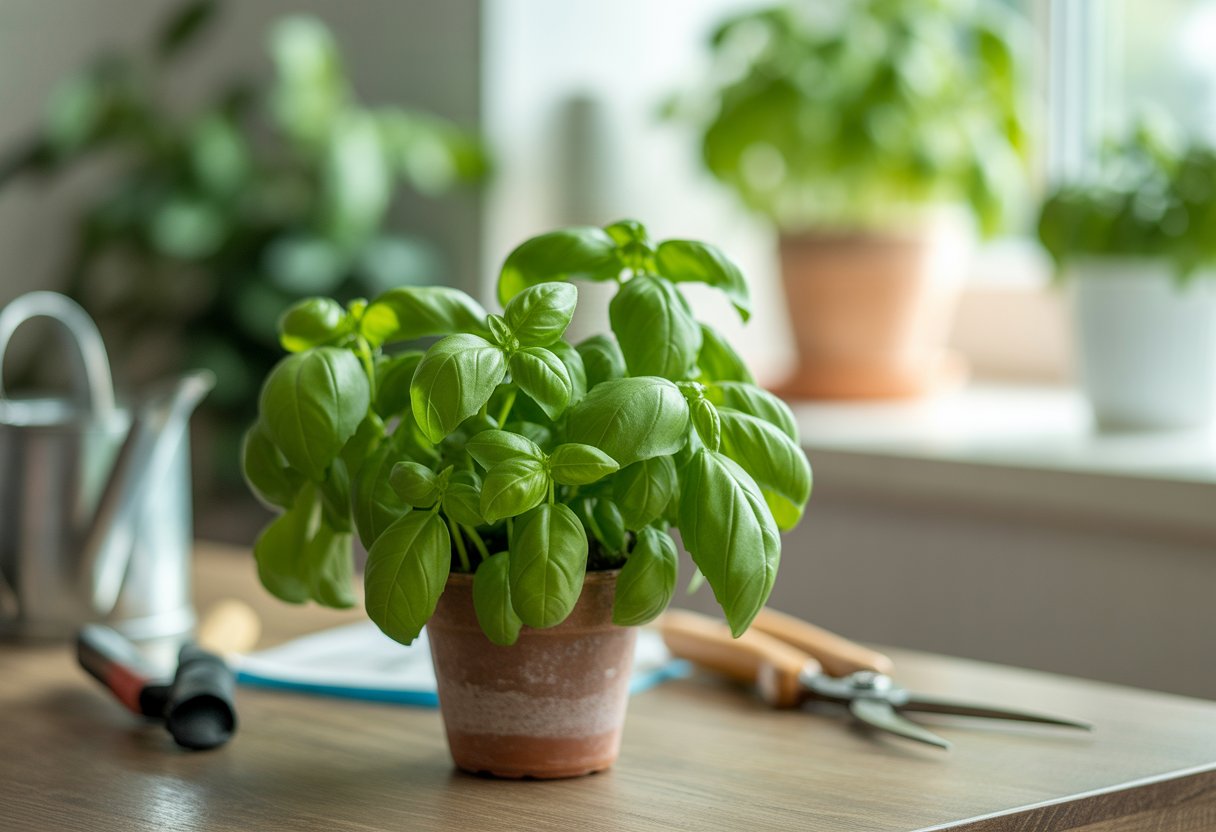
Basil needs at least six hours of sunlight every day. Rich, organic soil helps it thrive.
Give your basil enough space so air can move around the plants. This cuts down on disease and keeps your herb patch happy.
Understanding Sweet Basil
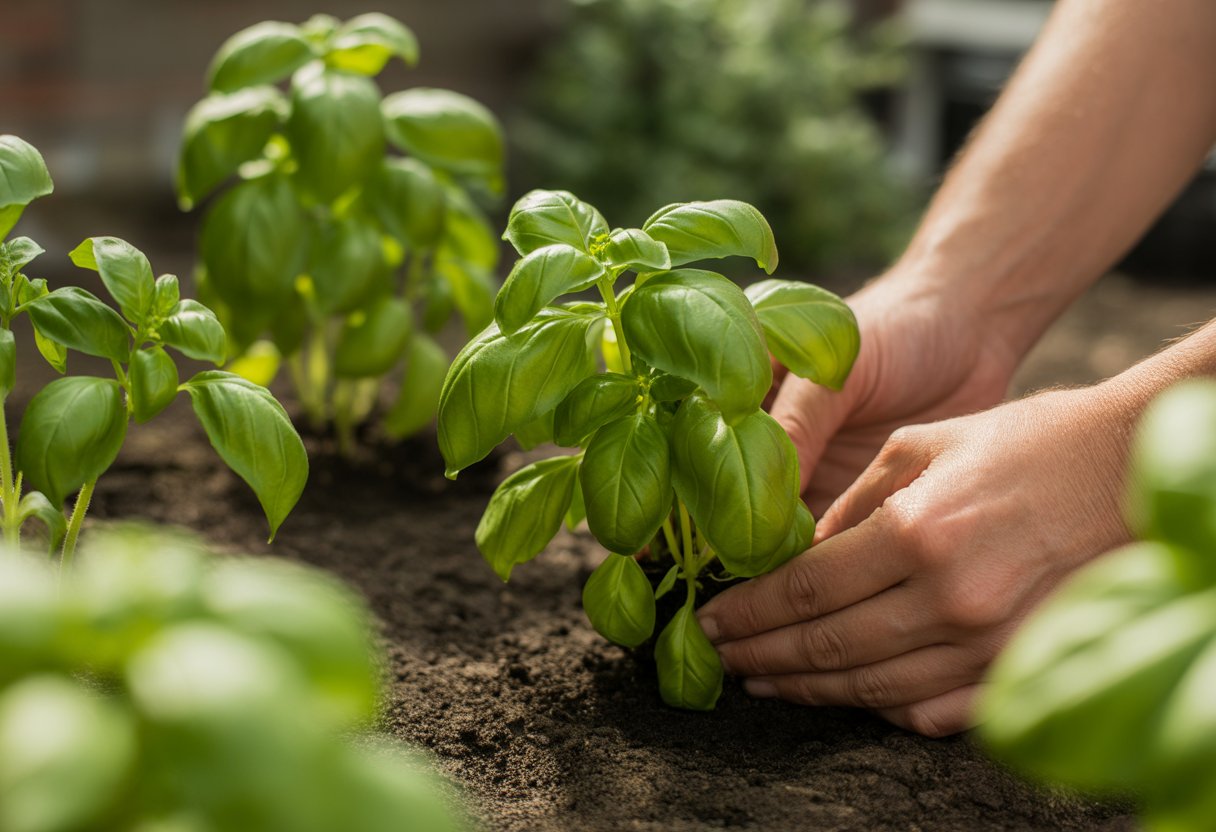
Sweet basil belongs to the mint family and is famous for its aromatic leaves and culinary uses. It’s part of the genus Ocimum, which covers a bunch of basil species with different flavors and looks.
People have valued basil for its nutritional and medicinal properties for ages. It’s not just for pasta sauce—some folks swear by its health benefits.
Types of Basil Varieties
Sweet basil (Ocimum basilicum) is the classic choice for cooking. There’s also holy basil (Ocimum tenuiflorum), popular in Ayurveda, and Thai basil, which brings a licorice kick to Southeast Asian recipes.
Lemon basil has a zesty, citrus aroma. Purple basil stands out with its deep color and a hint of spice.
Each variety has its own leaf shape, color, and flavor punch. You might need to tweak your care routine a bit depending on the type, but they mostly like the same things.
Botanical Background and Characteristics
Sweet basil is an annual herb from the Ocimum genus in the Lamiaceae (mint) family. Its broad, soft leaves are bright green and super fragrant.
The plant usually reaches 12–24 inches tall and sports square stems with tiny white or purple flowers. Basil loves warmth and sunshine but can’t handle frost.
Its leaves contain aromatic oils that naturally repel bugs. Handy for the garden, right?
Nutritional and Medicinal Benefits
Sweet basil packs essential oils like eugenol, linalool, and methyl chavicol. These give it that unmistakable aroma and some health perks.
It’s got a bit of vitamin K, vitamin A, magnesium, and iron. Not a superfood, but it does support bones and the immune system.
Traditionally, people have used sweet basil and other Ocimum species as a medicinal herb. Some say it calms inflammation, helps digestion, and works as an antioxidant.
Holy basil stands out for its adaptogenic properties, helping the body handle stress. Basil leaves also have mild antimicrobial effects, though you probably won’t notice unless you’re a microbe.
Planting and Growing Conditions
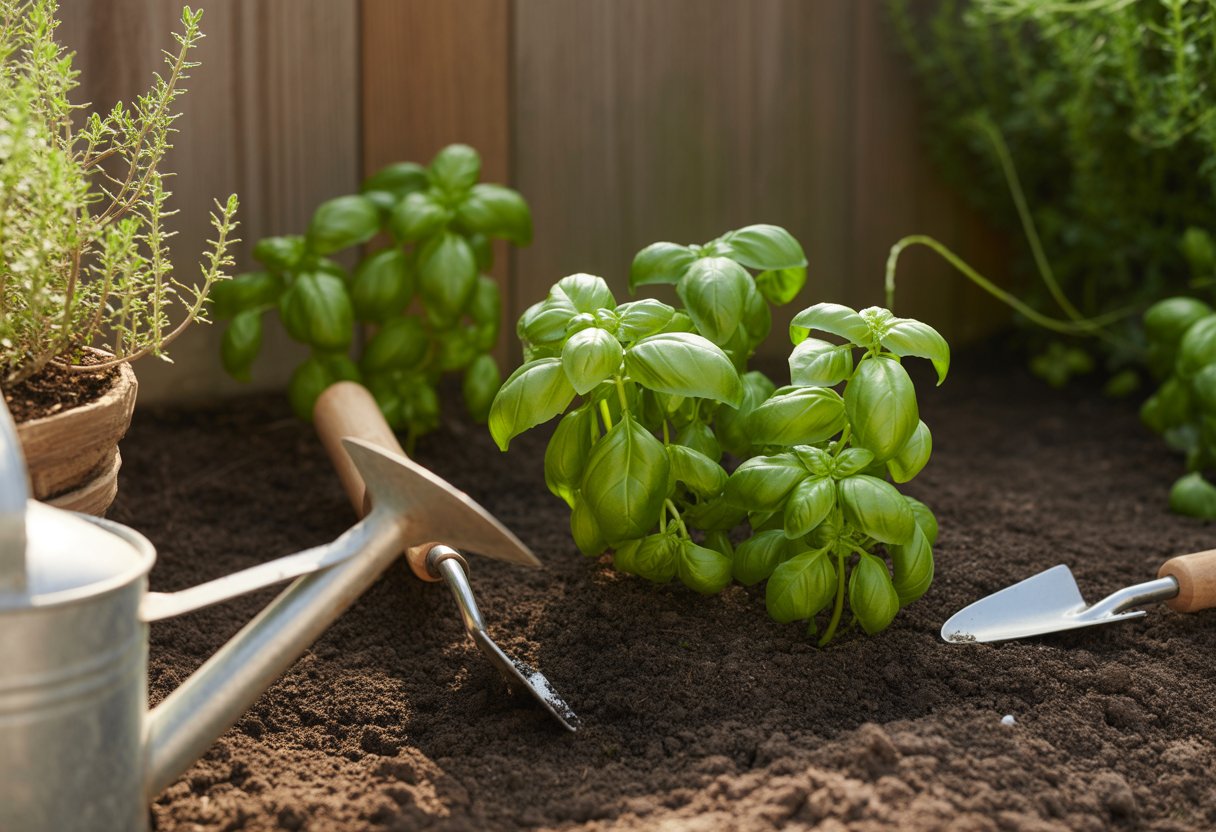
Getting sweet basil to grow well comes down to picking the right planting method, soil, and sunlight. How you start the seeds and what you plant them next to can make a big difference.
Starting Basil from Seed
Basil seeds like it warm—about 70-75°F (21-24°C) is perfect. Sprinkle seeds on moist potting mix and cover them with a thin layer of soil, maybe a quarter inch.
Keep the soil damp (but not soggy) until you see sprouts, usually in 5-10 days. Once seedlings have 2-3 real leaves, thin them out so they don’t crowd each other.
If you start basil indoors 6-8 weeks before your last frost, you’ll get a jump on the season. Seedlings need loads of light—12-16 hours a day is ideal, so grow lights can help if your windows are shady.
Transplanting and Sowing Methods
Move basil seedlings outdoors only after the last frost is gone and the soil warms to at least 65°F (18°C). Harden them off by setting them outside for a few hours each day over a week.
For direct sowing, scatter seeds in loose, well-prepared garden beds. Cover lightly and keep the soil moist until they pop up.
Space seedlings or transplants 12-18 inches apart. This gives them room to breathe and helps prevent disease.
If you’re using containers, pick ones with drainage holes and fill them with a high-quality potting mix. It keeps roots happy and avoids soggy soil.
Light, Soil, and Container Requirements
Basil needs full sun—6-8 hours of direct light every day. Without enough sun, basil gets tall and spindly and just doesn’t taste as good.
Use well-drained soil full of organic matter. Aim for a pH between 6.0 and 7.5.
If your soil is heavy or packed, mix in compost or a bit of coarse sand. For pots, go for containers at least 6-8 inches deep.
Pick a lightweight potting mix made for herbs or veggies. Make sure water runs through easily—basil hates wet feet.
Companion Planting for Basil
Basil pairs up nicely with tomatoes, peppers, and oregano. Some gardeners believe this improves growth and flavor.
It can help keep aphids and mosquitoes away from your veggies. Don’t plant basil near sage or rue, though—they don’t get along.
Flowers that attract pollinators can also boost your basil’s health if you grow them nearby. In containers, keep similar spacing as in the ground—close enough for benefits, but not crowded.
Caring for Sweet Basil
If you want basil that really pops with flavor and aroma, you’ve got to care for it right. Watering, fertilizing, pest control, and a few good habits all help bring out those essential oils.
Watering and Fertilization
Basil likes its soil moist but not soggy. Water at the base, not over the leaves, to keep fungal diseases like downy mildew away.
Feed basil every 3-4 weeks with a balanced liquid fertilizer, or mix compost into the soil before planting. Skip the high-nitrogen stuff—it makes leaves big, but the flavor gets bland.
Well-drained, organic-rich soil helps roots stay healthy and soak up nutrients.
Managing Pests and Diseases
Aphids, spider mites, and whiteflies can show up and mess with your basil leaves. Check your plants once a week and pick off pests or spray with insecticidal soap if you spot trouble.
Fungal diseases like Fusarium wilt and downy mildew love damp, shady spots. Keep air moving around your plants and avoid watering from above.
If you see sick leaves, remove them right away and toss them in the trash—not the compost.
Encouraging Healthy Growth
Pinch off basil flowers as soon as you see them. If you let it bloom, the leaves lose flavor and get a bit tough.
Harvest often by cutting just above a leaf node. This makes the plant bushier and gives you more leaves.
Give basil at least 6 hours of sun every day to boost those tasty oils. Move containers around if you need to chase the sunlight.
Harvesting and Using Sweet Basil
Harvesting basil at the right time makes a big difference in flavor. Fresh basil really shines in dishes like pesto, and it’s hard to beat the smell.
When and How to Harvest Basil
Pick basil just before it starts to flower for the best flavor. Early morning, after the dew dries but before it gets hot, is the sweet spot.
Cut stems about a quarter inch above a leaf node. That encourages new shoots and keeps the plant from flowering too soon.
Use clean scissors or shears so you don’t damage the plant. Don’t take more than a third of the plant at once if you want it to keep producing.
Harvest every week or two, and you’ll get bushier, leafier plants.
Maximizing Flavor and Aroma
Basil’s flavor peaks with lots of warmth and sun but drops if it starts to flower. Pinch off any flower buds right away to keep the taste sweet.
Handle leaves gently—they bruise easily, and bruising kills the flavor. Basil loses its aroma fast if left out, so use it fresh or stash it in a sealed container in the fridge.
If you want to store basil longer, freezing works better than drying. Blanch the leaves for a few seconds before freezing to keep their color and aroma.
Culinary Uses and Fresh Pesto
Fresh basil pops up everywhere in Italian and Mediterranean dishes. It just works—especially with tomatoes, garlic, olive oil, or a bit of cheese.
Toss in the leaves right at the end of cooking. That way, you keep their fragrance alive.
If you want to whip up fresh pesto, grab some basil leaves, pine nuts, garlic, Parmesan, and olive oil. Blend them together. I usually use it right away, but you can store it in the fridge with a thin layer of oil on top. That little trick helps keep it from turning brown.
Basil shines in salads, sandwiches, and even in infused oils. Just don’t cook it too long, or you’ll lose that subtle flavor and aroma.
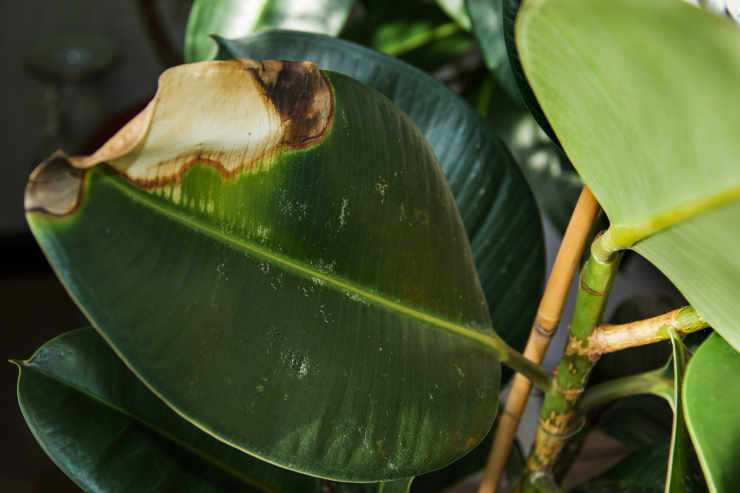
I’ve been dealing with this exact issue in my garden. Going to try some of these suggestions this weekend.
We appreciate that, Nathan! Happy gardening! 🌿 -Plant Native Team