Snowbrush Ceanothus (Ceanothus velutinus)
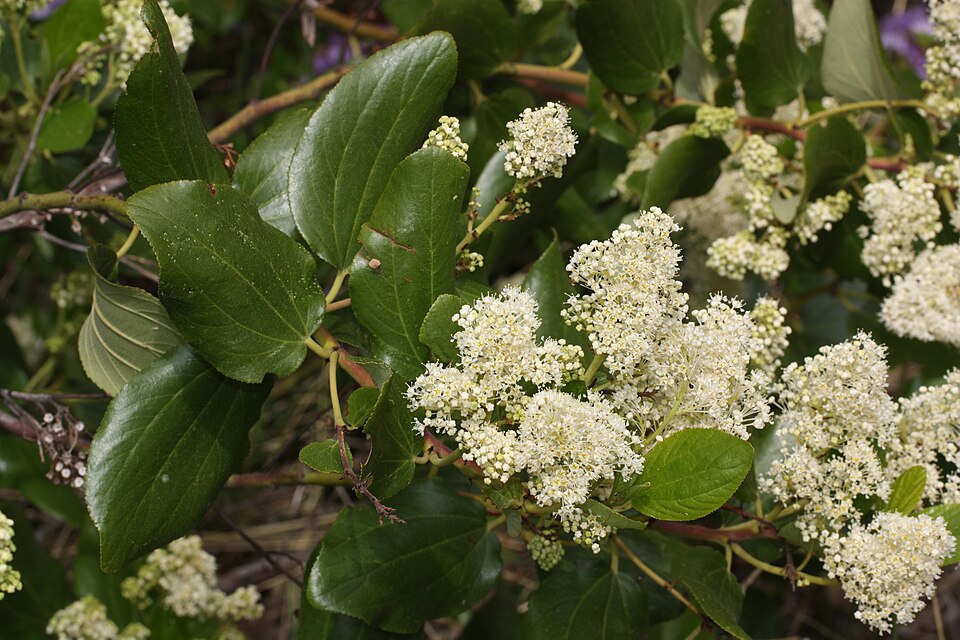
Ceanothus velutinus, commonly known as Snowbrush Ceanothus, is one of the most important and widespread nitrogen-fixing shrubs in western North America. This robust evergreen forms dense thickets that can dominate entire hillsides, creating spectacular displays of creamy white flowers in early summer while building soil fertility through its unique ability to convert atmospheric nitrogen. Also known as Red Root, Tobacco Brush, and Sticky Laurel, this resilient plant plays a crucial role in forest succession and fire ecology throughout its vast range.
Quick Facts
| Scientific Name | Ceanothus velutinus |
| Plant Type | Evergreen shrub, nitrogen-fixing |
| Mature Height | 3–10 ft (1–3 m), occasionally to 13 ft |
| Height | 3-13 feet (1-4 m), usually under 10 feet |
| Sun Exposure | Full Sun |
| Water Needs | Moderate |
| Soil Type | Well-draining, tolerates rocky soils |
| Soil pH | Acidic to slightly alkaline (5.5-7.5) |
| Bloom Time | Early to midsummer (May-July) |
| Flower Color | White to cream |
| USDA Hardiness Zones | 3-8 |
Identification
Snowbrush Ceanothus is unmistakable when in bloom, but its distinctive evergreen foliage and growth habit make it recognizable year-round. This shrub can form impenetrable thickets that stretch across entire mountain slopes, creating a unique and dominant landscape feature.
Growth Habit and Form
This vigorous evergreen shrub typically grows 3-10 feet tall, though exceptional specimens can reach 13 feet. The plant forms colonies through underground root systems, with individual stems arising from a shared root network. Over time, these colonies can create dense, nearly impenetrable thickets that effectively exclude most other vegetation.
The branching pattern is dense and intricate, with stems that often become intertwined with neighboring plants. This tangled growth habit provides excellent wildlife cover but can make the plant challenging to navigate through in its natural habitat.
Distinctive Evergreen Leaves
The leaves are the plant’s most distinctive vegetative feature and the source of several common names. Each leaf is oval-shaped, 2-3 inches long, with a glossy, dark green upper surface that appears almost varnished. This shiny quality gives rise to the name “Shiny-leaf Ceanothus.”
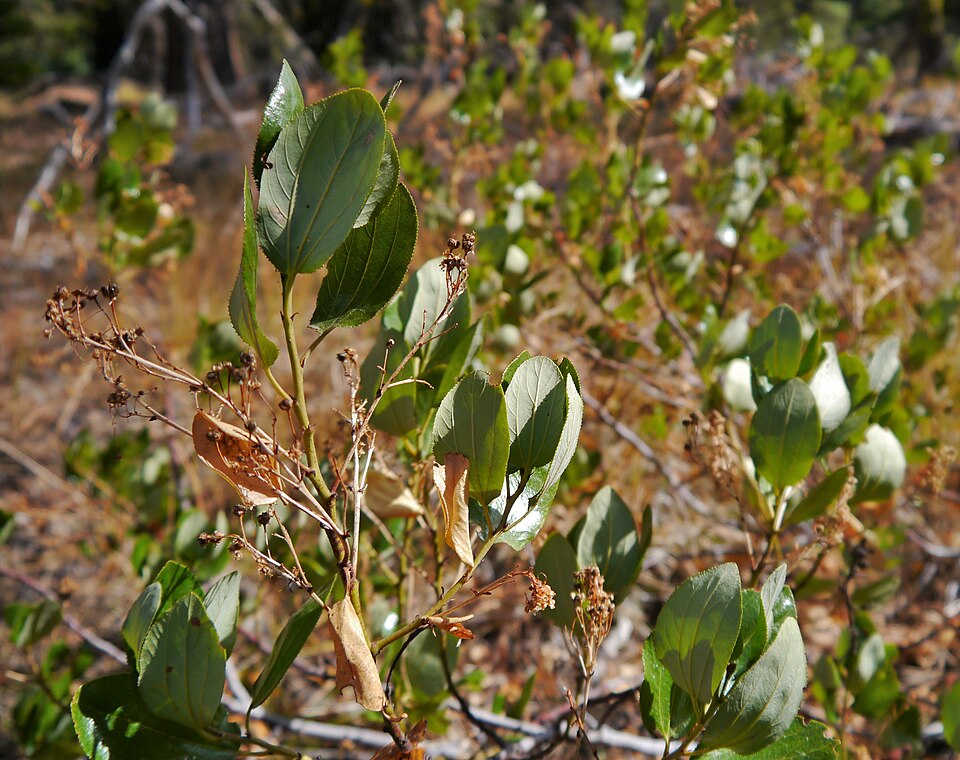
The leaf margins are finely serrated with tiny glandular teeth that can be felt when running a finger along the edge. The underside of the leaves is much paler, often with a whitish or grayish cast. When crushed, the leaves release a distinctive aromatic scent, which accounts for the common name “Tobacco Brush,” though the plant is unrelated to true tobacco.
The leaves are alternately arranged on the stems and remain evergreen throughout the winter, providing year-round identification features and contributing to the plant’s value for wildlife cover.
Spectacular Summer Blooms
From late spring through midsummer, Snowbrush Ceanothus produces some of the most impressive floral displays in the western mountains. The flowers are arranged in large, pyramidal clusters (panicles) that can be 4-6 inches long and nearly as wide. Individual flowers are small but produced in such abundance that the entire shrub appears to be covered in foam.
The flowers range from pure white to creamy white, occasionally with a slight pinkish tinge. Each tiny flower has five small petals and prominent stamens, creating a delicate, intricate appearance when viewed up close. The overall effect is spectacular, especially when entire hillsides covered with these shrubs bloom simultaneously.
The fragrance of the flowers is subtle but pleasant, attracting numerous pollinators and adding to the sensory experience of encountering these plants in full bloom.
Seed Capsules and Explosive Dispersal
Following the flowers, small three-lobed seed capsules develop, each containing three seeds. These capsules have an unusual and remarkable dispersal mechanism—when mature and dry, they explode with audible pops, shooting seeds several feet from the parent plant. This explosive dispersal can be heard on warm summer days as a series of tiny firecracker-like sounds throughout Ceanothus thickets.
The seeds have extremely hard coats and can remain dormant in the soil for over 200 years, forming a persistent seed bank that awaits the right conditions for germination—typically the scarification and heat provided by wildfire.
Native Range
Snowbrush Ceanothus has one of the most extensive ranges of any western North American shrub, reflecting its adaptability to diverse climatic and soil conditions across multiple mountain ranges and forest types.
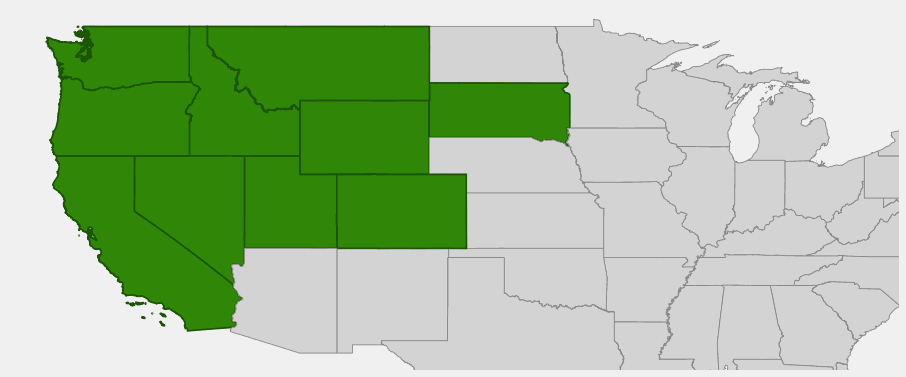
This remarkable distribution spans from British Columbia south to California and Colorado, encompassing virtually every major western mountain range. The plant shows particular abundance in the Cascade Range, Sierra Nevada, Rocky Mountains, and various interior ranges. Its ability to thrive from near sea level to over 10,000 feet elevation demonstrates exceptional adaptability to different climatic conditions.
📋 Regional plant lists featuring Snowbrush Ceanothus: Western Oregon & Western Washington
Nitrogen Fixation: Nature’s Fertilizer Factory
One of Snowbrush Ceanothus’s most important ecological functions is its ability to fix atmospheric nitrogen, making it available to other plants and fundamentally altering soil chemistry in areas where it grows.
The Nitrogen-Fixing Partnership
Like legumes, Ceanothus species have formed a symbiotic relationship with specialized bacteria, though in this case, they’re actinomycetes rather than the rhizobia bacteria that work with beans and other legumes. These actinomycetes form nodules on the plant’s roots, where they convert atmospheric nitrogen gas into ammonia, which can then be used by the plant to build proteins and other essential compounds.
This process requires significant energy from the plant but provides a crucial competitive advantage in nitrogen-poor soils, which are common throughout much of the plant’s range. The fixed nitrogen also leaks into the surrounding soil through root exudates and leaf litter, benefiting neighboring plants and improving overall site productivity.
Soil Building and Forest Succession
In many forest ecosystems, Snowbrush Ceanothus acts as a pioneer species that prepares the way for other plants. After disturbances such as fire, logging, or avalanches, the plant can quickly establish from its long-lived seed bank and begin the process of soil rehabilitation.
Over time, the accumulated nitrogen and organic matter from Ceanothus thickets create more fertile conditions that can support the growth of trees and other forest vegetation. This process can take decades, but it’s fundamental to forest succession in many western mountain ecosystems.
Fire Ecology and Adaptations
Fire plays a central role in Snowbrush Ceanothus ecology, and the plant has evolved remarkable adaptations to not just survive fire but actually depend on it for reproduction.
Fire-Dependent Reproduction
The hard-coated seeds require scarification—typically from fire heat—to germinate successfully. This means that massive seed banks can accumulate in the soil over decades or even centuries, waiting for the right fire event to trigger germination. When fires do occur, thousands of seedlings can emerge from a single square meter of soil, creating dense carpets of young Ceanothus plants.
The heat from fire not only scarifies the seeds but also creates the open, sunny conditions that young Ceanothus plants need to establish. The ash bed provides additional nutrients, and the lack of competition from established vegetation gives the seedlings a crucial head start.
Post-Fire Recovery
While fire kills the above-ground portions of established plants, new shoots often sprout from the root crown, providing an additional pathway for post-fire recovery. However, the massive seed germination typically dominates the recovery process, creating dense stands of young plants that can completely transform the landscape.
These post-fire Ceanothus thickets provide critical early habitat for wildlife, erosion control on burned slopes, and begin the process of nitrogen fixation that will help restore site productivity.
Growing & Care Guide
Snowbrush Ceanothus can be a valuable addition to native plant gardens, though its vigorous growth habit requires careful consideration of placement and management.
Site Selection
Choose a location with full sun to light shade and excellent drainage. The plant is very drought tolerant once established but cannot tolerate waterlogged soils. Rocky or sandy soils are ideal, mimicking the well-draining conditions of its natural habitat.
Consider the plant’s mature size and spreading habit when selecting a location. While beautiful, Snowbrush Ceanothus can become quite large and may not be suitable for small gardens or formal landscapes.
Planting and Establishment
Plant in fall or early spring to allow establishment before summer heat. Dig a hole only as deep as the root ball but 2-3 times as wide. The plant’s nitrogen-fixing ability means it typically doesn’t require fertilization, even in poor soils.
Water regularly during the first year to ensure establishment, then reduce watering frequency. Mature plants are very drought tolerant and typically require no supplemental irrigation in areas with at least 15 inches of annual precipitation.
Maintenance
Pruning is rarely necessary but can be done in late winter if needed to control size or shape. Be aware that heavy pruning may stimulate vigorous new growth. The plant’s natural form is attractive and generally requires no intervention once established.
Snowbrush Ceanothus is relatively short-lived, typically 15-25 years, but may self-seed in appropriate conditions. Remove seedlings promptly if you don’t want the plant to spread.
Wildlife & Ecological Value
Few native plants provide as much diverse wildlife value as Snowbrush Ceanothus, supporting animals from tiny insects to large mammals throughout the year.
Pollinators and Insects
The abundant flowers attract numerous pollinators, including native bees, butterflies, moths, and beneficial wasps. The long blooming period provides a reliable nectar source during the critical early summer period when many other plants have finished flowering.
The dense foliage provides habitat for numerous insects, which in turn support insectivorous birds and other wildlife. The plant’s role as a nitrogen source also supports more robust populations of herbivorous insects.
Birds
The dense, thorny growth provides excellent nesting sites for many bird species, offering both protection and concealment. The structure is particularly valuable for ground-nesting species and small songbirds that need secure nesting locations.
While the seeds are not a major food source for most birds, some species do consume them, and the insects supported by the plant provide important protein sources for insectivorous birds.
Large Mammals
Deer and elk browse the foliage, particularly during winter when other food sources are scarce. The evergreen nature of the leaves makes them available year-round, providing crucial nutrition during harsh weather periods.
The dense thickets also provide thermal cover for large mammals, offering protection from wind and weather. In some areas, these thickets are important winter habitat for deer and elk populations.
Ecosystem Engineering
Perhaps most importantly, Snowbrush Ceanothus acts as an ecosystem engineer, fundamentally altering soil conditions and creating habitat for other species. The nitrogen fixation increases soil fertility, supporting more diverse plant communities over time.
The dense canopy creates shade and moderates soil temperatures, allowing different understory species to establish than would be possible in open conditions. This microhabitat creation is particularly important in harsh mountain environments.
Cultural and Traditional Uses
Indigenous peoples throughout the range of Snowbrush Ceanothus developed numerous uses for this abundant and reliable plant.
Medicinal Applications
The plant was commonly known as “Red Root” due to the reddish color of the inner root bark, which was the primary part used medicinally. Various tribal groups used root preparations to treat lymphatic disorders, ovarian cysts, fibroid tumors, and tonsillitis.
The leaves and flowers were also used medicinally. Plateau Indian tribes prepared teas from the plant to induce sweating as a treatment for colds, fevers, and influenza. The astringent properties of the leaves made them useful for treating various skin conditions and wounds.
Other Traditional Uses
Some groups used the leaves in hair rinses to help prevent dandruff and promote scalp health. The plant’s aromatic qualities made it valuable for various ceremonial and practical applications.
The dense, strong wood of older stems was sometimes used for tool handles and other implements, though the plant’s primary value was medicinal rather than utilitarian.
Frequently Asked Questions
How can I prevent Snowbrush Ceanothus from taking over my garden?
The plant spreads primarily by seed, so removing the seed clusters before they mature can prevent unwanted spread. Regular monitoring and removal of seedlings is also important. Consider the mature size carefully before planting, as root removal can be difficult once established.
Why won’t my Ceanothus seeds germinate?
Ceanothus seeds have very hard coats that require scarification to germinate. In nature, this occurs through fire heat. For cultivation, try hot water treatment, light sandpaper scarification, or sulfuric acid treatment (with proper safety precautions).
Can Snowbrush Ceanothus grow in clay soil?
The plant strongly prefers well-draining soils and typically fails in heavy clay. If you have clay soil, consider creating a raised planting area with amended, well-draining soil, or choose a different native plant better suited to your soil conditions.
Is this plant deer resistant?
Interestingly, while deer and elk browse Snowbrush Ceanothus heavily in its native range, garden deer often avoid it, possibly due to the unfamiliar context or the presence of other preferred plants. However, it shouldn’t be considered reliably deer-resistant.
How long does it take for the plant to bloom from seed?
Snowbrush Ceanothus typically takes 3-5 years to reach blooming size from seed, though this can vary based on growing conditions. Container plants may bloom within 1-2 years of planting if they’re already mature enough.
Looking for a nursery that carries Snowbrush Ceanothus?
Browse our native plant nursery directory: Oregon · Washington