Red Huckleberry (Vaccinium parvifolium)
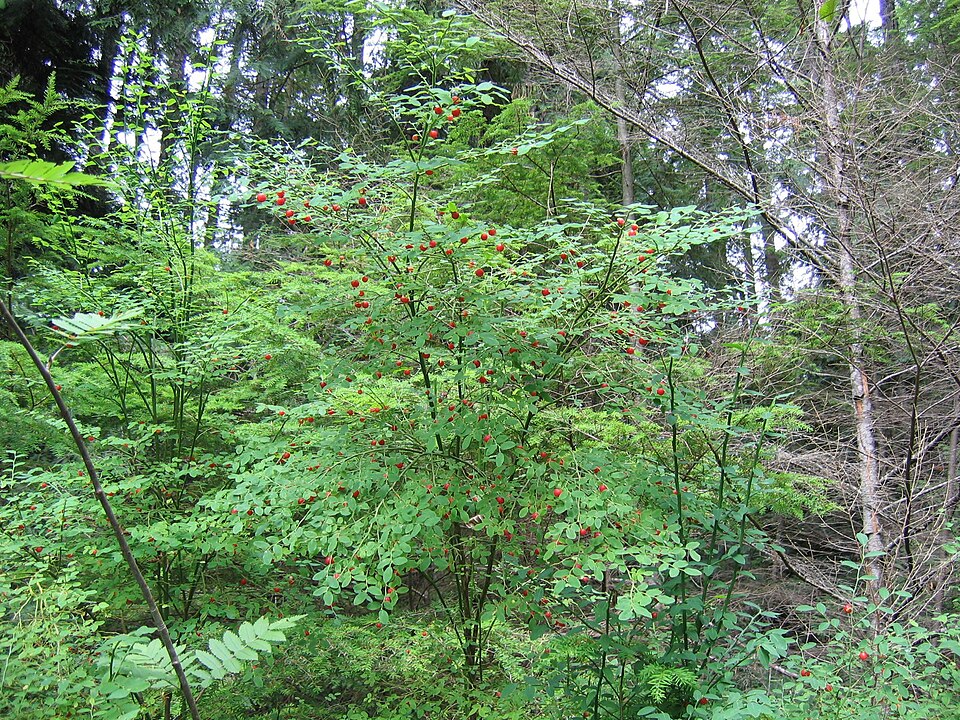
Vaccinium parvifolium, commonly known as Red Huckleberry, is an elegant deciduous shrub that adds distinctive beauty to Pacific Northwest forests and gardens. Unlike its evergreen cousin, this member of the heath family (Ericaceae) captivates with its bright green angular stems, delicate pink flowers, and translucent red berries that seem to glow when backlit by forest sunlight. As an understory specialist, Red Huckleberry has evolved to thrive in the filtered light beneath tall conifers, making it perfect for woodland gardens and naturalistic landscapes.
The distinctive angular green stems remain photosynthetic year-round, allowing the plant to continue producing energy even when leafless during winter months. This remarkable adaptation, combined with its preference for growing on rotting logs and stumps (known as nurse logs), makes Red Huckleberry a fascinating example of Pacific Northwest forest ecology in action. The bright red berries are not only visually striking but also provide critical food for wildlife during late summer and fall.
Quick Facts
| Scientific Name | Vaccinium parvifolium |
| Family | Ericaceae (Heath) |
| Plant Type | Deciduous Shrub |
| Mature Height | 2–8 ft |
| Spread | 3–8 ft |
| Growth Rate | Slow to Moderate |
| Sun Exposure | Full Sun to Part Shade |
| Water Needs | Moderate |
| Soil Type | Well-drained, acidic, organic-rich |
| Soil pH | 4.5–6.0 (acidic) |
| Bloom Time | April – June |
| Flower Color | Pink to white |
| Fruit | Translucent red berries |
| Fall Color | Yellow to orange |
| Deer Resistant | Moderately |
| USDA Hardiness Zones | 6–9 |
Identification
When identifying Red Huckleberry in the field, pay close attention to the combination of characteristics rather than relying on any single feature. Seasonal changes can significantly alter the plant’s appearance, with different identification markers being most prominent during different times of year. Spring emergence patterns, summer foliage characteristics, fall color changes, and winter structure all provide valuable identification clues.
The habitat context is also crucial for accurate identification. Red Huckleberry typically grows in specific ecological niches that provide important clues about its identity. Understanding the plant’s preferred growing conditions, associated species, and elevation preferences can help distinguish it from similar-looking relatives or introduced species that might occur in the same region.
Red Huckleberry is easily distinguished by its distinctive bright green, strongly angled stems that remain photosynthetic year-round. The shrub typically grows 4 to 12 feet tall with an open, somewhat sparse branching pattern that creates an airy, delicate appearance. The deciduous leaves are small, oval, and finely serrated, measuring 1 to 2 inches long. They emerge bright green in spring and turn yellow to orange in fall before dropping.
Flowers and Fruit
The small, bell-shaped flowers appear from April to June, hanging singly or in small clusters from the leaf axils. Each flower is about ¼ inch long, typically pink but sometimes white, with the classic urn shape characteristic of the heath family. The translucent red berries that follow are the plant’s most distinctive feature—each berry is about ¼ inch in diameter and glows like a tiny ruby when backlit. The berries ripen from July through September and are edible, with a tart, slightly sweet flavor.
Native Range
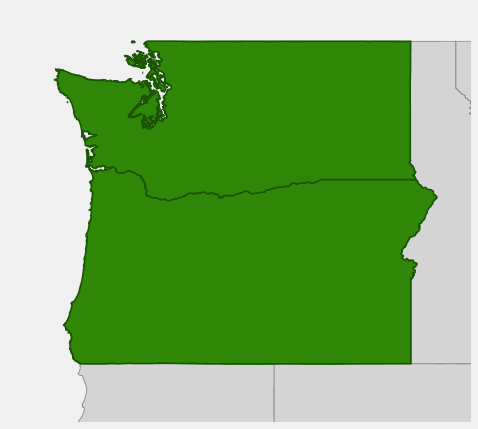
Red Huckleberry ranges from southeastern Alaska through British Columbia, Washington, Oregon, and into northern California. It grows primarily west of the Cascade Range crest, typically at elevations from sea level to about 4,000 feet. The species is closely associated with old-growth and mature second-growth coniferous forests, where it often grows on decaying logs, stumps, and organic-rich forest floors.
Growing & Care Guide
Red Huckleberry requires specific growing conditions that mimic its native forest habitat. Success in cultivation depends on providing adequate shade, acidic soil, and consistent moisture while ensuring good drainage.
Light and Placement
Plant in partial to full shade—Red Huckleberry cannot tolerate full sun exposure. It performs best with filtered light similar to what it receives under a forest canopy. Morning sun with afternoon shade may be acceptable in cooler climates, but avoid any location with hot afternoon sun.
Soil Requirements
Requires acidic, well-drained soil rich in organic matter. Amend planting areas generously with aged compost, leaf mold, or aged bark. The soil should mimic forest conditions with a pH between 4.5 and 6.0. Good drainage is essential—while the plant needs consistent moisture, it cannot tolerate waterlogged conditions.
Water and Maintenance
Provide regular water during the growing season, especially the first few years after planting. Mulch heavily with organic material to maintain soil moisture and acidity. Pruning is rarely needed beyond removing dead or damaged branches. The plant grows slowly and naturally maintains an attractive form.
Seasonal Care
Understanding the seasonal needs of Red Huckleberry is essential for successful cultivation. Spring is typically the most active growth period, when the plant benefits from adequate moisture and nutrients. Summer care focuses on maintaining consistent soil moisture while avoiding waterlogged conditions. Fall preparation involves allowing the plant to naturally enter dormancy, while winter protection may be needed in exposed locations or at the edges of the plant’s hardiness range.
Propagation
Red Huckleberry can be propagated through several methods, each with its own advantages and appropriate timing. Understanding the natural reproductive strategies of this species helps inform the most successful propagation approaches for home gardeners and restoration projects. Seed collection timing, storage requirements, and germination treatments all play important roles in successful propagation efforts.
Common Issues
While Red Huckleberry is generally a resilient native plant, certain environmental stresses or cultural problems can affect its health and appearance. Recognizing early signs of stress, understanding common pest and disease issues, and knowing when intervention is necessary versus when to allow natural processes to occur are all important aspects of successful cultivation.
Wildlife & Ecological Value
Red Huckleberry is an important food source for wildlife, with the berries consumed by numerous bird species including thrushes, waxwings, and woodpeckers. Small mammals also rely on the berries for late-summer and fall nutrition. The flowers provide nectar for native bees and other pollinators during the spring and early summer months.
📋 Regional plant lists featuring Red Huckleberry: Western Oregon & Western Washington

Looking for a nursery that carries Red Huckleberry?
Browse our native plant nursery directory: Oregon · Washington
Seasonal Wildlife Value
The ecological value of Red Huckleberry varies throughout the year, with different wildlife species taking advantage of the resources it provides during different seasons. Understanding these seasonal patterns helps appreciate the full ecological impact of including this species in native plant gardens and restoration projects.
Habitat Relationships
Beyond direct food and shelter provision, Red Huckleberry participates in complex ecological relationships that benefit entire plant and animal communities. These indirect ecological services often exceed the obvious direct benefits and contribute to overall ecosystem health and resilience.
Cultural & Historical Uses
Throughout history, Red Huckleberry has played important roles in the cultures and economies of Indigenous peoples of the Pacific Northwest. Traditional ecological knowledge of this species spans thousands of years, with Native American tribes using various parts of the plant for food, medicine, tools, and ceremonial purposes.
Indigenous communities developed sophisticated harvesting practices that ensured sustainable use of Red Huckleberry populations. These traditional management techniques often enhanced the productivity and health of native plant communities, demonstrating deep understanding of ecological relationships and seasonal cycles.
Early European settlers and botanists learned about Red Huckleberry from Indigenous peoples, and many of these traditional uses were later incorporated into frontier medicine and local economies. Today, there is growing recognition of traditional ecological knowledge and efforts to incorporate Indigenous perspectives into modern conservation and restoration practices.
In contemporary times, Red Huckleberry continues to hold cultural significance for many Pacific Northwest communities, both Indigenous and non-Indigenous. The species is increasingly valued for ecological restoration, native landscaping, and as a connection to the natural heritage of the region.
Frequently Asked Questions
How fast does Red Huckleberry grow?
Red Huckleberry has a moderate growth rate under optimal conditions. Growth varies depending on soil moisture, light levels, and climate conditions. In favorable sites with adequate water and appropriate light, you can expect steady annual growth that will establish a mature specimen within several years.
Is Red Huckleberry deer resistant?
Like most native plants, Red Huckleberry may be browsed by deer, especially during winter months when other food sources are scarce. However, established plants are generally resilient to occasional browsing. Consider using physical barriers for young plants in areas with heavy deer pressure.
When is the best time to plant Red Huckleberry?
Fall planting is ideal for Red Huckleberry, as it allows the root system to establish during the cool, moist winter months before the stress of summer heat. Early spring planting is also successful if you can provide consistent watering through the first growing season.
Does Red Huckleberry need special soil conditions?
Red Huckleberry performs best in conditions that mimic its natural habitat. While adaptable to various soil types, it thrives in well-drained soil with adequate organic matter. Match the moisture and pH conditions of its native range for optimal health and growth.
Can Red Huckleberry be grown in containers?
Young Red Huckleberry plants can be successfully grown in containers for a time, making them suitable for patios, decks, or as temporary plantings. However, for long-term health and full development, transplanting to the ground is recommended once the plant reaches maturity.