Oregon Stonecrop (Sedum oreganum)
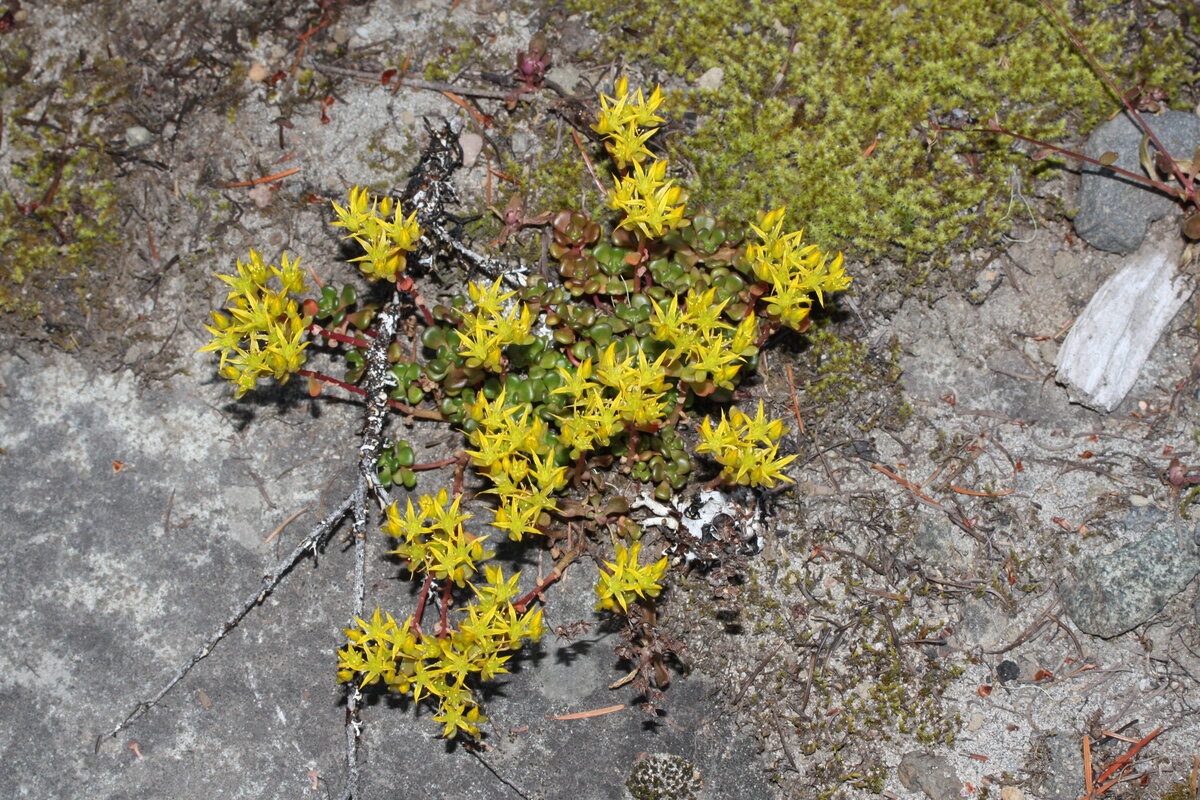
Sedum oreganum, commonly known as Oregon Stonecrop, is a remarkable succulent perennial that exemplifies the beauty and resilience of Pacific Coast native plants. This low-growing member of the Crassulaceae (stonecrop) family forms dense mats of fleshy, colorful foliage that transforms dramatically with the seasons—from bright green in spring to rich burgundy and red in fall and winter. Its brilliant yellow star-shaped flowers create stunning displays against coastal cliffs and rocky outcrops from late spring through summer.
As its name suggests, Oregon Stonecrop is perfectly adapted to life on stone—thriving in the thin soils and harsh conditions of coastal bluffs, rock crevices, and exposed rocky slopes. This extreme habitat specialization has resulted in a plant of extraordinary beauty and toughness, capable of surviving salt spray, drought, freezing temperatures, and intense sun exposure while maintaining its attractive appearance year-round.
Quick Facts
| Scientific Name | Sedum oreganum |
| Family | Crassulaceae (Stonecrop) |
| Plant Type | Succulent Perennial |
| Mature Height | 2–4 inches (flowers to 8 inches) |
| Spread | 6–18 inches |
| Growth Rate | Slow to Moderate |
| Sun Exposure | Full Sun to Part Shade |
| Water Needs | Moderate to High |
| Soil Type | Well-drained, rocky, poor |
| Soil pH | 6.0–8.0 (neutral to alkaline) |
| Bloom Time | May – August |
| Flower Color | Bright yellow |
| Foliage Color | Green to burgundy-red (seasonal) |
| Salt Tolerance | High |
| USDA Hardiness Zones | 7–10 |
Identification
Oregon Stonecrop forms low, dense mats of succulent foliage that rarely exceed 4 inches in height, though flowering stems can reach 8 inches tall. The fleshy, spoon-shaped leaves are arranged in tight rosettes and measure ½ to ¾ inch long. The leaves are the plant’s most striking feature, changing color dramatically with seasons and growing conditions—bright green in spring and summer, transitioning to brilliant shades of orange, red, and deep burgundy in fall and winter, especially in full sun and during periods of moisture stress.
Additional identification details for Oregon Stonecrop include seasonal variations in appearance, distinguishing features from similar species, and characteristics that make it unique in its habitat. Field guides and botanical keys can help with positive identification, especially when comparing to closely related species in the same genus or family.
Flowers
From May through August, Oregon Stonecrop produces clusters of bright yellow, star-shaped flowers on short stems that rise above the foliage mat. Each flower has five pointed petals and measures about ½ inch across. The flowers are arranged in flat-topped clusters called cymes, creating a carpet of golden-yellow that contrasts beautifully with the colorful foliage. The blooms are attractive to native bees and other small pollinators.
Native Range
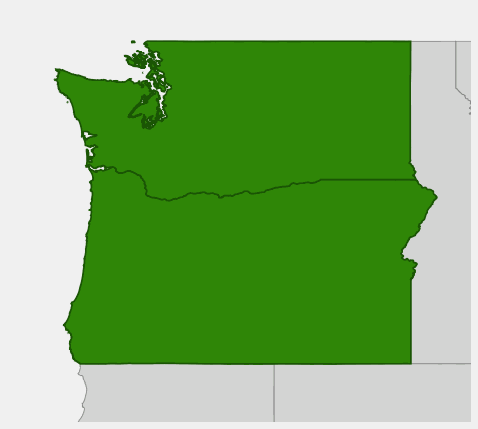
Oregon Stonecrop is endemic to the Pacific Coast, with a relatively narrow distribution from southwestern British Columbia south through western Washington and Oregon to northern California. It grows exclusively in coastal and near-coastal environments, typically within 50 miles of the Pacific Ocean. The species is most abundant on exposed headlands, coastal bluffs, and rocky shores where it thrives in the harsh conditions created by salt spray, wind, and thin soils.
Growing & Care Guide
Oregon Stonecrop is an exceptionally low-maintenance plant once established, but success requires understanding its specific habitat needs. The key is excellent drainage and full sun exposure—this plant cannot tolerate heavy, water-retentive soils or shade.
Advanced growing tips for Oregon Stonecrop include understanding its natural growth patterns, seasonal care requirements, and long-term maintenance needs. Successful cultivation often depends on mimicking the plant’s native habitat conditions as closely as possible in the garden setting.
Site Selection
Choose the sunniest, most well-drained location available. Oregon Stonecrop thrives in conditions that would stress most plants—slopes, raised beds, rock gardens, and areas with thin, poor soil. It’s ideal for xeriscaping, green roofs, and coastal gardens where salt tolerance is important.
Soil and Drainage
Perfect drainage is absolutely critical. Amend heavy soils with coarse sand, gravel, or pumice to ensure water drains quickly. The plant actually prefers poor, rocky soils over rich garden soil. In containers, use a cactus and succulent potting mix or create your own with equal parts potting soil, coarse sand, and perlite.
Watering
Water sparingly, if at all, once established. Oregon Stonecrop is extremely drought tolerant and more likely to die from overwatering than underwatering. In wet winter climates, ensure drainage prevents water from standing around the roots. Natural rainfall is usually sufficient except during extended dry periods.
Propagation
Easily propagated by division, stem cuttings, or leaf cuttings. The plant naturally spreads by producing offsets, which can be separated and replanted. Individual leaves that fall will often root where they land, gradually expanding the colony.
Landscape Uses
Oregon Stonecrop excels in challenging landscape situations where other plants struggle:
- Rock gardens – Natural choice for alpine and rock garden settings
- Green roofs – Extremely shallow root system, drought tolerance
- Coastal gardens – Excellent salt spray tolerance
- Xeriscapes – Thrives with minimal water
- Slopes and banks – Erosion control on difficult sites
- Container gardens – Outstanding in shallow containers and troughs
- Living art – Beautiful color changes throughout seasons
Cultural & Historical Uses
Oregon Stonecrop holds a special place in the traditional knowledge systems of Pacific Coast Indigenous peoples, particularly the Coast Salish nations including the Quinault, Skokomish, and coastal bands of the Chehalis. The fleshy leaves were traditionally used as a poultice for burns, cuts, and skin irritations — the cooling, moisture-rich tissues providing immediate relief for wounds and inflammation. This use parallels the medicinal applications of other stonecrop species worldwide, which have been valued for their wound-healing properties for millennia.
Beyond its medicinal applications, Oregon Stonecrop served as an important indicator species for coastal Indigenous communities. Its presence and seasonal color changes helped coastal peoples understand the health of rocky shoreline ecosystems and predict optimal times for gathering other coastal resources like shellfish, seaweed, and marine plants. The plant’s dramatic seasonal transformations — from green to brilliant reds and burgundies — were incorporated into seasonal ceremonies and storytelling traditions.
The succulent leaves were occasionally consumed raw during times of scarcity, though they have a very bitter, astringent taste that made them less desirable than other coastal plants. Some groups would mix small amounts of the leaves with other greens to add a sharp, salty flavor that complemented fish-based meals. The plant’s extreme salt tolerance and coastal distribution made it a reliable emergency food source during winter storms when other resources were scarce.
In contemporary times, Oregon Stonecrop has gained recognition in the green roof and sustainable architecture movement. Its shallow root system, extreme drought tolerance, and year-round color make it an ideal plant for extensive green roofs, particularly in the Pacific Northwest’s temperate oceanic climate. The species is increasingly used in restoration of coastal bluffs damaged by development or erosion, where its natural spreading habit and soil-stabilizing roots help prevent further degradation of sensitive coastal ecosystems.
Wildlife & Ecological Value
While small in stature, Oregon Stonecrop provides important ecological services. The bright yellow flowers attract native bees, butterflies, and other small pollinators during summer months. The dense mats provide shelter for small insects and arthropods, which in turn support birds and other wildlife. In coastal ecosystems, the plant helps stabilize thin soils and provides habitat structure in otherwise harsh environments.
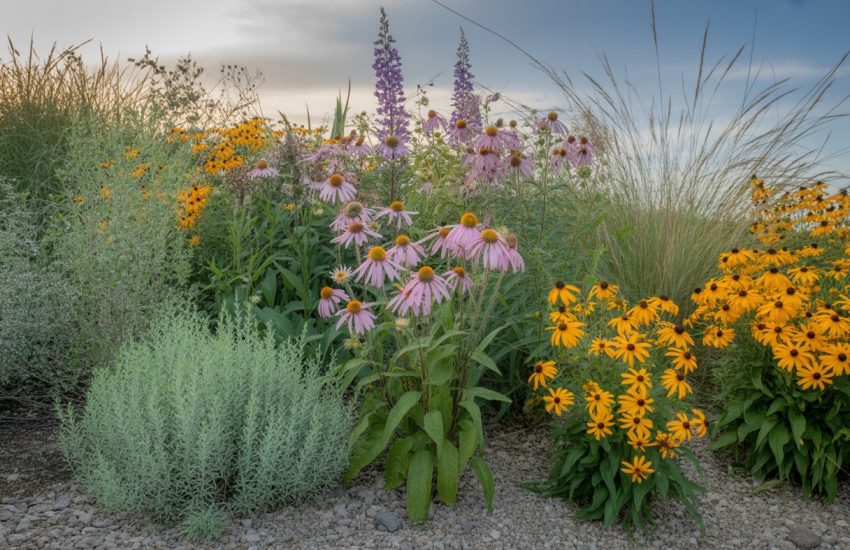
📋 Regional plant lists featuring Oregon Stonecrop: Western Oregon & Western Washington
Frequently Asked Questions
Why does my Oregon Stonecrop change color throughout the year?
The dramatic color changes from green to red/burgundy are completely natural and highly desirable! This transformation is triggered by cooler temperatures, increased sunlight exposure, and mild water stress. The anthocyanin pigments that create these brilliant colors actually help protect the plant from UV damage and temperature extremes. More sun and less water intensify the colors.
Can Oregon Stonecrop survive on a green roof or in containers?
Absolutely! Oregon Stonecrop is one of the best native plants for extensive green roofs due to its shallow 2-4 inch root system and extreme drought tolerance. Use a well-draining growing medium (no more than 4-6 inches deep) and ensure excellent drainage. It’s perfect for shallow containers, troughs, and hypertufa planters where other plants would struggle.
Will Oregon Stonecrop spread and take over my garden?
Oregon Stonecrop spreads slowly and stays low (2-4 inches tall), making it well-behaved in most garden settings. It forms dense mats but doesn’t climb or vine. It naturally spreads by producing small offsets and can be easily controlled by removing unwanted sections. The spreading habit is actually beneficial for ground cover and erosion control.
Is Oregon Stonecrop truly salt tolerant, and can I plant it near the ocean?
Yes! Oregon Stonecrop is exceptionally salt tolerant and thrives in coastal conditions with direct salt spray exposure. It naturally grows on sea cliffs and coastal bluffs within the ocean spray zone. This makes it perfect for seaside gardens, coastal restoration projects, and anywhere else salt tolerance is needed.
My Oregon Stonecrop flowers are finished — should I deadhead them?
You can deadhead spent flowers for a tidier appearance, but it’s not necessary for the plant’s health. Many gardeners leave the seed heads for late-season interest and to allow natural reseeding. The dried flower stalks have their own attractive, architectural quality and provide habitat for beneficial insects through winter.

Looking for a nursery that carries Oregon Stonecrop?
Browse our native plant nursery directory: Oregon · Washington