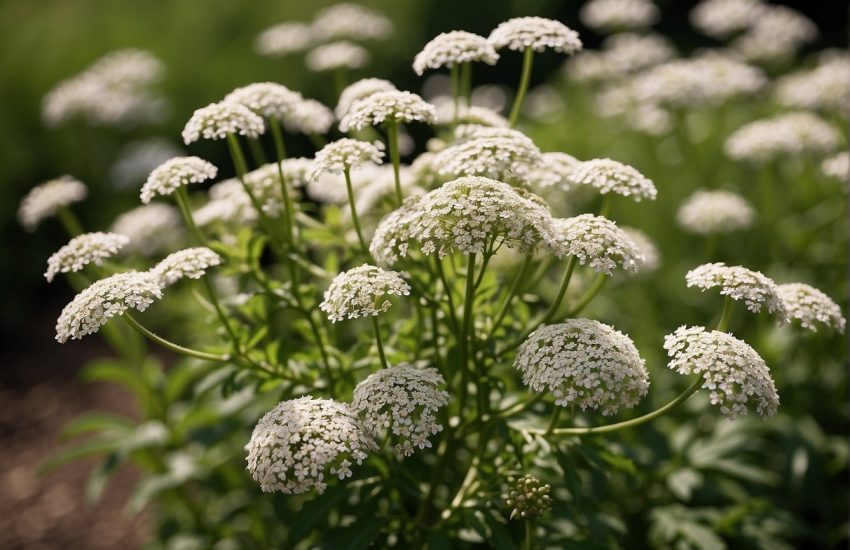
Flame Azalea (Rhododendron calendulaceum)
Rhododendron calendulaceum, commonly known as Flame Azalea or Yellow Azalea, is one of the most spectacular native flowering shrubs in North America. This deciduous member of the Ericaceae (heath) family earned its common name from the brilliant orange-red, yellow, and scarlet flowers that literally appear to set the forest on fire during peak bloom in late spring. Native to the Appalachian Mountains, Flame Azalea is renowned for creating some of the most breathtaking natural flower displays on the continent.
Growing naturally in acidic mountain soils at elevations from 1,000 to 5,000 feet, Flame Azalea forms striking colonies on forest edges, in woodland clearings, and along mountain streams. The plant’s dramatic flowers appear before or just as the leaves emerge, creating an explosion of color that can be seen for miles across mountain valleys. Individual flowers range from pale yellow to deep orange-red, often with multiple colors present on a single plant, and each cluster can contain 5 to 10 flowers that face upward toward the sky.
Beyond its spectacular spring display, Flame Azalea offers excellent year-round garden value with its attractive foliage, moderate growth habit, and outstanding fall color. The plant is also remarkably wildlife-friendly, providing nectar for butterflies and hummingbirds during its extended bloom period. For gardeners seeking a native plant that delivers both dramatic seasonal impact and exceptional ecological value, Flame Azalea represents one of the finest choices available.
Identification
Flame Azalea is a deciduous shrub that typically grows 4 to 8 feet tall and equally wide, though exceptional specimens in optimal conditions can reach 10 to 12 feet. The plant has an upright, somewhat irregular growth habit with multiple stems emerging from the base, creating a naturally rounded to oval crown that becomes more open and spreading with age.
Leaves
The leaves are simple, alternate, and clustered toward the tips of the branches, creating a distinctive whorled appearance. Each leaf is oval to oblong, 2 to 4 inches long and 1 to 2 inches wide, with a pointed tip and slightly rolled margins. The upper surface is medium to dark green with a slight sheen, while the underside is paler and may have scattered fine hairs. The leaves have short petioles and prominent midribs. In autumn, the foliage turns spectacular shades of yellow, orange, and red, often matching the intensity of the spring flowers.
Flowers
The flowers are Flame Azalea’s crowning glory — large, funnel-shaped blooms that appear in terminal clusters of 5 to 10 flowers. Individual flowers are 1½ to 2 inches across with five petals that flare outward from a narrow tube. The petals are typically yellow, orange, red, or scarlet, often with multiple colors present in the same flower or cluster. Many flowers feature prominent orange or red spots on the upper petals, adding to their visual impact. Five long stamens extend well beyond the petals, creating an elegant, spider-like appearance. The flowers have a sweet, mild fragrance and appear in late spring, typically blooming for 2 to 3 weeks.
Bark & Stems
Young stems are green to reddish-brown and covered with fine hairs. As they mature, the bark becomes smooth and gray to gray-brown. Older stems and trunks develop a slightly scaly texture. The winter buds are distinctive — large, pointed, and covered with overlapping scales that protect the developing flowers and leaves.
Fruit
Following pollination, the flowers develop into dry, woody capsules about ½ inch long that split open in fall to release numerous tiny, winged seeds. The capsules are not particularly ornamental but can persist into winter, adding subtle texture to the plant.
Quick Facts
| Scientific Name | Rhododendron calendulaceum |
| Family | Ericaceae (Heath) |
| Plant Type | Deciduous Shrub |
| Mature Height | 4–8 ft |
| Sun Exposure | Part Shade to Full Shade |
| Water Needs | Moderate |
| Bloom Time | Late Spring |
| Flower Color | Yellow, Orange, Red, Scarlet |
| USDA Hardiness Zones | 5–8 |
Native Range
Flame Azalea is native to the eastern United States, with its primary distribution in the Appalachian Mountains from southern Pennsylvania south to northern Georgia and Alabama. The species is most abundant in the Blue Ridge Mountains, Great Smoky Mountains, and other high-elevation ranges within this region, where it thrives in the acidic, well-drained soils and moderate temperatures characteristic of montane environments.
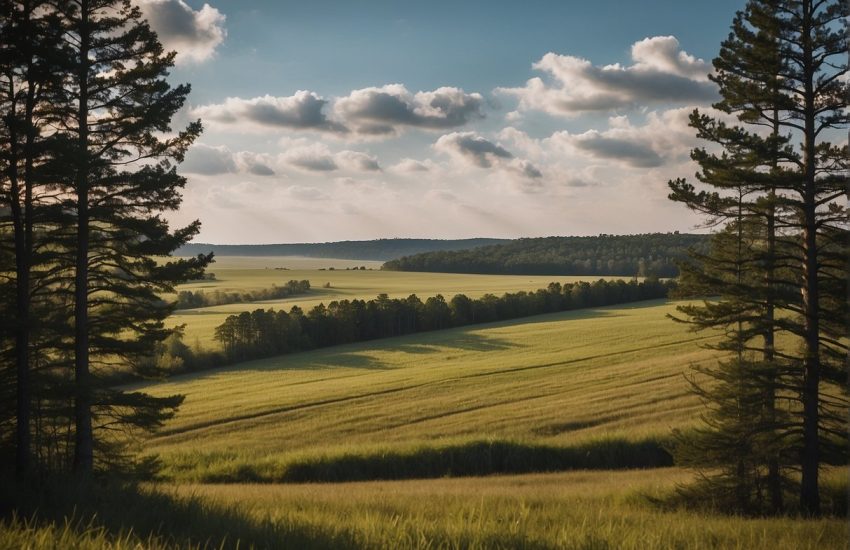
The plant’s natural habitat includes mountain slopes, forest edges, stream valleys, and woodland clearings at elevations typically ranging from 1,000 to 5,000 feet. Flame Azalea is often found growing with other acid-loving plants such as mountain laurel, rhododendrons, blueberries, and various heath family members. It prefers sites with good air circulation and protection from the harshest sun and wind exposure.
While primarily a mountain species, Flame Azalea also occurs at lower elevations in parts of its range, particularly in the Piedmont regions of the Carolinas and Georgia. Throughout its native distribution, the species is most commonly encountered in areas with reliable moisture and well-drained, organic-rich soils that remain consistently acidic.
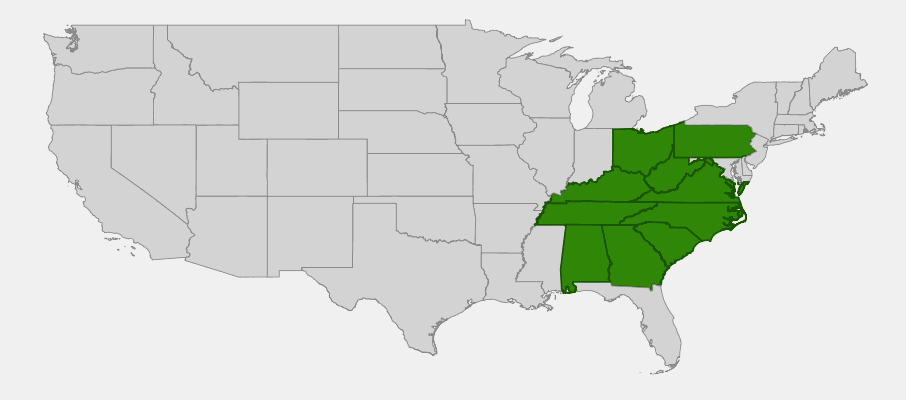
📋 Regional plant lists featuring Flame Azalea: North Carolina & South Carolina
Growing & Care Guide
Flame Azalea is considered one of the easier native azaleas to grow, adapting well to cultivation when its basic requirements for acidic soil and good drainage are met. With proper siting and care, it can thrive in gardens well beyond its native mountain habitat.
Light
Flame Azalea performs best in partial shade, particularly with morning sun and afternoon shade. In its native habitat, it often grows on the edges of forests where it receives dappled light throughout the day. While it can tolerate more sun in cooler climates, too much direct sun in hot areas can cause leaf scorch and stress. In deeper shade, the plant will grow but may produce fewer flowers and develop a more open habit.
Soil & Water
Like all rhododendrons and azaleas, Flame Azalea requires acidic soil with a pH between 4.5 and 6.0. The soil should be well-drained but consistently moist, rich in organic matter, and similar to the forest floor conditions of its native habitat. Heavy clay soils should be amended with compost, leaf mold, or other organic matter to improve drainage and structure. The plant cannot tolerate waterlogged conditions, which can lead to root rot, but it also struggles in extremely dry soils. A 2-3 inch layer of organic mulch helps maintain consistent soil moisture and temperature.
Planting Tips
Plant Flame Azalea in spring or fall when temperatures are moderate. Choose a site with morning sun and afternoon shade, or dappled light throughout the day. Space plants 6-8 feet apart to allow for mature size. When planting, dig a hole only as deep as the root ball but 2-3 times wider, as azaleas have shallow, spreading root systems. Plant at the same depth the plant was growing in the container, and water thoroughly after planting.
Pruning & Maintenance
Flame Azalea requires minimal pruning. Remove dead, damaged, or crossing branches immediately after flowering, as the plant sets flower buds for the following year in mid to late summer. Deadheading spent flowers can improve the plant’s appearance and may increase next year’s bloom, but avoid heavy pruning which can reduce flowering. The plant benefits from annual application of an acid-forming fertilizer in early spring, but avoid over-fertilization which can promote excessive vegetative growth at the expense of flowers.
Landscape Uses
Flame Azalea’s spectacular flowers and attractive growth habit make it valuable in many garden settings:
- Woodland gardens — outstanding specimen for naturalistic plantings
- Spring color displays — creates dramatic seasonal focal points
- Foundation plantings — elegant alternative to exotic flowering shrubs
- Mixed shrub borders — excellent companion for other native plants
- Hillside plantings — thrives on slopes with good drainage
- Wildlife gardens — attracts butterflies and hummingbirds
- Fall color gardens — provides excellent autumn foliage display
Wildlife & Ecological Value
Flame Azalea provides exceptional value for wildlife, particularly during its extended bloom period when it serves as a crucial nectar source for various pollinators and other beneficial insects.
For Birds
Ruby-throated hummingbirds are among the most important pollinators of Flame Azalea, attracted to the bright colors and abundant nectar of the flowers. The plant’s long stamens and flower shape are perfectly adapted for hummingbird pollination. Various songbirds may also visit the flowers for nectar, while the dense branching structure provides nesting sites and cover for small birds throughout the growing season.
For Mammals
While deer typically avoid browsing on Flame Azalea due to the toxic compounds present in the leaves, small mammals such as chipmunks and squirrels may seek shelter among the dense branches. Bear occasionally browse the flowers in areas where their ranges overlap, though this is not their preferred food source.
For Pollinators
Beyond hummingbirds, Flame Azalea attracts a variety of butterfly species, including swallowtails, fritillaries, and other large butterflies that can effectively pollinate the flowers. Native bees, including bumblebees and carpenter bees, also visit the blooms for nectar and pollen. The long bloom period provides an extended food source during the critical late spring period when many pollinators are most active.
Ecosystem Role
In forest ecosystems, Flame Azalea contributes to biodiversity by providing habitat structure and food resources that support complex food webs. The plant’s extensive shallow root system helps prevent erosion on mountain slopes, while its leaf litter contributes to soil health and supports beneficial soil organisms. As part of the understory and edge community in Appalachian forests, Flame Azalea helps create the layered habitat structure that supports diverse wildlife communities.
Cultural & Historical Uses
Flame Azalea has captured the imagination of botanists, naturalists, and garden enthusiasts since European exploration of the Appalachian Mountains began. Early botanical explorers, including John and William Bartram in the 18th century, were struck by the plant’s spectacular beauty and wrote extensively about encountering massive displays of blooming Flame Azalea in the southern mountains.
Native American tribes in the region recognized the plant but generally avoided using it medicinally due to its toxic properties. The Cherokee and other southeastern tribes were well aware that all parts of the plant contain grayanotoxins, which can be harmful to humans and livestock if consumed. This traditional knowledge helped prevent accidental poisonings and contributed to the plant’s reputation as something to be admired rather than consumed.
By the 19th century, Flame Azalea had become highly sought after by European and American horticulturists. The plant was among the first American azaleas to be widely cultivated in European gardens, where its hardiness and spectacular flowers made it extremely popular. Many of the hybrid azaleas developed in the 19th and 20th centuries incorporated Flame Azalea genetics, contributing to its bright colors and cold hardiness to garden varieties.
The plant has also played a significant role in American conservation history. The establishment of Great Smoky Mountains National Park was partly motivated by the desire to protect the spectacular wildflower displays that included vast populations of Flame Azalea. Today, the annual peak bloom of native azaleas in the park draws hundreds of thousands of visitors and contributes significantly to regional tourism economies.
Frequently Asked Questions
When is the best time to see Flame Azalea in bloom?
Peak bloom typically occurs in late April to early June, depending on elevation and latitude. Higher elevation populations bloom later than those at lower elevations. In Great Smoky Mountains National Park, the peak display usually occurs in mid to late May, but this can vary by 2-3 weeks depending on weather conditions.
Are Flame Azalea flowers toxic?
Yes, all parts of Flame Azalea contain grayanotoxins, which are toxic to humans, pets, and livestock if consumed. The flowers, leaves, and stems should never be eaten. However, the plant is safe to grow in gardens where children and pets are present as long as ingestion is avoided.
Can Flame Azalea grow in full sun?
While Flame Azalea can tolerate some direct sun, it performs best in partial shade, particularly with protection from hot afternoon sun. In full sun, the plant may experience leaf scorch, reduced vigor, and shorter bloom periods, especially in warmer climates.
How long does it take for Flame Azalea to reach blooming size?
Young plants typically begin flowering when they reach 2-3 feet tall, usually 3-5 years after planting depending on the initial size. Full, mature displays develop as the plant reaches 4-6 feet, typically after 5-8 years of growth.
Can I grow Flame Azalea outside its native range?
Flame Azalea can be successfully grown in USDA zones 5-8, even outside its native Appalachian range, as long as acidic soil and adequate moisture are provided. The plant has proven adaptable to cultivation in the Midwest, Northeast, and Pacific Northwest where soil conditions are suitable.

Looking for a nursery that carries Flame Azalea?
Browse our native plant nursery directory: North Carolina · South Carolina