Blue Star (Amsonia tabernaemontana)
Amsonia tabernaemontana, commonly known as Blue Star or Eastern Bluestar, is an elegant native perennial that brings refined beauty and exceptional four-season interest to gardens throughout the southeastern United States. This member of the Apocynaceae (dogbane) family is renowned for its clusters of delicate, pale blue, star-shaped flowers that create a soft, ethereal display in late spring, followed by outstanding golden-yellow fall foliage that rivals any ornamental plant.
Native to moist woodlands and stream banks from North Carolina south through South Carolina and into parts of Georgia and Florida, Blue Star represents the perfect combination of understated elegance and reliable performance. The plant forms neat, upright clumps 2 to 3 feet tall and wide, with willowy stems clothed in narrow, lance-shaped leaves that create fine-textured foliage throughout the growing season.
Blue Star’s adaptability to various growing conditions, from full sun to partial shade and moist to moderately dry soils, makes it an excellent choice for both formal perennial borders and naturalized woodland gardens. Its late spring blooming period provides crucial nectar for pollinators when many other flowers have finished, while its exceptional fall color extends the season of interest well into autumn.
Identification
Blue Star is a clump-forming herbaceous perennial that typically grows 2 to 3 feet tall and equally wide. The plant has a distinctive upright, vase-shaped growth habit with multiple stems arising from a central crown.
Stems & Growth Habit
The stems are slender, upright, and slightly arching, with a smooth texture and light green to reddish coloration. When broken, the stems exude a milky white sap, which is characteristic of the dogbane family. The overall growth habit is neat and tidy, forming attractive, non-spreading clumps that maintain their shape throughout the growing season.
Leaves
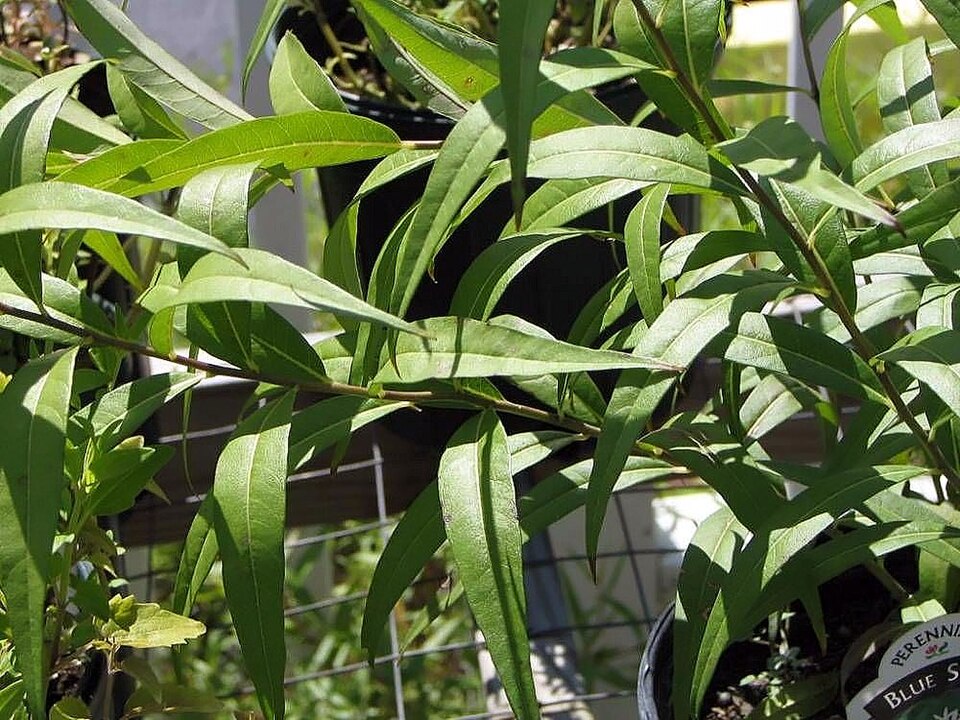
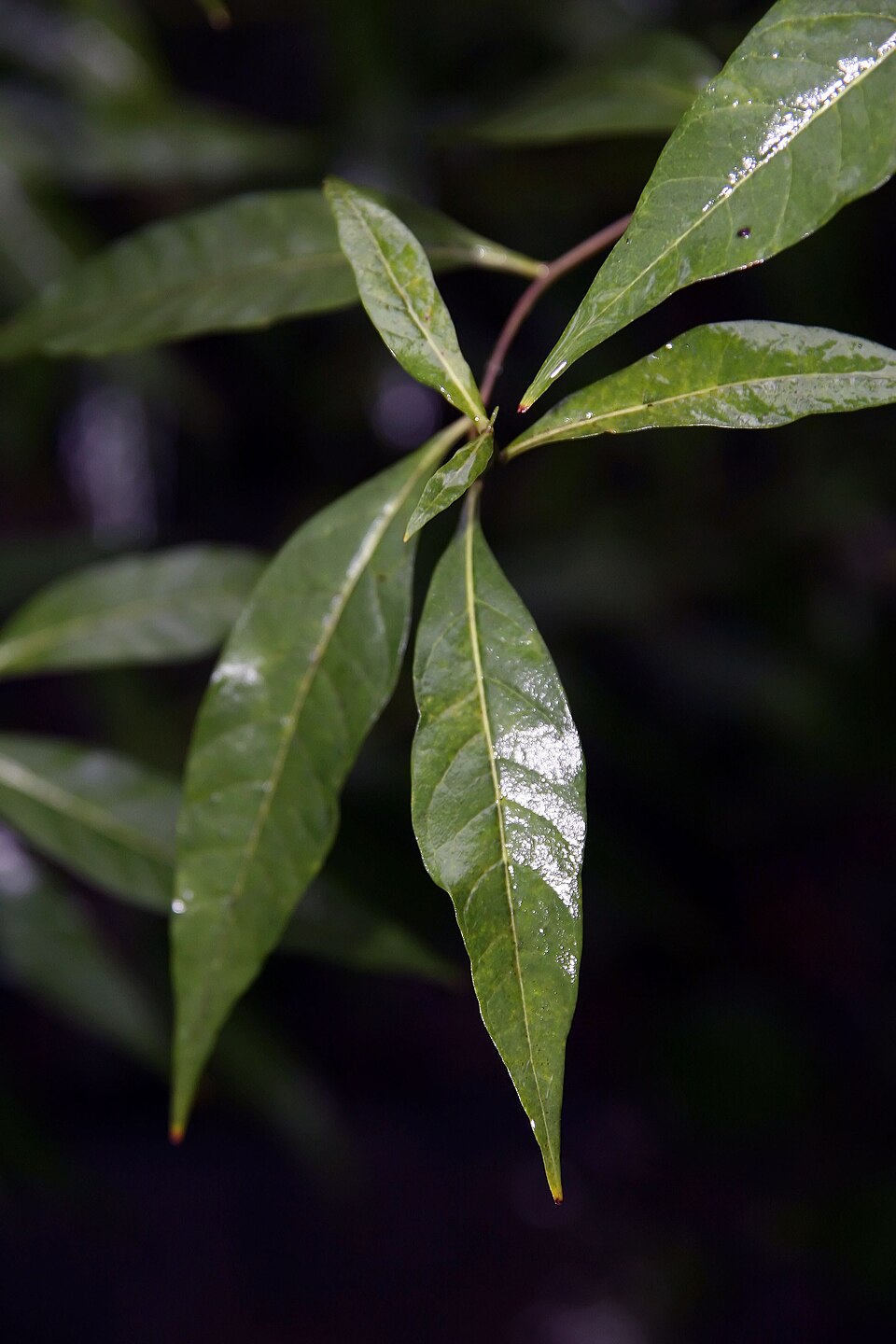
The leaves are alternate, narrow, and lance-shaped, typically 2 to 4 inches long and ½ to 1 inch wide. They are smooth-edged with prominent parallel veining and a glossy, dark green surface during the growing season. The leaves are arranged densely along the stems, creating a fine-textured, almost willow-like appearance. In fall, the foliage transforms into brilliant shades of golden-yellow, often with orange and red highlights, creating one of the most spectacular fall displays of any native perennial.
Flowers
The flowers are Blue Star’s most distinctive feature — small, star-shaped blooms about ½ inch across, with five narrow, pointed petals that create a perfect star shape. The flowers are typically pale blue to steel-blue in color, though they can occasionally appear almost white. They are arranged in loose, terminal clusters (cymes) at the ends of the stems, creating a soft, cloud-like effect when in full bloom. The flowering period typically occurs from late April through May, depending on location and weather conditions.
Fruit & Seeds
After flowering, Blue Star produces pairs of slender, bean-like follicles (seed pods) that are initially green but turn brown as they mature. The pods split open to release numerous small seeds, each equipped with a tuft of silky white hairs that aid in wind dispersal. The seed pods add subtle textural interest to the plant even after the flowers have faded.
Quick Facts
| Scientific Name | Amsonia tabernaemontana |
| Family | Apocynaceae (Dogbane) |
| Plant Type | Herbaceous Perennial |
| Mature Height | 2–3 ft |
| Sun Exposure | Full Sun to Part Shade |
| Water Needs | Moderate |
| Bloom Time | April – May |
| Flower Color | Pale blue to steel-blue |
| USDA Hardiness Zones | 5–9 |
Native Range
Blue Star has a relatively limited but distinctive native range, being primarily found in the southeastern United States. Its natural distribution extends from North Carolina and South Carolina south into Georgia and northern Florida, with scattered populations in eastern Tennessee and parts of Alabama. This distribution pattern reflects the species’ preference for the warm, humid conditions and well-drained soils typical of the southeastern Coastal Plain and Piedmont regions.
Throughout its native range, Blue Star typically inhabits rich, moist woodlands, particularly those along stream banks and in floodplains where it receives partial shade and consistent moisture during the growing season. It is often found in association with other southeastern natives such as Cardinal Flower, Wild Ginger, and various ferns in the understory of mixed hardwood forests dominated by oaks, hickories, and maples.
The species shows remarkable adaptability within its native range, growing successfully from near sea level in the Coastal Plain to elevations of several thousand feet in the southern Appalachian foothills. This adaptability has made it an excellent candidate for cultivation well beyond its natural range, where it has proven hardy and reliable in gardens throughout the eastern United States.
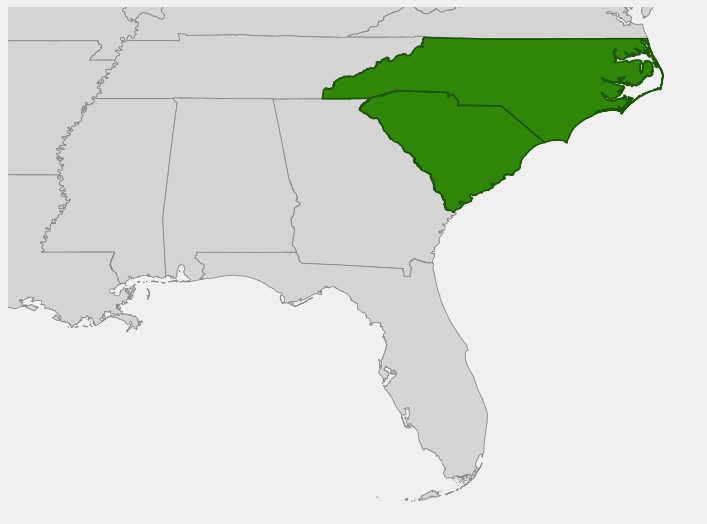
📋 Regional plant lists featuring Blue Star: North Carolina & South Carolina
Growing & Care Guide
Blue Star is an exceptionally low-maintenance native perennial that adapts well to various garden conditions while providing reliable beauty year after year.
Light
Blue Star performs well in full sun to partial shade, though its flowering and fall color are typically best with at least 4-6 hours of direct sunlight daily. In its native woodland habitat, it often receives filtered sunlight or morning sun with afternoon shade. In northern climates, it can handle full sun with adequate moisture, while in hot southern areas, some afternoon shade is beneficial to prevent leaf scorch during the hottest part of summer.
Soil & Water
This species thrives in rich, well-drained soil with consistent moisture, particularly during the growing season. It prefers slightly acidic to neutral soil (pH 6.0–7.0) amended with organic matter such as compost or leaf mold. While Blue Star appreciates regular watering, especially during dry periods, it is reasonably drought-tolerant once established. Avoid waterlogged conditions, which can lead to root rot and other fungal issues.
Planting Tips
Plant Blue Star in spring or early fall, spacing plants 2 to 3 feet apart to allow for their mature spread. Choose locations with morning sun and good air circulation. When planting, work compost into the soil to improve drainage and fertility. Water regularly during the first growing season to help establish a strong root system.
Pruning & Maintenance
Blue Star requires minimal maintenance once established. Deadhead spent flowers if you want to prevent self-seeding, or leave them to develop into attractive seed pods. In late fall or early spring, cut stems back to about 6 inches from the ground. The plant rarely needs division but can be divided every 5-7 years if desired to propagate new plants.
Landscape Uses
Blue Star’s elegant form and reliable performance make it valuable in various garden settings:
- Perennial borders — provides spring color and excellent fall foliage
- Woodland gardens — perfect for naturalized shade plantings
- Rain gardens — tolerates periodic moisture fluctuations
- Pollinator gardens — important early-season nectar source
- Cut flower gardens — flowers and foliage excellent for arrangements
- Foundation plantings — neat habit works well near buildings
- Mass plantings — creates stunning displays when planted in groups
Wildlife & Ecological Value
Despite its refined appearance, Blue Star provides important ecological services and supports various forms of wildlife throughout the growing season.
For Pollinators
The star-shaped flowers provide nectar for a variety of native pollinators, including native bees, butterflies, and beneficial flies. The late spring blooming period makes Blue Star particularly valuable for pollinators emerging after winter or migrating through the area in May. Long-tongued bees and small butterflies are especially attracted to the abundant clusters of pale blue flowers.
For Butterflies & Moths
Blue Star serves as a host plant for several species of sphinx moths, whose caterpillars feed on the foliage. The adult moths are important nighttime pollinators of various native plants. Additionally, the nectar-rich flowers attract day-flying butterflies, including skippers and small blues that are active during the spring flowering period.
For Birds
The seeds of Blue Star, equipped with silky hairs for wind dispersal, are consumed by various seed-eating songbirds, particularly goldfinches and other small finches. The dense clumps also provide shelter and nesting material for ground-dwelling birds and small wildlife.
Ecosystem Role
As a native member of southeastern woodland communities, Blue Star contributes to the structural diversity of forest understories. Its deep root system helps prevent soil erosion, while its seasonal growth cycle supports various soil organisms and beneficial insects that are crucial components of healthy woodland ecosystems.
Cultural & Historical Uses
Blue Star has a more limited ethnobotanical history compared to some other native plants, partly due to its restricted natural range and the toxic properties of its milky sap. However, some southeastern Indigenous groups were aware of the plant and used it cautiously for specific medicinal purposes. The Cherokee occasionally used small amounts of the root in traditional medicines, though the plant’s toxicity required careful preparation and expertise.
The milky sap contains cardiac glycosides and other compounds that make the plant toxic to mammals if consumed in significant quantities. This natural protection likely contributed to the plant’s survival in areas where other palatable natives were heavily browsed by deer and livestock.
In modern times, Blue Star has gained recognition primarily as an exceptional ornamental plant rather than for practical uses. Its discovery by horticulturists and native plant enthusiasts in the mid-20th century led to its introduction into cultivation, where it quickly gained popularity for its unique combination of delicate spring flowers and outstanding fall color.
Today, Blue Star is increasingly valued in sustainable landscaping and ecological restoration projects throughout the southeastern United States. Plant breeders have also developed several cultivars with varying flower colors and plant sizes, though the straight species remains the most ecologically valuable for supporting native wildlife.
Frequently Asked Questions
Is Blue Star toxic to pets or children?
Yes, all parts of Blue Star contain cardiac glycosides and other toxic compounds. The milky sap can cause skin irritation in sensitive individuals, and ingestion can be harmful. Keep children and pets away from the plant, and wear gloves when handling it.
Why isn’t my Blue Star blooming well?
Poor flowering is usually due to insufficient sunlight. Blue Star needs at least 4-6 hours of direct sun daily for optimal flowering. Excessive nitrogen fertilization can also promote foliage growth at the expense of flowers.
How long does it take for Blue Star to establish?
Blue Star typically establishes within one growing season and reaches full size in 2-3 years. It’s relatively slow to spread but forms increasingly impressive clumps over time without becoming invasive.
Can I grow Blue Star from seed?
Yes, Blue Star can be grown from seed, though it may take 2-3 years to reach blooming size. Collect seeds when the pods begin to split open and sow them immediately, or stratify them in the refrigerator for spring planting.
Does Blue Star need winter protection?
In zones 5-9, Blue Star is completely hardy and needs no winter protection. Cut back the stems in late fall or early spring, and new growth will emerge from the crown when warm weather returns.

Looking for a nursery that carries Blue Star?
Browse our native plant nursery directory: North Carolina · South Carolina