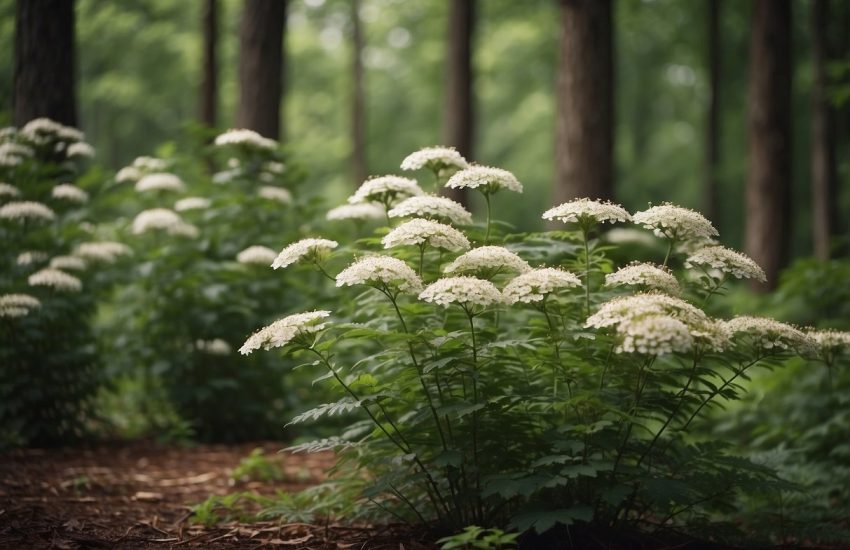
Silky Willow (Salix sericea)
Salix sericea, commonly known as Silky Willow, is a graceful native deciduous shrub or small tree of eastern North America that plays a crucial role in wetland ecosystems and riparian habitats. This remarkable member of the Salicaceae (willow) family is distinguished by its silvery-silky leaves that shimmer in the breeze and its exceptional wildlife value, particularly for early-season pollinators and songbirds.
Found naturally in swamps, wet meadows, and along streambanks from Canada to the southeastern United States, Silky Willow thrives in areas where many other woody plants struggle. Its remarkable tolerance for waterlogged soils and seasonal flooding makes it an invaluable species for erosion control, wetland restoration, and rain gardens. The distinctive silky-white undersides of its leaves, which give the species its common name, create a beautiful shimmering effect when stirred by wind.
Despite often being overlooked in favor of showier native plants, Silky Willow provides exceptional ecological value while requiring minimal maintenance once established. Its early spring catkins are among the first pollen sources of the year, supporting native bees and other beneficial insects when few other flowers are available. For gardeners seeking to create authentic wetland habitats or manage challenging wet sites, Silky Willow offers both practical solutions and four-season beauty.
Identification
Silky Willow typically grows as a multi-stemmed shrub or small tree, reaching 6 to 12 feet tall (occasionally up to 15 feet) with an equal or greater spread. The growth form is variable, ranging from a dense, rounded shrub in open sunny locations to a more open, upright small tree in partial shade. Young twigs are reddish-brown to purplish, becoming gray-brown with age.
Bark
The bark on young stems is smooth and reddish-brown to purple-brown, often with a slight waxy coating that helps the plant retain moisture. As the stems age, the bark becomes gray-brown and may develop shallow furrows. The inner bark is typically yellowish-green. Winter twigs are brittle at the base, a characteristic shared with most willows that helps distinguish them from similar-looking shrubs.
Leaves
The leaves are simple, alternate, and lanceolate to narrowly oval, measuring 2 to 4½ inches (5-11.5 cm) long and ½ to 1½ inches (1.3-3.8 cm) wide. The upper surface is dark green and smooth, while the underside is covered with silky white to silver-gray hairs that give the species its distinctive name. The leaf margins are finely serrated, and the petioles (leaf stalks) are short, typically ⅛ to ¼ inch long. In autumn, the foliage turns yellow before dropping, though fall color is often brief and not particularly showy.
Flowers & Fruit
Like all willows, Silky Willow is dioecious, meaning individual plants are either male or female. The flowers appear as catkins in early spring before or with the emerging leaves, typically in March to May depending on latitude and local climate. Male catkins are ¾ to 2 inches (2-5 cm) long, densely packed with yellow stamens that produce abundant pollen. Female catkins are similar in size but less showy, developing into clusters of small capsules that split open in late spring to release tiny seeds equipped with silky white hairs that aid in wind dispersal.
Quick Facts
| Scientific Name | Salix sericea |
| Family | Salicaceae (Willow) |
| Plant Type | Deciduous Shrub / Small Tree |
| Mature Height | 12 ft |
| Sun Exposure | Full Sun to Part Shade |
| Water Needs | High to Moderate |
| Bloom Time | March – May |
| Flower Color | Yellow (male), Green-yellow (female) |
| USDA Hardiness Zones | 4–8 |
Native Range
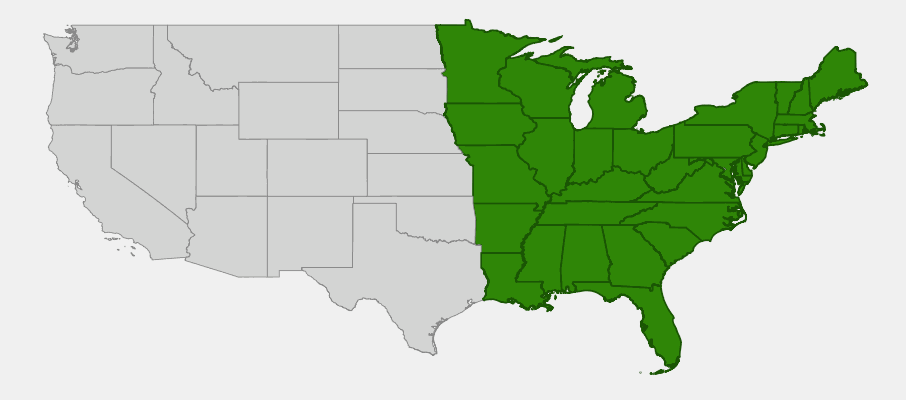
Silky Willow has one of the most extensive ranges of any North American willow, stretching from southern Canada south to Florida and from the Atlantic coast west to the Great Plains. It is found throughout the eastern United States and southeastern Canada, thriving in the diverse wetland habitats of this vast region. The species demonstrates remarkable ecological adaptability, growing in everything from northern boreal bogs to southeastern coastal swamps.
In its native range, Silky Willow typically occupies wet to very wet sites including swamps, marshes, wet meadows, streambanks, lakeshores, and the edges of ponds and slow-moving waterways. It is particularly common in areas subject to seasonal flooding or with consistently high water tables. The species often forms dense colonies through root sprouting, creating extensive willow thickets that provide valuable wildlife habitat and erosion control.
Historically, Silky Willow populations have remained relatively stable across most of their range, though localized declines have occurred due to wetland loss and alteration. The species’ tolerance for disturbed sites and ability to colonize newly created wetlands have helped it adapt to human-modified landscapes better than many other wetland specialists.
📋 Regional plant lists featuring Silky Willow: North Carolina & South Carolina
Growing & Care Guide
Silky Willow is an exceptionally easy native plant to grow, provided you can meet its primary requirement for consistent moisture. Its adaptability to various soil types, tolerance for flooding, and minimal maintenance needs make it an excellent choice for challenging wet sites where other plants fail.
Light
Silky Willow grows well in full sun to partial shade, though it performs best with at least 6 hours of direct sunlight per day. In full sun, plants develop a denser, more compact form and produce more abundant flowering catkins. In partial shade, they tend to grow taller and more open, reaching toward available light. The species tolerates deep shade but may become spindly and flower poorly under these conditions.
Soil & Water
The key to success with Silky Willow is providing consistently moist to wet soil. The species thrives in areas with seasonal flooding, high water tables, or continuous irrigation. It tolerates a wide range of soil types including clay, loam, sandy soils, and muck, as long as moisture is adequate. Soil pH can range from quite acidic (4.5) to neutral (7.0) with optimal growth occurring in slightly acidic conditions (5.5-6.5). Once established, Silky Willow is remarkably drought-tolerant for short periods, but prolonged dry conditions will cause leaf drop and stress.
Planting Tips
Plant Silky Willow in early spring or fall when temperatures are moderate and rainfall is typically more abundant. If planting near water features, position plants where they can benefit from runoff and seasonal high water. Space plants 6-8 feet apart for screening purposes, or allow more space (10-15 feet) for specimen plantings. The species transplants easily and establishes quickly, often showing new growth within weeks of planting.
Pruning & Maintenance
Silky Willow requires minimal pruning, though it responds well to management if desired. For a more tree-like form, gradually remove lower branches over several years. For dense screening or wildlife habitat, allow natural multi-stem growth. The species can be cut back hard in late winter if it becomes overgrown – it will resprout vigorously from the base. Remove any dead or damaged wood as needed, and thin crowded stems occasionally to improve air circulation.
Landscape Uses
Silky Willow excels in several landscape applications:
- Wetland restoration and rain garden plantings
- Erosion control along streams, ponds, and slopes
- Wildlife habitat gardens, especially for early-season pollinators
- Natural screening in wet areas where other plants fail
- Pollinator gardens – provides crucial early-season pollen and nectar
- Bird habitat – dense growth provides nesting sites and cover
- Naturalistic plantings in parks, preserves, and large properties
Wildlife & Ecological Value
Silky Willow provides exceptional value to native wildlife and represents one of the most ecologically important shrubs in eastern North America. Its early flowering time, dense growth habit, and specialized relationships with native insects make it a keystone species in wetland ecosystems.
For Birds
Silky Willow supports over 50 species of birds throughout the year. The dense, multi-stemmed growth provides excellent nesting habitat for Red-winged Blackbirds, Common Yellowthroats, American Goldfinches, and many other songbirds. The abundant seed production feeds numerous finches and sparrows, while the soft catkin material is used for nest lining. During winter, the dense branching structure offers critical thermal cover and roosting sites for overwintering birds.
For Mammals
White-tailed deer, moose, and rabbits browse the tender twigs and leaves, particularly in late winter when other food sources are scarce. Beaver extensively use willow species for both food and dam construction, with Silky Willow being a preferred species where available. The bark contains salicin (the precursor to aspirin), which may provide medicinal benefits to animals that consume it. Small mammals like voles and shrews find shelter in the dense root systems and fallen leaf litter.
For Pollinators
This is where Silky Willow truly shines in ecological terms. As one of the earliest flowering woody plants in eastern North America, it provides critical pollen and nectar resources when few other flowers are available. The species supports over 40 species of native bees, including specialized willow-dependent species. Honeybees also heavily utilize the catkins, often gathering their first pollen loads of the season from willow flowers. The abundance of early pollen helps support bee colony health and reproduction during the crucial early season period.
Ecosystem Role
Silky Willow serves as a host plant for numerous insects, including several specialized moths and butterflies. The Mourning Cloak butterfly and various sphinx moths use willow species as larval host plants. The dense colonies formed by root sprouting create distinctive wetland communities that support specialized plant and animal assemblages. The extensive root systems help stabilize soil, reduce erosion, and filter runoff, improving water quality in adjacent water bodies.
Cultural & Historical Uses
Silky Willow has been utilized by Indigenous peoples of eastern North America for thousands of years, with traditional uses documented among dozens of tribal nations. The inner bark was widely used medicinally, containing natural compounds related to modern aspirin. Various tribes, including the Cherokee, Chippewa, and Iroquois, prepared teas and poultices from the bark to treat pain, fever, and inflammation.
Beyond medicinal applications, the flexible young shoots were used in basket weaving, though Silky Willow was generally considered inferior to other willow species for this purpose due to its smaller size. The species was also important as an indicator plant – its presence signaled reliable water sources and good fishing locations to traveling Indigenous peoples. Traditional ecological knowledge recognized willows as “first foods” of spring, both for the early pollen they provided to important insects and for their role in indicating seasonal changes.
European settlers quickly adopted many Indigenous uses of willows, and by the 1800s, various Salix species were being studied for their medicinal properties. This eventually led to the development of aspirin from willow-derived compounds. In contemporary times, Silky Willow is increasingly valued for ecological restoration, stormwater management, and sustainable landscaping. Modern research has confirmed many traditional uses, with willow bark extracts showing proven anti-inflammatory and analgesic properties.
Frequently Asked Questions
How fast does Silky Willow grow?
Silky Willow is a fast-growing species, typically adding 2-4 feet per year under favorable conditions. Young plants can reach mature size within 5-7 years, making it an excellent choice for quick establishment of wildlife habitat or erosion control.
Will Silky Willow grow in standing water?
Yes, Silky Willow tolerates seasonal flooding and can survive with its roots submerged for extended periods. However, it performs best in areas with fluctuating water levels rather than permanent standing water. It’s ideal for seasonally wet areas that dry out periodically.
Is Silky Willow invasive or aggressive?
While Silky Willow spreads by root sprouts and can form colonies, it is native and not considered invasive. Its spread is typically slow to moderate and can be controlled by mowing or pruning around the desired area. The colony-forming habit is actually beneficial for erosion control and wildlife habitat.
When do the catkins appear and how long do they last?
Male catkins typically appear in early spring (March-April in most areas) before the leaves emerge, lasting 2-3 weeks. The timing varies by location and weather, but they’re usually among the first tree flowers of the season. Female catkins are less showy but appear at the same time.
Can I grow Silky Willow in a rain garden?
Absolutely! Silky Willow is an excellent rain garden plant. It tolerates both the wet conditions during heavy rains and the drier periods between storms. Its extensive root system helps absorb excess water while providing four-season structure and wildlife value to the rain garden.

Looking for a nursery that carries Silky Willow?
Browse our native plant nursery directory: North Carolina · South Carolina