Carolina Rhododendron (Rhododendron carolinianum)
Rhododendron carolinianum, commonly known as Carolina Rhododendron, is one of the most enchanting native evergreen shrubs of the Appalachian Mountains, offering gardeners a perfect combination of refined beauty and mountain hardiness. This exceptional member of the Ericaceae family transforms spring landscapes with clusters of delicate light pink to rose-pink flowers, creating stunning displays that rival any ornamental shrub — yet it remains perfectly adapted to the challenging conditions of its high-elevation native habitat.
Standing 3 to 5 feet tall with a naturally dense, rounded form, Carolina Rhododendron is distinctly smaller than its larger cousins, the Great Rhododendron (R. maximum) and Catawba Rhododendron (R. catawbiense). This compact size, combined with its tolerance for both part shade and full shade conditions, makes it an ideal choice for woodland gardens, foundation plantings, and naturalizing beneath tall trees. The glossy, evergreen foliage provides year-round structure, while the undersides of leaves display a distinctive rusty-brown indumentum — a felt-like coating that helps distinguish it from other rhododendrons.
Endemic to the southern Appalachian Mountains across North Carolina, South Carolina, Virginia, Tennessee, and Georgia, Carolina Rhododendron thrives in the acidic, well-drained soils of mountain slopes and ridges, typically at elevations between 3,000 and 6,000 feet. In the wild, it often forms extensive colonies on rocky outcrops and in open woodlands, creating spectacular spring displays that attract hikers and botanists from across the region. For native plant enthusiasts, this species represents an excellent opportunity to bring authentic Appalachian beauty to home landscapes while supporting the specialized pollinators and wildlife that depend on native rhododendrons.
Identification
Carolina Rhododendron typically grows as a dense, evergreen shrub reaching 3 to 5 feet tall, though exceptional specimens in ideal conditions can occasionally reach 6 feet. The growth form is naturally compact and rounded, with multiple stems arising from the base, creating an attractive mounded shape that requires little to no pruning to maintain its form. The branching pattern is relatively open, allowing light to penetrate the interior and contributing to the plant’s overall health and vigor.
Leaves
The leaves are simple, evergreen, and alternately arranged, measuring 2 to 4 inches long and ¾ to 1¼ inches wide. They are elliptical to oblong-elliptical in shape with entire margins and a leathery texture that helps them withstand mountain weather extremes. The upper surface is dark green and glossy, while the underside displays a distinctive rusty-brown to orange-brown indumentum — a dense, felt-like coating of minute hairs that is one of the species’ most reliable identifying features. This indumentum not only aids in identification but also serves as protection against moisture loss and temperature extremes.
The leaf arrangement creates an attractive evergreen display throughout the year, with new growth emerging as bright green shoots in spring before maturing to the characteristic dark green. The leaves persist for 2-3 years before dropping, ensuring continuous foliage coverage. The petioles (leaf stems) are short, typically ¼ to ½ inch long, and often display the same rusty indumentum as the leaf undersides.
Flowers
The flowers are the Carolina Rhododendron’s most celebrated feature, appearing in mid to late May in terminal clusters called umbels. Each cluster typically contains 4 to 6 individual flowers, though robust specimens may produce clusters with up to 8 flowers. Individual flowers are bell-shaped (campanulate), measuring about 1 to 1½ inches across, with five petals that range in color from pale pink to deeper rose-pink, occasionally with subtle lavender undertones.
The flowers display the classic rhododendron form: five stamens extending beyond the petals, with anthers that mature from pale yellow to golden-brown, and a single prominent pistil rising above the stamens. The flower buds are formed the previous year and overwinter as distinctive, pointed, brown structures that gradually swell and show color as spring temperatures warm. The flowering period typically lasts 2-3 weeks, creating a spectacular but relatively brief display that marks the height of spring in the mountains.
What makes Carolina Rhododendron flowers particularly special is their delicate coloring and the way they cluster along the branch tips, creating the impression of pink clouds hovering above the dark green foliage. The flowers are also notably fragrant, particularly in the evening, with a sweet, honey-like scent that attracts native pollinators.
Fruit
Following successful pollination, the flowers develop into small, dry capsules about ¼ to ⅜ inch long. These capsules are initially green, maturing to brown in late summer or fall. When ripe, they split open to release numerous tiny, dust-like seeds equipped with wings to aid in wind dispersal. The capsules persist through winter, providing subtle textural interest and serving as a seed source for natural propagation.
Bark & Stems
Young stems are green to reddish-brown and may display some of the rusty indumentum characteristic of the leaves. As stems mature, the bark becomes grayish-brown and develops a slightly fissured texture on older, thicker branches. The branching pattern is generally upright-spreading, creating the species’ characteristic dense, rounded form without requiring pruning.
Quick Facts
| Scientific Name | Rhododendron carolinianum |
| Family | Ericaceae (Heath) |
| Plant Type | Evergreen Shrub |
| Mature Height | 3–5 ft |
| Sun Exposure | Part Shade to Full Shade |
| Water Needs | Moderate |
| Bloom Time | Mid to Late May |
| Flower Color | Light to Dark Pink |
| USDA Hardiness Zones | 5–8 |
Native Range
Carolina Rhododendron is endemic to the southern Appalachian Mountains, where it occupies a specific ecological niche on mountain slopes, ridges, and rocky outcrops. The species is naturally distributed across North Carolina, South Carolina, Virginia, Tennessee, and Georgia, typically at elevations ranging from 3,000 to 6,000 feet above sea level. This high-elevation habitat subjects the plant to significant temperature fluctuations, strong winds, and periodic ice and snow — conditions that have shaped its compact growth form and hardy constitution.
Within its native range, Carolina Rhododendron shows a preference for well-drained, acidic soils derived from granite, gneiss, and other crystalline rocks characteristic of the Appalachian region. It commonly grows on north- and east-facing slopes where it receives protection from the harsh afternoon sun, and in forest openings created by natural disturbances or rocky terrain. The species often forms extensive colonies through underground root systems and natural seeding, creating spectacular spring displays on mountain balds and in open woodlands.
The distribution pattern reflects the species’ adaptation to the unique climate of the southern Appalachians, where cool, moist conditions prevail even at lower elevations due to the mountainous terrain. Carolina Rhododendron is particularly associated with the Blue Ridge Mountains, where some of the most spectacular natural populations can be found in areas like Roan Mountain (on the Tennessee-North Carolina border), Mount Mitchell in North Carolina, and various peaks throughout the Great Smoky Mountains National Park.
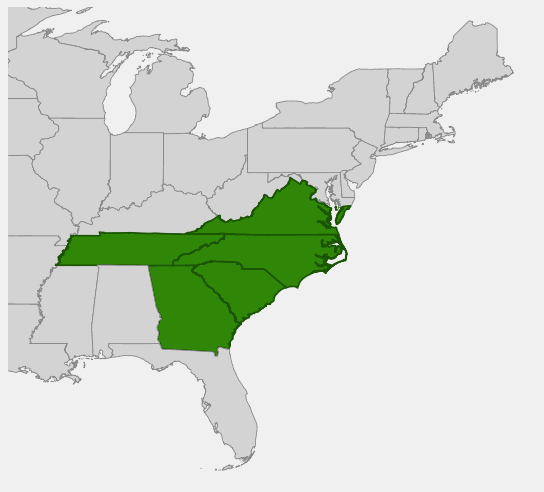
📋 Regional plant lists featuring Carolina Rhododendron: North Carolina & South Carolina
Growing & Care Guide
Carolina Rhododendron is surprisingly adaptable to cultivation, especially considering its specialized mountain habitat. Success with this species depends on understanding and replicating the key conditions of its native environment: acidic, well-drained soil, consistent moisture, and protection from harsh afternoon sun and drying winds.
Light
Carolina Rhododendron thrives in partial shade to full shade conditions, making it ideal for woodland gardens and areas beneath tall trees. In its native habitat, it typically receives dappled sunlight filtered through the forest canopy or grows on north-facing slopes with limited direct sun exposure. While it can tolerate some morning sun, protection from hot afternoon sun is essential, particularly in lower-elevation or more southerly locations.
In cultivation, the ideal location provides bright, indirect light or filtered sunlight for most of the day. Too much direct sun can cause leaf scorch and stress, while too little light may reduce flowering. The species’ shade tolerance makes it valuable for challenging garden situations where many flowering shrubs struggle.
Soil & Water
Soil requirements are critical for Carolina Rhododendron success. The species requires acidic soil with a pH between 4.5 and 6.0, well-draining yet moisture-retentive texture, and high organic matter content. In nature, it grows in soils derived from granite and other acidic rocks, often with a thick layer of decomposing organic matter from fallen leaves and other forest debris.
To replicate these conditions, amend heavy clay soils with coarse organic matter like pine bark, leaf mold, or aged compost. For sandy soils, add peat moss or compost to improve moisture retention. The root system is shallow and fibrous, making the plant sensitive to both drought and waterlogged conditions. Maintain consistent soil moisture without allowing the soil to become soggy, and apply a 2-3 inch layer of organic mulch to help regulate soil temperature and moisture.
Planting Tips
Plant Carolina Rhododendron in fall or early spring when temperatures are cool and moisture is abundant. Choose a site protected from strong winds and afternoon sun. When planting, dig a hole only as deep as the root ball but twice as wide, as the roots prefer to spread horizontally rather than grow deeply. Plant at the same level the shrub was growing in its container, or slightly higher to ensure good drainage.
Space multiple plants 4-6 feet apart to allow for mature spread, or closer for a more immediate screening effect. In areas outside the natural range, consider creating a microclimate by planting on the north side of buildings or beneath high-branched trees that provide overhead protection while allowing air circulation.
Pruning & Maintenance
Carolina Rhododendron requires minimal pruning, developing its naturally attractive form with little intervention. Remove dead, damaged, or crossing branches in late winter before new growth begins. If pruning for size control is necessary, do so immediately after flowering to avoid removing next year’s flower buds, which form in summer.
The species is naturally pest-resistant but may occasionally be affected by lace bugs, aphids, or scale insects. Root rot can occur in poorly drained soils, making proper site selection and soil preparation crucial. Regular applications of organic mulch and occasional feeding with an acid-loving plant fertilizer will keep plants healthy and flowering well.
Landscape Uses
Carolina Rhododendron serves multiple roles in the landscape:
- Foundation plantings on the north or east sides of buildings
- Woodland gardens and native plant landscapes
- Mass plantings for naturalistic effect on slopes or in large gardens
- Accent specimens in shaded borders and mixed plantings
- Understory plantings beneath tall trees
- Rock gardens and alpine-style plantings at appropriate elevations
- Container growing for patios and terraces in appropriate climates
Wildlife & Ecological Value
Carolina Rhododendron provides significant ecological benefits, supporting a variety of native wildlife species while contributing to the complex web of relationships that characterize healthy Appalachian forest ecosystems.
For Birds
The dense, evergreen growth of Carolina Rhododendron provides valuable year-round shelter and nesting sites for small songbirds. Species such as Dark-eyed Juncos, Carolina Wrens, and various warblers utilize the shrub’s protected interior for nesting and roosting. The spring flowering period coincides with peak bird breeding season, and the nectar-rich flowers attract insects that serve as important protein sources for feeding nestlings.
While the shrub itself doesn’t produce berries, it supports numerous insects that birds depend on throughout the year. The evergreen foliage provides crucial winter cover in the harsh mountain environment, offering protection from wind, snow, and temperature extremes that can be life-threatening for small birds.
For Mammals
White-tailed deer occasionally browse Carolina Rhododendron foliage, though the plant’s natural toxins make it less palatable than many other shrubs. Small mammals like chipmunks and various mouse species may use the shrub’s base for shelter and nesting sites. Black bears, common throughout the species’ range, may brush against or move through rhododendron thickets but typically don’t consume the plant.
For Pollinators
The flowers of Carolina Rhododendron are particularly valuable for native bees, including bumblebees and various solitary bee species that are active during the May flowering period. The bell-shaped flowers are perfectly designed for bee pollination, with stamens positioned to dust visiting bees with pollen as they seek nectar from the flower’s base.
Native butterflies and moths also visit the flowers, including several specialized Lepidoptera species that depend on native rhododendrons and related Ericaceae family plants. The timing of bloom coincides with the emergence of many native pollinators from winter dormancy, making Carolina Rhododendron an important early-season nectar source in mountain ecosystems.
Ecosystem Role
Carolina Rhododendron plays several important ecological roles in its native habitat. As an evergreen shrub, it contributes to year-round forest structure and helps moderate soil temperature and moisture levels through its persistent canopy. The plant’s shallow, fibrous root system helps stabilize soil on steep mountain slopes, reducing erosion potential.
The species often forms extensive colonies through root sprouting and natural seeding, creating distinct habitat zones within the forest understory. These rhododendron “slicks” or “hells” provide specialized microclimates that support unique assemblages of plants and animals adapted to the dense shade and acidic soil conditions created by the shrubs.
Cultural & Historical Uses
Carolina Rhododendron has been treasured by both indigenous peoples and European settlers for its beauty and cultural significance, though it lacks the extensive medicinal and practical uses of some other native plants. The Cherokee and other southeastern tribes were familiar with the plant and included it in their understanding of mountain ecosystems, though specific traditional uses are less well-documented than for other rhododendron species.
The species gained recognition among European-American botanists and horticulturists during the 18th and 19th centuries as exploration of the Appalachian Mountains increased. Early botanical expeditions, including those led by famous collectors like John Bartram and his son William Bartram, documented the spectacular spring displays of Carolina Rhododendron and helped introduce the species to cultivation in American and European gardens.
During the 19th and early 20th centuries, Carolina Rhododendron became a symbol of Appalachian Mountain culture and natural beauty. The species was featured in early nature writing and regional literature celebrating the unique character of the southern mountains. Artists and writers were drawn to the contrast between the delicate pink flowers and the rugged mountain landscape, making rhododendron blooms an iconic image associated with Appalachian spring.
The development of mountain tourism in the early 1900s brought increased attention to Carolina Rhododendron, with “rhododendron festivals” and viewing expeditions becoming popular activities. Areas like Roan Mountain, which hosts one of the most spectacular natural displays of Carolina Rhododendron, attracted visitors from across the region who came specifically to witness the annual bloom.
In modern times, Carolina Rhododendron has become an important symbol of southern Appalachian conservation efforts. The species represents the unique endemic flora of the region and serves as a flagship for protecting high-elevation ecosystems threatened by climate change, development, and invasive species. Several state parks and natural areas within the species’ range have been established partly to protect significant rhododendron populations.
Horticulturally, Carolina Rhododendron has contributed to the development of numerous hybrid rhododendrons, particularly those bred for cold hardiness and compact size. The species’ genetic contributions can be found in many modern rhododendron cultivars, though the pure species remains the most authentic choice for native plant gardens and restoration projects.
Frequently Asked Questions
Is Carolina Rhododendron the same as Catawba Rhododendron?
No, these are distinct species. Carolina Rhododendron (R. carolinianum) is much smaller (3-5 feet vs. 6-10 feet), has smaller leaves with rusty-brown undersides, and blooms earlier with lighter pink flowers. Catawba Rhododendron (R. catawbiense) is larger, has purple flowers, and lacks the distinctive rusty indumentum.
Why won’t my Carolina Rhododendron bloom?
Common causes include too much shade (needs some bright light), alkaline soil (requires acidic pH 4.5-6.0), drought stress, or pruning at the wrong time (prune immediately after flowering only). Young plants may take 3-4 years to establish before blooming reliably.
Can Carolina Rhododendron survive in Zone 9 or warmer climates?
This species is adapted to cool mountain conditions and generally struggles in hot, humid lowland climates below Zone 8. It requires cool winter temperatures for proper dormancy and flower bud formation. Gardeners in warmer areas should consider heat-tolerant native alternatives.
How fast does Carolina Rhododendron grow?
Growth rate is slow to moderate, typically 6-12 inches per year once established. Plants may take 5-7 years to reach mature size, but this slow growth contributes to their longevity and sturdy structure. Patience is rewarded with decades of reliable performance.
Is Carolina Rhododendron deer resistant?
While not completely deer-proof, Carolina Rhododendron is generally avoided by deer due to toxic compounds in its leaves. However, hungry deer may browse plants during harsh winters or drought conditions. The species is more resistant to deer damage than many other flowering shrubs.

Looking for a nursery that carries Carolina Rhododendron?
Browse our native plant nursery directory: North Carolina · South Carolina