Common Mountain Juniper (Juniperus communis)
Juniperus communis, commonly known as Common Juniper or Common Mountain Juniper, holds the remarkable distinction of being the most widespread conifer in the world, with a natural range that spans across three continents and numerous climate zones. This hardy evergreen shrub (occasionally a small tree) belongs to the Cupressaceae (cypress) family and represents one of nature’s most adaptable woody plants, thriving from the Arctic tundra to Mediterranean mountainsides, from sea level to elevations exceeding 10,000 feet.
In North America, Common Juniper typically grows as a low, spreading shrub reaching 3 to 6 feet in height, though mountain forms can occasionally grow into small trees up to 20 feet tall under optimal conditions. The plant is easily recognized by its needle-like evergreen foliage arranged in whorls of three, its distinctive blue-black berry-like cones, and its incredibly variable growth forms that range from prostrate ground-hugging mats to upright, columnar specimens depending on local growing conditions and genetic variation.
Beyond its remarkable adaptability and widespread distribution, Common Juniper has played significant roles in human culture for millennia. The aromatic “berries” (actually small cones) are the primary flavoring agent in gin, while various parts of the plant have been used medicinally and ceremonially by cultures across its range. For modern gardeners and land managers, Common Juniper offers exceptional drought tolerance, wildlife value, and year-round evergreen structure, making it invaluable for challenging sites, wildlife habitat creation, and sustainable landscaping in appropriate climates.
Identification
Common Juniper exhibits remarkable variation in size and growth form across its extensive range, but certain characteristics remain consistent and aid in identification.
Growth Form
Common Juniper typically grows as a low, spreading shrub 3 to 6 feet tall and often wider than it is tall, though forms range from completely prostrate mats hugging the ground to upright shrubs and occasionally small trees reaching 20 feet in height. The growth habit varies significantly based on climate, elevation, and local genetics — mountain and northern populations tend to be more prostrate, while warmer, lower-elevation populations may grow more upright.
Bark & Branches
The bark on mature stems is typically reddish-brown and fibrous, exfoliating in thin strips. Young twigs are three-angled in cross-section, an important diagnostic feature that distinguishes Common Juniper from many other conifers. The branching pattern is generally irregular and often quite dense, creating the characteristic sprawling appearance typical of the species.
Leaves
The leaves (needles) are perhaps the most reliable identification feature. They are arranged in whorls of three around the stem, are needle-like and sharp-pointed, and typically ¼ to ½ inch long. Each needle has a distinctive white or pale blue stripe (stomatal band) on the upper surface, while the lower surface is bright green. The needles persist for several years, giving the plant its evergreen character. When crushed, the foliage releases a strong, resinous, gin-like fragrance.
Cones
Common Juniper is dioecious, meaning male and female cones appear on separate plants. Male cones are small, yellowish, and release large quantities of pollen in spring. Female cones develop into the characteristic “juniper berries” — actually small cones with fleshy, scale-like bracts that fuse together. These berry-like cones are initially green, ripening to blue-black with a waxy bloom over two to three years. Mature cones are typically ⅜ to ½ inch in diameter and contain 1-3 seeds.
Quick Facts
| Scientific Name | Juniperus communis |
| Family | Cupressaceae (Cypress) |
| Plant Type | Evergreen Shrub / Small Tree |
| Mature Height | 3 ft |
| Sun Exposure | Full Sun |
| Water Needs | High |
| Bloom Time | May – June |
| Cone Color | Blue-black with waxy bloom |
| USDA Hardiness Zones | 2–6 |
Native Range
Common Juniper has the most extensive natural distribution of any conifer species in the world, occurring naturally across much of the northern hemisphere. In North America, it ranges from Alaska across Canada to Newfoundland, and south in the mountains to California, Arizona, New Mexico, and North Carolina. The species also occurs throughout northern Europe, northern Asia, and at high elevations in the mountains of southern Europe, extending its global range across three continents.
This extraordinary distribution reflects Common Juniper’s remarkable adaptability to diverse climatic and edaphic conditions. The species thrives in environments ranging from the Arctic tundra to Mediterranean mountain slopes, from sea-level coastal areas to alpine zones above treeline. It demonstrates exceptional tolerance for extreme cold, drought, poor soils, and harsh growing conditions that would challenge most other woody plants.
Within its North American range, Common Juniper typically inhabits open, well-drained sites including rocky slopes, sandy areas, prairie margins, open woodlands, and disturbed sites. It often colonizes areas with poor, shallow, or alkaline soils where competition from other species is reduced. The species is particularly common in the northern Great Plains, the Rocky Mountains, the Great Lakes region, and the northeastern United States and southeastern Canada.
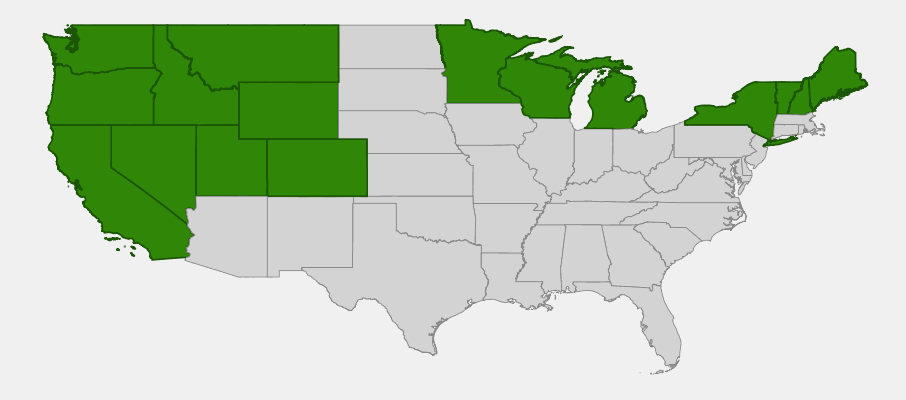
📋 Regional plant lists featuring Common Mountain Juniper: North Dakota, South Dakota & Western Minnesota
Growing & Care Guide
Common Juniper is an excellent choice for challenging garden sites, particularly areas with poor soil, drought conditions, or extreme weather. Its exceptional hardiness and low maintenance requirements make it ideal for sustainable landscaping.
Light
Common Juniper requires full sun for optimal growth and health. While it may tolerate some light shade, plants grown in shade tend to become more open and less dense, and may be more susceptible to disease problems. For best results, provide at least 6 hours of direct sunlight daily. The species is well-adapted to high-altitude and northern conditions with intense solar radiation.
Soil & Water
One of Common Juniper’s greatest strengths is its ability to thrive in poor, well-drained soils where many other plants struggle. It tolerates sandy, rocky, and alkaline soils exceptionally well, and actually prefers sites with good drainage. The species is notably drought-tolerant once established, though young plants benefit from occasional watering during dry periods. Avoid overwatering or planting in sites with poor drainage, as this can lead to root rot and other problems.
Planting Tips
Plant Common Juniper in spring or early fall to allow establishment before extreme weather. Choose the sunniest, best-drained site available. The species transplants fairly well from containers but may be slow to establish initially. Space plants according to the expected mature size of the specific variety — prostrate forms may spread 6-10 feet, while upright forms need 3-5 feet spacing.
Pruning & Maintenance
Common Juniper requires minimal pruning and maintenance once established. Remove any dead or damaged branches as needed, but avoid heavy pruning as junipers do not regenerate well from old wood. If shaping is needed, do light pruning in late spring after any danger of frost has passed. The species is naturally slow-growing and will maintain its form with little intervention.
Landscape Uses
Common Juniper’s adaptability and evergreen structure make it valuable in many landscape applications:
- Rock gardens — excellent for providing evergreen structure among rocks and alpine plants
- Slopes and banks — helps prevent erosion with its spreading root system
- Wildlife habitat — provides year-round shelter and food for birds
- Windbreaks — low-growing forms can provide wind protection for other plants
- Foundation plantings — dwarf forms suitable for building foundations
- Xeriphytic gardens — ideal for low-water landscaping
- Native plant gardens — authentic component of many North American ecosystems
Wildlife & Ecological Value
Common Juniper provides significant value to wildlife throughout its extensive range, offering both food resources and critical habitat structure.
For Birds
The blue-black berry-like cones are consumed by over 40 species of birds, including Cedar Waxwings, American Robins, Townsend’s Solitaires, and various grouse species. The cones are particularly important for birds during fall and winter when other food sources may be scarce. The dense, evergreen foliage provides excellent nesting sites and thermal cover for small birds, while the thorny branches offer protection from predators.
For Mammals
Many mammals utilize Common Juniper for both food and shelter. Deer and elk browse the foliage, particularly during winter when other food sources are limited. Small mammals like chipmunks and ground squirrels collect and cache the berry-like cones. The dense growth form provides important cover and denning sites for various small mammals, while larger animals use juniper thickets for thermal protection during harsh weather.
For Pollinators
While not typically considered a pollinator plant, Common Juniper does support some specialized insects. The male cones produce large quantities of pollen that may be utilized by certain beetles and other insects. More importantly, the plant provides habitat structure that supports the broader insect community, including beneficial predators and parasitoids that help maintain ecological balance.
Ecosystem Role
Common Juniper often serves as a pioneer species on disturbed or difficult sites, helping to stabilize soil and create microhabitats that facilitate the establishment of other plants. Its presence can modify local microclimates, creating more favorable conditions for associated species. The long-lived nature of individual plants (some specimens are several hundred years old) provides stability and continuity in ecosystems, while its widespread distribution makes it a keystone species across many northern habitats.
Cultural & Historical Uses
Common Juniper has one of the richest cultural histories of any conifer, with uses spanning food, medicine, ceremonies, and commerce across multiple continents and cultures.
Perhaps most famously, juniper berries are the primary botanical flavoring in gin, a use that dates back several centuries in Europe. The Dutch developed gin (originally called “genever” from the Dutch word for juniper) as a medicine in the 17th century, and the distinctive piney, resinous flavor of juniper remains the defining characteristic of gin today. The berries are also used as a culinary spice in European cuisine, particularly for flavoring game meats and sauces.
Indigenous peoples across North America used Common Juniper for numerous purposes. Many tribes burned the foliage and berries ceremonially for purification rituals and to ward off evil spirits. The berries were used medicinally to treat kidney problems, digestive issues, and as a general tonic. Some tribes used juniper tea to treat diabetes and other ailments. The fibrous bark was used for cordage, baskets, and clothing, while the wood was valued for tool handles and other implements due to its durability and resistance to decay.
In European folk medicine, juniper was considered a panacea — a cure-all plant used to treat everything from digestive problems to plague. The berries were used to flavor foods and preserve meat, while the antiseptic properties of juniper oil made it valuable for treating wounds and infections. The wood, being naturally rot-resistant, was used for fence posts, small construction projects, and carving.
Modern research has confirmed many traditional uses — juniper berries contain compounds with antimicrobial, anti-inflammatory, and diuretic properties. However, the plant should not be used medicinally without proper expertise, as excessive consumption can cause kidney irritation and other problems. Today, Common Juniper is valued primarily for its ecological benefits, landscape applications, and continued use in gin production.
Frequently Asked Questions
How long do juniper berries take to ripen?
Juniper “berries” (actually small cones) take two to three years to fully ripen. They start green in the first year, may remain green or begin turning blue in the second year, and finally ripen to blue-black with a waxy bloom in the third year. Only fully ripe berries should be harvested for any use.
Is Common Juniper the same as Eastern Red Cedar?
No, these are different species. Common Juniper (Juniperus communis) has needle-like leaves in whorls of three, while Eastern Red Cedar (Juniperus virginiana) has scale-like leaves. They’re both junipers but have different growth forms, ranges, and characteristics.
Why is my juniper turning brown?
Browning can result from several issues including overwatering, poor drainage, spider mites, fungal diseases, or winter damage. Ensure the plant is in well-drained soil with full sun. Some needle drop and browning of interior foliage is normal as older needles are shed.
Can I grow Common Juniper in containers?
Yes, particularly dwarf or compact varieties can be grown in large containers. Use well-draining potting mix and be careful not to overwater. Container plants may need protection from extreme cold in harsh winter climates.
How fast does Common Juniper grow?
Common Juniper is generally slow-growing, typically adding only 2-4 inches per year. Growth rate varies significantly with growing conditions, climate, and genetic variety. Patience is required, but the long-term durability and low maintenance make it worthwhile.

Looking for a nursery that carries Common Mountain Juniper?
Browse our native plant nursery directory: North Dakota · South Dakota · Minnesota
Related: Different Types of Chillies: A Quick and Easy Guide
Related: Are Boxwoods Deer Resistant? A Comprehensive Guide
Related: Landscaping with Native Sedges in North Carolina: Sustainable Design and Maintenance Guide
Related: Benefits of Planting Native Lettuce for Sustainable Gardening and Ecosystem Health
Related: Flowers that Look Like Lily of the Valley: A Guide to Identifying Similar Blooms
Related: Benefits of Planting Native Pepper for Sustainable Gardening and Ecosystem Support
Related: Mulch Choices for Native Beds: Best Options to Enhance Growth and Soil Health
Related: Native Plant List for Arkansas, Louisiana, Eastern Oklahoma, and Eastern Texas
Related: Native Plant List – Alaska
Related: Drought Tolerant Native Plants North Carolina for Sustainable Landscaping and Water Conservation
Related: Low Maintenance Native Plants New Hampshire for Easy Sustainable Gardening
Related: Native Plant List for Georgia, Alabama and Mississippi
Related: Drought Tolerant Native Plants North Dakota for Sustainable Landscaping and Water Conservation
Related: Growing Zones in New Hampshire: Understanding Climate and Plant Hardiness
Related: Types of Oak Trees in Wisconsin: A Guide to Identifying Common Species
Related: Weeds That Look Like Hostas: How to Identify Them
Related: Maple Trees in Oregon: Where to Find Them and How to Identify Them
Related: Plants That Look Like Tomatillos: A Guide to Identifying Similar Species
Related: Regional Plant Lists
Related: Native Plant List – Arizona & New Mexico
Related: Native Plant List for Delaware, Southern New Jersey, and Long Island, New York
Related: Native Plant List for Maryland, Virginia, and West Virginia
Related: Native Plant List for New Hampshire, Maine and Vermont
Related: Native Plant List for Connecticut, Massachussetts, and Rhode Island
Related: Native Plant List – Utah and Western Colorado
Related: Native Plant List for Nebraska, Kansas, and Eastern Colorado
Related: Native Plant List for Michigan, Wisconsin, & Eastern Minnesota
Related: Native Plant List – Kentucky and Tennessee
Related: Native Plant List for Ohio and Indiana
Related: Native Plant List – Montana and Wyoming
Related: Native Echinacea for New Jersey: Growing and Benefits in Local Gardens
Related: Wildflower Meadow Planting Missouri Tips for Successful Growth and Maintenance
Related: Balloon Flower Varieties: A Comprehensive Guide to Different Colors and Shapes
Related: Native Plant List for Idaho, Eastern Oregon, and Eastern Washington
Related: Native Plant List for Hawaii
Related: Native Plant List for New York, Pennsylvania, and Northern New Jersey
Related: Native Plant List – North Carolina and South Carolina
Related: Native Plant List – Western Oregon and Western Washington
Related: Canary Island Date Palms: Characteristics and Care Tips
Related: Benefits of Planting Native Trees for Biodiversity and Environmental Health
Related: Benefits of Planting Native Ground Cover for Sustainable Landscaping and Soil Health
Related: Pollinator Friendly Prairie Dropseed for Nevada: A Sustainable Choice for Local Gardens
Related: Benefits of Planting Native Elderberry for Wildlife and Garden Health
Related: Native Hedgerows for Birds Enhancing Habitat and Biodiversity
Related: Zone 5 Fig Tree: Growing Tips and Care Guide
Related: Landscaping with Native Foamflower in Missouri: Enhancing Shade Gardens Naturally
Related: Types of Pine Trees in PA: A Guide to Pennsylvania’s Native Pine Species
Related: Edible Native Plants Pennsylvania: Identifying and Foraging Local Wild Foods
Related: Benefits of Planting Native False Indigo for Sustainable Landscaping and Biodiversity
Related: Low Maintenance Native Plants Georgia for Easy, Sustainable Landscaping
Related: Benefits of Planting Native Oregano for Sustainable Gardening and Enhanced Flavor
Related: Planting Native Trees for Wildlife: Enhancing Biodiversity and Ecosystem Health
Related: Benefits of Planting Native Carrot for Sustainable Gardening and Ecosystem Health
Related: Michigan Planting Zone Map 2026: A Comprehensive Guide to Gardening in Michigan
Related: Landscaping with Native Oregano in Tennessee: A Sustainable and Low-Maintenance Choice
Related: Landscaping with Native Thyme in Wisconsin for Sustainable and Low-Maintenance Gardens
Related: Mimosa Pudica from Seed: How to Grow and Care for the Sensitive Plant
Related: Magnolia Tree Growth Rate: How Fast Do Magnolia Trees Grow?
Related: How Does Spanish Moss Grow: A Comprehensive Guide
Related: Drought Tolerant Native Plants Utah for Sustainable Landscaping and Water Conservation
Related: Woodland Garden Design with Natives for Sustainable and Natural Landscapes
Related: When Do Catmint Bloom: A Guide to the Blooming Season of Catmint
Related: What Zone is Rhode Island for Planting: A Guide to Understanding Plant Hardiness Zones
Related: Plants That Look Like Ferns: A Guide to Identifying Similar Species
Related: Veronica Perennial: A Hardy Plant for Your Garden
Related: Leaves of Shasta Daisy: Characteristics and Care Tips
Related: Benefits of Planting Native Bee Balm for Pollinator Support and Garden Health
Related: Benefits of Planting Native Ferns for Sustainable and Low-Maintenance Gardens
Related: Outdoor Plants for Arizona: Top 10 Drought-Tolerant Options
Related: Landscaping with Native Beet in North Dakota for Sustainable and Thriving Gardens
Related: What Zone is Massachusetts for Plants: Understanding Plant Hardiness Zones
Related: What Climate Zone is Tennessee: Understanding the State’s Weather Patterns
Related: How Tall Does New England Aster Grow: A Comprehensive Guide
Related: Attracting Bees with Native Flowers: Essential Tips for a Thriving Garden Ecosystem
Related: Native Prairie Dropseed for Nebraska: Ideal Grass for Sustainable Landscaping
Related: Most Common Trees in Florida: A Guide to Native Species
Related: Oak Tree in Virginia: Characteristics and Habitat
Related: Wildflowers in Arizona Desert: A Guide to the Most Beautiful Species
Related: Berry That Looks Like Raspberry: Types and Characteristics
Related: Landscaping with Native Basil in Utah: Sustainable Solutions for Local Gardens
Related: Amsonia Sun or Shade: Growing Tips for the Perfect Garden
Related: Pollinator Friendly Trillium for Massachusetts: Best Varieties and Planting Tips
Related: Love Lies Bleeding Plant: A Guide to Growing and Caring for this Unique Annual
Related: Low Maintenance Native Plants Idaho for Effortless Sustainable Gardens
Related: Most Common Trees in Oregon: A Guide to Identifying the State’s Native Species
Related: Sowing Native Seeds in Fall for Optimal Growth and Sustainability
Related: New Aster: A Breakthrough in Plant Breeding Technology
Related: Drought Tolerant Native Plants Arizona for Sustainable Landscaping and Water Conservation
Related: Purple Heart Plant Benefits: A Comprehensive Guide
Related: What Zone is Minnesota? A Guide to Minnesota’s Plant Hardiness Zones
Related: Types of Trees in South Carolina: A Comprehensive Guide
Related: Ornamental Native Plant for Landscaping Enhances Sustainable Garden Design
Related: Native Landscaping for Curb Appeal Enhances Home Value and Sustainability
Related: Best native vines for trellises to enhance privacy and curb appeal
Related: Benefits of Planting Native Sassafras for Sustainable Landscaping and Wildlife Support
Related: Drought Tolerant Native Plants Indiana for Sustainable Landscaping and Water Conservation
Related: What Zone is Iowa? A Comprehensive Guide to Iowa’s Climate Zones
Related: Wildflower Meadow Planting Oklahoma Best Practices for Thriving Native Gardens
Related: Flower That Looks Like Lily: Identifying Similar Varieties
Related: Plants That Look Like Yarrow: A Guide to Identifying Similar Species
Related: Drought Tolerant Native Plants Pennsylvania for Sustainable Landscaping and Water Conservation
Related: Dwarf Umbrella Tree Care: Tips and Tricks for Healthy Growth
Related: What Zone is Eastern NC: Understanding the Climate Zones in North Carolina
Related: Where Do Valerian Grow Best: Ideal Growing Conditions for Valerian Root
Related: Native Parsley for Ohio: Identification, Growing Tips, and Uses
Related: Is Rose of Sharon a Hibiscus? Exploring the Relationship Between These Two Flowers
Related: Best Cherry Tree for Zone 6: Top Varieties for Thriving Growth
Related: What Zone is Illinois? A Guide to Illinois Plant Hardiness Zones
Related: What Zone is MN: Understanding Minnesota’s Climate Zones
Related: Plants That Look Like Wandering Jew: A Guide to Similar Species
Related: Zone 6 Palm Trees: Hardy Varieties for Cold Climates
Related: Clover with Yellow Flower: Characteristics and Uses
Related: Lemon Tree Zone 7: How to Grow and Care for Lemon Trees in Cold Climates
Related: Fast Growing Trees in Indiana: Best Varieties for Your Landscape
Related: Coreopsis Varieties: A Comprehensive Guide to Choosing the Perfect One for Your Garden
Related: What Zone is Minnesota for Planting: Quick and Knowledgeable Guide
Related: Drought Tolerant Native Plants Colorado for Sustainable Landscaping and Water Conservation
Related: Wildflower Meadow Planting Texas: A Guide to Native Species and Best Practices
Related: Benefits of Planting Native Viburnum for Sustainable Gardens and Wildlife Support
Related: Drought Tolerant Native Plants Nevada for Sustainable Landscaping and Water Conservation
Related: Yellow Arizona Wildflowers: A Guide to the State’s Vibrant Blooms
Related: Landscaping with Native Echinacea in Wisconsin for Sustainable and Low-Maintenance Gardens
Related: Slope Erosion Control with Natives: Effective Strategies for Sustainable Landscaping
Related: Designing Native Borders for Your Garden
Related: What Planting Zone is Nampa Idaho? A Guide to Gardening in Nampa’s Climate
Related: Landscaping with Native Viburnum in South Carolina for Sustainable and Attractive Gardens
Related: Landscaping with Native Dill in Colorado for Sustainable and Low-Maintenance Gardens
Related: Drought Tolerant Native Plants Nebraska for Sustainable Landscaping and Water Conservation
Related: Low Maintenance Native Plants Pennsylvania for Easy, Sustainable Gardening
Related: Native Blazing Star for Ohio: Identification, Habitat, and Cultivation Guide
Related: Star Jasmine in Winter: How to Care for Your Plant During the Cold Months
Related: Low Maintenance Native Plants Virginia for Sustainable and Easy Gardening
Related: Native Spinach for Missouri: Growing and Benefits Explained
Related: Low Maintenance Native Plants Indiana for Effortless Gardening and Sustainable Landscapes
Related: Drought Tolerant Native Plants South Dakota for Sustainable Landscaping and Water Conservation
Related: Mulching Techniques for Native Gardens: Essential Practices for Healthy Soil and Plant Growth
Related: What Does an Almond Tree Look Like: Characteristics and Visual Description
Related: Drought Tolerant Native Plants New Hampshire for Sustainable Landscaping and Water Conservation
Related: Best 7 Ground Covers To Grow In South Florida
Related: 5 Best Ground Covers To Grow In Florida
Related: Ornamental Grasses from Seed: How to Grow and Care for Them
Related: Drought Tolerant Native Plants Michigan for Sustainable Landscaping and Water Conservation
Related: Drought Tolerant Native Plants Vermont for Sustainable Landscaping and Garden Resilience
Related: Benefits of Planting Native Sumac for Sustainable Landscaping and Wildlife Support