Sideoats Grama (Bouteloua curtipendula)
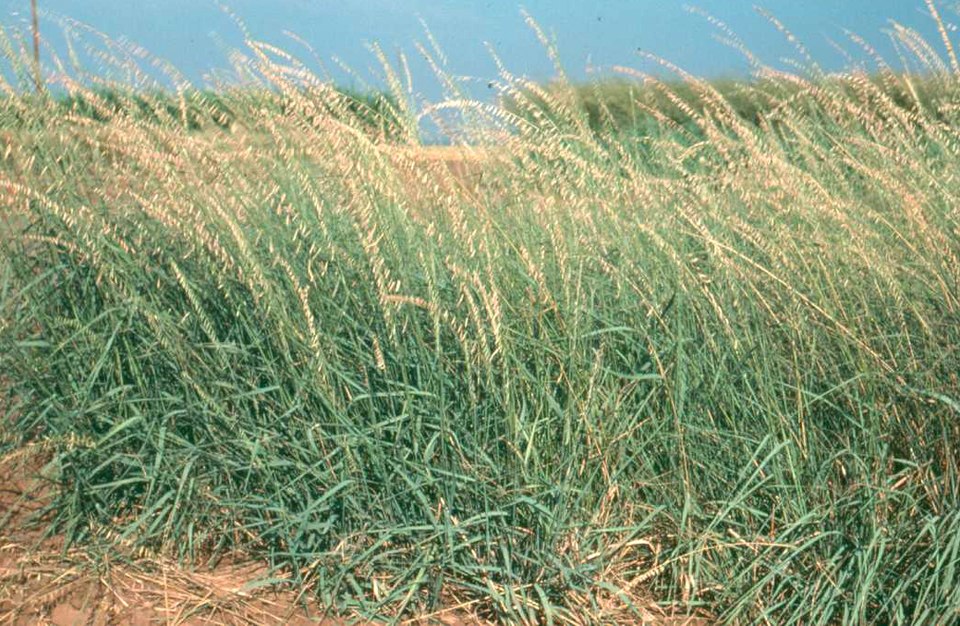
Bouteloua curtipendula, commonly known as Sideoats Grama, is one of North America’s most widespread and valuable native grasses, forming the backbone of prairie ecosystems from the Canadian border to Mexico. This perennial bunchgrass earned its descriptive name from the characteristic way its seed-bearing spikes hang to one side of the flowering stems, creating an unmistakable silhouette across the Great Plains landscape. As a member of the Poaceae (grass) family, Sideoats Grama represents the quintessential prairie grass that once covered millions of acres and sustained vast herds of bison.
Growing in dense tufts or bunches that can reach 18 to 30 inches tall, Sideoats Grama is remarkably drought-tolerant and adaptable, thriving in everything from sandy soils to heavy clay, and from sea level to elevations exceeding 7,000 feet. The grass produces distinctive purplish-bronze seed heads from July through September, with the characteristic one-sided arrangement of 20 to 80 small spikelets that flutter in prairie winds. These seed heads are not only beautiful but also highly nutritious, providing critical forage for livestock and wildlife alike.
What makes Sideoats Grama particularly valuable is its incredible resilience and ecological versatility. It’s extremely drought-tolerant once established, can withstand heavy grazing pressure, recovers quickly from fire, and provides excellent erosion control with its deep, fibrous root system. The grass has been called “ice cream” by ranchers because of its palatability and nutritional value for cattle, while wildlife managers prize it as habitat and food for everything from ground-nesting birds to small mammals. Today, Sideoats Grama is extensively used in prairie restoration, roadside seeding, and sustainable landscaping throughout its native range.
Identification
Sideoats Grama is easily recognized by its distinctive growth form and characteristic seed heads that hang to one side of the flowering stems. The grass forms dense, compact bunches or tufts that can spread slowly by short rhizomes to form small colonies over time.
Growth Form
This perennial bunchgrass typically grows 1 to 2½ feet tall, occasionally reaching 3 feet in favorable conditions. The plants form dense tufts with numerous stems arising from the base. The culms (stems) are slender, erect to slightly curved, and often have a purplish tinge at the nodes. The base of the plant may be slightly swollen, and older plants can develop a somewhat woody appearance at ground level.
Leaves
The leaves are narrow, typically ⅛ to ¼ inch wide and 3 to 8 inches long, with a bluish-green to gray-green color that can take on purplish tones in fall. The leaf blades are flat or slightly rolled, with rough edges that feel harsh to the touch. The leaf sheaths are smooth and often have a slight purplish coloration. The ligule is a fringe of short hairs, which helps distinguish it from other prairie grasses.
Flowers & Seed Heads
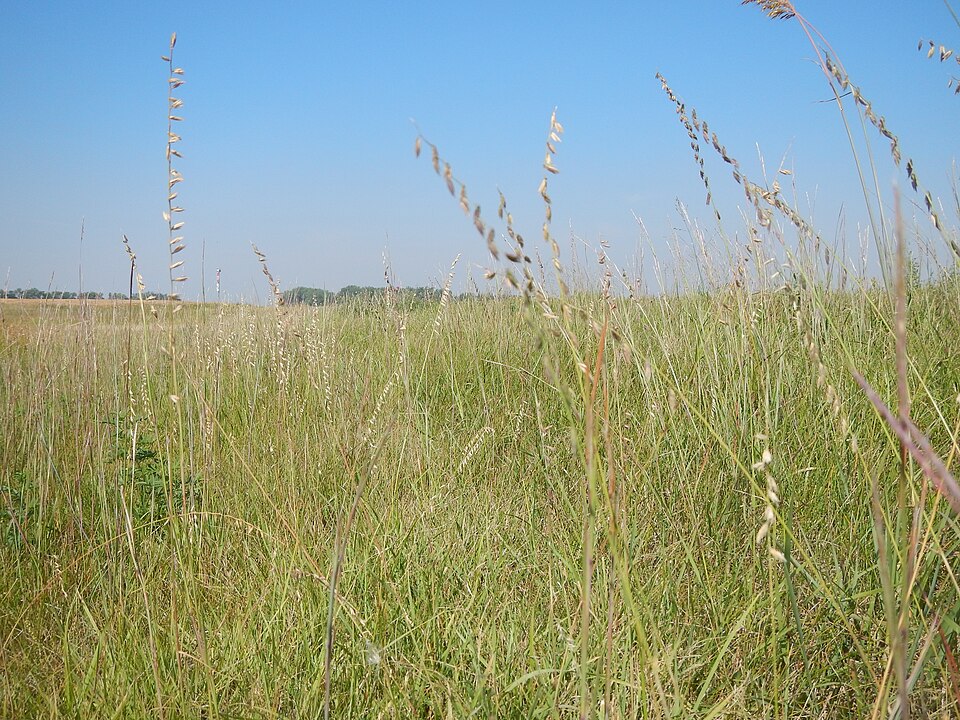
The most distinctive feature is the flowering head, which consists of 15 to 80 small spikes arranged along one side of a curved or arching main stem. Each spike is ¼ to ½ inch long and contains 3 to 8 florets. The spikelets hang downward from short branches (pedicels), creating the characteristic “sideoats” appearance. When flowering in late summer, the seed heads are often purplish or bronze-colored, fading to tan or light brown as they mature. The seeds have twisted awns (bristles) that help them drill into the soil when dispersed.
Quick Facts
| Scientific Name | Bouteloua curtipendula |
| Family | Poaceae (Grass) |
| Plant Type | Perennial Bunchgrass |
| Mature Height | 2 ft |
| Sun Exposure | Full Sun to Part Shade |
| Water Needs | Low (Drought Tolerant) |
| Bloom Time | July – September |
| Flower Color | Purplish-bronze to tan |
| USDA Hardiness Zones | 3–9 |
Native Range
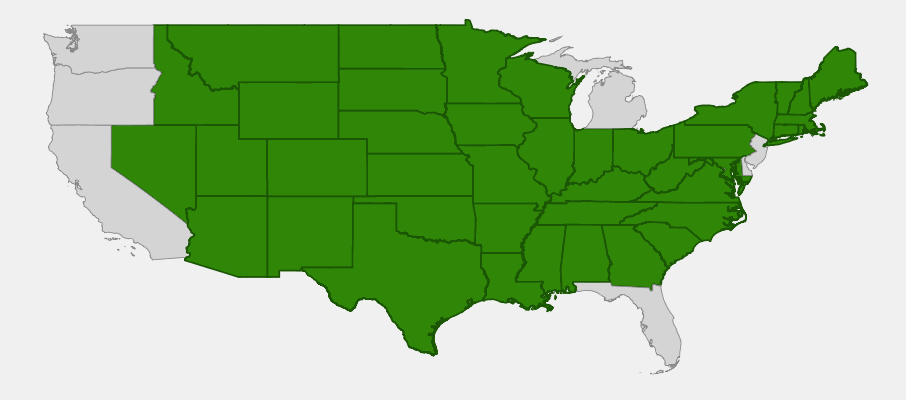
Sideoats Grama has one of the most extensive native ranges of any North American grass, naturally occurring from southern Canada to central Mexico and from the Rocky Mountains east to the Atlantic Coast. This remarkable distribution reflects the species’ exceptional adaptability to diverse climatic conditions, soil types, and elevations. The grass is particularly abundant throughout the Great Plains, where it forms a major component of mixed-grass and shortgrass prairie ecosystems.
The species reaches its greatest abundance in the central Great Plains, where it thrives in areas receiving 12 to 30 inches of annual precipitation. Here, Sideoats Grama often dominates the landscape alongside other native grasses like Buffalo Grass, Blue Grama, and Little Bluestem. The grass also extends into the eastern tallgrass prairie region, though it’s less dominant there, and westward into the arid regions of the Southwest, where it occupies favorable microsites with slightly higher moisture availability.
Throughout its range, Sideoats Grama demonstrates remarkable ecological plasticity, growing in elevations from near sea level to over 7,000 feet in the mountains of the Southwest. This wide tolerance has made it invaluable for restoration and conservation efforts across much of North America, as it can establish successfully in areas where many other native grasses struggle to survive.
📋 Regional plant lists featuring Sideoats Grama: North Dakota, South Dakota & Western Minnesota
Growing & Care Guide
Sideoats Grama is one of the most rewarding native grasses to grow, combining exceptional drought tolerance with attractive form and valuable wildlife benefits. Once established, it requires minimal maintenance while providing years of ecological and aesthetic value.
Light
This grass performs best in full sun, where it develops its most compact, dense growth habit and richest seed head coloration. It can tolerate partial shade but may become somewhat taller and less dense in lower light conditions. In prairie restoration or naturalized settings, full sun exposure will produce the most authentic prairie appearance and the greatest wildlife value.
Soil & Water
Sideoats Grama is remarkably adaptable to various soil conditions, thriving in everything from sandy loam to heavy clay, and tolerating both alkaline and slightly acidic conditions (pH 5.5-8.5). The grass is exceptionally drought-tolerant once established, with deep roots that can extend 6 feet or more into the soil. While it can survive on as little as 10 inches of annual precipitation, it performs best with 15-25 inches. Good drainage is important—avoid areas where water stands for extended periods.
Planting Tips
Plant seeds in late fall for natural stratification over winter, or in early spring after stratifying seeds in the refrigerator for 30-60 days. Seeds should be planted ¼ to ½ inch deep in a firm seedbed. For restoration projects, seed at 8-12 pounds per acre when planted alone, or 2-4 pounds per acre in mixes. Container plants can be transplanted in spring or fall, spaced 12-18 inches apart for quicker cover. Water regularly during the first growing season to establish deep roots.
Pruning & Maintenance
In cultivated settings, cut back to 4-6 inches in late winter or early spring before new growth begins. In natural or restoration areas, periodic burning (every 3-5 years) or mowing helps maintain grass vigor and suppress woody encroachment. The grass is self-seeding, so leave some seed heads if you want natural reproduction. No fertilization is needed—Sideoats Grama actually performs better in low-fertility soils.
Landscape Uses
Sideoats Grama works beautifully in many landscape applications:
- Prairie restoration and naturalization — the backbone species for authentic grassland recreation
- Erosion control — excellent for slopes, road cuts, and disturbed sites
- Low-maintenance groundcover — perfect for areas where turf grass struggles
- Wildlife habitat gardens — provides food and nesting sites for numerous species
- Drought-tolerant landscaping — requires no irrigation once established
- Ornamental grass gardens — attractive seed heads and fall color
- Forage plantings — highly nutritious for livestock
Wildlife & Ecological Value
Sideoats Grama is extraordinarily valuable to wildlife, supporting a complex web of prairie species and serving as a keystone component in grassland ecosystems across North America.
For Birds
The seeds of Sideoats Grama are consumed by numerous bird species, including Northern Bobwhite, Wild Turkey, various sparrows, finches, and buntings. Ground-nesting birds like Greater Prairie-Chicken, Sharp-tailed Grouse, and Grasshopper Sparrow use the dense grass bunches for nesting sites and protective cover. The sturdy stems provide excellent perching sites for birds hunting insects, while the thick growth offers thermal cover during harsh weather. Migrating waterfowl also consume the nutritious seeds during fall migration.
For Mammals
Small mammals including deer mice, voles, and ground squirrels rely heavily on Sideoats Grama seeds, which can comprise a significant portion of their diet. The dense bunch growth provides protective cover and nesting sites for these small mammals. Larger mammals like White-tailed Deer and Pronghorn graze on the nutritious foliage, especially the young spring growth. In areas where they occur, Bison historically relied on Sideoats Grama as a primary forage species, and it remains important forage for cattle in rangeland operations.
For Pollinators
While wind-pollinated, Sideoats Grama supports pollinator communities indirectly by providing habitat structure that supports diverse flowering forbs in prairie ecosystems. The grass bunches create microclimates that protect smaller wildflowers from wind and extreme temperatures, while the root system helps maintain soil structure that benefits the entire plant community.
Ecosystem Role
Sideoats Grama plays a crucial role in prairie ecosystem function and stability. Its deep, fibrous root system—which can extend deeper than the plant is tall—helps prevent soil erosion, improves water infiltration, and builds soil organic matter. The grass is highly palatable and nutritious, making it a preferred species for grazing animals and helping maintain the natural disturbance patterns that keep prairies healthy. Its ability to quickly recover from grazing, drought, and fire makes it a stabilizing force in grassland communities, often increasing in abundance following disturbance when less resilient species decline.
Cultural & Historical Uses
Sideoats Grama holds a significant place in the cultural and economic history of North America, serving as both a cornerstone of Great Plains ecology and a critical resource for indigenous peoples and early settlers. Native American tribes across the Great Plains utilized this versatile grass in numerous ways, demonstrating an intimate understanding of its properties and seasonal availability.
Many Plains tribes, including the Lakota, Cheyenne, and Arapaho, gathered Sideoats Grama seeds as an important food source, either eating them fresh or grinding them into nutritious flour for winter storage. The seeds are notably high in protein and carbohydrates, making them a valuable caloric resource during lean times. Native peoples also used the tough, flexible stems for basketry and cordage, while the entire plant served as building material for temporary shelters and bedding. The grass’s deep roots were sometimes harvested for medicinal purposes, used to treat various digestive ailments.
With European settlement and the expansion of ranching across the West, Sideoats Grama became recognized as one of the premier forage grasses of North America. Ranchers quickly learned that cattle thrived on “sideoats,” often gaining weight more rapidly than on introduced pasture grasses. The species earned the nickname “ice cream grass” among ranchers for its palatability and nutritional value. Unfortunately, decades of overgrazing in the late 1800s and early 1900s significantly reduced Sideoats Grama populations across much of its range, contributing to the ecological degradation that culminated in the Dust Bowl era.
Today, Sideoats Grama has experienced a renaissance as land managers, conservationists, and private landowners recognize its value for ecological restoration, sustainable ranching, and wildlife habitat enhancement. Modern research has confirmed what indigenous peoples and early ranchers knew intuitively—this grass is exceptionally nutritious, drought-tolerant, and ecologically beneficial. Federal and state agencies now widely recommend Sideoats Grama for erosion control, mine reclamation, roadside seeding, and prairie restoration projects. The grass has also found new applications in sustainable landscaping and xerophytic gardening, where its low water requirements and attractive appearance make it an ideal alternative to water-hungry turf grasses.
Frequently Asked Questions
How long does it take Sideoats Grama to establish from seed?
Sideoats Grama can be slow to establish, typically taking 2-3 full growing seasons to develop into mature, productive stands. The first year, plants focus on developing deep root systems, with modest above-ground growth. By the second year, plants begin to produce seed heads, and by the third year, they reach full maturity and maximum forage production.
Can Sideoats Grama grow in shade?
While Sideoats Grama prefers full sun and performs best there, it can tolerate partial shade conditions. In shadier locations, plants may grow taller and less dense, and seed production may be reduced. For best results and most authentic prairie appearance, choose sunny locations whenever possible.
Is Sideoats Grama good for erosion control?
Excellent question! Sideoats Grama is one of the best native grasses for erosion control due to its deep, fibrous root system and ability to establish on difficult sites. It’s widely used for stabilizing slopes, road cuts, mine spoils, and other disturbed areas. The grass can establish on poor soils and provides excellent ground cover once mature.
When should I plant Sideoats Grama seed?
The best time to plant is late fall (dormant seeding) for natural cold stratification over winter, or early spring after artificially stratifying seeds in the refrigerator for 30-60 days. Fall seeding often produces better establishment because seeds receive natural temperature cycling needed for good germination.
How much water does established Sideoats Grama need?
Once established (after 2-3 years), Sideoats Grama requires very little water and can survive on natural precipitation in most areas where it’s native. It can tolerate extended drought periods and actually performs better without supplemental irrigation, which can make it less drought-hardy and more susceptible to disease.

Looking for a nursery that carries Sideoats Grama?
Browse our native plant nursery directory: North Dakota · South Dakota · Minnesota