
Purple Prairie Clover (Dalea purpurea)
Last updated: August 21, 2026
Dalea purpurea, commonly known as Purple Prairie Clover, is one of the most beloved and recognizable wildflowers of North America’s grasslands. This charming member of the Fabaceae (legume) family graces prairie landscapes from midsummer through early fall with its distinctive cylindrical flower heads crowned in vibrant purple blooms. Unlike the familiar three-leaflet clovers of lawns and pastures, Purple Prairie Clover displays elegant compound leaves with 3–5 narrow leaflets, giving it a delicate, almost fern-like appearance that complements its showy floral display.
Standing 1–2 feet tall on sturdy, branching stems, Purple Prairie Clover serves as both a visual highlight and an ecological powerhouse in prairie communities. As a nitrogen-fixing legume, it enriches prairie soils by converting atmospheric nitrogen into forms that other plants can use, making it a keystone species in healthy grassland ecosystems. The flowers bloom from the bottom of each cylindrical head upward, creating an extended flowering season that provides nectar for countless pollinators including native bees, butterflies, and beneficial insects throughout the critical late-summer period when many other prairie flowers have finished blooming.
Beyond its ecological importance, Purple Prairie Clover brings exceptional ornamental value to native plant gardens, prairie restorations, and naturalistic landscapes. Its drought tolerance, deer resistance, and low maintenance requirements make it ideal for sustainable landscaping, while its distinctive form and reliable summer color provide season-long interest. For gardeners seeking authentic prairie plants that combine beauty with ecological function, Purple Prairie Clover offers the perfect blend of visual appeal and environmental stewardship — a true prairie gem that embodies the resilience and beauty of North America’s grassland heritage.
Identification
Purple Prairie Clover is easily distinguished from other prairie legumes by its unique combination of cylindrical flower heads, compound leaves, and distinctive blooming pattern. Once you learn to recognize this species, it becomes unmistakable in the landscape.
Growth Habit & Form
This herbaceous perennial typically grows 1–2 feet tall, though exceptional specimens may reach 3 feet under ideal conditions. The plant forms an upright, bushy growth habit with multiple branching stems arising from a central crown. Individual stems are slender but sturdy, often with a slight zigzag pattern at the nodes. The overall form is neat and compact, making it well-suited to both wild prairie settings and more formal garden applications.
Distinctive Foliage
The leaves are one of Purple Prairie Clover’s most distinctive features. Unlike the familiar three-leaflet clovers, this species produces pinnately compound leaves with 3–5 (occasionally 7) narrow leaflets arranged along a central rachis. Each leaflet is linear to narrowly elliptical, typically ½ to 1½ inches long and only ⅛ to ¼ inch wide, giving the foliage a fine-textured, delicate appearance. The leaflets are smooth-edged (entire) with prominent parallel venation, and the entire leaf structure creates an almost fern-like texture that contrasts beautifully with the bold flower heads.
Iconic Flowers
The flowers are Purple Prairie Clover’s crowning glory and most recognizable feature. They form dense, cylindrical heads (technically spikes) 1–2 inches long and about ½ inch wide at the top of the stems. What makes these flower heads truly distinctive is their blooming pattern: flowers open from the bottom upward, creating a ring of purple blooms that gradually moves up the spike over several weeks. This creates the charming effect of a purple “crown” that slowly travels up each flower head, extending the blooming period and providing continuous nectar for pollinators.
Individual flowers are small, purple to rose-purple in color, with the characteristic pea-like structure of legume flowers. Long purple stamens extend beyond the petals, creating a fuzzy, brush-like appearance that adds to the flower heads’ distinctive texture. The flowers are hermaphroditic and primarily bee-pollinated, though they attract a wide variety of pollinators.
Fruits & Seeds
After flowering, the plant produces small, one-seeded pods (legumes) typical of the pea family. These pods are small and inconspicuous, usually remaining within the persistent bracts of the flower heads. Seeds are tiny, dark brown to black, and oval-shaped. The seed heads persist into winter, providing food for birds and adding structural interest to the dormant landscape.
Seasonal Changes
Purple Prairie Clover offers multi-season interest. Spring growth begins as small rosettes of compound leaves. Summer brings the spectacular flowering display from July through August, with some plants continuing into September. Fall finds the plant setting seed and beginning to senesce, with foliage often turning yellowish before going dormant. Winter reveals the persistent seed heads and sturdy stems that provide habitat structure and food for wildlife.
Quick Facts
| Scientific Name | Dalea purpurea |
| Family | Fabaceae (Legume) |
| Plant Type | Perennial Forb |
| Mature Height | 1–2 ft |
| Mature Width | 1–1.5 ft |
| Growth Rate | Moderate |
| Sun Exposure | Full Sun |
| Water Needs | Moderate |
| Soil Type | Well-drained; adaptable to various soils |
| Soil pH | 6.0–8.0 (slightly acidic to alkaline) |
| Bloom Time | July – August |
| Flower Color | Purple to rose-purple |
| Special Features | Nitrogen-fixing, pollinator magnet |
| Deer Resistant | Yes |
| USDA Hardiness Zones | 3–8 |
Native Range
Purple Prairie Clover boasts one of the most extensive native ranges of any North American prairie plant, stretching from southern Canada to northern Mexico and from the Rocky Mountain foothills east to Pennsylvania and the Gulf Coast states. This remarkable distribution reflects the species’ exceptional adaptability and its historical importance as a dominant component of grassland ecosystems across much of the continental interior.
The heart of Purple Prairie Clover’s range encompasses the entire Great Plains region, where it occurs in virtually every prairie remnant and restoration from Alberta and Saskatchewan south to Texas and New Mexico. In these central grasslands, it typically grows on well-drained uplands, prairie hillsides, and the edges of wetland areas, often forming extensive colonies that can carpet entire hillsides in purple during peak bloom. The species shows particular abundance in mixed-grass and tallgrass prairie communities, where it frequently associates with other iconic prairie plants like Little Bluestem, Prairie Dropseed, and Black-eyed Susan.
Beyond the core Great Plains region, Purple Prairie Clover extends eastward into the prairie openings and oak savannas of the upper Midwest, and south into the pine savannas and coastal prairies of the Gulf states. It also occurs in mountain parks and grasslands throughout the Rocky Mountains, demonstrating its remarkable tolerance for different climatic conditions and elevation ranges. This broad native distribution makes Purple Prairie Clover one of the most widely applicable native plants for prairie restoration and naturalistic landscaping projects across much of North America.
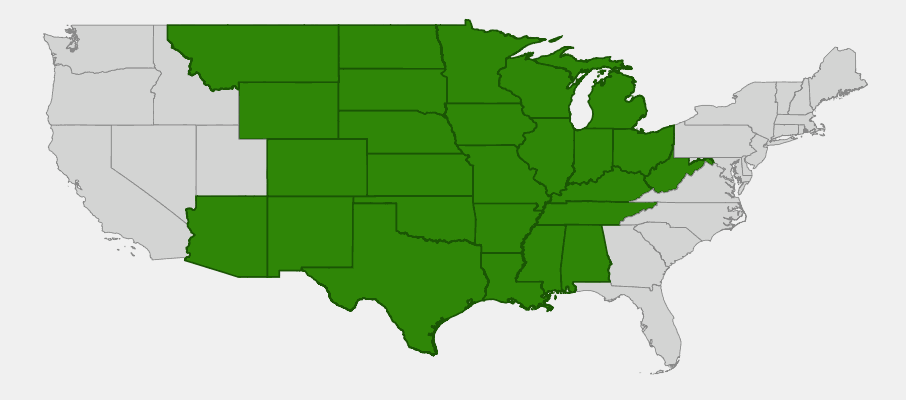
📋 Regional plant lists featuring Purple Prairie Clover: North Dakota, South Dakota & Western Minnesota
Growing & Care Guide
Purple Prairie Clover is among the most reliable and low-maintenance native wildflowers, making it an excellent choice for gardeners of all experience levels. Its combination of drought tolerance, deer resistance, and spectacular summer bloom makes it invaluable for sustainable landscapes and prairie gardens.
Light Requirements
Like most prairie plants, Purple Prairie Clover performs best in full sun conditions — at least 6 hours of direct sunlight daily. While it can tolerate light shade, plants grown in shadier locations tend to be taller, more spindly, and produce fewer flowers. For the most compact growth and abundant blooms, plant in the sunniest location available.
Soil Preferences
Purple Prairie Clover is remarkably adaptable to different soil types, thriving in everything from sandy to clay soils as long as drainage is adequate. The plant prefers neutral to slightly alkaline conditions (pH 6.5–8.0) but tolerates mildly acidic soils. As a prairie native, it actually performs best in lean soils and can struggle in overly fertile conditions, which may cause excessive vegetative growth at the expense of flowering. Most importantly, avoid sites where water stands after rain, as poor drainage can lead to root rot.
Water Requirements
Exceptional drought tolerance is one of Purple Prairie Clover’s greatest assets. Once established (typically by the second growing season), plants can survive on natural rainfall alone across most of their range. During establishment, provide regular water during dry spells, but avoid overwatering. The deep taproot that develops over time allows mature plants to access moisture from deeper soil layers, making them incredibly resilient during extended dry periods.
Planting & Establishment
Plant Purple Prairie Clover in spring after the last frost date or in early fall. Space plants 12–18 inches apart for mass plantings, or use as individual specimens in mixed borders. Dig holes only as deep as the root ball and twice as wide. Water thoroughly after planting and maintain consistent moisture during the first growing season. A light application of mulch helps retain moisture and suppress weeds, but keep mulch away from the plant crown to prevent stem rot.
Special Considerations: Nitrogen Fixation
As a legume, Purple Prairie Clover forms symbiotic relationships with nitrogen-fixing bacteria in specialized root nodules. This means the plant can actually improve soil fertility over time by adding nitrogen. However, this also means that nitrogen fertilizer is unnecessary and can actually harm the plant by disrupting the nitrogen-fixing process. In fact, too much available nitrogen can cause Purple Prairie Clover to become overly lush and prone to flopping.
Maintenance
Purple Prairie Clover is virtually maintenance-free once established. Cut back stems to 2–3 inches in late winter or early spring before new growth begins. Many gardeners prefer to leave the attractive seed heads standing through winter for wildlife value and winter interest. The plant rarely needs division and can live for many years in the same location. No fertilization is necessary or recommended.
Landscape Applications
- Prairie gardens — essential component of authentic grassland plantings
- Pollinator gardens — exceptional nectar source for native bees and butterflies
- Mixed perennial borders — provides vertical interest and summer color
- Rain gardens — tolerates occasional flooding and dry periods
- Erosion control — deep roots help stabilize slopes
- Children’s gardens — fascinating flower structure teaches plant biology
- Cut flower gardens — long-lasting and distinctive in arrangements
- Green roofs — drought tolerance suits extensive systems
Wildlife & Ecological Value
Purple Prairie Clover provides exceptional ecological value that far exceeds its modest size. As both a nitrogen-fixing legume and a prolific nectar producer, it serves as a keystone species in prairie ecosystems, supporting a remarkable diversity of wildlife while improving soil health for surrounding plants.
For Pollinators
Perhaps no prairie plant is more valuable to pollinators than Purple Prairie Clover. The extended blooming period and abundant nectar production make it a critical resource during the late-summer period when many spring and early summer flowers have finished blooming. Native bees, including bumblebees, leafcutter bees, and sweat bees, are particularly fond of the flowers and can often be observed completely covered in pollen while foraging. Butterflies, including skippers, coppers, and sulfurs, also regularly visit the flowers, while beneficial wasps and flies add to the pollinator diversity.
The unique bottom-to-top blooming pattern extends the flowering season over several weeks, providing a consistent nectar source that helps sustain pollinator populations through the critical late-summer period. Research has shown that a single Purple Prairie Clover plant can support dozens of different pollinator species throughout its flowering period.
For Birds
The small seeds produced by Purple Prairie Clover are consumed by numerous bird species, including American Goldfinches, Lesser Goldfinches, Indigo Buntings, and various native sparrows. The seeds are particularly valuable because they ripen during late summer and fall when many birds are preparing for migration or building winter fat reserves. The persistent seed heads continue to provide food throughout fall and into winter.
Nitrogen Fixation & Soil Improvement
As a member of the legume family, Purple Prairie Clover forms symbiotic relationships with nitrogen-fixing bacteria (Rhizobia) in specialized root nodules. These bacteria convert atmospheric nitrogen into ammonia, which the plant uses for growth. When the plant dies back or sheds roots, this nitrogen becomes available to surrounding plants, effectively fertilizing the entire plant community. This nitrogen fixation is crucial for maintaining the productivity and diversity of prairie ecosystems, particularly on the nutrient-poor soils where many prairies develop.
Habitat Creation
The branching structure and persistent stems of Purple Prairie Clover create important microhabitat for small wildlife. The stems provide attachment sites for spider webs and cocoons, while the root system creates channels in the soil that improve water infiltration and provide habitat for beneficial soil organisms. The plant’s ability to thrive on disturbed soils also makes it valuable for healing degraded landscapes and establishing diverse plant communities.
Cultural & Historical Uses
Purple Prairie Clover holds significant cultural importance among Indigenous peoples of the Great Plains and has played various roles in traditional medicine, nutrition, and spiritual practices. Its widespread distribution and distinctive appearance made it one of the more recognizable and utilized prairie plants across many different tribal territories.
Many Plains tribes, including the Lakota, Dakota, Cheyenne, and Pawnee peoples, traditionally used Purple Prairie Clover for both medicinal and nutritional purposes. The leaves were often brewed into teas believed to help with stomach ailments and digestive issues, while the roots were sometimes chewed or made into decoctions for their purported medicinal properties. Some tribes also used the entire plant as a poultice for treating skin conditions and minor wounds.
As a food source, Purple Prairie Clover provided important nutrition during certain seasons. The young leaves were sometimes eaten fresh or cooked as greens, particularly in early summer before the plants became too fibrous. The flowers were occasionally consumed as well, though this was less common. More importantly, the presence of abundant Purple Prairie Clover blooms served as an indicator of prime bison grazing areas, as the nitrogen-fixing properties of the plant created rich pastures that attracted large herds.
In traditional spiritual practices, Purple Prairie Clover was sometimes included in ceremonial bundles and used in rituals related to abundance and fertility, reflecting its role as a plant that enriches the soil and supports abundant wildlife. The distinctive flower heads were also used in some decorative applications and as natural dyes, producing purple and lavender colors for textiles and body paint.
European settlers and farmers initially appreciated Purple Prairie Clover as an indicator of good soil and prime grazing land. However, as agriculture expanded, much of the plant’s native habitat was converted to cropland. In modern times, Purple Prairie Clover has gained renewed recognition for its ecological value and is widely used in prairie restoration projects, erosion control plantings, and sustainable landscaping. It has become a symbol of prairie conservation efforts and is frequently featured in educational programs about grassland ecosystems and native plant gardening.
Frequently Asked Questions
Why does Purple Prairie Clover bloom from bottom to top?
This unique blooming pattern, called acropetal flowering, extends the blooming period and ensures continuous nectar production over several weeks. It may have evolved to maximize pollinator visits and ensure successful seed set even if early flowers are damaged by weather or herbivory. The progressive bloom also creates the distinctive “crown” effect that makes the flowers so visually appealing.
Can I grow Purple Prairie Clover from seed?
Yes, but like many legumes, Purple Prairie Clover seeds have hard seed coats that benefit from scarification (scratching or nicking) before planting. Some gardeners also use hot water treatment or cold stratification to improve germination. Fresh seed typically germinates better than old seed, and fall planting often gives better results than spring sowing as it allows natural winter conditioning.
Is Purple Prairie Clover the same as regular clover?
No, despite the common name, Purple Prairie Clover is quite different from the familiar white and red clovers found in lawns. While both are legumes, Purple Prairie Clover belongs to the genus Dalea and has distinctive narrow leaflets and cylindrical flower heads, while lawn clovers (Trifolium species) have three-leaflet leaves and round flower heads.
Will Purple Prairie Clover spread throughout my garden?
Purple Prairie Clover is not aggressive and won’t take over a garden. It grows from a taproot and doesn’t spread by runners or stolons. While it may occasionally self-seed in ideal conditions, volunteer seedlings are easy to identify and remove if unwanted. Most gardeners find it stays well-behaved and exactly where planted.
How long does Purple Prairie Clover live?
As a perennial, Purple Prairie Clover can live for many years — often 10–20 years or more in ideal conditions. The plant may take 2–3 years to reach full maturity and peak flowering, but once established, it’s extremely long-lived and reliable. Individual plants tend to become more spectacular with age as their root systems develop.

Looking for a nursery that carries Purple Prairie Clover?
Browse our native plant nursery directory: North Dakota · South Dakota · Minnesota
I’ve seen conflicting advice on this topic. This seems reasonable though.
Thanks for the constructive input! We’ll look into updating with more detail. -Plant Native Team