Fern Bush (Chamaebatiaria millefolium)
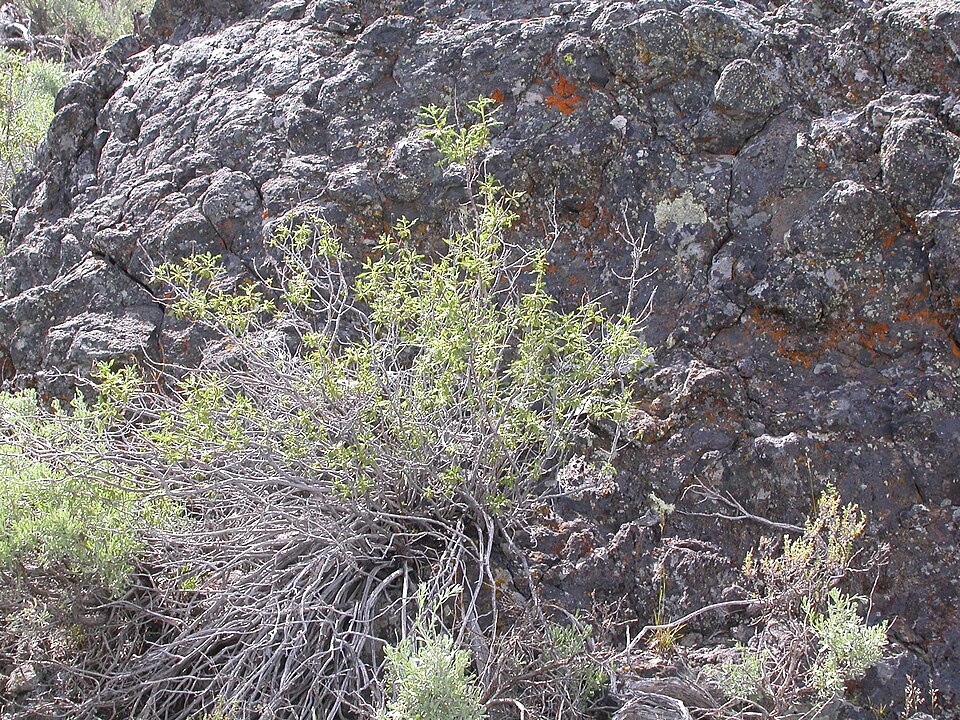
Chamaebatiaria millefolium, commonly known as Fern Bush or Desert Sweet, is one of the most distinctive and ornamentally striking native shrubs of the Great Basin and Intermountain West. Its name tells the story: millefolium — “thousand leaves” — refers to the incredibly fine, feathery, fern-like foliage that makes this plant instantly recognizable and unlike almost anything else in the shrubland flora. The leaves are pinnately compound with dozens of tiny leaflets, creating a soft, delicate texture and bright green color that look remarkably fern-like in the dry, rocky landscapes where this plant naturally thrives.
Fern Bush is an aromatic, medium-sized shrub typically growing 4 to 8 feet tall, with multiple upright stems arising from a woody crown. In summer, it produces terminal clusters of small white flowers that closely resemble those of its relatives in the rose family — a nod to its membership in Rosaceae despite its very un-rose-like appearance. The flowers are attractive to a range of native pollinators and are followed by small, dry follicles. The aromatic foliage remains on the plant through much of the winter in mild years, giving it semi-evergreen character that adds interest to the winter garden and extends its visual appeal well beyond the summer flowering season.
For gardeners in the Intermountain West working with rocky slopes, dry hillsides, or the challenging growing conditions of the high desert, Fern Bush is an exceptional choice. Its tolerance of shallow, rocky soils, its drought resistance once established, and its genuinely ornamental appearance — combining unusual foliage texture with summer flowers and aromatic qualities — make it a plant worth seeking out for both habitat gardens and refined native plant landscapes. Chamaebatiaria millefolium is the sole species in its genus, making it a unique botanical entity with no close garden relatives.
Identification
Fern Bush grows as an upright, rounded shrub, typically 4 to 8 feet tall and similarly wide when mature. The stems are brown to gray-brown, becoming woody and slightly shredding with age. The plant spreads slowly by basal offshoots and can eventually form loose colonies, but generally maintains a compact, manageable form in garden settings without becoming invasive or problematic.
Leaves
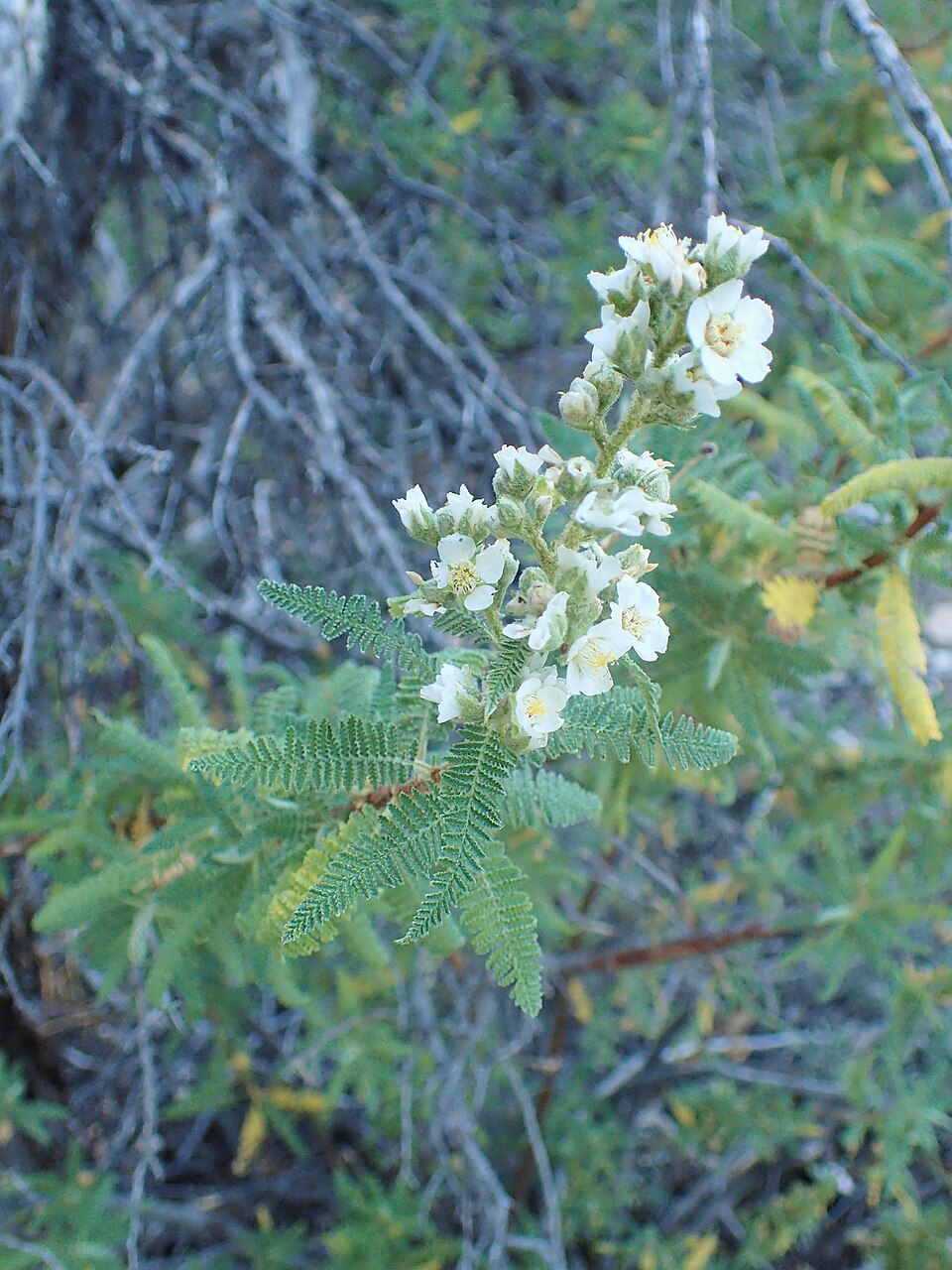
The leaves are the definitive identification feature: pinnately compound with a central rachis bearing 7–11 pairs of primary leaflets, each of which is itself pinnately divided into tiny lobes or teeth, creating a lacy, fern-like texture utterly unlike any other shrub in its range. The leaves are 1 to 3 inches long, bright green above, with both leaf surfaces covered in fine, sticky (glandular) hairs that give the plant its characteristic aromatic quality. Rubbing a leaf releases a pleasant, slightly resinous scent reminiscent of chamomile with a desert spice note. In fall, the leaves may turn yellow before dropping, or persist through mild winters as semi-evergreen foliage.
Flowers & Fruit
The flowers are produced in terminal racemes (elongated clusters) from June through August — a relatively long bloom period for a native shrub. Each individual flower is about 1/2 inch across with five white petals and numerous yellow stamens, giving them a look similar to tiny single roses or strawberry flowers. The floral display can be quite showy when the plant is in full bloom, covering the branch tips with creamy white clusters. After flowering, the plant produces dry, papery follicles (seed pods) that persist on the shrub through fall and winter, providing modest visual interest and small seeds for wildlife.
Quick Facts
| Scientific Name | Chamaebatiaria millefolium |
| Family | Rosaceae (Rose) |
| Plant Type | Deciduous to Semi-evergreen Shrub |
| Mature Height | 6–8 ft |
| Sun Exposure | Full Sun |
| Water Needs | Moderate |
| Bloom Time | June – August |
| Flower Color | White |
| USDA Hardiness Zones | 4–8 |
Native Range
Fern Bush is native to the drier mountains and high desert plateaus of the western United States, occurring from southern Oregon and southern Idaho south through Nevada, Utah, and California’s eastern ranges, into Wyoming and Arizona. It is a characteristic shrub of the montane chaparral and rocky shrublands of the interior West, typically found between 4,000 and 9,000 feet elevation on dry, rocky slopes and outcrops where soil depth is limited and moisture is seasonally available but not persistent.
Within its range, Fern Bush is most commonly found on south- and west-facing rocky slopes where shallow, well-drained soils preclude the establishment of most other shrubs. It grows in association with sagebrush, bitterbrush, and mountain-mahogany communities, often forming dense thickets on steep, rocky terrain. The plant’s ability to establish in thin, rocky soils and its tolerance of both late-spring frosts and intense summer heat make it more ecologically versatile than its moderate-moisture rating might suggest for the uninitiated gardener.
Fern Bush’s distribution is somewhat limited by its soil requirements — it consistently avoids heavy clays and prefers rocky, well-draining substrates — which creates a naturally patchy distribution across the landscape. In protected areas including portions of the Great Basin National Park, Cascade-Siskiyou National Monument, and numerous wilderness areas across the Sierra Nevada and Colorado Plateau, Fern Bush is a component of diverse native shrubland communities that support significant biodiversity.
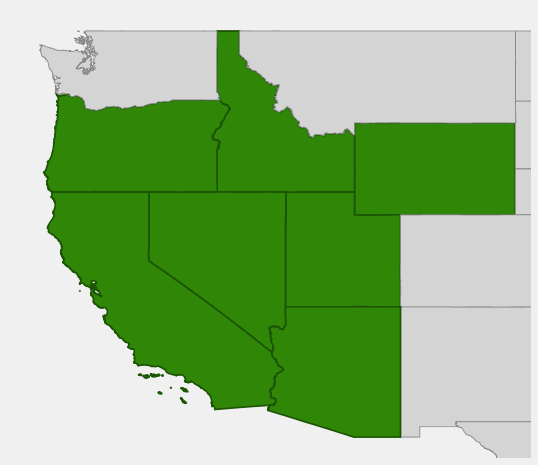
📋 Regional plant lists featuring Fern Bush: Intermountain West
Growing & Care Guide
Fern Bush is a rewarding native shrub for gardeners willing to provide the sharp drainage it demands. In the right setting, it requires minimal care and provides exceptional ornamental and ecological value across multiple seasons, from its feathery spring-summer foliage through its summer flower display and its autumn seed persistence.
Light
Full sun is essential for Fern Bush. It is a plant of exposed, open, rocky sites in nature and does not thrive in shade. Planting in a south- or west-facing location that receives at least 6–8 hours of direct sun daily will produce the healthiest, most floriferous plants. Even light afternoon shade can significantly reduce flowering performance and overall vigor in garden settings.
Soil & Water
Well-drained, lean soil is the key requirement. Fern Bush grows naturally in shallow, rocky, or sandy soils low in organic matter. In garden settings, avoid amending soil with compost or other organic material — this promotes excessive, weak growth and root problems. If your garden soil is heavy clay, amend heavily with decomposed granite or coarse gravel, or build a raised planting area with improved drainage. Once established, typically after 2 growing seasons, Fern Bush is moderately drought tolerant and requires minimal supplemental water. Water deeply but infrequently — once or twice per month in dry summers is usually sufficient for established plants. Overwatering is the most common cause of failure with this species.
Planting Tips
Plant in fall or early spring from container stock. Choose a site with excellent drainage — ideally a rocky slope or raised bed. Avoid low areas where water accumulates after rainfall. Do not fertilize. Mulch lightly with gravel or crushed rock to mimic natural conditions and prevent crown rot from wet organic mulch. Space plants 4–6 feet apart for a natural-looking grouping or an informal low hedge. The plant is slow-growing initially while establishing its root system, but accelerates once roots are well developed.
Pruning & Maintenance
Fern Bush requires minimal pruning. If desired, cut back by up to one-third in late winter to encourage compact, bushy growth and abundant summer flowers. Remove dead stems from the base as needed. The plant is generally pest- and disease-free when grown in appropriate conditions. Its aromatic, glandular foliage discourages browsing by deer in most situations, making it a good choice for gardens in deer country. Remove spent flower heads after bloom if a tidy appearance is desired, or leave them for the wildlife seed value.
Landscape Uses
- Rocky slope stabilization — excellent for dry, rocky hillsides where other shrubs fail
- Xeriscape border plantings — fine foliage texture contrasts beautifully with coarser native plants
- Summer-flowering interest with white flower clusters over a 6–8 week bloom period
- Wildlife habitat — supports native bees, beneficial insects, and birds
- Deer-resistant garden — aromatic foliage deters deer browsing
- Native plant compositions with sagebrush, penstemons, bitterbrush, and native grasses
- Fragrance garden element — aromatic leaves pleasant when brushed or in warm weather
Wildlife & Ecological Value
Though not as widely recognized as sagebrush or rabbitbrush as a wildlife plant, Fern Bush provides genuine ecological value in its native montane habitats, particularly for native pollinators, birds, and the insect communities of rocky western shrublands.
For Birds
The dense, multi-stemmed structure of Fern Bush provides excellent nesting habitat for small songbirds that favor shrubby, rocky terrain, including various sparrows, wrens, and warblers. The persistent dry seed follicles provide modest food value for seed-eating birds in fall and winter. The insect community associated with Fern Bush — particularly the native bees attracted to its summer flowers — supports insectivorous birds during the critical breeding season when protein-rich invertebrate food is essential for feeding nestlings.
For Mammals
Fern Bush is generally resistant to deer and rabbit browsing due to its aromatic, glandular foliage, which most herbivores find unpalatable in all but the most extreme food scarcity situations. The dense, woody structure provides cover for small rodents, lizards, and other small animals in rocky habitat where other shelter opportunities may be limited. Chipmunks and ground squirrels may harvest seeds from the persistent seed pods.
For Pollinators
The white summer flowers attract a diverse array of native bees, including bumble bees, sweat bees (Halictus and Lasioglossum species), and small mining bees (Andrena species). The long bloom period — June through August — makes it valuable during the midsummer period when many other native shrubs have finished flowering and food sources for bees are becoming scarce. Numerous moth species use Fern Bush as a larval host plant, contributing to the invertebrate diversity of rocky western shrubland landscapes.
Ecosystem Role
On steep, rocky slopes where soil is thin and erosion risk is high during summer thunderstorms, Fern Bush plays an important stabilization role. Its extensive root system binds rocky soils and reduces erosion events. As a component of montane chaparral communities, it contributes to the vegetative diversity that makes these habitats resilient to disturbance. After fire, Fern Bush resprouts vigorously from its woody crown, quickly revegetating burned slopes and providing rapid restoration of shrubland structure for colonizing wildlife and subsequently returning plant species.
Cultural & Historical Uses
Fern Bush was known and used by Indigenous peoples throughout its range, though it occupies a smaller place in the ethnobotanical record than more common Great Basin shrubs like Big Sagebrush. The Paiute, Shoshone, and other Great Basin peoples used the aromatic leaves and stems for various practical and ceremonial purposes. The leaves were sometimes burned as aromatic incense and used in sweat lodge ceremonies. The bark was used for cordage in some traditions, and the flexible stems were used in basket construction and as fire-making implements.
The plant’s distinctive aromatic quality — similar to but distinct from sagebrush — made it a useful marker plant for experienced travelers in the Great Basin. Growing on rocky slopes and outcrops where other shrubs were less common, its presence could indicate specific rock substrate and soil drainage conditions that experienced desert travelers could use to interpret the landscape around them. In this way, plant knowledge was inseparable from geographic knowledge for people who navigated the Great Basin on foot throughout their entire lives.
Medicinally, Fern Bush was used less extensively than many other Great Basin shrubs, but preparations from the leaves and stems were occasionally employed for cold and fever symptoms. The glandular, aromatic properties of the plant’s essential oils likely provided some real antimicrobial benefit. Modern research has not extensively investigated Fern Bush’s phytochemistry, but related genera in the Rosaceae family contain documented antimicrobial and anti-inflammatory compounds. Today, Fern Bush is primarily valued as an ornamental and wildlife plant, with growing interest in it for xeriscape design in its native range states.
Frequently Asked Questions
Why does Fern Bush look so different from other shrubs in the rose family?
Chamaebatiaria is a monotypic genus — there is only one species — that evolved a very unusual, finely divided leaf form compared to most of its rose family relatives. This unique leaf structure is thought to be an adaptation to its rocky, dry environment, reducing water loss while maintaining sufficient photosynthetic surface area. Its nearest relatives include Spiraea and Sorbaria, both in the rose family.
Is Fern Bush truly drought tolerant?
It is moderately drought tolerant once established in well-drained soil. It is not as xeric as Big Sagebrush or rabbitbrush, and will perform best with some supplemental irrigation during the first 1–2 growing seasons and an occasional deep watering during prolonged drought. The key is always drainage — it absolutely cannot tolerate wet feet or poorly drained soil.
Can Fern Bush be grown in heavy clay soil?
Not successfully without significant amendment. Heavy clay traps moisture and leads to root rot. If your garden has clay soil, build a raised planting bed with a mixture of native topsoil, coarse sand, and decomposed granite before planting Fern Bush. Alternatively, plant on a natural slope or berm where drainage is inherently better.
How long does Fern Bush live?
Individual plants can be quite long-lived — 20 to 40 years or more in favorable conditions. The plant also spreads slowly via basal shoots, forming a loose colony of connected stems that can persist even longer as individual stems age and die. This colony-forming habit makes it useful for stabilizing large rocky slopes over time.
When does Fern Bush bloom?
Typically June through August, with peak bloom in July at most elevations. The bloom period is quite long for a native shrub — often 6–8 weeks of continuous flower production — making it one of the more valuable summer nectar sources for native bees and other pollinators in the montane shrubland communities it inhabits.