Apache Plume (Fallugia paradoxa)
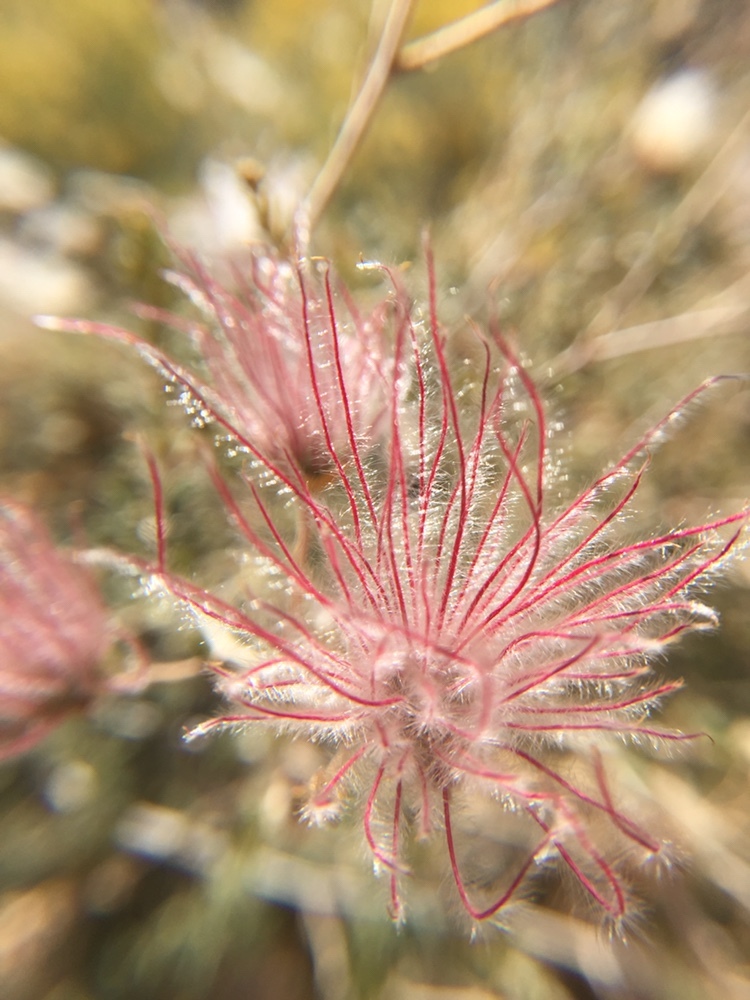
Fallugia paradoxa, commonly known as Apache Plume, is one of the most striking shrubs of the American Southwest and Great Basin. A member of the rose family (Rosaceae), this hardy, drought-tolerant deciduous shrub is named for its distinctive feathery seed clusters — tufts of elongated, pinkish-purple plumes that cover the plant in summer and early fall, creating a shimmering, smoky appearance that is utterly unlike any other native shrub in its range. The flowers that precede these plumes are equally attractive: bright white, five-petaled roses resembling wild strawberry blossoms.
Apache Plume thrives in the rocky canyon slopes, dry washes, and desert scrublands from western Texas west to California and north through Colorado and Utah into southern Idaho. It is supremely adapted to arid conditions, requiring excellent drainage and full sun, and is remarkably long-lived once established. The shrub grows 3 to 6 feet tall and equally wide, forming dense, twiggy thickets that provide excellent cover and nesting habitat for a wide array of desert wildlife. Native bees visit the flowers avidly, while the seed plumes are dispersed by wind.
In the landscape, Apache Plume is invaluable for xeriscape gardens, dry slopes, and native plant meadows throughout the Intermountain West. It grows vigorously with essentially no supplemental water once established, tolerates poor rocky soils, and provides three full seasons of visual interest: white flowers in late spring through summer, pink feathery plumes through summer and fall, and then fine, dark, intricate twigwork in winter. Few native shrubs offer such enduring ornamental value with so little maintenance.
Identification
Apache Plume grows as a densely branched, upright to spreading deciduous shrub reaching 3 to 6 feet (1–1.8 m) in height, often as wide as tall. The branches are covered in shredding, whitish-gray bark that adds winter texture. New growth is slender and flexible, covered in fine white hairs that give young stems a pale appearance.
Leaves
The leaves are small — just ½ to 1 inch (1–2.5 cm) long — and distinctive: deeply pinnately lobed (pinnately divided), almost feather-like, with 3 to 7 narrowly oblong lobes that curl under at the margins (revolute). They are clustered in tight bundles on short spurs. The upper surface is dark green; the undersides are pale with a coating of tiny white hairs. Leaves are semi-persistent in mild winters but usually drop in cold or dry conditions.
Flowers
The flowers are the showiest element of Apache Plume’s early season. Each bloom measures ¾ to 1¼ inches (2–3 cm) across with five rounded white petals surrounding a central boss of numerous yellow stamens — unmistakably in the rose family. Flowers are borne singly or in small clusters on short stalks. They appear from late April or May continuing sporadically through summer, with the heaviest bloom in spring. The faint fragrance attracts native bees and beneficial insects.
Seed Plumes
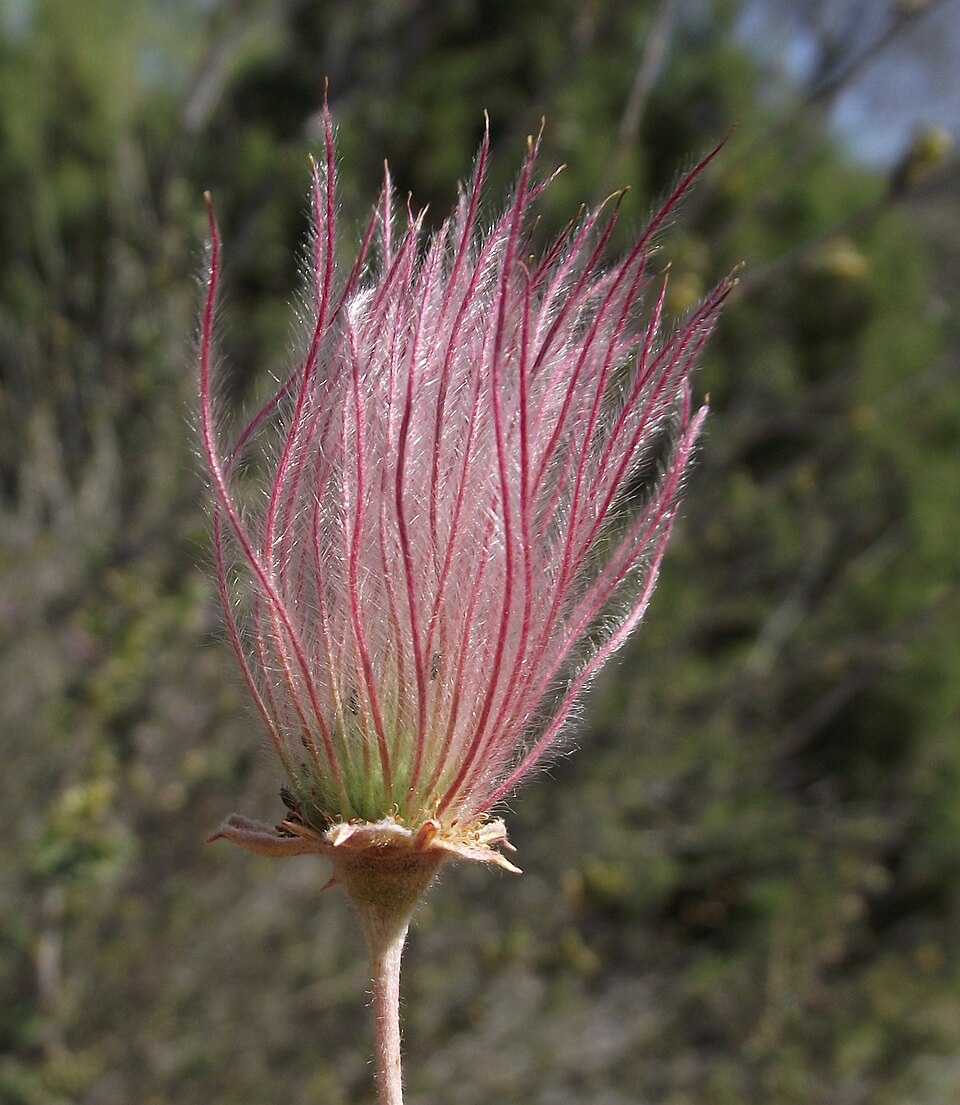
After each flower fades, the persistent styles elongate into feathery, silky plumes up to 2 inches (5 cm) long, turning from pale pink to deep rose-purple as they mature. Each flower head develops 25 to 30 of these achenes, so the entire shrub becomes enveloped in a spectacular rosy haze by midsummer. The plumes persist on the plant for weeks, catching the light and moving in the slightest breeze — the feature that inspired both the common name and fascinated countless observers across the centuries.
Quick Facts
| Scientific Name | Fallugia paradoxa |
| Family | Rosaceae (Rose Family) |
| Plant Type | Deciduous Shrub |
| Mature Height | 6 ft |
| Sun Exposure | Full Sun |
| Water Needs | Low to Moderate |
| Bloom Time | May – September |
| Flower Color | White (flowers), pink-purple (feathery seed plumes) |
| USDA Hardiness Zones | 5–9 |
Native Range
Apache Plume is native to the arid and semi-arid regions of the American Southwest and southern Intermountain West. Its core range extends from western Texas through New Mexico and Arizona, north through Colorado and Utah into southern Nevada and southern California, with scattered occurrences in southern Idaho. The species is most abundant in the Colorado Plateau, Chihuahuan Desert, and Sonoran Desert transition zones, where rocky soils and reliable sun are plentiful.
Within this range, Apache Plume typically grows on rocky canyon walls, dry mesa edges, gravelly washes, and the lower slopes of desert mountain ranges from 3,500 to 8,000 feet elevation. It favors south- and west-facing exposures that are too dry and rocky for most shrubs. It is a characteristic plant of pinyon-juniper woodland edges, desert shrubland, and Chihuahuan Desert scrub communities.
Apache Plume often grows in association with other drought-adapted shrubs including Cliffrose (Purshia mexicana), Mountain Mahogany (Cercocarpus spp.), Desert Willow (Chilopsis linearis), and various species of Penstemon. Its deep root system — which can penetrate several feet into rocky substrate — allows it to access water that is unavailable to shallower-rooted plants, giving it a competitive advantage in the arid landscape.
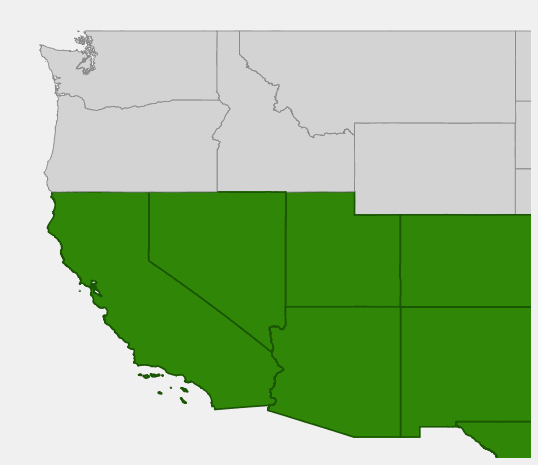
📋 Regional plant lists featuring Apache Plume: Intermountain West
Growing & Care Guide
Apache Plume is one of the easiest native shrubs to grow in the Southwest and Intermountain West — once you match its fundamental needs for sun, drainage, and low water. In the right location, it is essentially maintenance-free and will thrive for decades.
Light
Apache Plume demands full sun — at least 6 to 8 hours of direct sunlight daily. It evolved in open, unshaded desert and canyon environments and will not perform well in shade. Poor sun leads to sparse flowering, leggy growth, and susceptibility to disease. Plant it where it can bask all day.
Soil & Water
Perfect drainage is the single most critical factor for Apache Plume. It thrives in poor, rocky, sandy, or gravelly soils and will decline or die in heavy clay that retains moisture. Once established (usually after one full growing season with supplemental irrigation), Apache Plume requires essentially no watering — it is a true xeriscape plant. Even in garden settings, water sparingly in summer: deep, infrequent irrigation (once every 2–3 weeks in summer if needed) is far preferable to frequent shallow watering. The plant’s extensive root system is adapted to draw moisture from deep in the soil profile.
Planting Tips
Plant in early spring or fall in well-draining soil amended with sand or gravel if needed. Dig a wide, shallow hole rather than a deep narrow one, and avoid amending the backfill — this encourages roots to spread into native soil. Apply a light gravel mulch (not wood chips) to keep soil surface dry and reflect heat. Do not fertilize: Apache Plume thrives in low-nutrient soils and fertilization promotes soft growth susceptible to disease.
Pruning & Maintenance
Apache Plume benefits from occasional rejuvenation pruning every 3–5 years: cut the entire shrub back by one-third to one-half in late winter to stimulate vigorous new growth and abundant flowering. Remove dead or crossing branches as needed. The plant can also be lightly sheared after the main spring bloom to shape it, though this reduces the spectacular seed plume display. Minimal maintenance otherwise.
Landscape Uses
- Xeriscape anchor plant — provides structure and seasonal interest with zero water input once established
- Slope stabilization — deep roots hold soil on dry, rocky banks
- Wildlife habitat — dense thickets provide nesting and escape cover; flowers attract native bees
- Mixed native shrub border — plant with Desert Marigold, Cliffrose, and Penstemon for year-round color
- Rock garden feature — spectacular against boulders and natural stone
- Hedge or screen — thorny enough to deter foot traffic when planted in mass
Wildlife & Ecological Value
Apache Plume provides important habitat structure and food resources across multiple animal groups in the desert Southwest, particularly in the shrubby transition zones between desert and mountain habitats.
For Birds
The dense, thorny thickets created by Apache Plume offer prime nesting habitat for Crissal Thrashers, Black-throated Sparrows, Verdins, and other desert-adapted songbirds. The feathery seed plumes, while wind-dispersed rather than fleshy fruits, are occasionally picked at by granivorous birds. The flowers attract the insects that insectivorous birds depend on. In fall and winter, the dense branching provides critical thermal cover and refuge from predators.
For Mammals
Mule Deer and Pronghorn browse Apache Plume foliage and twigs, particularly during drought periods when other forage is scarce. Jackrabbits use the dense thickets for shade and shelter. The deep root system does not recover well from severe browsing pressure, so Apache Plume is best protected from deer damage in establishment years until it can handle browsing without setback.
For Pollinators
Apache Plume is an important early-season nectar source across its range. The large white flowers attract a diverse array of native bees including sweat bees (Halictus spp.), small carpenter bees, and mining bees, as well as butterflies including various blues and swallowtails. The long blooming season — from May well into September — makes it one of the most sustained nectar sources available in dry desert landscapes where bloom times can be abbreviated by heat and drought.
Ecosystem Role
In its natural habitat, Apache Plume plays an important role in stabilizing eroding soil on canyon walls and dry slopes. Its deep, extensive root network binds rocky soils that would otherwise wash away during monsoon rains. The shrub also acts as a nurse plant for other species: its shade and wind protection help establish cacti, perennial grasses, and other shrubs in harsh exposed locations where they would struggle without protection. Apache Plume is also an early colonizer after disturbance and is used in erosion control and revegetation projects throughout the Southwest.
Cultural & Historical Uses
Apache Plume holds significant cultural importance among numerous Indigenous peoples of the American Southwest, particularly those of the Pueblo and Apache cultural groups that give the plant its common name. The Zuni people of New Mexico used Apache Plume branches to make prayer sticks (pahos) — ceremonial objects of religious significance. The strong, flexible young stems were also fashioned into arrows, and the fine-grained wood used for small implements and tools. The Navajo incorporated parts of the plant into ceremonial practices and used a root decoction medicinally.
Spanish settlers in New Mexico and Arizona adopted Apache Plume from Indigenous practice, using the tough stems for baskets, brooms (escobas), and arrow shafts. The plant’s fibrous bark was twisted into rope and cordage. These uses reflect the plant’s importance as a material resource in a landscape where wood was often scarce and every useful plant was exploited fully. Spanish-speaking communities called the plant “ponil” or “hierba del apache” in some areas.
In modern horticulture, Apache Plume has become increasingly important as xeriscape gardening has gained popularity throughout the Southwest and West. It is widely grown in water-wise demonstration gardens and has received recognition from organizations promoting drought-tolerant native plants in arid climates. The plant’s adaptability to poor soils also makes it valuable in post-disturbance revegetation projects, highway rights-of-way, and land restoration work in arid and semi-arid environments across the West.
Frequently Asked Questions
How much water does Apache Plume need?
Very little once established. During the first year after planting, water every 1–2 weeks to help establish the root system. After that, supplemental irrigation is rarely needed — even in summer. In hot desert climates, a deep watering once a month in summer is more than sufficient. Apache Plume is genuinely drought-adapted and prefers drier soil over consistent moisture.
Why aren’t my Apache Plume plants blooming well?
The most common cause is insufficient sun. Apache Plume requires full sun — at least 6 hours daily — for abundant flowering. Other causes include soil that is too rich or moist (which promotes leafy growth at the expense of flowers), or plants that are overdue for rejuvenation pruning. Try cutting back by one-third in late winter to stimulate new flowering wood.
Is Apache Plume deer-resistant?
It is somewhat deer-resistant due to its small, leathery, aromatic leaves and twiggy form, but deer will browse it during drought when other food is scarce. Newly planted specimens are most vulnerable; established plants can typically handle occasional browsing.
How quickly does Apache Plume grow?
Apache Plume grows at a moderate pace — roughly 1 foot per year under good conditions. It can reach 3–4 feet within 3–4 years of planting and achieve full size (5–6 ft) within 5–7 years. Growth is faster in the first few years with occasional deep watering.
Can Apache Plume grow in clay soil?
No — Apache Plume will decline and die in poorly-draining clay soil. If your soil is heavy clay, either choose a different plant or amend the planting area generously with coarse sand and gravel. Raised beds with well-draining fill soil are another option.