‘Ilima (Sida fallax)
Sida fallax, the beloved Hawaiian native known as ‘Ilima, is one of the most culturally treasured plants in the Hawaiian Islands. A member of the Malvaceae (mallow) family, ‘Ilima produces small but vivid golden-yellow to orange flowers that have been cherished for centuries as the primary flower for lei-making on the island of O’ahu, where it holds the distinction of being the official island flower. A single ‘ilima lei requires hundreds to thousands of individually strung flowers, making each lei a labor of love and a profound expression of aloha.
‘Ilima grows across a wide range of Hawaiian habitats, from dry, wind-battered coastal bluffs and sandy beach margins to mesic shrublands and forest edges at moderate elevations. The plant is highly variable in form — coastal “prostrate” forms grow low and spreading across open ground, while inland and forest-edge forms grow more erect as shrubs reaching 3 to 10 feet tall. This morphological plasticity makes ‘ilima one of the most adaptable native Hawaiian plants, tolerating salt spray, drought, and poor, rocky soils that would stress most other vegetation.
Despite its cultural centrality, ‘ilima has faced significant threats from habitat loss, introduced invasive species, and urban development — particularly in lowland dry forest and coastal shrubland habitats. Conservation efforts and widespread replanting in parks, school gardens, and native landscaping projects have helped maintain ‘ilima populations across O’ahu and the other main Hawaiian islands. Growing ‘ilima at home is both a way to support native biodiversity and a tangible connection to Hawaiian cultural heritage.
Identification
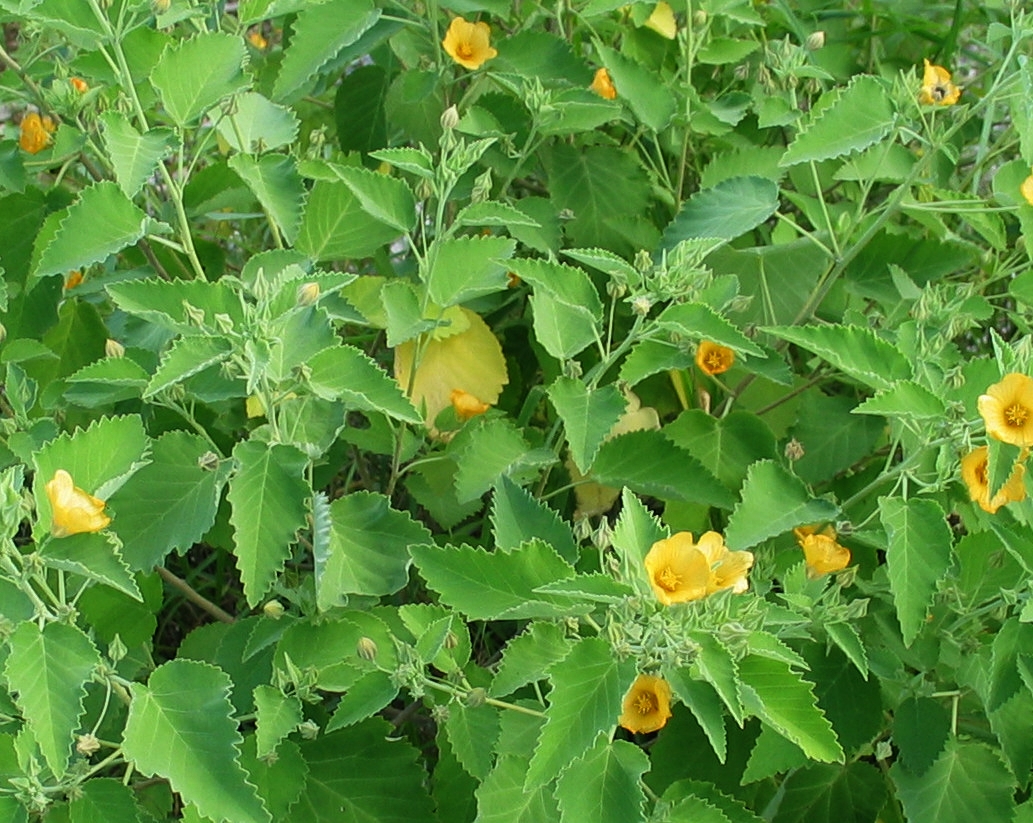
‘Ilima is a variable shrub ranging from prostrate ground-hugging mats in harsh coastal environments to erect shrubs 3 to 10 feet (1–3 m) tall in more sheltered inland sites. Stems are slender and woody at the base, with younger growth soft and densely pubescent (hairy). The overall appearance is light and airy, with small leaves and a constant display of cheerful yellow-orange flowers throughout much of the year.
Leaves
The leaves are simple, alternate, and ovate to oblong, typically ½ to 1½ inches (1.5–4 cm) long. Leaf surfaces are densely covered with fine, soft hairs, giving the plant a grayish-green to silvery-green appearance. Leaf margins are finely toothed or crenate. Young growth is particularly hairy, with a soft, velvety texture. The leaves have a slightly paler underside and are attached on short petioles.
Flowers
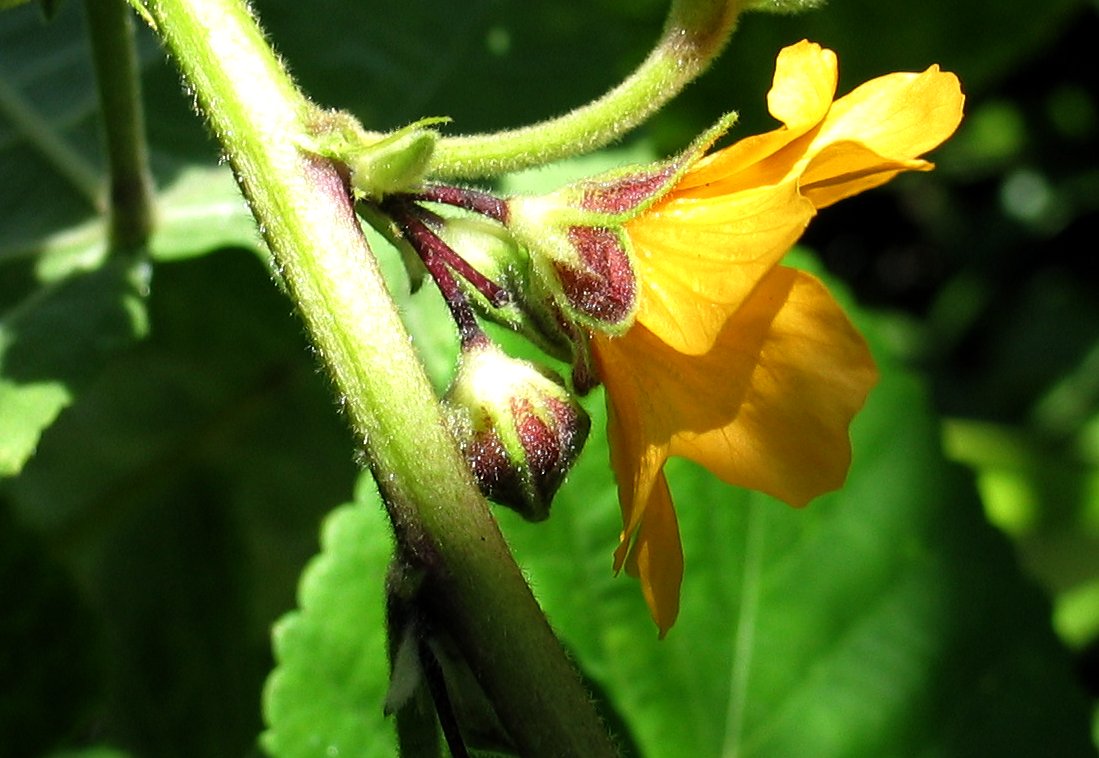
The flowers are the defining feature of ‘ilima — five broadly flared petals forming an open, saucer-shaped bloom ½ to 1 inch (1.5–2.5 cm) across. Petal color ranges from pale gold to deep orange-yellow, often with a deeper orange or reddish base. The central column of stamens is characteristic of the mallow family. Flowers are borne singly or in small clusters from leaf axils and are produced almost year-round, with peak blooming in spring and fall. Flowers open in the morning and typically drop by afternoon — which is why lei stringing requires harvesting flowers early in the day.
Fruit & Seeds
The fruit is a small, segmented schizocarp (like other mallows) — a roughly disc-shaped capsule that breaks into 8–10 one-seeded wedge-shaped segments (mericarps) at maturity. Seeds are small, brown, and kidney-shaped. The fruit is not particularly ornamental but is eaten by some birds and small animals.
Quick Facts
| Scientific Name | Sida fallax |
| Family | Malvaceae (Mallow) |
| Plant Type | Evergreen Shrub (prostrate to erect) |
| Mature Height | 5–10 ft (erect forms); prostrate forms much lower |
| Sun Exposure | Full Sun to Part Shade |
| Water Needs | Low to Moderate (Drought Tolerant) |
| Bloom Time | Year-round (peak spring and fall) |
| Flower Color | Golden yellow to deep orange |
| Lei Flower | Yes — official flower of O’ahu island |
| USDA Hardiness Zones | 10–12 |
Native Range
‘Ilima (Sida fallax) is native to the Hawaiian Islands, where it occurs on all of the main islands — Kaua’i, O’ahu, Moloka’i, Lāna’i, Maui, and the Big Island (Hawai’i) — as well as the Northwestern Hawaiian Islands. The species is also indigenous to other Pacific island groups including Johnston Atoll, the Marshall Islands, and other Micronesian and Polynesian islands, reflecting its likely dispersal by ocean currents or birds across the Pacific.
Within Hawaiʻi, ‘ilima occupies a broad ecological niche from coastal sea level up to about 3,000 feet elevation, occurring in dry and mesic zones. It is most abundant in lowland dry shrublands, coastal dune communities, and disturbed open areas, but also occurs in dry forest understories and along roadsides and forest margins. Different growth forms have adapted to specific habitat conditions — the prostrate coastal form thrives in salt spray and sandy soils near the ocean, while the erect inland form favors slightly moister conditions with more shelter.
O’ahu holds a special place in the story of ‘ilima. The plant is the official lei flower of O’ahu, and historically was gathered by the thousands on the southern plains and foothills of the island — areas now largely urbanized. Ongoing restoration and replanting efforts at places like Kalaeloa (the former Barbers Point Naval Air Station) and along the Ko’olau foothills are helping restore ‘ilima populations in areas where it once thrived in abundance.
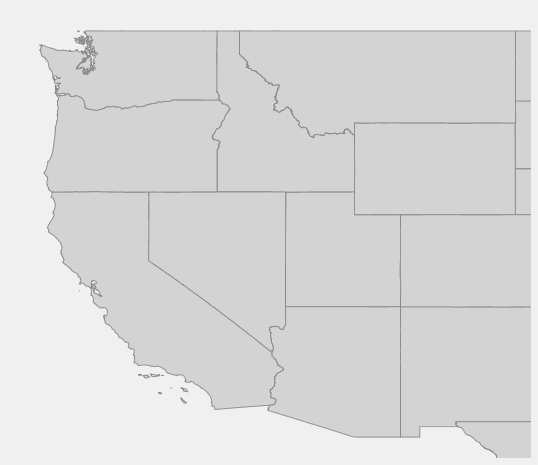
📋 Regional plant lists featuring ‘Ilima: Hawaii
Growing & Care Guide
‘Ilima is a rewarding plant for Hawaiian gardens — fast-growing, nearly year-round blooming, and surprisingly easy to maintain once established in the right conditions. Its cheerful golden flowers and cultural significance make it a must-have for native Hawaiian landscaping.
Light
‘Ilima thrives in full sun and produces the most flowers in bright, direct sunlight. It tolerates part shade but may become more open and less floriferous under reduced light. For lei flower production or maximum bloom display, choose the sunniest location available. Coastal plantings in full sun with sea breezes are ideal.
Soil & Water
‘Ilima prefers well-drained, sandy to loamy soils and is highly drought-tolerant once established. It naturally grows in coastal sands and rocky volcanic soils with minimal organic matter. Avoid heavy clay or waterlogged soils. Young plants need regular watering for the first several months; established plants require minimal supplemental irrigation in most Hawaiian settings. ‘Ilima does not require fertilization and may actually perform better in nutrient-poor soils.
Planting Tips
Plant ‘ilima from container nursery stock or start from seed. Seeds germinate readily after light scarification or a 24-hour soak in warm water. Space erect forms 3–5 feet apart; prostrate forms can be used as ground covers at 2–3 foot spacing. Pinching young plants encourages bushier growth and more flowers. ‘Ilima is available at Hawaiian native plant nurseries, and many restoration organizations sell locally propagated plants.
Pruning & Maintenance
Light pruning after bloom periods helps maintain a compact, bushy shape and encourages new flowering growth. Remove spent flower stems and any dead wood. ‘Ilima can be kept as a formal hedge with periodic shearing, or grown naturally as a loose, informal shrub. It has few serious pest or disease problems in Hawaii, though it may occasionally be attacked by aphids or caterpillars — treat with insecticidal soap if necessary.
Landscape Uses
- Lei flower garden — grow your own supply of ‘ilima flowers for lei-making
- Butterfly garden — flowers attract native and non-native butterflies and bees
- Coastal landscape — salt-spray and wind tolerant for beachfront planting
- Ground cover — prostrate forms excellent for slopes and open areas
- Native hedgerow — erect forms create attractive informal hedges
- School and community gardens — widely used in Hawaiian cultural education
- Restoration plantings in lowland dry shrublands and coastal communities
Wildlife & Ecological Value
‘Ilima makes a meaningful contribution to Hawaiian native ecosystems, particularly in the dry lowland zone where native plant cover has been dramatically reduced by development and invasive species.
For Pollinators
The bright golden flowers of ‘ilima are excellent pollinator attractors, drawing native Hawaiian yellow-faced bees (Hylaeus spp.) — several species of which are federally endangered — as well as non-native honeybees, carpenter bees, and butterflies. The nearly year-round bloom makes ‘ilima a critical nectar source when other native plants are not flowering. In restored coastal shrublands, ‘ilima patches are often the most active pollinator hotspots.
For Birds
The small seeds of ‘ilima are consumed by various native and non-native birds. The dense, bushy growth form provides cover and nesting habitat for small birds such as the Japanese white-eye and native finches. In remnant native dry forest fragments, ‘ilima provides perching and foraging habitat for native Hawaiian birds including the ‘Amakihi.
For Insects
‘Ilima supports a variety of native Hawaiian insects beyond pollinators, including caterpillars of several native moth species that feed on the foliage. The resinous leaf hairs may also trap small invertebrates. Maintaining ‘ilima in the landscape contributes to the broader native invertebrate food web.
Ecosystem Role
In the highly degraded lowland dry shrublands of Hawaiʻi — one of the most threatened ecosystems in the United States — ‘ilima serves as a critical foundation species. It stabilizes soils, provides microhabitat structure, and creates conditions that allow other native species to establish. Its tolerance of disturbed and degraded sites makes it an important “ecological bridge” between bare or weedy areas and restored native plant communities.
Cultural & Historical Uses
‘Ilima holds an exceptionally important place in Hawaiian culture, above all as the premier lei flower of O’ahu. A traditional ‘ilima lei consists of hundreds to thousands of individual blossoms threaded on a string — a process that can take many hours and requires the harvesting of fresh flowers each morning (since the flowers drop by afternoon). Because of the labor involved, ‘ilima leis are considered among the most prized and precious of all Hawaiian leis, historically associated with royalty (ali’i) and ceremonial occasions.
In ancient Hawaiʻi, ‘ilima leis were especially associated with the hula and with the goddess Laka, patroness of hula. Offerings of ‘ilima were placed on hula altars, and the plant was considered sacred in the hula tradition. The flowers were also used medicinally — infusions of ‘ilima flowers were used to treat infant colic and constipation, and the plant has a long history in traditional Hawaiian medicine (lā’au lapa’au). Pounded ‘ilima flowers were reportedly used as a gentle laxative and tonic.
The name ‘ilima itself is deeply embedded in Hawaiian place names, family names, and cultural references throughout the islands. O’ahu’s designation with ‘ilima as its island flower reflects the plant’s historical abundance on the island and its deep cultural identity with O’ahu in particular. Today, ‘ilima is a symbol of Hawaiian cultural pride and ecological restoration, planted widely in schools, parks, and home gardens as both a cultural and ecological statement.
Frequently Asked Questions
How many ‘ilima flowers does it take to make a lei?
A standard single-strand ‘ilima lei requires approximately 500 to 1,000 individual flowers, depending on the size of the blossoms and the style of stringing. Multiple-strand or full leis can require several thousand flowers. Because each flower lasts only a single day, fresh flowers must be gathered in the early morning on the day the lei is made — contributing to the precious, ephemeral quality of ‘ilima leis.
Is ‘ilima the same as the O’ahu island flower?
Yes — ‘ilima is the official flower of the island of O’ahu. Each of the eight main Hawaiian islands has a designated island flower and color; O’ahu’s is ‘ilima, representing the golden-yellow color of its blossoms. The flower is deeply associated with O’ahu’s cultural and natural identity.
Can ‘ilima be grown in containers?
Yes — ‘ilima adapts well to containers, making it suitable for lanai gardens and small spaces. Use a well-drained potting mix and ensure the container has good drainage. Container plants may need more frequent watering than in-ground plants, but ‘ilima is generally forgiving. Regular light pruning keeps container plants compact and flowering.
What is the difference between ‘ilima papa and ‘ilima kū kula?
‘Ilima papa refers to the prostrate, ground-hugging form that grows along coastal areas and open rocky ground; “papa” means flat or low in Hawaiian. ‘Ilima kū kula (or ‘ilima kū kala) refers to the erect, tall forms that grow in more sheltered inland sites. Both are forms of Sida fallax and both produce the desirable lei flowers, though their growth habits differ substantially.
How can I encourage more flowers on my ‘ilima?
For maximum flowering, plant ‘ilima in full sun, ensure good drainage, avoid over-fertilizing (especially with high-nitrogen fertilizers), and prune lightly after each bloom cycle to stimulate new flowering wood. Dead-heading spent flowers also encourages continued blooming. ‘Ilima tends to flower most prolifically in warm, dry conditions with good air circulation.

Looking for a nursery that carries ‘Ilima?
Browse our native plant nursery directory: Hawaii