Bowman’s Root (Porteranthus trifoliatus)
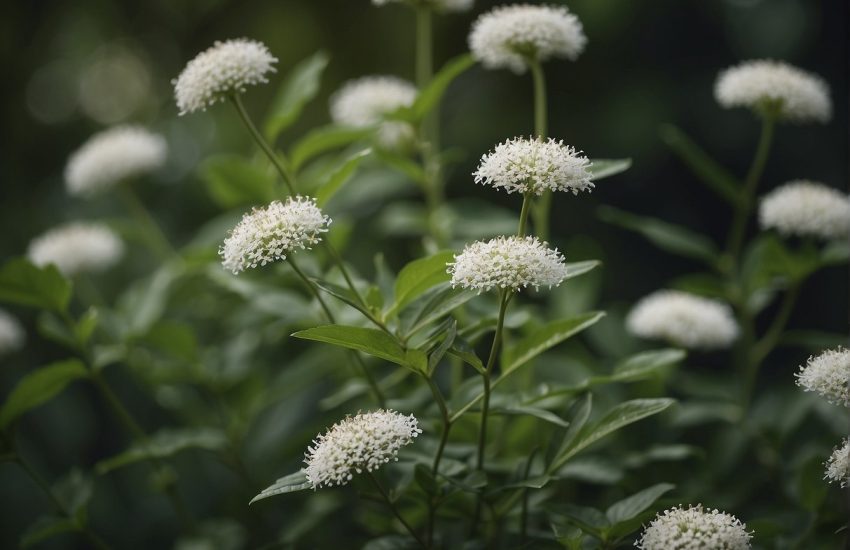
Porteranthus trifoliatus (syn. Gillenia trifoliata), commonly known as Bowman’s Root, is one of the most elegant and underused native wildflowers of eastern North America. A member of the Rosaceae (Rose) family, this graceful perennial produces a profusion of airy, star-shaped white to pale-pink flowers atop slender reddish stems in late spring, creating a delicate cloud of bloom reminiscent of a baby’s breath for native plant gardens. The plant takes its common name from its thick, medicinal root, which was used extensively by Indigenous peoples and early American physicians as an emetic and cathartic.
Native primarily to the Appalachian Mountain region and adjacent areas, Bowman’s Root is a plant of moist, shaded woodland margins, rocky slopes, and stream corridors. It thrives in the dappled light conditions that exist at the edges of mature deciduous forests — conditions that are increasingly difficult to replicate in conventional gardens, making Bowman’s Root a precious and somewhat rare find at native plant nurseries. Once established, it is a remarkably long-lived perennial — individual plants can persist for decades in suitable conditions, slowly expanding into graceful clumps.
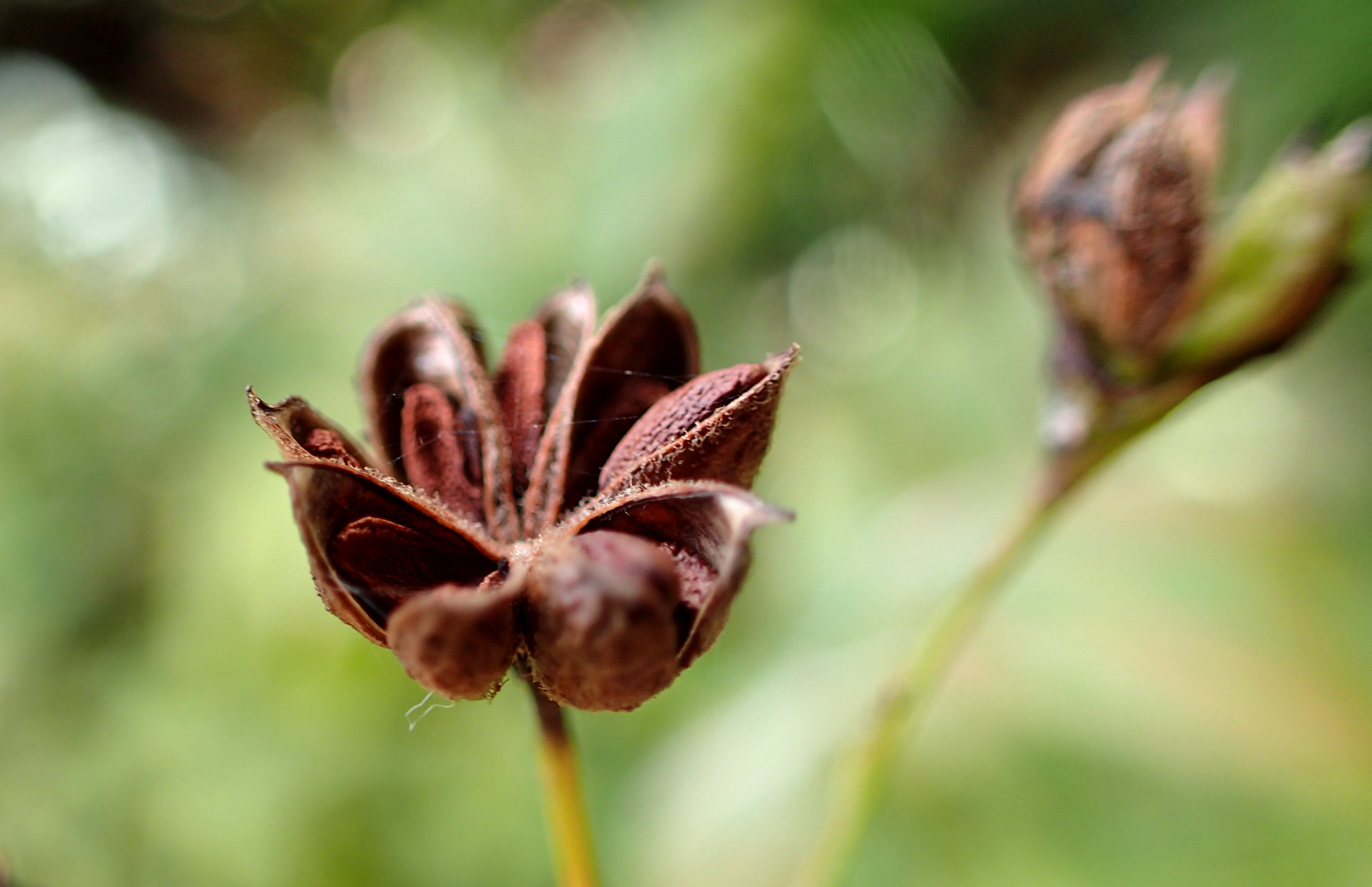
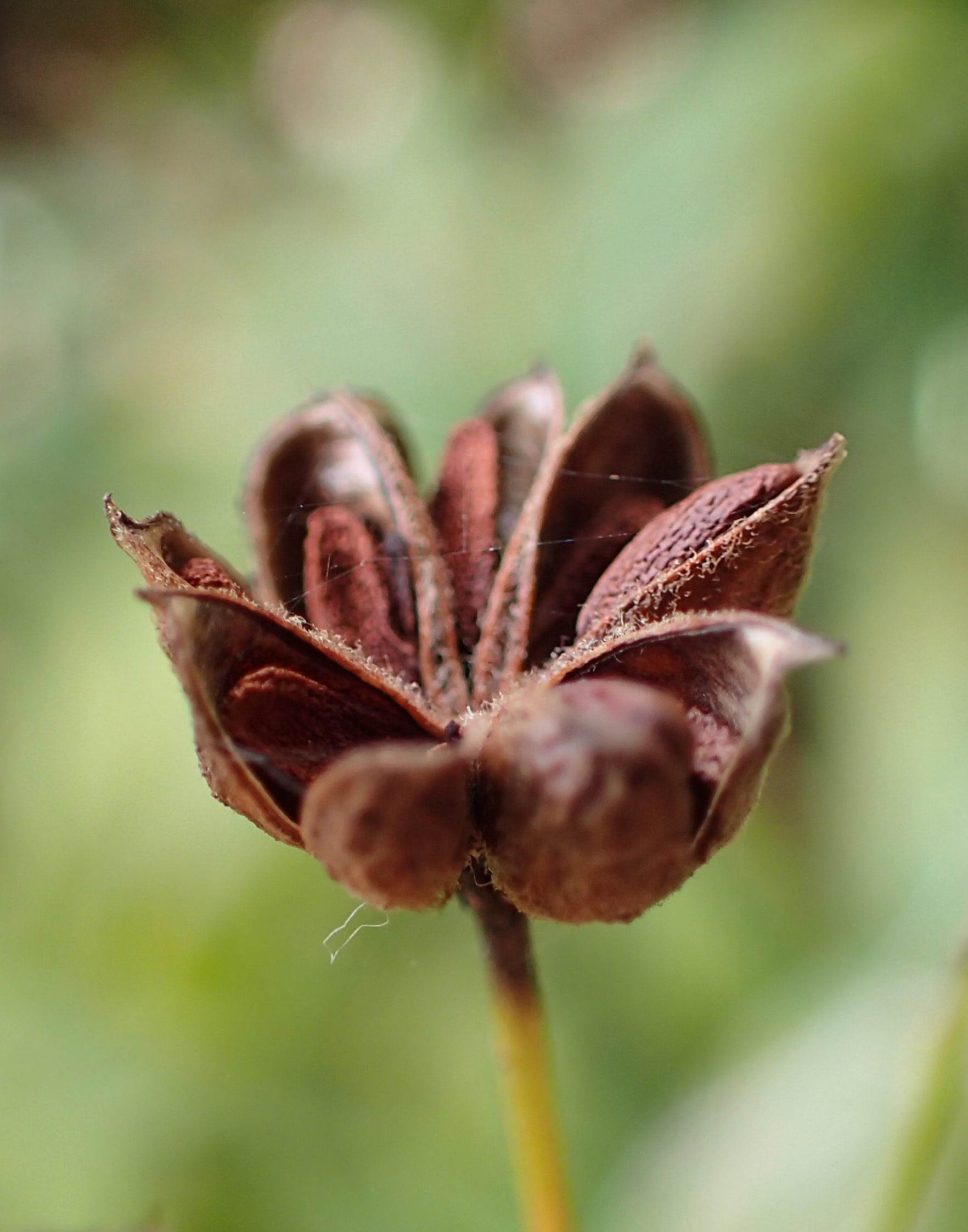
In the garden, Bowman’s Root offers multiple seasons of interest. The flower display in May and June is followed by attractive red-tinged seed calyces that persist into summer and fall, providing a secondary ornamental element. The trifoliate, toothed leaves — held on distinctively dark reddish stems — have their own textural interest throughout the growing season, and the plant’s finely branched form adds movement to the garden in the breeze. For native plant enthusiasts and those designing Appalachian-inspired gardens in Maryland, Virginia, and West Virginia, Bowman’s Root is a must-have species.
Identification
Bowman’s Root grows as a loosely branching perennial herb, typically reaching 2 to 3 feet tall in flower. The stems are slender, reddish-brown, and somewhat wiry in appearance, giving the plant a delicate, open structure that moves gracefully in the wind. It is sometimes confused with its close relative Indian Physic (Porteranthus stipulatus), which can be distinguished by its larger, more prominent leafy stipules at the base of each leaf.
Leaves
The leaves are a key identification feature — they are trifoliate, meaning each leaf is composed of three separate leaflets arranged in a palmate pattern. Each leaflet is 1 to 3 inches long, lance-shaped to ovate, with sharply serrated (toothed) margins. The leaves are alternately arranged on the stem and are typically a dark, somewhat matte green on top and paler beneath. The leaf stalks (petioles) are very short, giving the leaves a nearly sessile appearance, and they are borne on the distinctive dark reddish-brown stems that help identify the plant even before flowering.
Flowers & Fruit
The flowers of Bowman’s Root are among the most distinctive of any native perennial. Each bloom consists of five narrow, strap-shaped white to pale-pink petals that are irregularly spaced and slightly twisted, creating an asymmetrical, starry effect rather than the neat, symmetrical bloom of a typical rose-family flower. The flowers are about ¾ to 1 inch across and are produced in loose, many-branched panicles at the stem tips from May through June. After pollination, the persistent red calyx develops into an attractive star-shaped seed capsule that remains ornamental through summer and early fall. The overall effect of a plant in full bloom is airy and cloud-like — spectacular in the shade garden.
Quick Facts
| Scientific Name | Porteranthus trifoliatus (syn. Gillenia trifoliata) |
| Family | Rosaceae (Rose) |
| Plant Type | Herbaceous Perennial |
| Mature Height | 2–3 ft |
| Sun Exposure | Part Shade to Full Shade |
| Water Needs | Moderate |
| Bloom Time | May – June |
| Flower Color | White to pale pink |
| Soil Type | Well-drained, loamy or rocky; slightly acidic |
| Fall Interest | Red seed calyces; bronze-orange foliage color |
| USDA Hardiness Zones | 4–8 |
Native Range
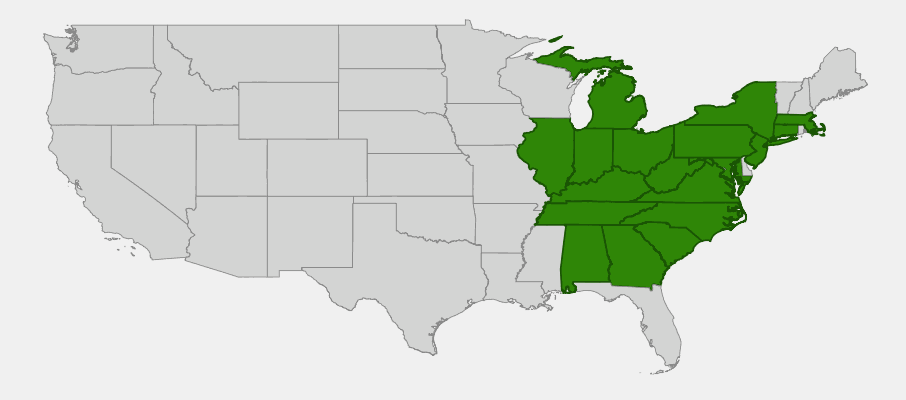
Bowman’s Root is primarily an Appalachian species, native to the mountain ranges and adjacent piedmont and upland areas of eastern North America. Its core range runs from New York south through Pennsylvania, New Jersey, and Maryland, down through the Appalachian highlands of Virginia, West Virginia, North Carolina, South Carolina, Georgia, Tennessee, Alabama, and into the Ohio Valley states of Ohio, Indiana, and Kentucky. Michigan has an isolated population as well.
Within this range, Bowman’s Root is most characteristic of the mixed mesophytic forests of the central and southern Appalachians — the species-rich, moist hardwood forests that occupy sheltered ravines, north-facing slopes, and stream valleys throughout the mountains. It grows in the transitional zone between deep forest and open woodland edge, where sunlight filters through the canopy to reach a height of 3 to 5 feet but full direct sun is limited. These conditions — dappled shade, moist but well-drained rocky or loamy soils — are where Bowman’s Root flourishes most reliably.
In Maryland, Virginia, and West Virginia specifically, Bowman’s Root is a characteristic wildflower of the Appalachian and Ridge and Valley physiographic provinces, growing on sheltered mountain slopes, in rocky stream corridors, and in the moist oak-hickory-maple forests that cloak the region’s ridges and hollows. It is not especially common in the Coastal Plain or lower Piedmont portions of these states, preferring the cooler, moister conditions of the mountains.
📋 Regional plant lists featuring Bowman’s Root: Maryland, Virginia & West Virginia
Growing & Care Guide
Bowman’s Root is one of the most rewarding native perennials for the shaded or semi-shaded garden. While it requires some patience — taking 2 to 3 years to fully establish and reach mature size — it rewards that patience with decades of reliable performance, spectacular late-spring bloom, and attractive multi-season foliage texture. Once established, it is drought-tolerant for a shade plant and requires minimal intervention.
Light
Bowman’s Root grows best in part shade to full shade — replicating the dappled light conditions of its natural woodland habitat. In the garden, ideal conditions include morning sun with afternoon shade, or the light filtering through a high deciduous canopy. Too much shade reduces flowering; too much direct sun causes leaf scorch and wilting in the heat of summer. The sweet spot is 2 to 4 hours of direct sunlight or equivalent dappled light throughout the day.
Soil & Water
Bowman’s Root thrives in moist but well-drained, slightly acidic soils (pH 5.5–7.0), similar to the loamy, humus-rich conditions of Appalachian forest floors. It adapts to rocky or sandy soils with good drainage, but does not tolerate wet, poorly drained soils. In the first year after planting, consistent moisture is essential for establishment. Once established (typically after the second growing season), Bowman’s Root becomes quite drought-tolerant, making it an excellent low-maintenance choice for challenging shaded sites.
Planting Tips
Plant Bowman’s Root in spring or fall, amending heavy clay soils with compost or leaf mold to improve drainage. Space plants 18 to 24 inches apart; they slowly expand by rhizome but never become aggressive. Mulching with 2 to 3 inches of shredded leaf litter mimics the natural forest floor and helps retain moisture while suppressing weeds. Bowman’s Root is available from specialist native plant nurseries — it is not widely common in general garden centers but is worth seeking out.
Pruning & Maintenance
After the spectacular spring bloom, the attractive red seed calyces provide ornamental interest through summer. Leave them in place until they deteriorate naturally or until late fall cleanup. Cut stems back to the base in late fall or early spring to allow new growth to emerge cleanly. Bowman’s Root has no significant pest or disease problems and requires no fertilizing — in fact, overly rich soil tends to produce floppy, less attractive plants. Divide crowded clumps every 5 to 7 years in fall to renew vigor and propagate additional plants.
Landscape Uses
Bowman’s Root fills an important ecological and aesthetic niche in the shade garden:
- Woodland gardens — pairs beautifully with ferns, Solomon’s Seal, and Wild Ginger
- Shade border — the airy flower panicles add vertical interest and movement
- Native Appalachian garden — an authentic choice for mountain-inspired plantings
- Rain garden edges — tolerates occasional seasonal wet conditions once established
- Pollinator garden — supports native bees and beneficial insects during the bloom period
- Naturalized woodland edge — excellent for gradual transitions between lawn and forest
Wildlife & Ecological Value
Despite its delicate appearance, Bowman’s Root provides meaningful ecological support for native insects and other wildlife in Appalachian woodland habitats.
For Pollinators
The open, star-shaped flowers of Bowman’s Root are accessible to a wide variety of native bee species, including sweat bees (Halictidae), small mining bees (Andrena species), and various flies and beetles. Because it blooms in late spring — a period of transition between spring ephemerals and summer bloomers — it provides a valuable nectar bridge for native pollinators that would otherwise face a mid-season gap. The flowers also attract beneficial predatory wasps and hoverflies that help control aphids and other garden pests.
For Birds
Bowman’s Root produces small, dry seed capsules that are eaten by a variety of seed-eating birds in late summer and fall, including native sparrows, towhees, and finches. The plant’s dense, multi-stemmed growth also provides low-level cover and foraging habitat for ground-feeding birds like Ovenbirds and Wood Thrushes in woodland settings.
For Mammals
White-tailed deer occasionally browse Bowman’s Root foliage, particularly in late spring when fresh growth is tender and palatable. However, the plant is generally considered moderately deer-resistant — its compact, branching form makes it less accessible and palatable than taller, more succulent native plants. Chipmunks and other small mammals may occasionally collect the seeds.
Ecosystem Role
Bowman’s Root contributes to the structural complexity of woodland understory habitats, providing a mid-height vegetative layer that bridges the gap between the ground cover and the shrub layer. Its persistent stems and seed heads provide overwintering habitat for beneficial insects, including solitary bee species that nest in hollow stems. The plant’s deep, fibrous root system helps stabilize rocky slopes and contributes organic matter to the soil as it decomposes each winter.
Cultural & Historical Uses
Bowman’s Root has one of the most intriguing medicinal histories of any Appalachian wildflower. The thick, woody root — from which both the common name and the genus name Gillenia (named after German botanist Arnold Gillen) derive much of their historical significance — was used by numerous Indigenous peoples of eastern North America as a powerful emetic (vomiting agent) and cathartic (laxative). The Cherokee called it “Indian Physic” and used it ritually to purge the body before important ceremonies and to treat fevers, colds, and rheumatism.
Early European settlers adopted the plant enthusiastically into American folk medicine, where it was known variously as American Ipecac, Bowman’s Root, or Indian Physic. It was listed in the U.S. Pharmacopoeia from 1820 until 1882 as an official medicinal plant, valued for its relatively gentle (compared to other emetics of the era) but reliable action in cases of bilious complaints and fevers. The dried root was powdered and administered in small doses as an emetic and in larger doses as a cathartic, reflecting the prevailing 19th-century medical philosophy that purging the body of “morbid matter” was central to treating most diseases.
Modern phytochemical research has identified the active compounds responsible for Bowman’s Root’s traditional medicinal effects as a group of triterpene glycosides, particularly gillenin and related compounds. While the plant is no longer used in mainstream medicine, it continues to be referenced in ethnobotanical literature as an important example of North American medicinal plant heritage. Today, Bowman’s Root is cultivated primarily as an ornamental native plant and is gaining recognition as a valuable addition to sustainable shade gardens and Appalachian native plant collections.
Frequently Asked Questions
Is Bowman’s Root the same as Indian Physic?
The name “Indian Physic” is shared between Bowman’s Root (Porteranthus trifoliatus) and its close relative Porteranthus stipulatus. Both species were used interchangeably in traditional medicine and share similar appearance and properties. The main distinguishing feature is the stipules: P. stipulatus has large, leafy stipules at the leaf base, while P. trifoliatus has small or absent stipules.
How long does Bowman’s Root live?
Bowman’s Root is a very long-lived perennial once established — individual plants can persist and slowly expand for 20 to 30 years or more in appropriate conditions. It is a plant that rewards patience and a long-term garden perspective, becoming more attractive and floriferous with each passing year.
Can I grow Bowman’s Root in full sun?
Bowman’s Root performs poorly in full sun, particularly in the hot, humid summers of the Mid-Atlantic region. It may survive in full sun in the cooler northern parts of its range (New York, New England) but will typically develop stressed, scorched foliage and reduced vigor in full sun south of Pennsylvania. Part shade to full shade is strongly recommended.
When should I divide Bowman’s Root?
Divide Bowman’s Root in early spring just as the new growth is emerging, or in late summer to early fall after the plant has had a chance to recover from its spring bloom. Fall division gives the plant the entire winter to settle in before spring growth demands begin. Use a sharp spade to carefully separate the woody root clumps, ensuring each division has adequate roots attached.
Why is Bowman’s Root hard to find at nurseries?
Bowman’s Root is slow to produce from seed and requires 3 to 4 years to reach sellable size, making it more expensive for commercial nurseries to produce than fast-growing natives. Its popularity is growing among native plant enthusiasts, so it is becoming more available at specialist native plant nurseries and through native plant society plant sales in the Mid-Atlantic and Appalachian regions.

Looking for a nursery that carries Bowman’s Root?
Browse our native plant nursery directory: Maryland · Virginia · West Virginia