Fetterbush (Leucothoe racemosa)
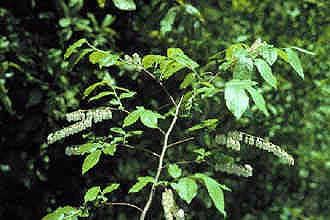
Leucothoe racemosa, commonly known as Fetterbush or Swamp Sweetbells, is a graceful native deciduous shrub of the heath family (Ericaceae) found in moist to wet woods, swamp edges, and stream corridors throughout the eastern United States. This elegant shrub earns attention in spring when its slender, arching branches are lined with long racemes of small, delicate, urn-shaped or bell-shaped white flowers — the “racemes of delicate bell shaped flowers” noted in the regional plant list that bloom April through June.
Growing 3 to 13 feet tall depending on conditions, Fetterbush forms graceful, multi-stemmed colonies of arching branches that create a layered, airy appearance in the landscape. The alternate leaves turn attractive shades of red and orange in autumn, providing excellent fall color. The combination of spring flowers, attractive summer foliage, good fall color, and interesting winter branch structure makes Fetterbush a four-season native shrub of considerable horticultural value.
In the wild, Fetterbush is a common understory shrub of the Atlantic coastal plain, where it grows in pocosin bogs, swampy woods, and the shrubby margins of streams and ponds. Its tolerance of wet, acidic, nutrient-poor soils makes it adaptable to challenging landscape conditions including rain gardens, pond margins, and low-lying areas where most conventional shrubs perform poorly. For gardeners in Delaware, New Jersey, and New York seeking a native alternative to exotic flowering shrubs, Fetterbush offers beauty, ecological value, and adaptability in equal measure.
Identification
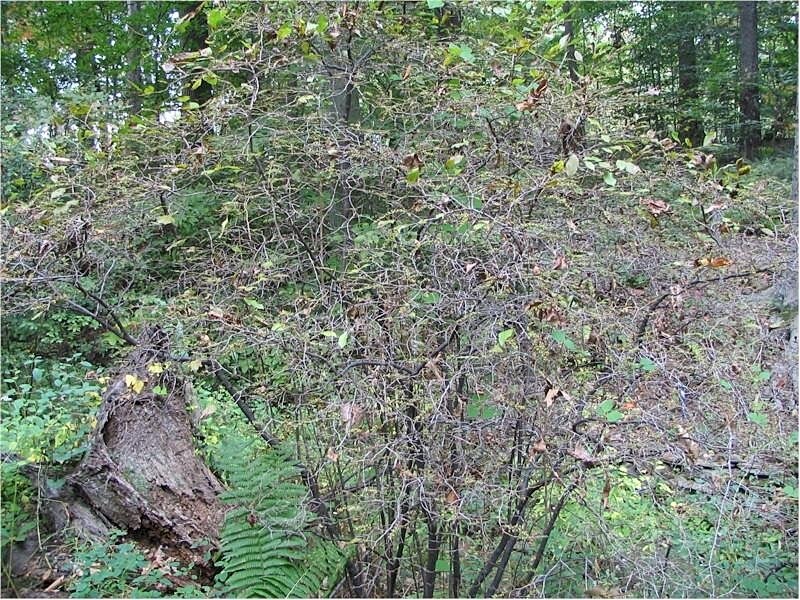
Fetterbush is an upright to arching deciduous shrub typically growing 3–13 feet tall, with slender, spreading to ascending branches. It spreads by underground runners to form colonies. The overall form is open and graceful, with branches that arch attractively under the weight of flower and fruit clusters.
Bark & Stems
Young stems are green to reddish-brown, becoming brownish-gray with age. The stems are slender and may be slightly angled. Older stems develop shreddy or peeling bark. The plant spreads by rhizomes from the base, sending up new stems to form gradually expanding colonies.
Leaves
The leaves are alternate, simple, and lance-shaped to elliptic, 1½ to 3 inches long and ¾ to 1½ inches wide, with finely toothed margins. The upper surface is dark green and glossy; the lower surface is paler. In autumn, leaves turn red to deep orange-red, providing attractive fall color before dropping. The leaves have a slightly leathery texture typical of the heath family.
Flowers & Fruit
The flowers appear from April through June, arranged in elongated, one-sided racemes 2–5 inches long arising from the axils of the previous year’s leaves. Individual flowers are small (¼ inch), urn-shaped to cylindrical, white to pinkish-white, and hang in a row from the raceme. The overall effect of a blooming Fetterbush — with dozens of these pendant flower clusters along arching branches — is exceptionally attractive. The fruit is a small, dry, rounded capsule that splits to release tiny seeds and persists through winter, providing some wildlife value and winter interest.
Quick Facts
| Scientific Name | Leucothoe racemosa |
| Family | Ericaceae (Heath) |
| Plant Type | Deciduous Shrub |
| Mature Height | 3–13 ft |
| Sun Exposure | Full Sun to Part Shade |
| Water Needs | Moderate to High |
| Bloom Time | April – June |
| Flower Color | White to pinkish-white |
| USDA Hardiness Zones | 5–9 |
Native Range
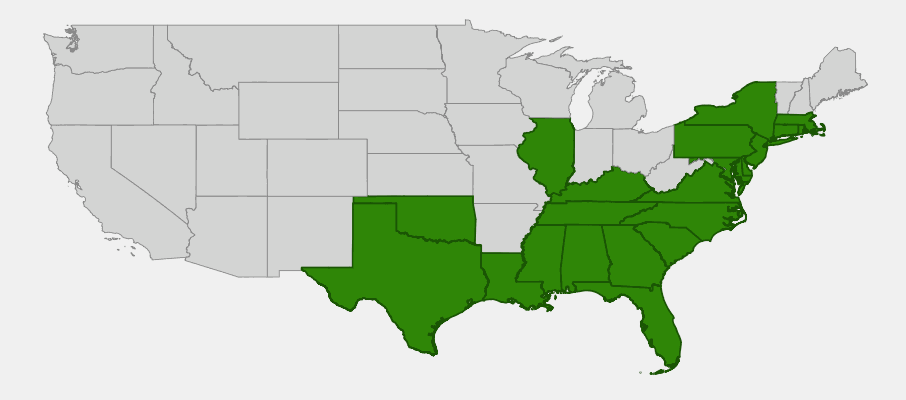
Fetterbush is native to the eastern United States, primarily in the coastal plain and piedmont from Massachusetts south to Florida and west to Texas, with scattered occurrences inland in Illinois, Kentucky, Tennessee, and Oklahoma. It is most abundant along the Atlantic coastal plain, where its preferred habitat of pocosin bogs, swampy woods, and stream margins is most common.
In Delaware, New Jersey, and New York, Fetterbush is primarily a coastal plain species, most common in the pine barrens and coastal wetland corridors of New Jersey and Delaware. In New York, it occurs primarily on Long Island. The species shows a strong association with acidic, nutrient-poor, seasonally saturated soils characteristic of the Atlantic coastal plain.
Fetterbush is often found growing alongside other heath family shrubs — Swamp Azalea (Rhododendron viscosum), Highbush Blueberry (Vaccinium corymbosum), Inkberry (Ilex glabra), and Staggerbush (Lyonia mariana) — in the characteristic shrub layer of Atlantic coastal plain wetland communities. These assemblages define some of the most distinctive and beautiful native plant communities of the eastern seaboard.
📋 Regional plant lists featuring Fetterbush: Delaware, New Jersey & New York
Growing & Care Guide
Fetterbush thrives in acidic, moist soils with part shade to full sun and is best suited for naturalistic plantings in appropriate conditions rather than formal garden settings.
Light
Fetterbush grows in full sun to part shade. In full sun it produces the most flowers and best fall color but requires consistently moist soil. In part shade it grows taller and more open, with fewer flowers. Avoid deep shade, which results in sparse, leggy growth and poor flowering.
Soil & Water
Fetterbush requires acidic, moist to wet soil — pH 4.5–6.0 is ideal. It thrives in peaty, sandy, or loamy soils with moderate to high moisture and tolerates seasonally saturated conditions. In typical garden soils, amend with sulfur or acidic organic matter (peat, pine bark) to lower pH. Water regularly during establishment and in dry periods. This is not a plant for typical dry, alkaline suburban soils.
Planting Tips
Plant in spring or fall. Group plantings of 3–5 shrubs create the most attractive effect and allow the colony to develop naturally. Mulch heavily with pine bark or shredded leaves to retain moisture and maintain soil acidity. Excellent as a companion to Blueberries, Swamp Azalea, and other acid-loving native shrubs.
Pruning & Maintenance
Fetterbush benefits from occasional renewal pruning — cut older stems to the ground in late winter every few years to encourage vigorous new growth and maximum flowering. The plant will readily sprout from the base. Remove dead or damaged stems as needed. No serious pest or disease issues in appropriate growing conditions.
Landscape Uses
- Rain garden — thrives in wet, low-lying areas
- Pond or stream margin — excellent at water’s edge
- Acidic soil garden — beautiful companion to azaleas and blueberries
- Native shrub border — graceful arching form and spring flowers
- Wildlife habitat — flowers support pollinators, capsules feed birds
- Woodland restoration — authentic coastal plain shrub layer species
Wildlife & Ecological Value
Fetterbush plays an important role in coastal plain wetland communities, providing food, cover, and habitat structure for a diverse array of wildlife.
For Birds
The dense, arching colonies of Fetterbush provide excellent nesting cover for warblers, sparrows, and other shrub-nesting songbirds. Yellow Warblers, Common Yellowthroats, and Swamp Sparrows frequently nest in dense Fetterbush thickets. The persistent capsule fruits are eaten by some birds in winter. The shrubs also support caterpillars of various moths and other insects that are critical food for breeding birds.
For Mammals
Fetterbush thickets provide dense protective cover for small mammals including cottontail rabbits and various mice and voles. The moist, sheltered environment beneath the shrubs supports populations of salamanders, skinks, and box turtles. Like other heath family shrubs, Fetterbush foliage contains grayanotoxins that make it unpalatable to deer — an advantage in heavily browsed landscapes.
For Pollinators
The pendant, bell-shaped flowers of Fetterbush are perfectly shaped for bumble bee foraging — the bees must enter the tube to reach the nectar, and in doing so pick up and deposit pollen. Many native bee species visit Fetterbush flowers in spring. The shrub also supports caterpillars of several moth species including the Heath Family Moth (Acronicta americana) and various geometrid moths.
Ecosystem Role
Fetterbush is a characteristic component of Atlantic coastal plain wetland shrub communities. It forms dense thickets that stabilize wet, often unstable peaty soils, trap organic matter, and create complex habitat structure. As a member of the heath family, it associates with ericoid mycorrhizal fungi that help it and neighboring plants access nutrients in the nutrient-poor acidic soils of the coastal plain.
Cultural & Historical Uses
Like many members of the heath family, Fetterbush contains grayanotoxins (formerly called andromedotoxins) — compounds that are toxic to both humans and livestock. The common name “Fetterbush” may refer to this toxicity or to the way the dense, low-growing colonies can “fetter” (impede) passage through the vegetation. Historically, cattle and sheep that grazed on the foliage of various Leucothoe species suffered from “sheep laurel poisoning” or similar toxic reactions, and farmers learned to identify and avoid areas where the shrub grew.
Despite its toxicity, some Indigenous peoples used Leucothoe species medicinally in carefully prepared forms. The Catawba people reportedly used preparations from related Leucothoe species as a topical treatment for skin conditions, taking advantage of the plants’ astringent properties. The toxicity meant that most uses were external rather than internal.
In modern horticulture, Fetterbush is gaining recognition as a beautiful and ecologically valuable native shrub for wet, acidic sites. While it has long been overshadowed by the more commonly grown Drooping Leucothoe (Leucothoe fontanesiana), which is often sold as “Rainbow” or “Scarletta,” Leucothoe racemosa is increasingly appreciated for its deciduous nature, superior fall color, and better adaptation to the moist conditions of the mid-Atlantic coastal plain.
Frequently Asked Questions
Is Fetterbush toxic?
Yes — like most heath family plants, Fetterbush contains grayanotoxins that are toxic to humans, dogs, cats, horses, and livestock if ingested in significant quantities. Honey made from bees that forage heavily on Leucothoe flowers can also be mildly toxic. Plant it in landscapes where accidental ingestion is not a concern.
What is the difference between Fetterbush and Drooping Leucothoe?
Fetterbush (Leucothoe racemosa) is deciduous, more upright, and has flowers in elongated racemes from leaf axils. Drooping Leucothoe (L. fontanesiana) is evergreen, has arching branches with terminal racemes, and is more commonly found in mountain stream habitats. Fetterbush is better suited to coastal plain conditions.
Does Fetterbush spread aggressively?
Fetterbush spreads by rhizomes but is not aggressive. It gradually expands to form colonies over time, which is desirable in naturalistic plantings. It can be managed by cutting back spreading stems.
Can Fetterbush grow in normal garden soil?
It can grow in amended garden soils if pH is lowered to 4.5–6.0 and moisture is maintained, but it performs best in naturally acidic, moist soils. In typical alkaline garden soils, it will struggle and decline.
When does Fetterbush bloom?
April through June — Fetterbush blooms in mid-to-late spring, after the first flush of spring ephemerals but before summer-blooming shrubs. The flowering period lasts 3–6 weeks and is one of the most ornamental features of this native shrub.

Looking for a nursery that carries Fetterbush?
Browse our native plant nursery directory: Delaware · New Jersey