Feather Dalea (Dalea formosa)
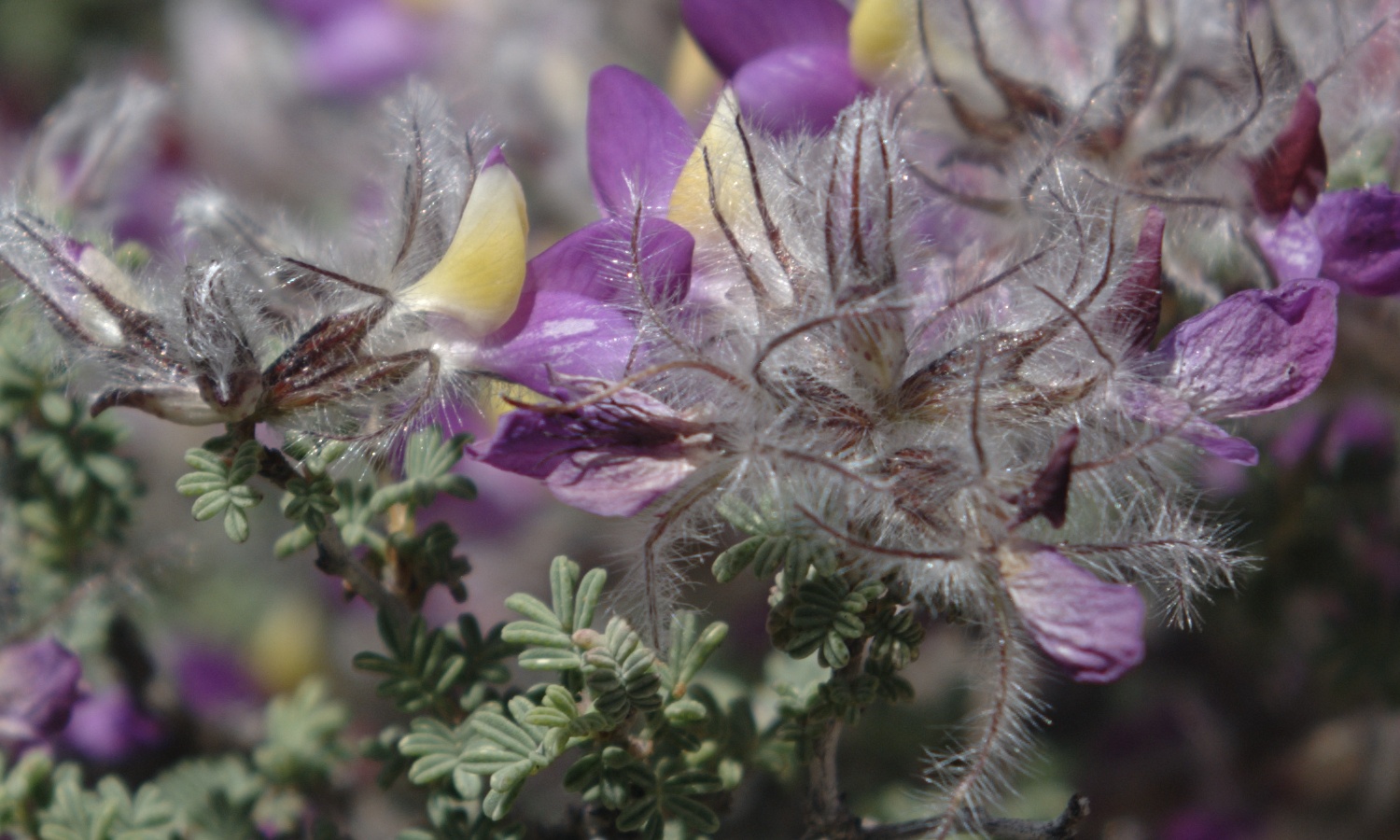
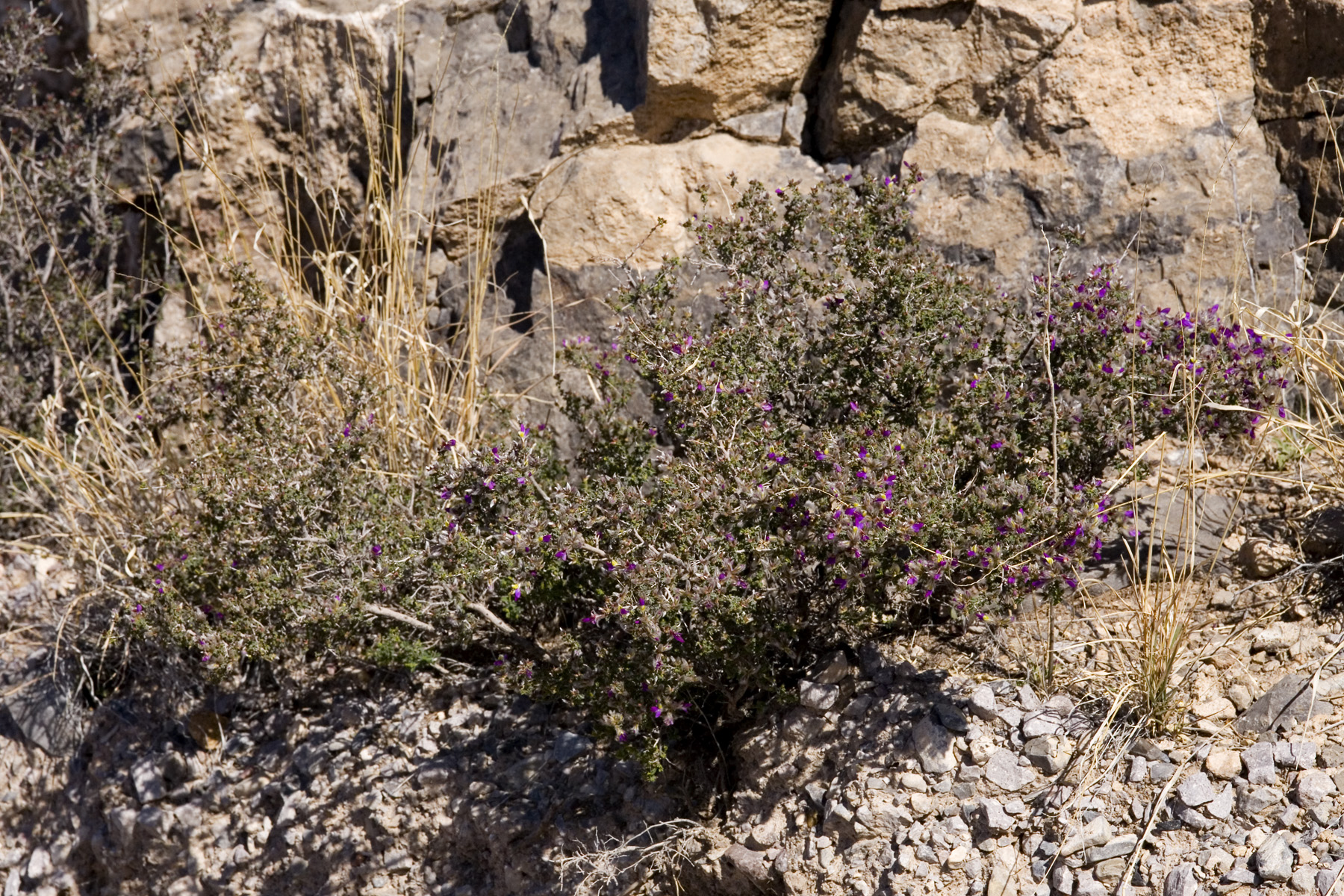
Dalea formosa, commonly known as Feather Dalea or Feather Plume, is one of the most charming and distinctive low-growing native shrubs of the desert Southwest. This compact, rounded shrub reaches just 1 to 2 feet tall and 2 to 3 feet wide, but makes a disproportionate impact in the landscape through its extraordinarily beautiful flowers. Each small, pea-like purple flower is surrounded by a cluster of white to tan feathery plumes (modified calyx lobes) that give the flowers an ethereal, soft appearance — hence both the common name and the species epithet formosa, meaning “beautiful” in Latin. The effect of a mature plant in full bloom is breathtaking: a cloud of purple and white floating above the sandy desert soil.
Feather Dalea belongs to the legume family (Fabaceae) and, like most legumes, fixes atmospheric nitrogen through root nodules containing symbiotic bacteria. This makes it an excellent soil-builder for poor desert soils, gradually enriching the soil around it and benefiting neighboring plants. The plant’s compact size, low water needs, and beautiful flowers make it ideal as a low border plant or groundcover in native desert gardens, exactly as suggested by the batch data comment “Good for low border or groundcover.”
Beyond its garden merit, Feather Dalea provides significant ecological value. The flowers are excellent nectar sources for native bees, butterflies, and other pollinators. The plant’s nitrogen-fixing ability enriches desert soils. And its dense, low structure creates habitat for ground-nesting insects and small desert animals. In its native Chihuahuan and Sonoran Desert communities, Feather Dalea is a characteristic low-shrub of rocky slopes, gravelly plains, and desert grassland margins.
Identification
Feather Dalea is a low, compact shrub with a dense, rounded form that is easily identified when in bloom by its uniquely feathery flowers. The plant has a somewhat woody base with many fine, ascending branches bearing tiny leaves and ultimately the spectacular flower clusters.
Leaves
The leaves are pinnately compound with 5–9 tiny leaflets, each only 2–5 mm long. The leaflets are oblong to rounded with a notched tip and dotted with tiny glands (visible with a hand lens) characteristic of the genus Dalea. Overall, the foliage is very fine-textured and gives the plant a somewhat delicate, lacy appearance. Leaves are aromatic when crushed, with a pleasant resinous scent. The plant may be semi-deciduous in cold winters but retains leaves in mild conditions.
Flowers
The flowers are the defining feature of Feather Dalea. They are borne in short, dense spikes at branch tips during the main bloom period of March through May and again in fall after monsoon rains. Each spike contains 5–15 individual flowers, each a standard pea-type flower with a bright purple banner petal and smaller wing petals. Surrounding each flower is the distinctive feathery calyx — silky, white to tan plumes that give the entire flower head a soft, feathery appearance. The combination of vivid purple and white plumes is remarkably beautiful. The flowers are fragrant, particularly noticeable in early morning.
Fruit
After flowering, Feather Dalea produces small, single-seeded pods that remain enclosed within the persistent, hairy calyx. The seeds are tiny and not typically eaten by birds or mammals — the primary seed dispersal is by wind, using the feathery calyx as a sail. Seed production is good in healthy plants with adequate moisture during the flowering period.
Quick Facts
| Scientific Name | Dalea formosa |
| Family | Fabaceae (Legume) |
| Plant Type | Low Perennial Shrub |
| Mature Height | 2 ft |
| Sun Exposure | Full Sun |
| Water Needs | Low (Drought Tolerant) |
| Bloom Time | March–May and September–October |
| Flower Color | Purple with white/tan feathery plumes |
| USDA Hardiness Zones | 6–10 |
Native Range
Feather Dalea is native to the desert Southwest of North America, ranging from central and southern Arizona east through New Mexico, southward into Texas (Trans-Pecos and Edwards Plateau regions), and north into southeastern Colorado and southwestern Oklahoma. The species reaches into northern Mexico in the states of Chihuahua, Coahuila, and Sonora. It is most abundant and characteristic of the Chihuahuan Desert province, but also occurs throughout the upper Sonoran Desert zone.
In its native habitat, Feather Dalea is most commonly found on rocky limestone and caliche slopes, gravelly plains, desert grassland margins, and the alluvial fans at the base of desert mountain ranges. It is a characteristic species of desert shrubland and desert grassland communities at elevations from about 3,000 to 6,500 feet, where it grows in association with creosote bush, tarbush, desert marigold, purple sage, and native gramas and other grasses.
The plant is particularly common in the Chihuahuan Desert of southern New Mexico, where it grows along the Rio Grande Valley, on the Jornada del Muerto Plain, and throughout the diverse desert ranges. In Arizona, it occurs in the Sulphur Springs and San Pedro valleys and in the southern Arizona desert grassland zone. Its nitrogen-fixing ability allows it to establish on nutrient-poor desert soils where many other plants struggle.
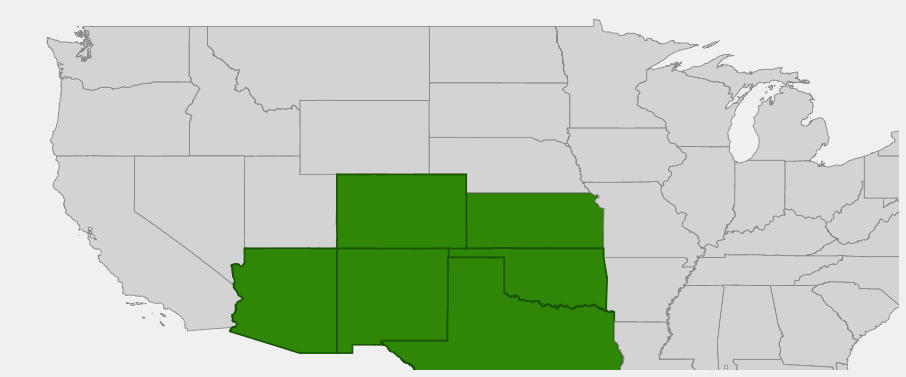
📋 Regional plant lists featuring Feather Dalea: Arizona
Growing & Care Guide
Feather Dalea is one of the most rewarding low-growing native shrubs for arid gardens. Its compact size, extraordinary flowers, drought tolerance, and soil-enriching nitrogen fixation make it a superb multi-purpose plant for the native desert landscape.
Light
Feather Dalea requires full sun for best growth and flowering. In full sun, it develops its characteristic compact, dense form and produces the most abundant flowers. In partial shade, flowering is reduced and the plant becomes more open and leggy. It is not suited for shaded locations.
Soil & Water
This plant thrives in well-drained, rocky, and gravelly desert soils including limestone and caliche substrates. It is not suited for clay or consistently moist soils. Like many legumes, it fixes atmospheric nitrogen and actually prefers poor soils — enriching the soil with fertilizer or organic matter is counterproductive and can produce rank, floppy growth. Once established, Feather Dalea requires very little supplemental irrigation — a deep watering every 3–4 weeks during the hottest summer months is sufficient. In areas with regular monsoon rainfall, established plants need essentially no supplemental water.
Planting Tips
Plant in fall or early spring in a spot with excellent drainage and full sun. Amend planting areas with gravel rather than organic matter to ensure good drainage and replicate native soil conditions. Containerized plants transplant easily and establish quickly. Spacing plants 2–3 feet apart creates a naturalistic groundcover or low border. Feather Dalea can also be grown from seed sown in fall — the seeds benefit from scarification (lightly scratching the seed coat) to improve germination rates.
Pruning & Maintenance
Feather Dalea needs minimal pruning. In early spring before new growth begins, remove any winter-killed tips and lightly shape the plant to maintain its compact form. Avoid heavy pruning — cutting back into old wood reduces flowering the following season. The plant is naturally compact and does not require frequent cutting to maintain its shape. Remove spent flower spikes if desired, though they are not unattractive and may provide some seed for natural spread.
Landscape Uses
- Low border — its compact size (2 ft) makes it ideal as a front-of-border plant in native desert gardens
- Groundcover — plant in drifts of 3–5 for a beautiful low-coverage effect
- Rock garden — thrives in rocky, well-drained conditions that challenge most plants
- Pollinator garden — excellent early spring and fall nectar source
- Soil enrichment — nitrogen fixation improves soil quality over time
- Parking strips and hellstrip planting — drought tolerance and compact size suit these challenging locations
Wildlife & Ecological Value
Despite its small size, Feather Dalea provides exceptional ecological value, particularly for pollinators. Its nitrogen-fixing root nodules also indirectly benefit the entire plant community around it by improving soil fertility.
For Birds
Although the seeds are too small to be significant food for most birds, the dense structure of Feather Dalea shrubs provides ground-level cover for small birds foraging in desert scrub. The plant’s role in supporting a diverse insect community also provides indirect food resources for insect-eating birds like gnatcatchers, verdins, and warblers.
For Mammals
Feather Dalea is minimally browsed by most large mammals, possibly due to its aromatic foliage. However, desert cottontails and black-tailed jackrabbits may nibble on the tender new growth. The plant provides ground-level cover for small mammals including desert mice and kangaroo rats.
For Pollinators
This is where Feather Dalea truly excels. The fragrant purple flowers are visited by a remarkable diversity of native bees, including various bumble bees, leafcutter bees, and small solitary bees that fit perfectly into the compact flower tubes. Painted Lady and other butterflies visit the flowers for nectar. As a spring bloomer in desert scrub, it provides critical early-season resources for pollinators emerging from winter dormancy.
Ecosystem Role
Feather Dalea’s nitrogen-fixing root symbiosis with Rhizobium bacteria is ecologically significant. In nitrogen-poor desert soils, this legume gradually enriches the soil around it, creating “fertility islands” that support greater plant diversity. This soil enrichment function is particularly valuable in disturbed desert areas where soil nutrients have been depleted. As a colonizer of rocky and disturbed sites, Feather Dalea helps initiate ecological succession and facilitates the establishment of a diverse native plant community.
Cultural & Historical Uses
The genus Dalea, named for English physician Samuel Dale (1659–1739), includes many species used medicinally and practically by Southwestern Indigenous peoples. Dalea formosa specifically was used by various Pueblo peoples and the Apache as a medicinal plant, with infusions of the roots and leaves applied to wounds and skin conditions. The aromatic foliage was also used ceremonially and as a fragrant addition to ritual fires.
The plant’s scientific description was formalized in the 19th century as American botanists systematically documented the Chihuahuan Desert flora during the various military and scientific surveys of the post-Mexican-American War period. It was recognized immediately as a strikingly beautiful plant — the species name formosa (“beautiful”) reflects the impression it made on naturalists encountering it for the first time in the wild.
In contemporary native gardening, Feather Dalea has become increasingly sought after as awareness of the importance of native plants for pollinators has grown. Its low water requirements, compact size, and spectacular flowers make it a nearly perfect front-of-border plant for desert gardens. The fact that it is also a nitrogen-fixer — actively improving soil quality while looking beautiful — makes it particularly appealing to ecologically-minded gardeners who see their gardens as functioning ecosystems rather than mere ornamental displays.
Frequently Asked Questions
Why is it called Feather Dalea?
The common name refers to the distinctive feathery plumes surrounding each small purple flower. These plumes are modified calyx lobes that give the flower heads a soft, feathery appearance — unlike anything else in the Southwestern native shrub palette. The effect is particularly beautiful in morning light when the plumes catch the light and shimmer.
Does Feather Dalea fix nitrogen?
Yes — as a legume, Feather Dalea forms root nodules with nitrogen-fixing bacteria (Rhizobium spp.) that convert atmospheric nitrogen into plant-available forms. This makes it a soil enricher that improves conditions for neighboring plants over time. Do not fertilize Feather Dalea — it doesn’t need it and excess nitrogen causes rank, weedy growth.
Is Feather Dalea evergreen?
Feather Dalea is semi-evergreen to deciduous depending on winter conditions. In mild winters (above 15°F), it retains most of its fine leaves through the cold season. In harder freezes, it may drop most of its leaves but will regenerate from the woody crown in spring. It is reliably hardy to about 10–15°F in well-drained soils.
How do I propagate Feather Dalea from seed?
Collect seeds in late spring or fall when the seed heads have dried to brown. The seeds need scarification — gently scratch the seed coat with sandpaper or nick with a file — before sowing. Sow in fall in a sandy, well-drained mix and allow natural cold stratification. Germination occurs in spring. Containerized seedlings can be planted out after one growing season when the root system is established.
Can Feather Dalea grow in clay soil?
No — clay soil is fatal to Feather Dalea, which requires excellent drainage. If you have clay soil, grow Feather Dalea in a raised bed filled with a sandy, rocky mix, or in containers. Do not attempt to grow it in unamended clay.

Looking for a nursery that carries Feather Dalea?
Browse our native plant nursery directory: Arizona