
Arctic Daisy (Arctanthemum arcticum)
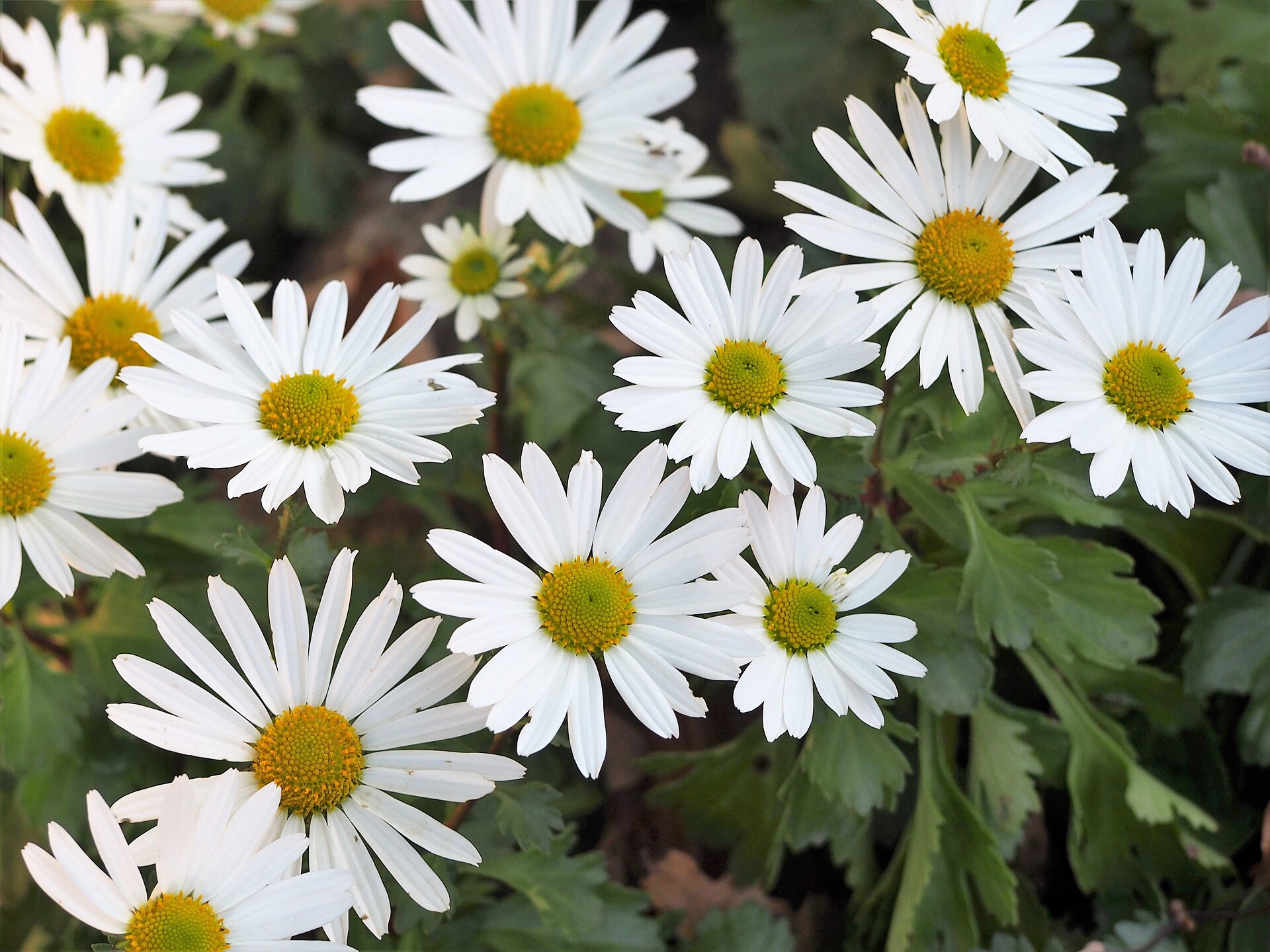
Arctic Daisy (Arctanthemum arcticum, also known as Chrysanthemum arcticum) is a low northern perennial with bright white rays around a yellow center. In Alaska it belongs to the coastal native flora, and its substantial, lobed leaves give it a different character from many fine-leaved wildflowers. The flowers look familiar, but the identity matters: an ornamental “Alaska” Shasta daisy is not this native species.
The regional planting table recommends full sun, moist ground and a height around 14 inches. Those simple notes are useful for choosing a garden position, provided they are read as guidance rather than rigid limits. Published descriptions and different wild populations vary in height, leaf shape and flowering behavior. Locally appropriate nursery stock is a better starting point than a plant selected solely because its common name contains “Arctic.”
Use Arctic daisy where its low foliage and clear flower heads can be appreciated without competition from taller, faster-growing neighbors. A cool sunny bed with reliable moisture is a more sensible trial than a hot, drought-prone strip beside pavement. In a natural-area project, confirm local occurrence and source material before planting: statewide nativity does not make every cultivated selection suitable everywhere.
Identification
Flower Heads
What appears to be one daisy flower is a head composed of many small flowers. The outer ray florets produce the familiar white outline; the central disc florets form the yellow center. This structure is shared by many members of the aster family, so the flower head alone does not distinguish Arctic daisy from every other white daisy.
Look at the whole plant, including its leaves and habit, rather than judging a detached blossom. Photographs that show the base of the plant are especially useful. Garden lighting can change the apparent color of the rays, and a heavily cropped image may hide the characters needed to identify the species.
Leaves & Habit
The basal foliage is comparatively substantial and often wedge- or fan-shaped with lobes toward the outer edge. This is an important contrast with narrow, entire leaves of some other northern daisies. Low leafy growth supports the flowering stems, creating a plant that can fit near the front of a native bed where its leaves remain visible.
Observe established plants through more than one growth stage. Young shoots, flowering stems and late-season foliage do not always look identical, and a damaged leaf can give the wrong impression of normal shape. Do not assign a subspecies from one leaf or from the country in which a botanical-garden photograph was taken.
Not the Shasta Daisy “Alaska”
The cultivar name “Alaska” occurs on Shasta daisies, which are garden plants in Leucanthemum. That name does not make them Alaskan natives. When buying for a native planting, look for Arctanthemum arcticum or the equivalent Chrysanthemum arcticum, and ask about provenance. If a seller cannot distinguish the species from a cultivar name, postpone the purchase.
Oxeye daisy is another white-flowered lookalike and is a non-native problem in Alaska. A pretty white head is not a reason to transplant an unknown roadside plant. Compare the leaves, overall growth and regional key, and obtain help from a local botanist when identity remains uncertain.
Related Northern Daisies
The entireleaf daisy, often called Hulteniella integrifolia, is not simply a leaf form to relabel as this species. Regional manuals separate it using foliage and other features. Likewise, historical treatments may use different names for members of the Arctic-daisy complex. Keep original accession information with a nursery plant instead of erasing the older name from your records.
Quick Facts
| Scientific Name | Arctanthemum arcticum; synonym Chrysanthemum arcticum |
| Family | Asteraceae |
| Plant Type | Low herbaceous perennial |
| Mature Height | About 14 inches in the Alaska garden table; varies by population and site |
| Sun Exposure | Full sun (F) |
| Water Needs | Moist to wet-site conditions (W); assess drainage |
| Soil Type | Moist, open-site soil; do not assume tolerance of stagnant pots |
| Bloom Time | Summer in Alaska; timing varies with provenance and climate |
| Flower Color | White ray florets and yellow disc |
| Foliage | Low, lobed, relatively fleshy leaves |
| Native Range | Alaska in the United States under the Kew treatment |
Native Range
Kew places this species from northeastern Europe through northern Asia to Japan, and from Alaska into western Canada. The United States map here highlights Alaska, following that taxonomic treatment. It is a regional summary, not an assertion that the plant occurs throughout every habitat within the state.
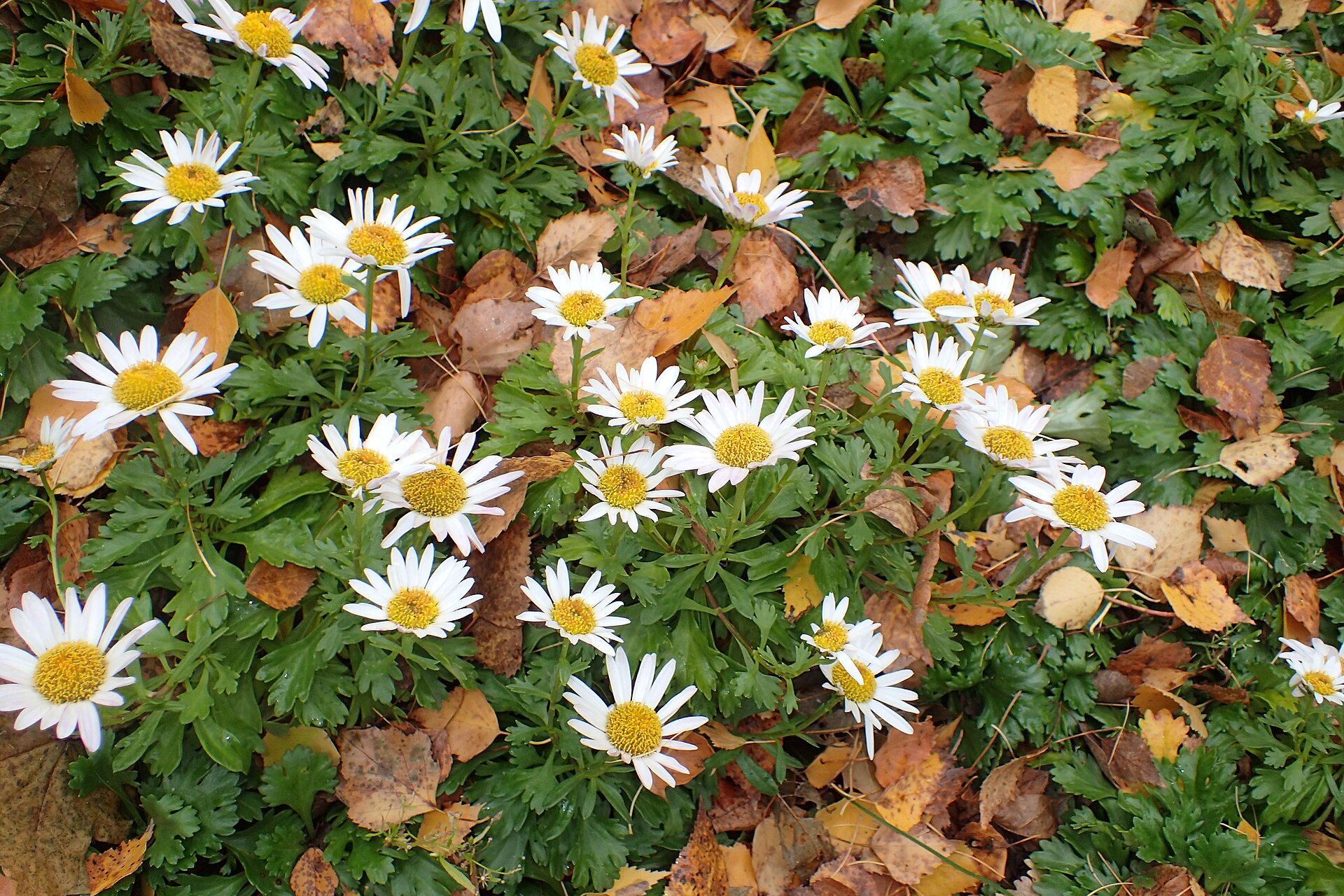
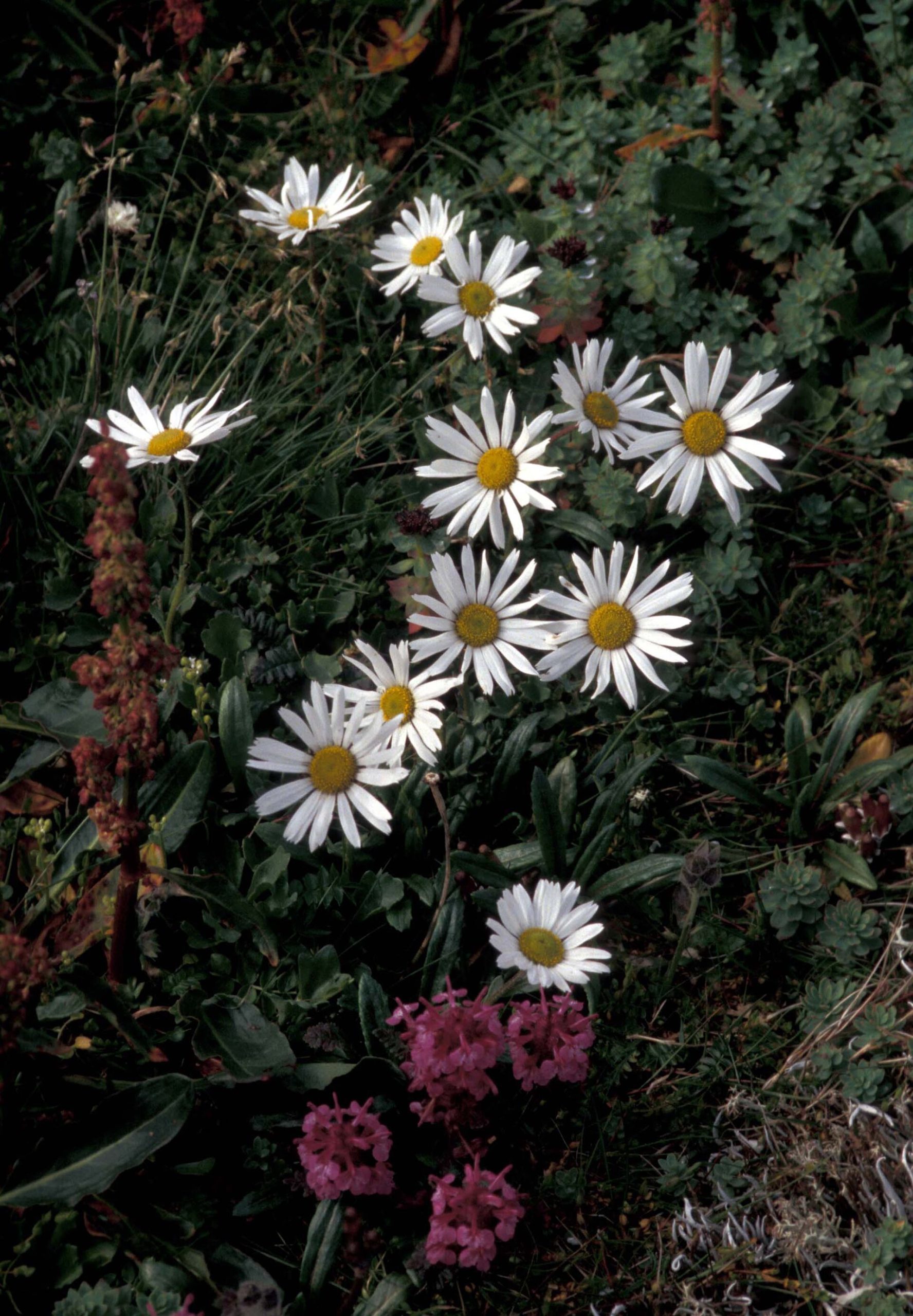
Alaska botanical guidance associates Arctic daisy with rocky shores and coastal marsh settings. A wild Hall Island photograph is included below to show the plant in its native landscape; the brighter close-ups were made in European botanical gardens and are labeled as cultivated specimens. An image location outside the native range is not evidence that the plant is native there.
The USDA link uses Chrysanthemum arcticum and a broader legacy record that includes both native and introduced flags for the lower 48. Different databases can group related taxa differently. This map is not copied from that coarse regional flag, and this guide does not encourage planting the species as a local native in a lower-48 state without a more specific botanical check.
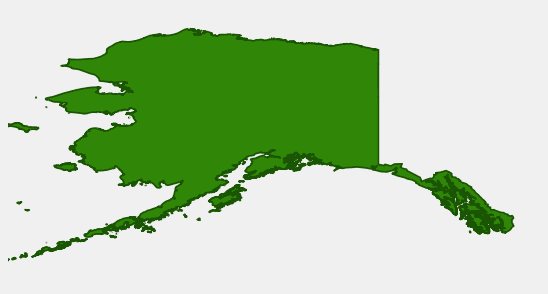
📋 Regional plant lists featuring Arctic Daisys: Alaska
Growing & Care Guide
Choosing the Site
Start with the table’s full-sun recommendation and inspect the proposed spot during the growing season. A place that receives spring sun can become shaded when nearby shrubs leaf out. For a low perennial, even neighboring tall grasses may change the amount of light reaching the crown. Give a trial clump enough open space to establish before deciding how densely to plant around it.
Reliable moisture matters. A coastal native’s ability to live in an exposed setting should not be translated into a promise of drought tolerance. A windy garden may dry containers quickly even in a cool climate. Conversely, a bed that remains waterlogged beneath a compacted surface may need site improvement rather than another water-loving plant.
Soil & Drainage
Use moist soil with a workable root zone and choose a setting similar to successful local plantings. The W in the regional table is a moisture code; it is not a guarantee that the plant will thrive indefinitely in a pot with no drainage. Check where runoff goes after heavy rain and where meltwater lingers before planting a large group.
Do not add salt to imitate a shoreline. A coastal association does not tell a gardener what concentration a particular nursery plant tolerates, and deliberate salting can damage neighboring plants and soil. Likewise, avoid inventing a narrow pH target from the common name. Soil amendments should respond to a real soil test and local growing advice.
Planting Nursery Stock
Choose a healthy, correctly labeled plant with roots that are not dried out or badly circling its container. Keep its scientific name, nursery source and any provenance notes. If the nursery lists an older synonym, confirm that it refers to the same species rather than rejecting a useful plant simply because the label follows a different botanical system.
Plant at approximately the depth at which it was grown, settle soil around the roots and water thoroughly. Avoid burying the low crown under a heap of wet mulch. Leave enough space to observe new growth and to remove weeds by hand without repeatedly disturbing the root ball.
For the first season, check the soil inside the original root ball as well as the surrounding bed. These can dry at different rates. Adjust watering to actual conditions rather than assuming a rainfall total or a calendar schedule guarantees moisture at root depth.
Containers & Small Gardens
A container can make a small native collection easy to observe, but it also changes winter and summer conditions. Roots in an exposed pot experience different temperatures from roots in the ground, and a small volume of potting mix can dry rapidly. Use a drained container, monitor moisture and plan where it will overwinter before purchasing the plant.
Do not interpret a photograph of vigorous growth in a botanical garden as a guarantee of success on a warm balcony. Start with one plant, record the exposure and watch a complete seasonal cycle. If the crown struggles repeatedly, changing the site is more useful than adding stronger fertilizer.
Propagation & Sourcing
For most gardeners, propagated nursery stock is the most straightforward way to obtain the correct plant. Seed or divisions should come with a reliable identity and source. A packet marketed broadly as “daisy mix” does not serve the same purpose as a documented native accession, even if the resulting flowers are attractive.
Ask the supplier for a tested germination method for its seed lot. This guide does not prescribe an unsupported universal stratification interval or promise that every seedling will match a named garden selection. Seed-grown plants may vary, and that variation should be recorded rather than treated as proof of an error.
If dividing an established garden clump, work when conditions allow roots to re-establish without severe drying, and retain both labels and source records. Do not dig wild coastal plants to fill a garden. Shoreline vegetation is easily damaged by repeated collection and foot traffic, and legal access to land does not automatically authorize removal of plants.
Keeping the Planting Healthy
Prevent vigorous weeds from shading young plants. A low native perennial may be overwhelmed in a rich bed before it has had time to settle. Remove competing growth carefully; repeated deep cultivation close to the crown can be as disruptive as leaving the weeds.
Water stress, crowding and damaged roots can all reduce flowering. Check these basic conditions before reaching for a pesticide. Photograph persistent symptoms and seek local extension advice if the cause is unclear. A product recommended for a different daisy is not automatically appropriate for this species or for the particular pest present.
Do not fertilize solely to force the tallest possible growth. The desired result is a stable, appropriately sized plant, not lush stems that depend on constant intervention. Follow soil-test recommendations and the nursery’s experience with the stock rather than treating all native plants as either fertilizer-free or heavy feeders.
Seasonal Care & Flowering
Bloom time changes with locality, snowmelt and provenance. A cultivated photograph dated October in Poland illustrates flower structure, not an October flowering promise for Alaska. Keep notes on when your own plant emerges and flowers; those observations are more useful for planning companions than copying a calendar from another climate.
Deadheading is an optional management choice, not a requirement for every native bed. Remove spent heads where seedling control or a tidy edge is important; retain some where observing the full life cycle is part of the garden’s purpose. Neither choice should be accompanied by a guarantee of a second bloom cycle.
Mark the plant’s position before winter so spring maintenance does not disturb a dormant crown. Avoid burying it beneath a permanent mound of plowed snow mixed with road salt or debris. Where winter losses recur, evaluate drainage, exposure and stock origin rather than assuming a plant with “Arctic” in its name tolerates every winter condition.
Design & Companions
Arctic daisy works visually as a low accent among plants that share its moisture and light needs. Keep taller companions far enough away that the daisy does not disappear beneath them. A small, observable group is a better initial test than a broad mass planting of unfamiliar stock.
For a native coastal design, choose companions from a locally appropriate list rather than assembling plants from distant coasts simply because they all tolerate wind. A garden can suggest the character of a shoreline without excavating wild habitat or attempting to reproduce every harsh condition of the original site.
Wildlife & Ecological Value
Alaska Fish and Game includes Arctic daisy in its discussion of the state’s flowering plants and pollinators. The open composite heads make flower visits easy to observe. Watch which insects actually use a garden plant before attaching specific species claims to it; a visitor is not automatically a larval host relationship.
Its contribution to a planting includes low cover, seasonal flowers and botanical diversity appropriate to a northern community. It should be one part of a mixed habitat rather than the sole species expected to support all wildlife. Include other locally appropriate plants with different flowering times and growth forms.
A native identity is not the same as a guarantee of deer resistance or universal animal safety. This page makes no forage or medicinal recommendation. Keep the focus on habitat-appropriate ornamental use and avoid applying claims made for unrelated daisies to this species.
Cultural & Historical Uses
The changing names Chrysanthemum arcticum, Dendranthema arcticum and Arctanthemum arcticum reflect botanical classification, not three separate plants to purchase. Contemporary sources still differ in their preferred genus. Retaining synonym information helps connect older regional lists with modern nursery catalogs and research.
Research on the Arctic-daisy complex has examined variation among wild populations and its horticultural possibilities. Such work is a reason to preserve provenance, not to assume a showy cultivated clone represents every Alaskan population. A labeled botanical-garden specimen can illustrate the species while remaining inappropriate seed stock for local restoration.
No traditional medicinal practice is asserted here without a specific, well-supported source. The familiar daisy shape should not invite experimentation with teas or remedies. For this guide, the plant’s cultural value is its place in northern landscapes, botanical study and responsible cultivation.
Frequently Asked Questions
Is “Alaska” Shasta daisy a native Arctic daisy?
No. “Alaska” is also a Shasta daisy cultivar name. Check the genus and species rather than relying on the marketing name.
Why does the USDA link use Chrysanthemum?
Botanical authorities use different genus treatments. Chrysanthemum arcticum is a synonym used for this plant in the USDA record.
Does it need full sun?
Full sun is the regional recommendation. Keep the root zone moist and avoid assuming that sun exposure means drought tolerance.
How tall should it be?
The Alaska garden table lists about 14 inches, but population and growing conditions cause variation. Allow room for the actual stock you buy.
Can I use an October flowering photograph to plan Alaska bloom time?
No. Cultivated plants in another climate may flower at a different time. In Alaska, expect local summer timing and observe your own plants.
Can I collect plants from the coast?
Use nursery-propagated stock instead. Protect wild plants and their habitat, and respect collection restrictions.

Looking for a nursery that carries Arctic Daisy?
Browse our native plant nursery directory: Alaska
Sources & Further Reading
- Kew: Arctanthemum arcticum — taxonomy and range.
- Flora of North America — identification.
- University of Alaska identification manual — distinguishing native daisies from non-native plants.
- Alaska Fish and Game: Alaska’s small furry pollinator — northern flowers.
- Research on Arctic-daisy population variation — morphology and horticultural context.