
Chocolate Lily (Fritillaria camschatcensis)
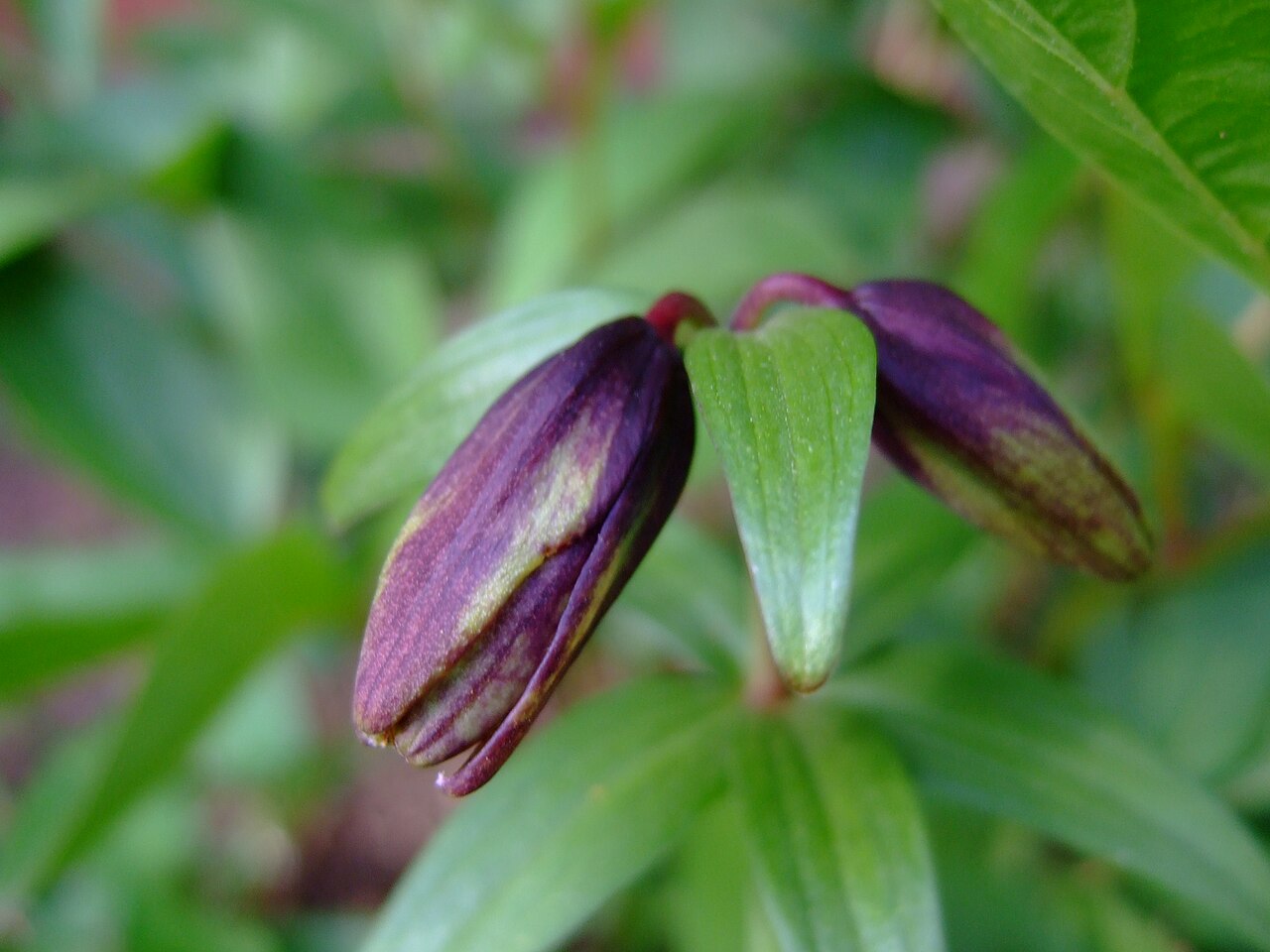
Fritillaria camschatcensis, commonly called Chocolate Lily, is a native perennial wildflower of the Pacific coast, named for the deep, chocolate-brown to purplish-black color of its nodding, bell-shaped flowers. A member of the lily family (Liliaceae), it grows from a scaly bulb and sends up a single whorled stem each spring in meadows, tide flats, open forest and rocky coastal bluffs from Alaska south through coastal British Columbia to western Washington and northern Oregon.
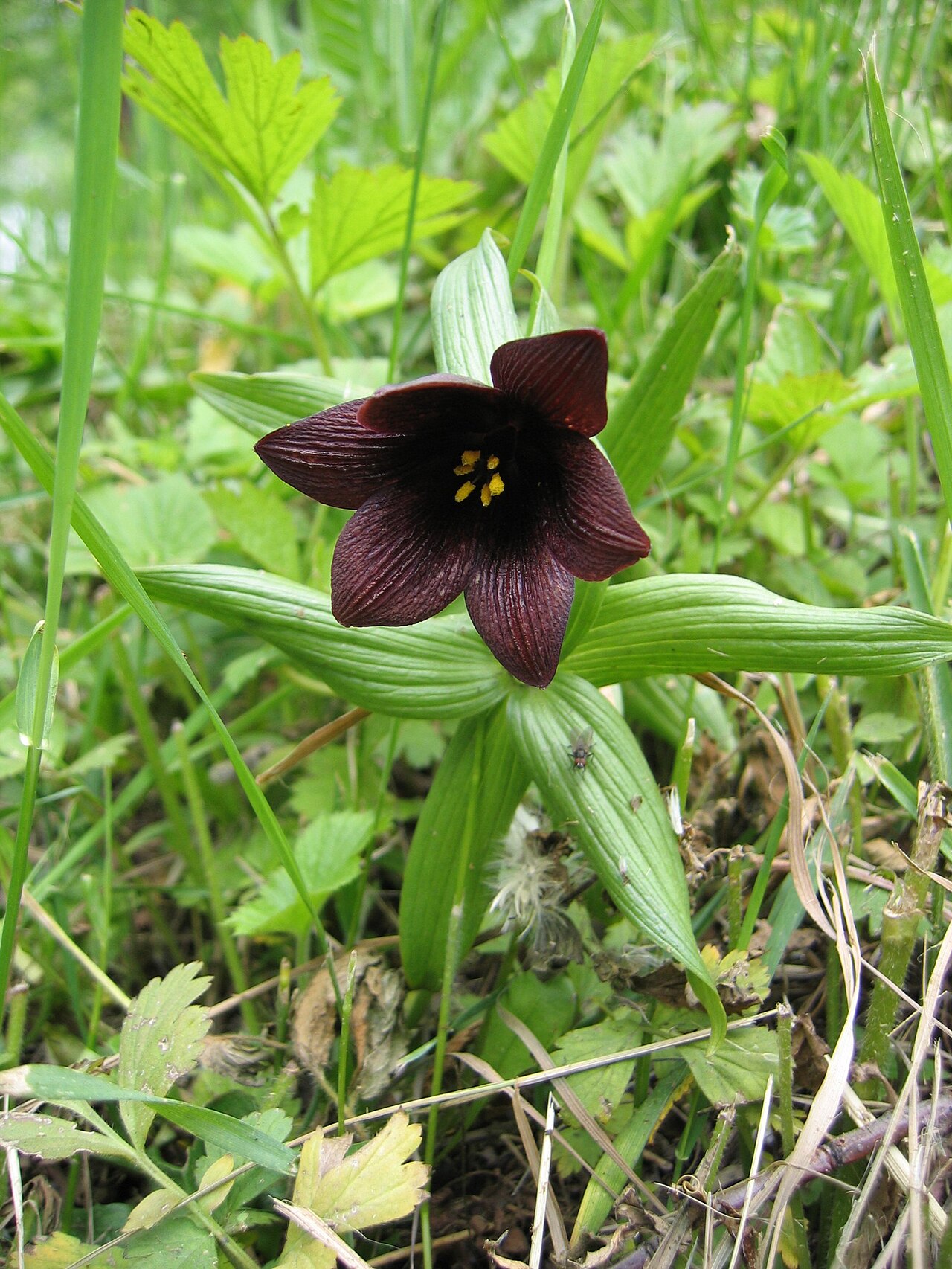
The plant is unmistakable in bloom: dark, mottled flowers 8 to 24 inches above the ground, nodding atop a stem wrapped in tidy whorls of five to nine leaves. The flowers carry a faintly unpleasant odor that most people barely notice, but that is highly attractive to the flies that pollinate them. Chocolate lily is most common right along the coast, where it often grows in the company of other spring wildflowers in the transition zone between beach and forest.
For gardeners in Alaska, coastal British Columbia, Washington and Oregon, chocolate lily is a distinctive, low-maintenance addition to a native woodland or meadow garden, prized for its unusual color and its long history as a food plant among coastal Indigenous peoples of the Pacific Northwest and Alaska.
Identification
Chocolate lily is a slender perennial herb that grows 8 to 24 inches tall from a bulb made up of several large, fleshy scales. Around the base of the bulb, numerous tiny, rice-like bulblets form, which is the source of one of the plant’s other common names, northern rice-root.
Leaves
The leaves are lance-shaped and arranged in one or more tight whorls of five to nine around the stem, rather than scattered singly as in most wildflowers. This whorled arrangement, usually one or two whorls per stem, is one of the most reliable field marks for identifying the plant even before it flowers.
Flowers & Fruit
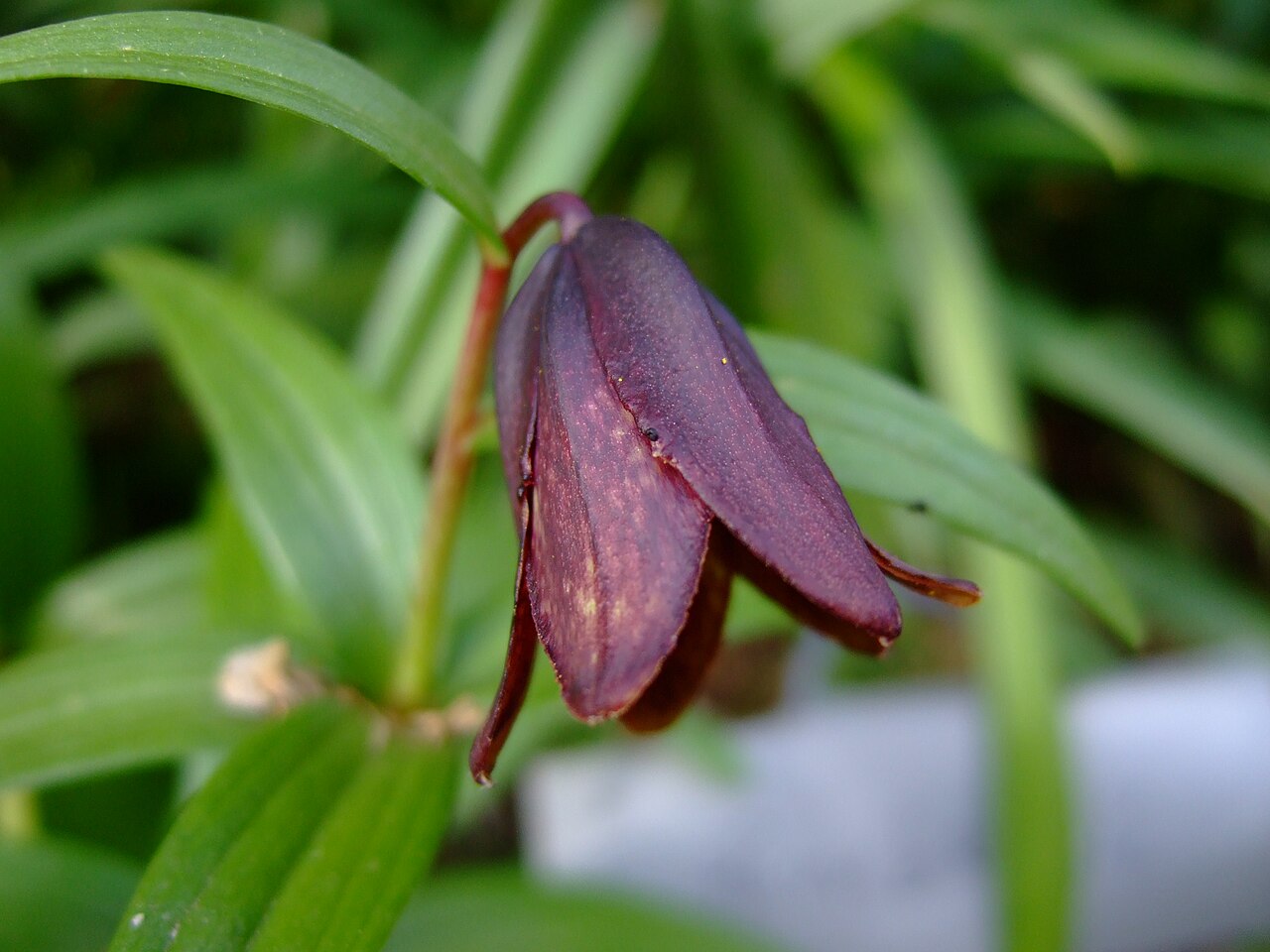
Flowering from May to July, chocolate lily produces one or more nodding, bell-shaped flowers held on short stalks close together at the top of the stem. The six tepals are dark greenish-brown to brownish-purple — the “chocolate” color that gives the plant its name — and are often mottled or streaked with yellow. The flowers give off a faint, unpleasant smell that is barely noticeable to people but draws in the flies that pollinate them. After flowering, an upright, angled seed capsule develops, splitting open to release flattened seeds later in the season.
Quick Facts
| Scientific Name | Fritillaria camschatcensis |
| Family | Liliaceae (Lily) |
| Plant Type | Perennial bulb (herbaceous forb) |
| Mature Height | 8–24 in |
| Growth Rate | Slow (from bulb and bulblets) |
| Sun Exposure | Full Sun to Part Shade |
| Water Needs | Moist to average; goes dormant after flowering |
| Soil Type | Moist, humus-rich soil; tolerates sandy coastal soils |
| Bloom Time | May – July |
| Flower Color | Dark greenish-brown to brownish-purple, often mottled yellow |
| Fruit | Upright angled seed capsule, late summer |
| Conservation Status | Listed as a sensitive species in Washington (state-imperiled at the edge of its range), though globally secure |
| USDA Hardiness Zones | 4–8 |
Native Range
Chocolate lily is native along the Pacific coast of North America, from Alaska south through coastal British Columbia to western Washington and the northern Oregon coast. Within the United States, this gives it a native range of Alaska, Washington, and northern Oregon; it does not occur naturally farther south or inland from the immediate Pacific coast. Beyond North America, the species also occurs in northeastern Asia, including Japan and the Russian Far East, reflecting the plant’s broader North Pacific distribution.
The species is more common right along the coast than inland, and it is found from near sea level up into the subalpine zone in favorable habitat. In Washington, at the southern edge of its U.S. range, it is uncommon enough to be tracked as a state sensitive species, even though the species as a whole remains globally secure thanks to its strength further north in Alaska and Canada.
Typical habitat includes moist tide flats, coastal meadows, open forest, rocky beaches and bluffs, and stream banks, often growing alongside other moisture-loving wildflowers in the transition between beach and forest edge. Because it dies back to its bulb for most of the year, chocolate lily is easy to miss outside its brief spring and early-summer flowering season.
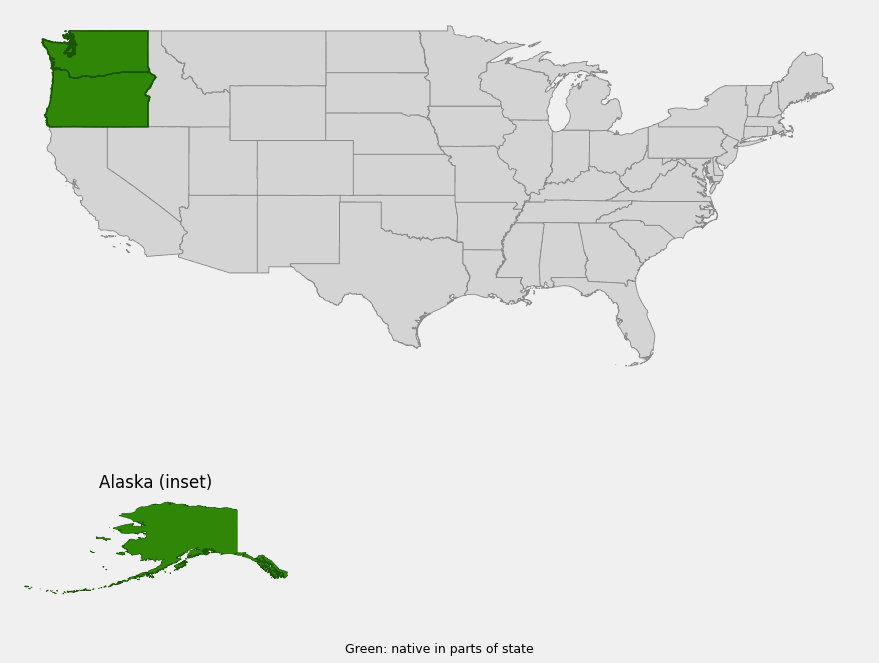
📋 Regional plant lists featuring Chocolate Lily: Alaska · Western Oregon & Western Washington
Growing & Care Guide
Chocolate lily is a modest, low-maintenance bulb for gardeners within its coastal Pacific range who want an authentic, unusual native wildflower rather than a showy ornamental bloom.
Light
Grow chocolate lily in full sun to part shade, matching the open meadows, tide-flat edges and dappled forest margins where it grows wild. In warmer, drier parts of its range some afternoon shade helps keep the soil from drying out too quickly during bloom.
Soil & Water
Plant in moist, humus-rich soil that stays reasonably damp through spring. Chocolate lily tolerates sandy coastal soils as long as moisture is adequate during its active growing season. After flowering, the foliage dies back and the bulb goes dormant for the rest of the year, so summer drought once the plant has gone dormant is not a concern, but spring moisture during active growth is important.
Planting Tips
Plant bulbs in fall, about 3 to 4 inches deep, in a spot that mimics coastal meadow or open-forest-edge conditions. Because chocolate lily spreads slowly from bulb offsets and rice-like bulblets, it is best used in drifts or naturalized plantings rather than as a single specimen, and takes a few seasons to form an established colony. Only plant nursery-propagated bulbs; never dig bulbs from wild populations.
Pruning & Maintenance
Let the foliage die back naturally after flowering rather than cutting it early, since the leaves are feeding the bulb for next year’s bloom. Established plantings need little care beyond keeping the area from drying out completely during the growing season and avoiding disturbance to the bulbs.
Landscape Uses
- Native coastal meadow gardens, mixed with other Pacific Northwest and Alaska spring wildflowers
- Woodland-edge plantings that get filtered light for part of the day
- Naturalized bulb drifts in a dedicated wildflower bed
- Educational and ethnobotanical gardens highlighting traditional Pacific Northwest and Alaska Native food plants
- Pollinator gardens focused on native flies and other early-season pollinators
Wildlife & Ecological Value
Chocolate lily is a small but ecologically interesting part of Pacific coastal plant communities, especially valuable for the specialized pollinators it attracts.
For Pollinators
Unlike most garden flowers, chocolate lily is pollinated primarily by flies rather than bees, drawn in by the flower’s faint, unpleasant odor, which mimics the scent cues that flies use to find food and egg-laying sites. This makes the species a useful addition to a garden focused on supporting a broad range of native pollinators, not just bees and butterflies.
Ecosystem Role
As a spring-blooming bulb in coastal meadows, tide-flat margins and open forest, chocolate lily contributes to the layered diversity of these plant communities and provides an early nectar and pollen source before many later-blooming wildflowers appear. Its bulbs and bulblets also form part of the below-ground food web in the moist coastal soils where it grows.
Cultural & Historical Uses
Chocolate lily holds a long history as a food plant among coastal Indigenous peoples of the Pacific Northwest and Alaska. The bulbs — made up of fleshy scales surrounding a core of small, rice-like bulblets, which is the origin of the plant’s other common names, “northern rice-root” and “Indian rice” — were traditionally dug, broken apart, and soaked through one or more changes of water to remove their natural bitterness.
Once prepared, the bulbs were commonly boiled and eaten with oil or fat, added to soups and stews, or dried for storage and use later in the year. Some accounts describe the dried bulbs being pounded into a flour. This traditional food use, documented by ethnobotanists working with coastal Native American communities, reflects generations of accumulated knowledge about how to identify, harvest sustainably within traditional practice, and prepare the bulbs safely.
This history is presented here as cultural and historical background, not as a foraging guide. Because chocolate lily is slow to reproduce from bulbs and bulblets and is already considered a sensitive, state-imperiled species in Washington, wild plants and their bulbs should never be dug up today; anyone interested in the species should grow it from nursery-propagated bulbs instead of collecting from wild populations.
Frequently Asked Questions
Why is it called chocolate lily?
Its nodding, bell-shaped flowers are a deep greenish-brown to brownish-purple color, often mottled with yellow, resembling the color of chocolate — hence the common name.
Is chocolate lily the same as the California fritillary sometimes called chocolate lily?
No. Several unrelated Fritillaria species in California are also informally called “chocolate lily” locally. This page covers Fritillaria camschatcensis, the Pacific coastal species native from Alaska to northern Oregon, which is a different species from California’s inland fritillaries.
Were chocolate lily bulbs really eaten?
Yes, historically. Coastal Indigenous peoples of the Pacific Northwest and Alaska traditionally prepared the bulbs as food after soaking out their bitterness. This is a historical and cultural practice, not a recommendation to dig wild bulbs today, since the species is slow-growing and considered sensitive in parts of its range.
What pollinates chocolate lily?
Flies are the main pollinators, attracted by the flower’s faint, somewhat unpleasant odor rather than the sweet scent that attracts bees to most garden flowers.
Is chocolate lily endangered?
It is not globally endangered — it remains common across much of Alaska and coastal Canada — but it is tracked as a sensitive, state-imperiled species in Washington, at the southern edge of its U.S. range, so wild populations there deserve extra care and should not be disturbed.

Looking for a nursery that carries Chocolate Lily?
Browse our native plant nursery directory: Alaska · Oregon · Washington