
Prairie Lupine (Lupinus lepidus)
⚠️ Toxicity note: Like all lupines, Prairie Lupine contains quinolizidine alkaloids in its foliage, pods, and especially its seeds. It is toxic to livestock, pets, and people if eaten in quantity. Grow and admire it as an ornamental and wildlife plant only — never as food.
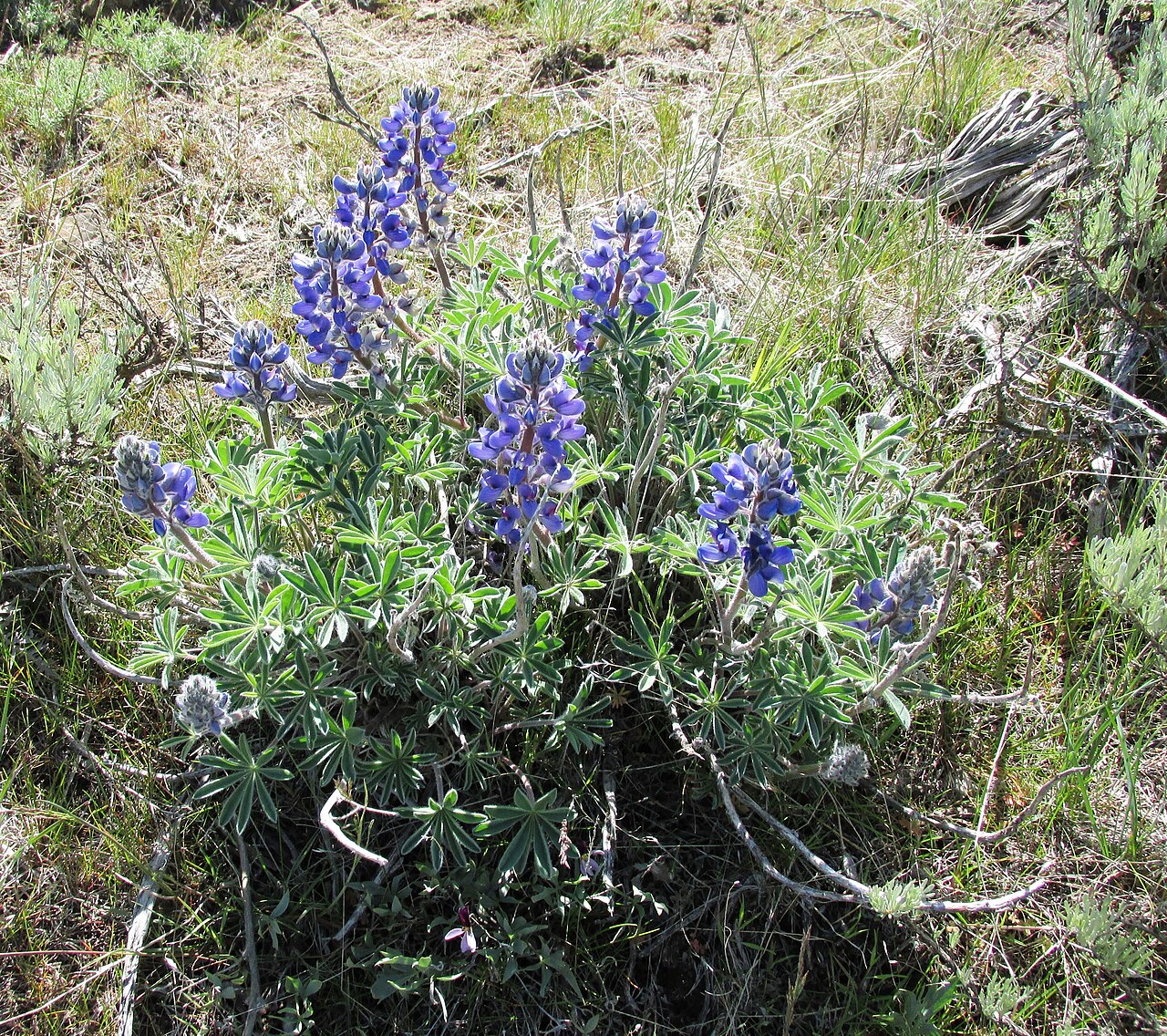
Lupinus lepidus Douglas ex Lindl. goes by several common names — Prairie Lupine, Dwarf Lupine, and the USDA’s preferred name, Pacific Lupine — reflecting both its low, compact stature and its wide range of lowland-to-alpine Pacific Northwest habitats. This variable perennial forms neat mounds of silvery-green, palmately divided leaves topped with short, dense spikes of blue to violet-blue, pea-shaped flowers.
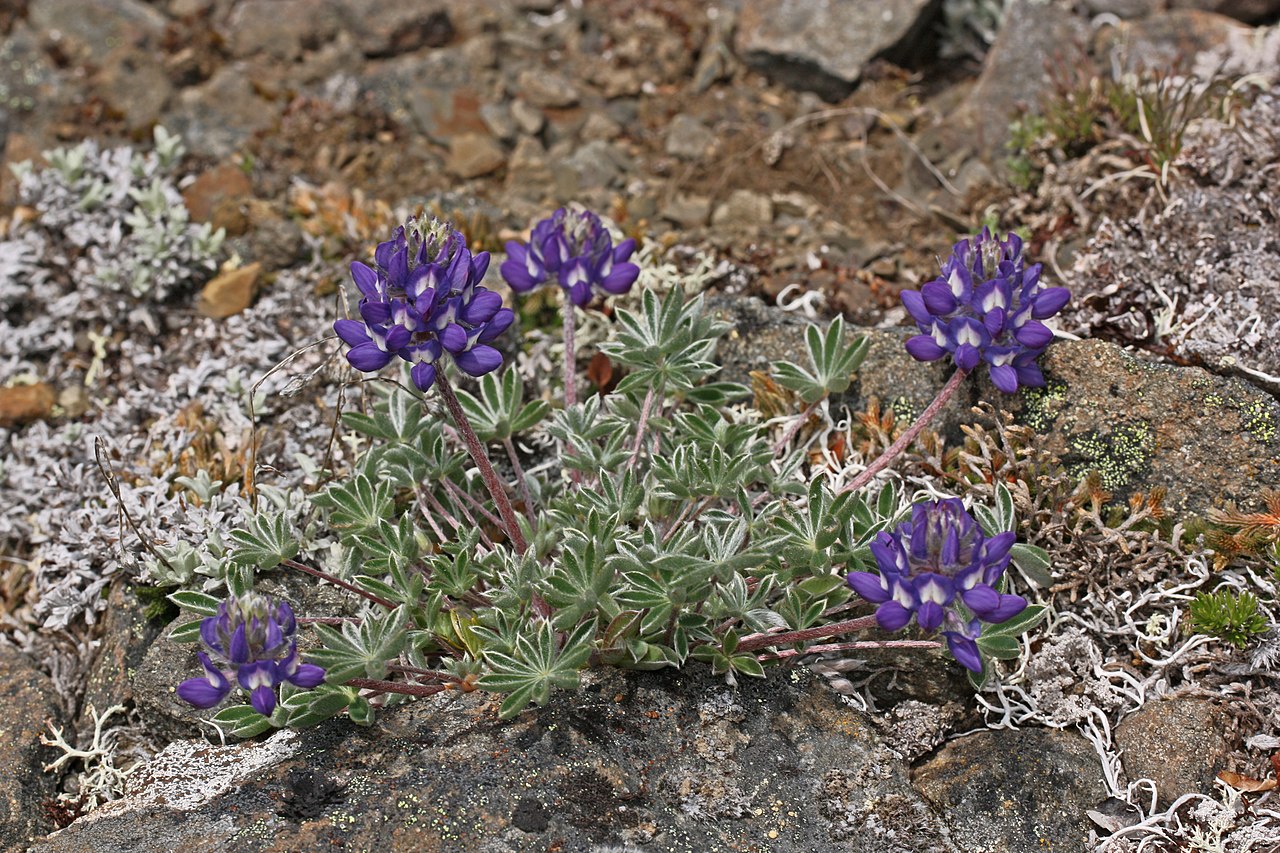
Prairie Lupine is remarkably adaptable in the wild, growing equally well on dry, gravelly lowland prairies of the Puget Sound region and on harsh, high-elevation pumice and talus slopes in the Cascades. It became internationally famous after the 1980 eruption of Mount St. Helens, when it was among the very first flowering plants to recolonize the volcano’s barren pumice plain, playing an outsized role in post-eruption ecological recovery studies.
In the garden, Prairie Lupine’s compact size and tolerance of lean, dry soils make it a good fit for rock gardens, gravel gardens, and native wildflower plantings throughout its Pacific Northwest range.
Identification
Prairie Lupine is a low, often mat-forming or mounding perennial typically reaching 4 to 24 inches (10–60 cm) tall, with considerable variation in size and habit across its range and varieties.
Leaves
Leaves are palmately compound with 5 to 9 narrow leaflets, densely covered in soft silvery-white hairs that give the whole plant a muted gray-green to silvery cast. The dense pubescence helps reflect intense sun and reduce water loss on the open, exposed sites this species favors.
Flowers
Flowers are packed into short, dense racemes held just above the foliage, each flower blue to violet-blue with a white or pale patch on the banner petal that often shifts color after pollination, a common lupine signal to pollinators. Bloom timing varies widely with elevation, from late spring in lowland prairies to mid-summer on high mountain sites.
Fruit & Seeds
The fruit is a small, hairy legume pod that dries and splits to scatter several mottled seeds a short distance from the parent plant. Like other lupines, seeds can remain dormant in the soil for years, germinating opportunistically when disturbance and moisture conditions align — a trait that explains its pioneering success on disturbed volcanic ground.
Quick Facts
| Scientific Name | Lupinus lepidus Douglas ex Lindl. |
| Family | Fabaceae (Pea/Legume) |
| Plant Type | Perennial Forb/Wildflower |
| Mature Height | 4–24 in (10–60 cm) |
| Mature Spread | 6–12 in (15–30 cm) |
| Growth Rate | Slow to moderate |
| Sun Exposure | Full Sun |
| Water Needs | Low to Moderate |
| Soil Type | Gravelly, sandy, well-drained |
| Soil pH | 5.5–7.0 (slightly acidic to neutral) |
| Bloom Time | May – August (varies with elevation) |
| Flower Color | Blue to violet-blue |
| Fall Color | Foliage dies back; no notable fall color |
| Fruit | Small hairy legume pods |
| Deer Resistant | Yes — foliage contains bitter alkaloids |
| USDA Hardiness Zones | 4–8 |
Native Range
Prairie Lupine ranges from southern British Columbia south into Washington, Oregon, and the Idaho Panhandle, with its heaviest concentrations in the Puget Sound lowlands, the Olympic and Cascade Ranges. Within this range it occupies two quite different settings: dry, gravelly glacial-outwash prairies at low elevation in western Washington, and open subalpine-to-alpine slopes, pumice fields, and talus at higher elevations throughout the Cascades.
The species is best known in restoration circles for its role on Mount St. Helens, where it was among the first colonizers of the pumice plain left by the 1980 eruption, and it remains a focus of long-term ecological studies on primary succession there. In the Puget lowlands, Prairie Lupine is associated with the rare and shrinking glacial outwash prairie ecosystem, making garden and restoration plantings in that region especially valuable.
Outside this Pacific Northwest range, Prairie Lupine is not considered native, and gardeners elsewhere should not expect it to naturalize or persist reliably.
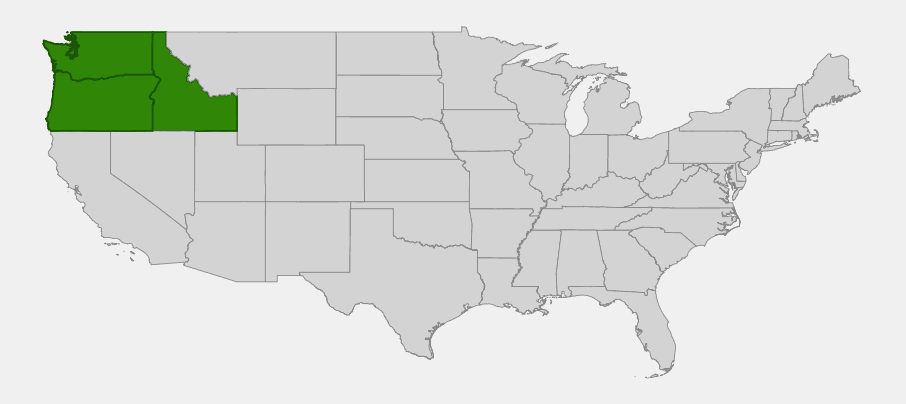
📋 Regional plant lists featuring Prairie Lupine: Western Oregon & Western Washington · Idaho, Eastern Oregon & Eastern Washington
Growing & Care Guide
Prairie Lupine’s natural toughness on lean, disturbed, and rocky ground makes it a forgiving choice for gardeners who can offer sharp drainage and plenty of sun, whether at sea level or in a mountain garden.
Light
Plant in full sun. In the wild it thrives on open prairie and exposed alpine slopes with little competition from taller vegetation, and it performs best in the garden under similarly bright, open conditions.
Soil & Water
Prairie Lupine wants fast-draining, gravelly or sandy soil — heavy, rich, or constantly moist soil shortens its life and encourages root rot. Once established, it tolerates summer dry spells well, needing supplemental water mainly during its first season or in unusually dry years.
Planting Tips
Start from seed sown in fall or early spring directly in place, since the taproot dislikes transplanting. Scarifying the hard seed coat and providing several weeks of cold, moist stratification improves germination rates, mimicking the natural winter the seed would experience in the ground.
Pruning & Maintenance
Little maintenance is needed. Deadheading can tidy the plant and limit self-seeding where that is not wanted, but otherwise avoid fertilizing — like most lupines, Prairie Lupine performs best in lean soil and becomes floppy and short-lived in overly rich conditions.
Propagation
Collect seed from pods just as they begin to dry and split, since mature pods shatter and disperse seed quickly. Division is not practical given the plant’s taproot; propagate by seed.
Landscape Uses
Prairie Lupine’s compact size and toughness suit a range of planting situations:
- Gravel and rock gardens that mimic its lean native soils
- Puget lowland prairie restoration plantings in western Washington
- Alpine and subalpine gardens at higher elevations
- Pollinator and wildflower meadows in cool-summer climates
- Erosion control on dry, sunny, disturbed slopes
Wildlife & Ecological Value
Prairie Lupine plays an outsized ecological role for a relatively small plant, both as a pioneer species on disturbed ground and as a food source for Pacific Northwest wildlife.
For Pollinators
Bumblebees and other native bees are the primary pollinators, tripping the flower’s spring-loaded keel petal to release pollen as they forage. The dense flower spikes make Prairie Lupine a reliable nectar source in both lowland prairie and high alpine settings where few other plants bloom.
For Mammals & Birds
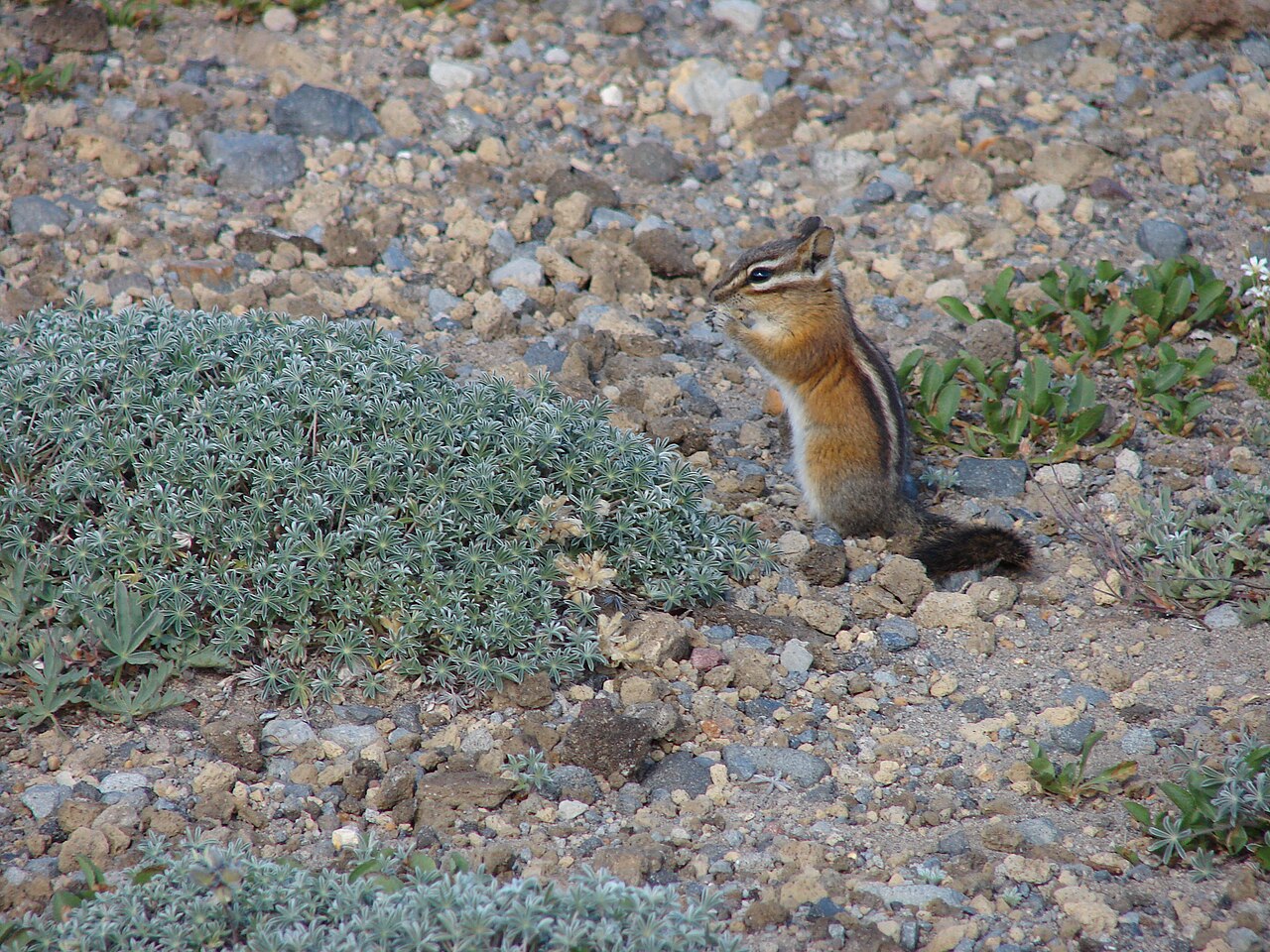
Ground squirrels, chipmunks, and other small mammals forage around lupine clumps and feed on the seeds, while deer and other large herbivores generally avoid the alkaloid-laden foliage, making it a reliably deer-resistant garden plant. On the Mount St. Helens pumice plain, researchers have documented insects associated with Prairie Lupine becoming an important early food source for birds recolonizing the blast zone.
Ecosystem Role
As a nitrogen-fixing legume, Prairie Lupine is one of the first plants to establish on raw volcanic pumice, glacial outwash, and other nutrient-poor disturbed soils, where its root nodules add nitrogen and gradually improve conditions for later-arriving species. Its well-documented role in the recovery of the Mount St. Helens blast zone after 1980 made it a textbook example of a pioneer species in primary plant succession.
Cultural & Historical Uses
Prairie Lupine is best known in ecological history for its role in the recovery of Mount St. Helens following the catastrophic 1980 eruption. Scientists tracking the recolonization of the volcano’s barren pumice plain found that this lupine was among the earliest and most important plant colonizers, and long-term studies of its nitrogen-fixing effect on the bare pumice have become a widely cited case study in primary succession ecology.
In the Puget Sound lowlands, Prairie Lupine is tied to the history of the region’s glacial outwash prairies, open grassland habitats that were far more extensive before fire suppression and development allowed forest encroachment and urbanization to reduce them to scattered remnants. The species is now a frequent component of prairie restoration seed mixes used to recover these rare lowland habitats.
Documented traditional uses by Indigenous peoples of the Pacific Northwest specific to this species are limited in the available record. As with lupines generally, no part of the plant was used as a food source, owing to its alkaloid content.
Frequently Asked Questions
Is Prairie Lupine the same as Dwarf Lupine or Pacific Lupine?
Yes — Prairie Lupine, Dwarf Lupine, and Pacific Lupine are all common names applied to Lupinus lepidus. The plant’s size and habit vary considerably across its lowland-to-alpine range, which has led to several overlapping common names in field guides and nursery catalogs.
Is Prairie Lupine poisonous?
Yes. All parts of the plant, especially the seeds, contain quinolizidine alkaloids toxic to livestock, pets, and people if eaten. It should be grown and enjoyed as an ornamental and wildlife plant only.
Why is Prairie Lupine associated with Mount St. Helens?
It was one of the first flowering plants to recolonize the volcano’s pumice plain after the 1980 eruption, and its nitrogen-fixing roots helped kick-start soil recovery on the barren landscape, making it a frequently cited example in studies of ecological succession after major disturbance.
Can Prairie Lupine grow at both sea level and high mountain elevations?
Yes — this species is unusually adaptable, with populations ranging from dry lowland prairies near sea level in the Puget Sound region to alpine and subalpine slopes above 6,000 feet in the Cascades, though individual plants are suited to the climate of their particular elevation.
Does Prairie Lupine spread aggressively in the garden?
No — it spreads modestly by seed rather than running roots or rhizomes, and its preference for lean, dry, disturbed soil generally keeps it from overwhelming richer garden beds where other plants compete more successfully.

Looking for a nursery that carries Prairie Lupine?
Browse our native plant nursery directory: Washington · Oregon · Idaho