
Feather Tree (Lysiloma watsonii)
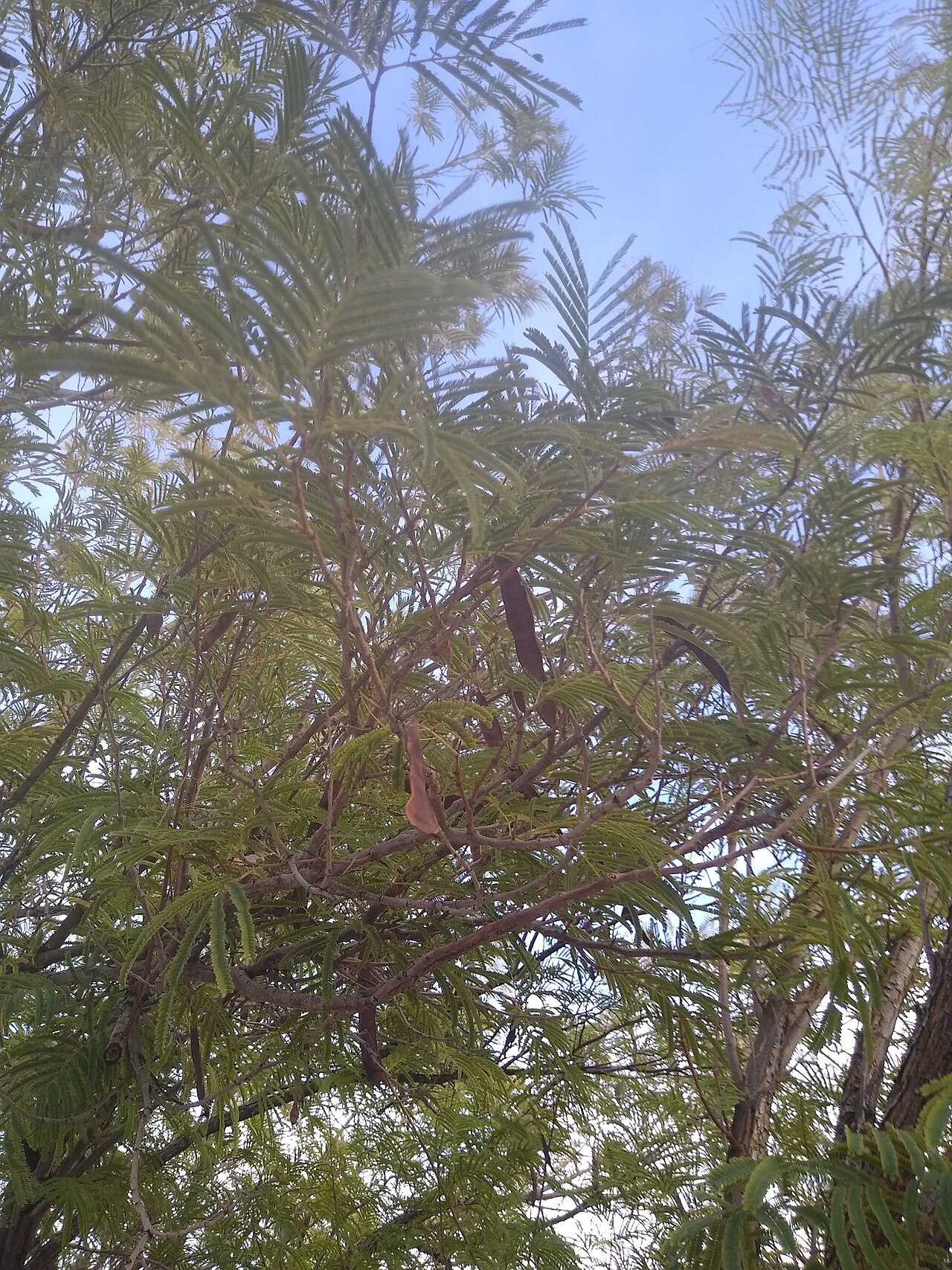
Lysiloma watsonii is best known in cultivation and the nursery trade as Feather Tree, though botanists have also used the name Lysiloma microphylla for this same plant; both refer to the identical species, which USDA PLANTS now lists under Lysiloma watsonii. It is also sometimes called littleleaf false tamarind, a reference to its finely divided, fern-like leaves that resemble those of the unrelated tamarind tree. In its native range near Tucson, Arizona, it is a locally uncommon but much-loved small tree, valued for the dappled, lacy shade its foliage casts and for seed pods that persist attractively into winter.
Feather tree is a member of the legume family and, like many of its relatives, fixes nitrogen in the soil. It is evergreen to briefly deciduous depending on winter cold and drought, giving Southwestern gardens filtered, year-round shade that few other small desert trees can match. The species is sensitive to hard freezes, which largely confines both its wild range and its garden use to the warmer low desert of southern Arizona.
Because feather tree is naturally uncommon and restricted to a small corner of the United States, nursery-grown stock is the appropriate source for garden plantings; this is not a species to collect from its native canyons and washes.
Identification
Feather tree grows as a large shrub or small tree, typically reaching 15 to 25 feet tall with an equal or greater spread, often developing multiple trunks and an open, spreading canopy when grown with room to branch out.
Bark & Stems
Young stems are slender and gray-brown, becoming furrowed and darker gray on older trunks. The overall branching habit is airy and somewhat weeping, which combined with the fine foliage gives mature trees a graceful, fountain-like silhouette.
Leaves
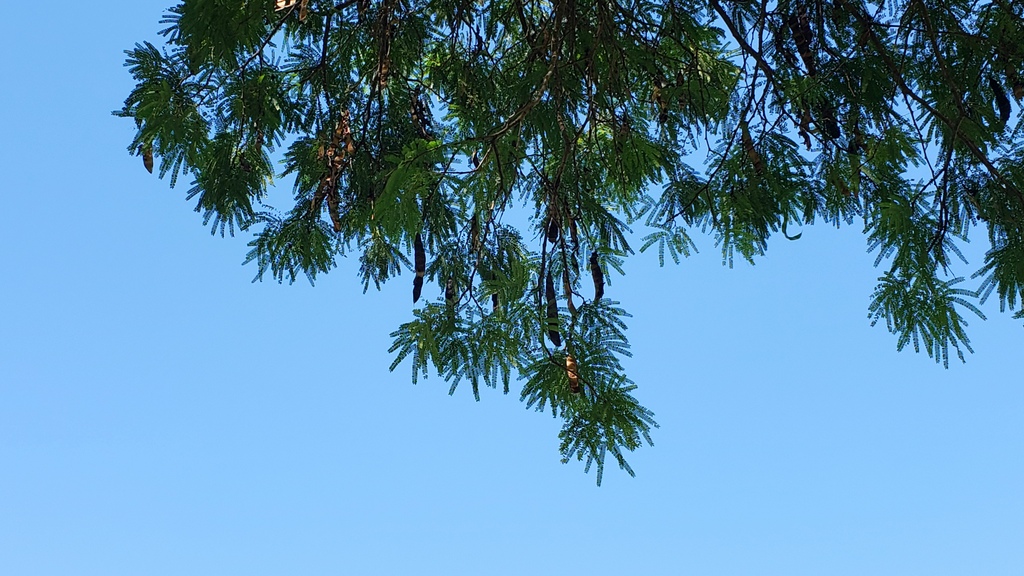
Leaves are bipinnately compound, meaning each leaf divides into several side branches (pinnae), each lined with dozens of tiny, narrow leaflets only a few millimeters long. This very fine division is what gives the tree its feathery, almost fern-like texture and its common name. Foliage is light to medium green and casts soft, dappled shade rather than dense shadow. In a hard freeze or extended drought, the tree may drop some or all of its leaves, but it typically releafs quickly once conditions improve.
Flowers & Fruit
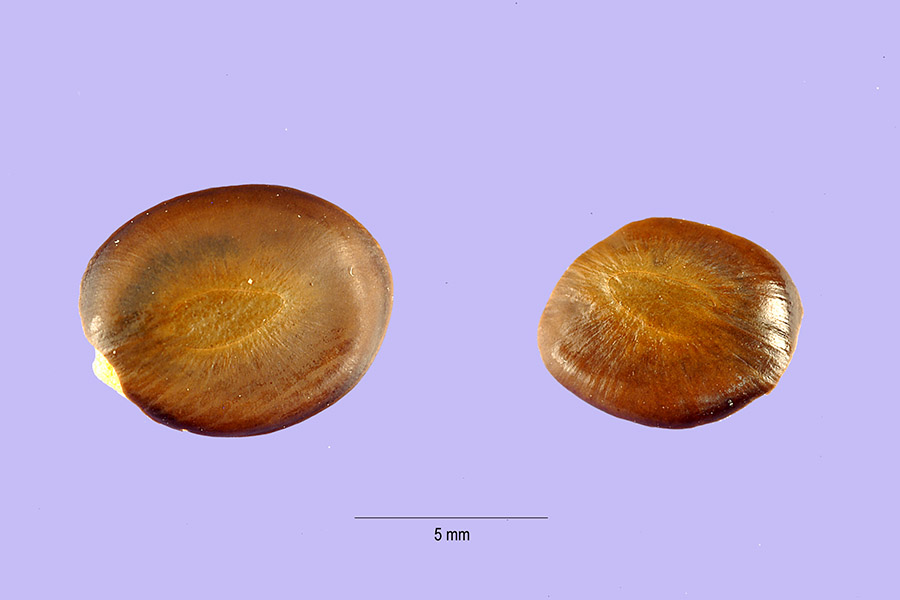
Flowers are small, pale greenish-white to cream puffballs typical of many legume trees, clustered along the branches and appearing mainly in spring with a possible lighter rebloom after summer monsoon rains. They are followed by flat, reddish-brown seed pods roughly 3 to 6 inches long that mature in fall and often persist on the tree well into winter, each containing several hard, flattened, disc-shaped seeds.
Quick Facts
| Scientific Name | Lysiloma watsonii (syn. Lysiloma microphylla) |
| Family | Fabaceae (Pea/Legume) |
| Plant Type | Evergreen to Semi-Deciduous Small Tree / Large Shrub |
| Mature Height | 15–25 ft (4.5–7.5 m) |
| Mature Spread | 15–25 ft (4.5–7.5 m) |
| Growth Rate | Moderate to fast with summer water |
| Sun Exposure | Full Sun to Light Shade |
| Water Needs | Low to Moderate |
| Soil Type | Well-drained rocky or gravelly soils |
| Soil pH | 7.0–8.5 (neutral to alkaline) |
| Bloom Time | Spring, with light rebloom after monsoon |
| Flower Color | Greenish-white to cream |
| Fall Color | None notable; foliage may thin in cold or drought |
| Fruit | Flat reddish-brown seed pods, persistent into winter |
| Deer Resistant | Moderate |
| USDA Hardiness Zones | 9–11 |
Native Range
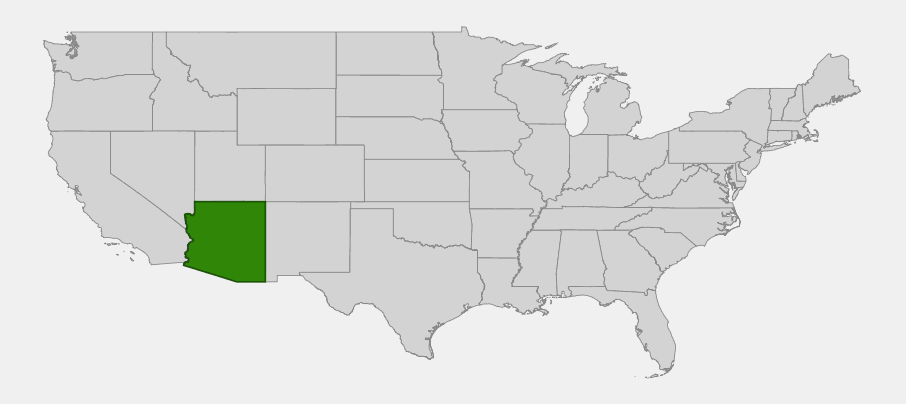
Feather tree is native in the United States only to a small area of southeastern Arizona, centered on the Rincon Mountains southeast of Tucson, where it grows in canyon bottoms and rocky foothill washes. Its range continues south into the mountain foothills of Sonora, Mexico, where it is considerably more widespread and common than it is north of the border.
Within Arizona, feather tree is found at the northern, coldest edge of its overall distribution, which explains both its relative rarity in the state and its sensitivity to hard freezes in cultivation. It typically grows along intermittent drainages and rocky slopes in thornscrub and the upper edges of Sonoran desertscrub, where it has access to extra moisture from runoff that collects in washes.
Because its U.S. range is so limited, feather tree is not a species most Arizona gardeners will have encountered growing wild, even though it has become a well-established landscape tree in Tucson and Phoenix thanks to its tidy size and attractive foliage. Gardeners outside the low desert, especially at higher or colder elevations, should expect significant freeze damage or loss.
📋 Regional plant lists featuring Feather Tree: Arizona & New Mexico
Growing & Care Guide
Feather tree is a favorite low-desert landscape tree precisely because it offers filtered, dappled shade without the bulk and water demand of larger shade trees, while needing relatively little care once established.
Light
Plant in full sun for the fullest, most compact form, though feather tree also tolerates light afternoon shade, which can help reduce stress during the hottest part of the Sonoran Desert summer.
Soil & Water
Feather tree is adapted to rocky, fast-draining soils and needs only occasional deep watering once established, making it a genuinely low-water choice for desert landscaping. Young trees benefit from regular watering during their first one to two years to develop a deep root system; mature trees can get by on natural rainfall supplemented by an occasional deep soak during extended dry spells. Avoid heavy, poorly drained soils, which can lead to root problems.
Planting Tips
Choose a warm, sheltered microclimate, such as a south-facing wall or courtyard, especially at the cooler edges of its recommended hardiness range, since young trees are the most vulnerable to freeze damage. Plant in fall or spring to allow roots to establish before the stress of summer heat or winter cold.
Pruning & Maintenance
Feather tree generally needs minimal pruning to maintain an attractive multi-trunk form. Remove frost-damaged branches in spring once new growth clearly shows which wood survived the winter, rather than pruning preemptively in fall. Established trees are drought-tolerant and largely free of serious pests or disease in the low desert.
Landscape Uses
- Patio and courtyard shade tree where filtered, dappled light is preferred over dense shade
- Low-water desert landscaping paired with palo verde, desert willow, or ironwood
- Accent or specimen tree for its fine, feathery texture
- Wildlife and pollinator gardens in low desert settings
Wildlife & Ecological Value
Within its narrow Arizona range, feather tree contributes structure and resources to foothill thornscrub habitat that is otherwise dominated by cacti and spiny shrubs.
For Pollinators
The small, clustered puffball flowers attract native bees and other pollinating insects drawn to legume-type blooms, providing a nectar source during the spring flowering period and sometimes again after summer rains.
For Birds
The open, airy canopy provides perching and some nesting cover for small desert birds, while seeds in the persistent winter pods offer a food source during the leaner months of the year.
For Mammals
Various desert rodents and other small mammals feed opportunistically on the seed pods, and the tree’s dappled shade offers cover for wildlife moving through otherwise exposed foothill terrain.
Ecosystem Role
As a nitrogen-fixing legume, feather tree modestly enriches the thin, rocky soils of the washes and canyon bottoms where it grows, and its canopy moderates temperature and light for smaller understory plants that would otherwise face the full intensity of desert sun.
Cultural & Historical Uses
Feather tree has limited documented use by Indigenous peoples of the Sonoran Desert compared to more widespread regional trees such as mesquite or palo verde, likely reflecting its restricted and somewhat localized distribution. In Sonora, Mexico, where the species is more common, its wood has seen some local use for small construction and fuel, consistent with other Lysiloma species in the region.
In the United States, feather tree’s history is mostly a horticultural one: it was recognized relatively recently by Tucson-area nurseries and landscape architects as an attractive, low-water alternative to non-native shade trees, and it has since become a familiar sight in low desert gardens, parking lots, and public landscaping well beyond its small natural range.
Frequently Asked Questions
Is feather tree the same as Lysiloma microphylla?
Yes. Lysiloma microphylla and Lysiloma watsonii refer to the same plant; USDA PLANTS currently recognizes Lysiloma watsonii as the accepted scientific name.
How cold-hardy is feather tree?
It is reliably hardy only in the warmer low desert, roughly USDA zones 9 to 11, and can suffer significant frost damage or dieback in a hard freeze. A sheltered, south-facing planting site helps in marginal locations.
Is feather tree native to Arizona?
Yes, but only to a small area of southeastern Arizona near the Rincon Mountains outside Tucson; it is far more common across the border in Sonora, Mexico.
How much water does feather tree need?
Very little once established — it is adapted to rocky desert washes and tolerates long dry periods, though young trees need regular water for their first year or two to develop a strong root system.
Can feather tree be grown from seed?
Yes, seeds germinate reasonably well after scarifying the hard seed coat, though nursery-grown container stock is the more common and reliable way most gardeners acquire this tree.

Looking for a nursery that carries Feather Tree?
Browse our native plant nursery directory: Arizona