California Polypody (Polypodium californicum)
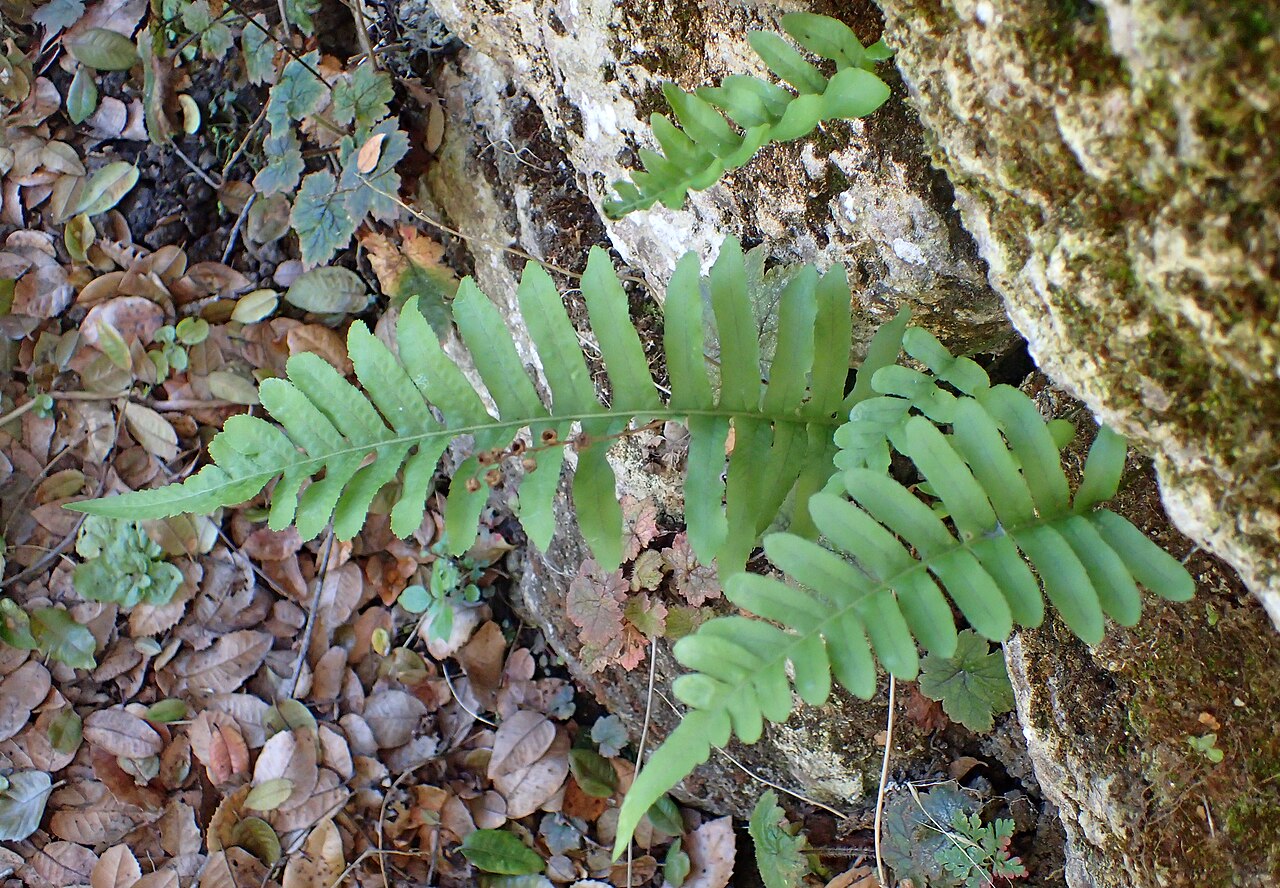
Polypodium californicum, commonly known as California polypody, is a small, rhizomatous fern native to California, where it grows tucked into rock crevices, mossy banks, and shaded slopes across much of the state. It is one of the more distinctive small ferns of California’s winter-wet, summer-dry climate, going dormant and disappearing from view during the dry months before resprouting fresh fronds with the first autumn rains.
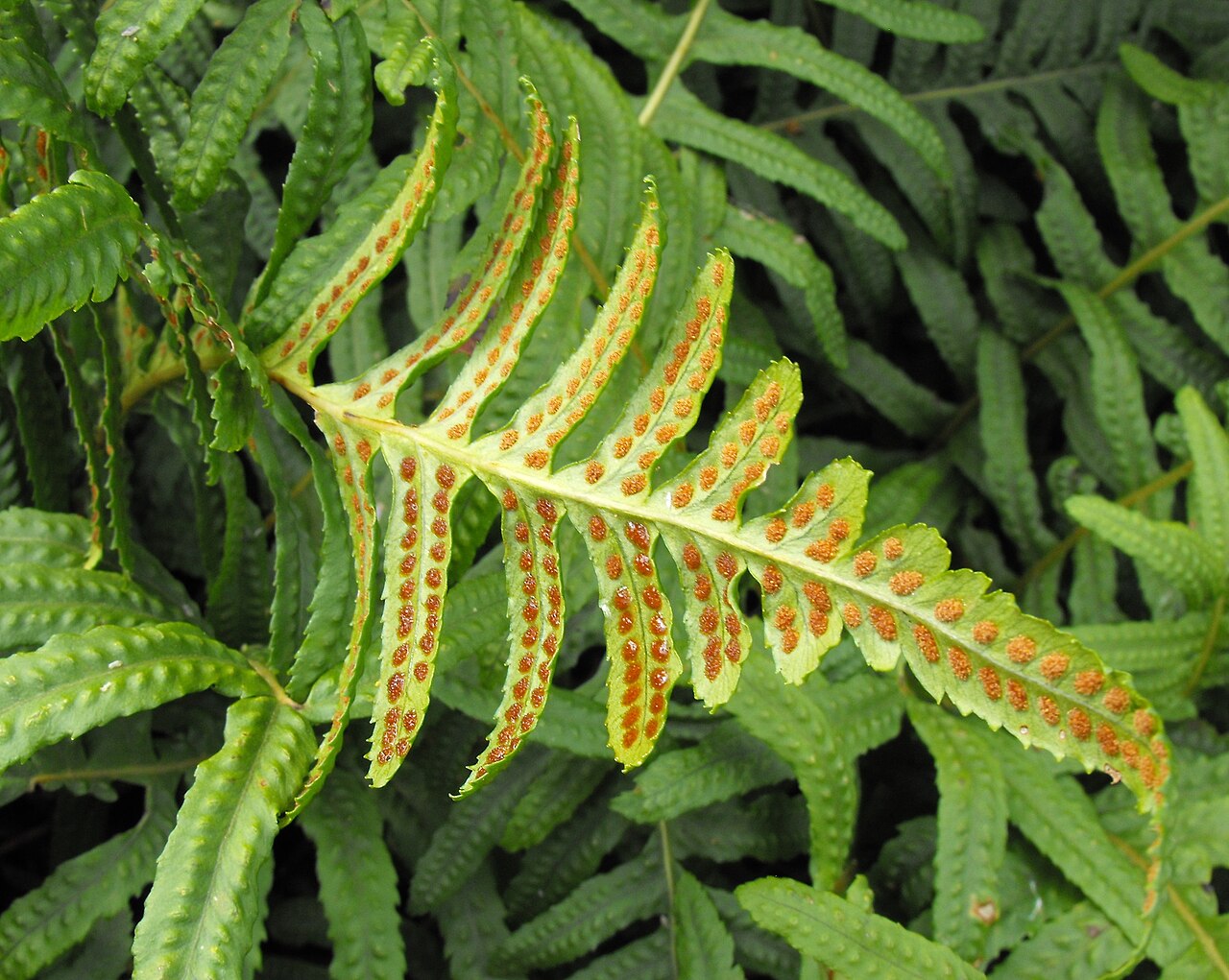
The species forms low, spreading colonies from a creeping, scaly rhizome rather than a single upright clump, often carpeting shaded rock faces or the mossy base of oaks in a loose mat of simple, deeply lobed fronds. On the underside of fertile fronds, rounded clusters of spore cases (sori) line up in neat rows along either side of the midrib — a reliable identification feature for the genus.
California polypody is a good choice for gardeners wanting a true seasonal native fern — one whose winter-green, summer-dormant cycle matches the rhythm of California’s climate rather than fighting it. It works especially well tucked into rock gardens, shaded walls, or the base of established oaks.
Identification
California polypody grows low to the ground, typically 6 to 18 inches tall, spreading slowly outward as its creeping rhizome extends across rock surfaces, mossy banks, or thin soil. Rather than forming a single dense clump, it tends to carpet an area over time, with individual fronds arising singly along the spreading rhizome.
Fronds
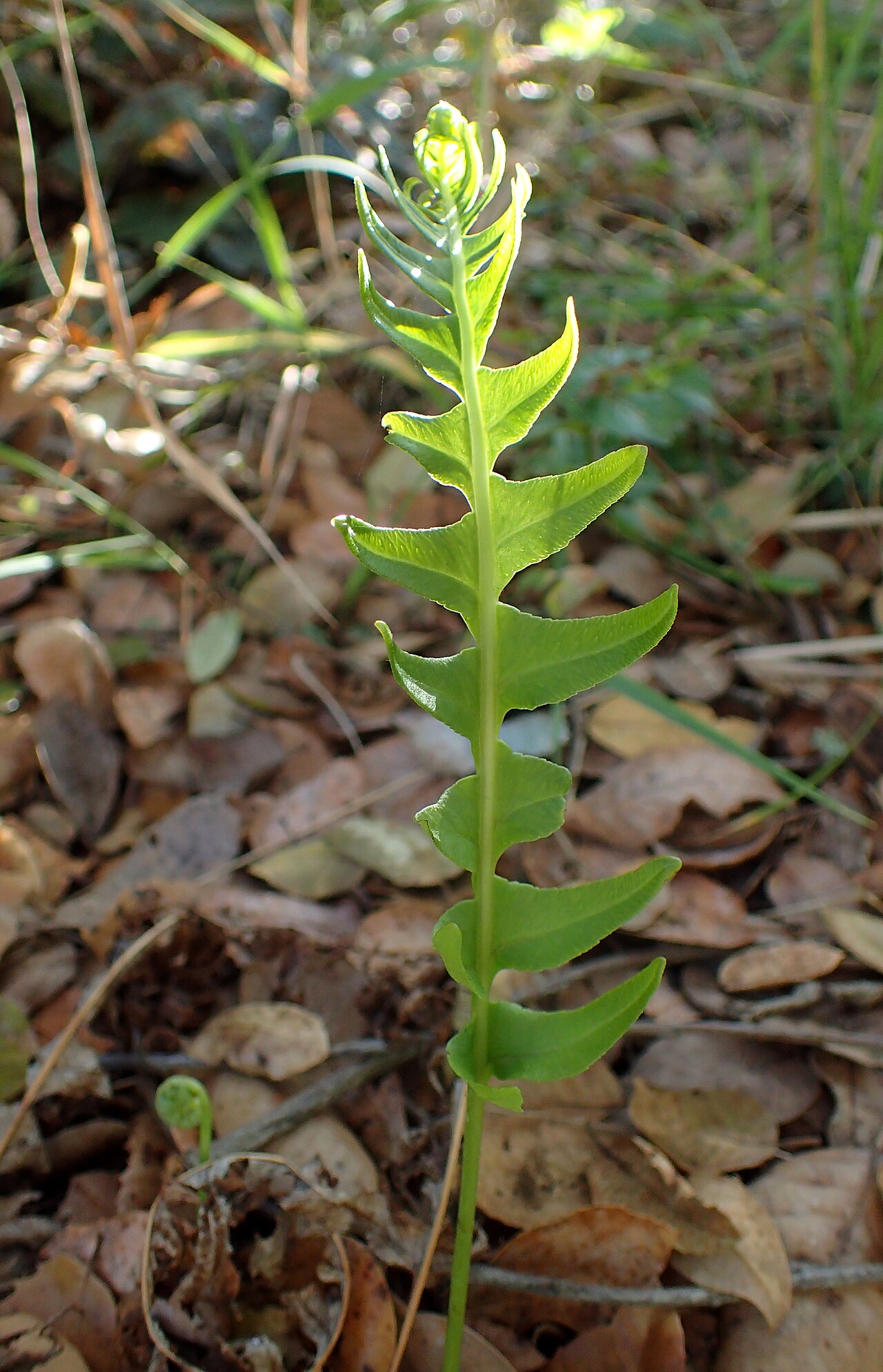
Fronds are simple-pinnate — divided once into deep, rounded lobes rather than the twice-divided, lacy look of many other California ferns — giving the species a distinctive, almost paddle-leaved silhouette. They are bright to medium green, somewhat leathery, and typically 6 to 16 inches long including the stalk. New fronds emerge with the autumn rains and persist through winter and spring before dying back as the soil dries in summer.
Sori (Spore Clusters)
On fertile fronds, round, orange-brown sori are arranged in a single neat row on either side of the midrib of each lobe, visible without a lens on the frond underside. Unlike many other fern genera, Polypodium sori lack a protective covering (indusium), so the round spore clusters sit exposed on the leaf surface — a quick way to confirm the genus in the field.
Quick Facts
| Scientific Name | Polypodium californicum |
| Family | Polypodiaceae (Polypody) |
| Plant Type | Winter-green, summer-dormant rhizomatous fern |
| Mature Height | 6–16 in |
| Mature Spread | Spreads slowly and indefinitely by rhizome |
| Growth Rate | Slow |
| Sun Exposure | Part Shade to Full Shade |
| Water Needs | Low once established; dormant and dry in summer |
| Soil Type | Rocky, mossy, or thin well-drained soil |
| Soil pH | Slightly acidic to neutral |
| Bloom Time | None (ferns do not flower) |
| Flower Color | None |
| Fall Color | Fresh green growth emerges with autumn rain |
| Fruit | None; reproduces by spores in exposed round sori |
| Deer Resistant | Yes |
| USDA Hardiness Zones | 8–10 |
Native Range
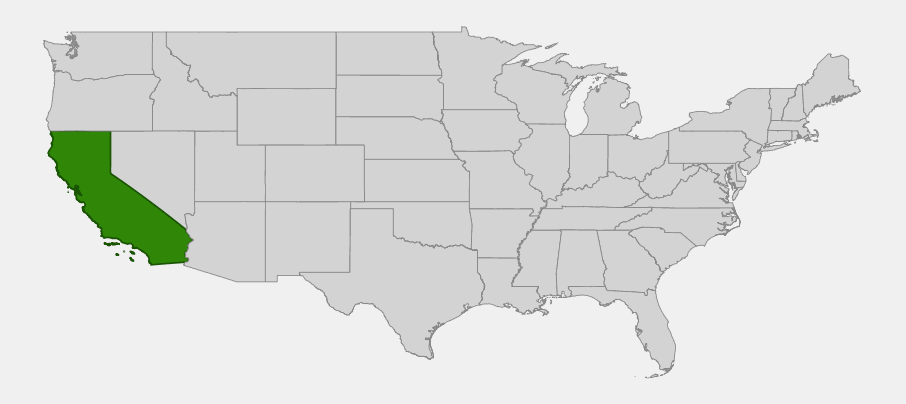
California polypody is native to California, occurring from the northern Coast Ranges and Klamath region south through the Central Coast and Transverse Ranges into the Peninsular Ranges and Channel Islands, with its range extending into Baja California, Mexico. It is one of the more widely distributed small ferns across the state’s coastal and foothill regions.
Typical habitat is shaded rock outcrops, mossy banks, canyon walls, and the humus-rich base of oaks and other trees, usually where some winter and spring moisture collects even though the site dries out completely in summer. Elevation ranges from near sea level along the coast up to around 4,000 feet in the foothills and lower mountains.
California polypody is not listed as threatened or endangered and remains a familiar, common component of shaded rock and woodland habitats throughout its California range.
📋 Regional plant lists featuring California Polypody: California & Nevada
Growing & Care Guide
California polypody rewards gardeners who are willing to let it follow its own seasonal rhythm rather than trying to keep it green year-round. Give it shade, a rocky or mossy perch, and winter moisture, and it will reliably return each fall.
Light
Part shade to full shade suits this fern best, mirroring the north-facing rock faces and oak-shaded banks where it grows wild. Too much direct sun, especially inland, will scorch the fronds during their active winter and spring growth period.
Soil & Water
Plant in rocky, well-drained soil, ideally tucked into a crevice, atop a mossy log or boulder, or at the base of an established oak where humus has built up. Water during the normal wet season to support active growth, but expect — and allow — the plant to go dormant and dry out completely over summer; this is a hallmark of healthy California polypody, not a sign of trouble.
Planting Tips
Site new plants in fall, timed with the start of the rainy season so roots can establish during the fern’s natural active period. Choose a shaded rock garden, retaining wall crevice, or the north side of a boulder or tree trunk. Because it spreads by a creeping rhizome, give it room to form a slowly expanding patch over several years rather than expecting quick coverage.
Pruning & Maintenance
No pruning is needed; simply let the fronds die back naturally each summer as the plant goes dormant, and resist the urge to water it through the dry season, which can encourage rot rather than growth. Once the rains return in fall, fresh fronds will emerge on their own.
Propagation
The easiest method is division of an established rhizome during the fern’s active winter or spring growth, replanting divisions into a similar rocky or shaded site. It can also be grown from spores collected from the sori on fertile fronds and sown on a moist, sterile medium, though this takes considerably longer to produce a garden-ready plant.
Landscape Uses
- Rock gardens and crevice plantings that mimic its natural habitat
- Shaded retaining walls and boulder plantings
- Oak woodland understory, especially at the shaded base of established trees
- Seasonal native gardens that embrace California’s winter-wet, summer-dry rhythm
- Moss and fern collections paired with other small shade-tolerant natives
Wildlife & Ecological Value
As a small, non-flowering, seasonally dormant fern, California polypody’s wildlife value is modest but meaningful within the shaded rock and woodland habitats it occupies.
For Pollinators
Ferns reproduce by spores rather than flowers, so California polypody offers no direct nectar or pollen resource. Its low, spreading mats do add moist, sheltered microhabitat to shaded rock surfaces that support a range of ground-dwelling invertebrates important to the broader food web.
For Birds
The low carpets of fronds provide minor ground-level cover for small birds foraging in shaded woodland understory, particularly during the fern’s active winter and spring growth season when green cover is otherwise scarcer in California’s seasonal landscape.
For Mammals
Small mammals and reptiles use the moist, shaded crevices and mossy patches where California polypody grows as cover and foraging habitat, particularly during the cooler, wetter months when the fern is actively growing.
Ecosystem Role
By colonizing bare rock and thin soil pockets that few other plants can use, California polypody adds a layer of living cover to otherwise exposed surfaces, helping retain moisture and build organic matter over time. Its clear seasonal cycle — growing with the winter rains and going dormant in summer drought — makes it a useful indicator of a healthy, naturally functioning California woodland or chaparral understory.
Cultural & Historical Uses
California polypody has been documented in California floras since the 19th century as one of the characteristic small ferns of the state’s shaded rock and woodland habitats, prized by botanists and fern enthusiasts for its distinctive, deeply lobed fronds and reliable winter-growing habit.
Indigenous peoples of California were familiar with polypody ferns as part of the native plant communities surrounding them, though this species is not documented as a significant food or material plant in regional ethnobotanical accounts; references instead describe it as a common and easily recognized part of the shaded native flora.
Today California polypody’s role is primarily horticultural and ecological, valued by native plant gardeners for its low water needs, winter interest, and suitability for shaded rock gardens that follow California’s natural seasonal rhythm.
Frequently Asked Questions
Why does my California polypody disappear in summer?
This is normal, expected behavior. The species goes dormant during California’s dry summer months and dies back to its rhizome, then resprouts fresh green fronds once the fall rains begin. There is no need to water it through this dormant period.
How can I tell California polypody from other small ferns?
Look for the simple, once-divided fronds with deep, rounded lobes, and check the underside for rows of round, uncovered orange-brown sori along the midrib of each lobe — a key feature of the genus Polypodium.
Does California polypody need rich soil?
No. It is adapted to thin, rocky, or mossy soils and actually prefers lean conditions over rich garden beds. Good drainage and a shaded rocky perch matter more than soil fertility.
Can California polypody grow on rocks without soil?
Yes — in the wild it often roots directly into rock crevices, moss mats, or thin accumulations of organic matter on boulders and canyon walls, which is part of why it works so well in a rock garden setting.
Is California polypody deer resistant?
Yes, deer generally do not browse it, making it a reliable choice for shaded native gardens in areas with deer pressure.

Looking for a nursery that carries California Polypody?
Browse our native plant nursery directory: California