White Fairy Lantern (Calochortus albus)
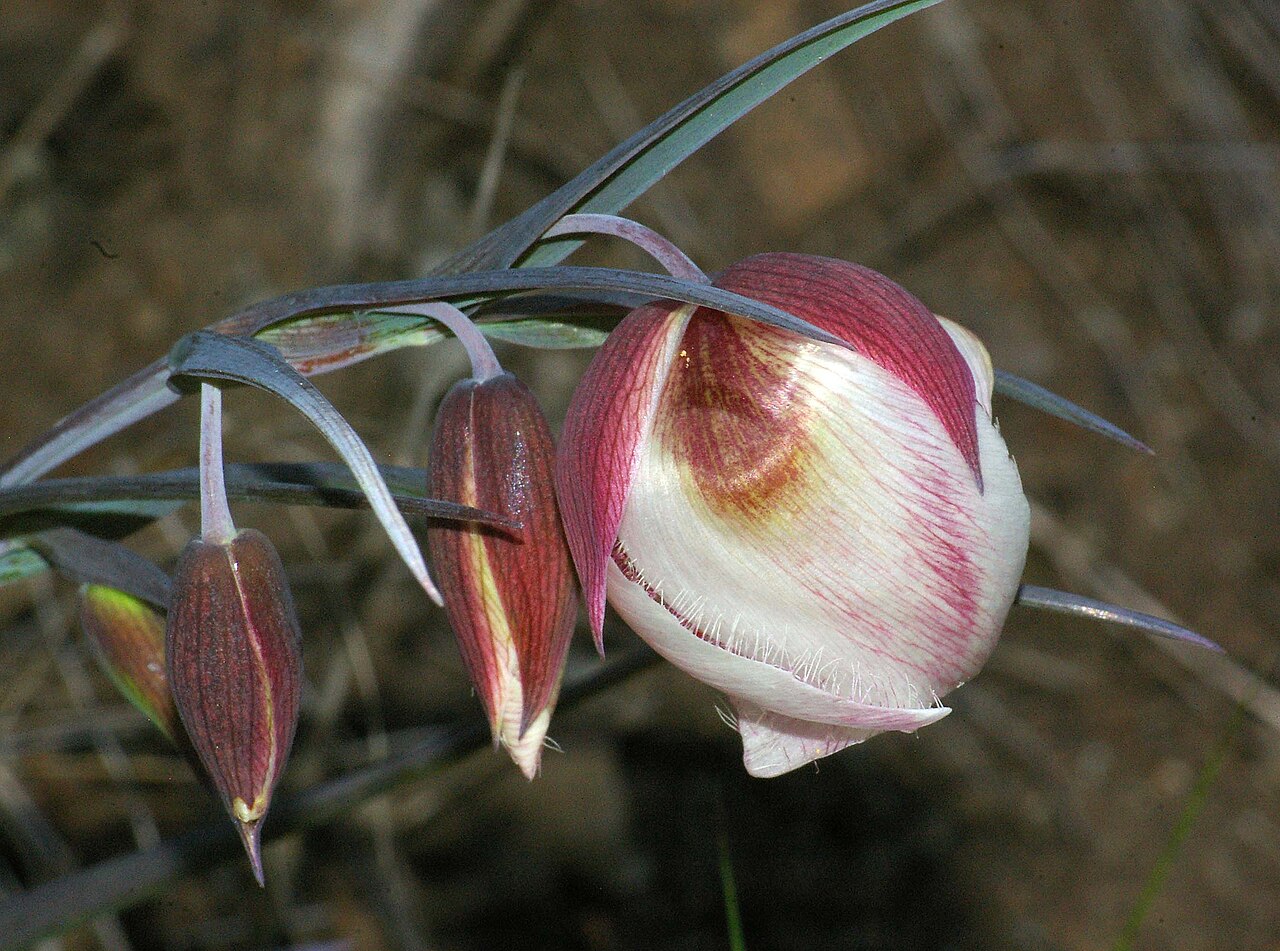
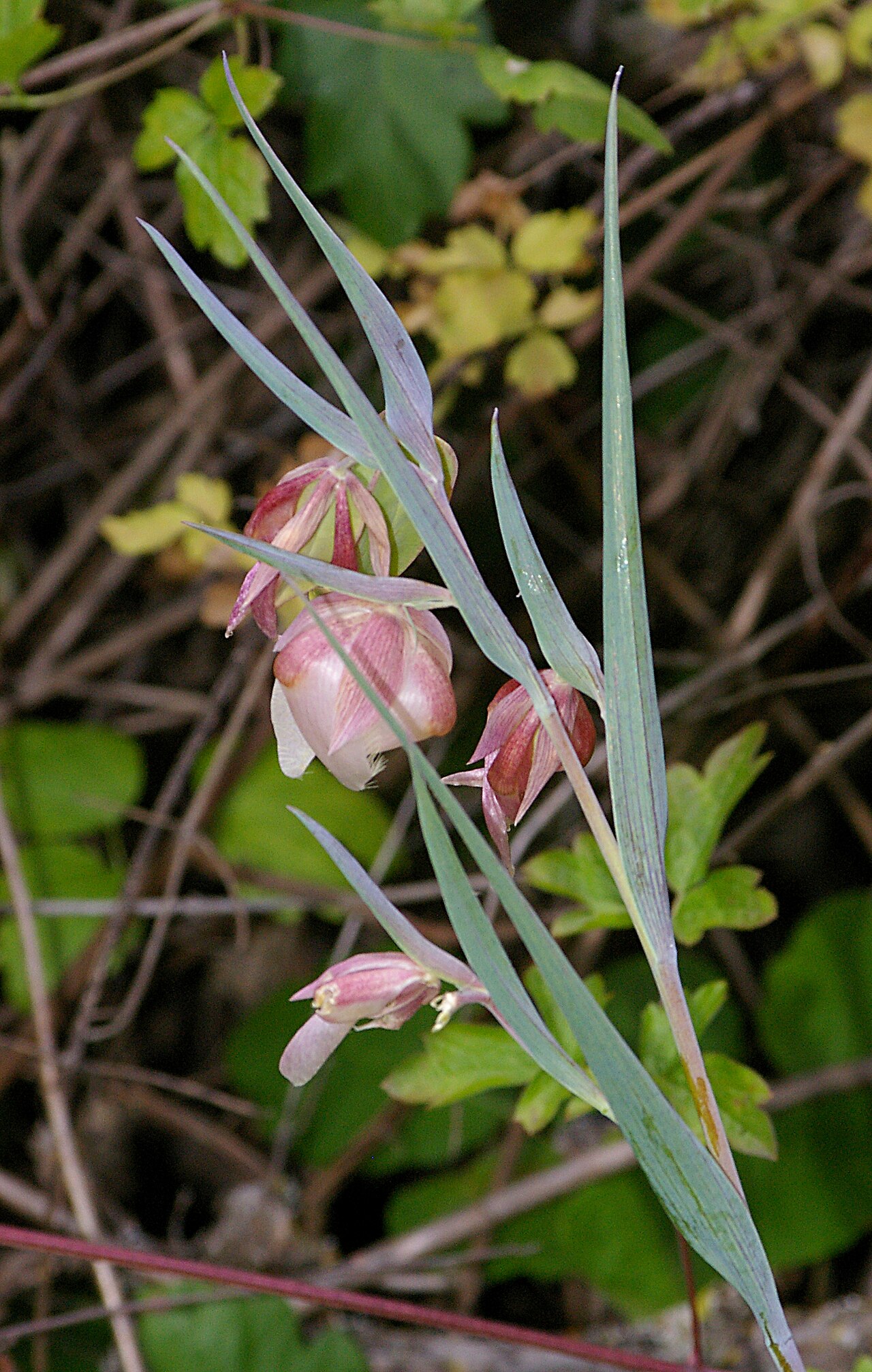
Calochortus albus, usually called white fairy lantern or white globe lily, is one of the quieter, more elegant members of the mariposa lily genus. Unlike the wide-open, upward-facing flowers of its showier relatives, white fairy lantern produces delicate, nodding, globe-shaped blooms that hang from thin, arching stems like tiny paper lanterns — a shape that has also earned it folk names such as “snowy lily-bell” and “satin bells.” Depending on the population, the thin, almost translucent petals can be pure white, blushed with pink, or flushed with deeper rose to wine-red tones, especially toward the base.
Another California endemic, white fairy lantern favors shadier, brushier settings than many of its open-grassland relatives, often found tucked into chaparral, oak woodland, and forest-edge habitats where its nodding flowers catch dappled light rather than full sun.
Identification
White fairy lantern is one of the easiest mariposa lilies to distinguish at a glance, thanks to its distinctive nodding, closed, globe-shaped flower form rather than the open, upward-facing cups of species like superb or yellow mariposa lily.
Foliage
A single, long, narrow, grass-like basal leaf, often 8 to 16 inches long and somewhat glaucous (blue-gray), emerges in late winter. Stem leaves are few, narrow, and reduced, sometimes with a distinctive twist near the tip.
Flowers
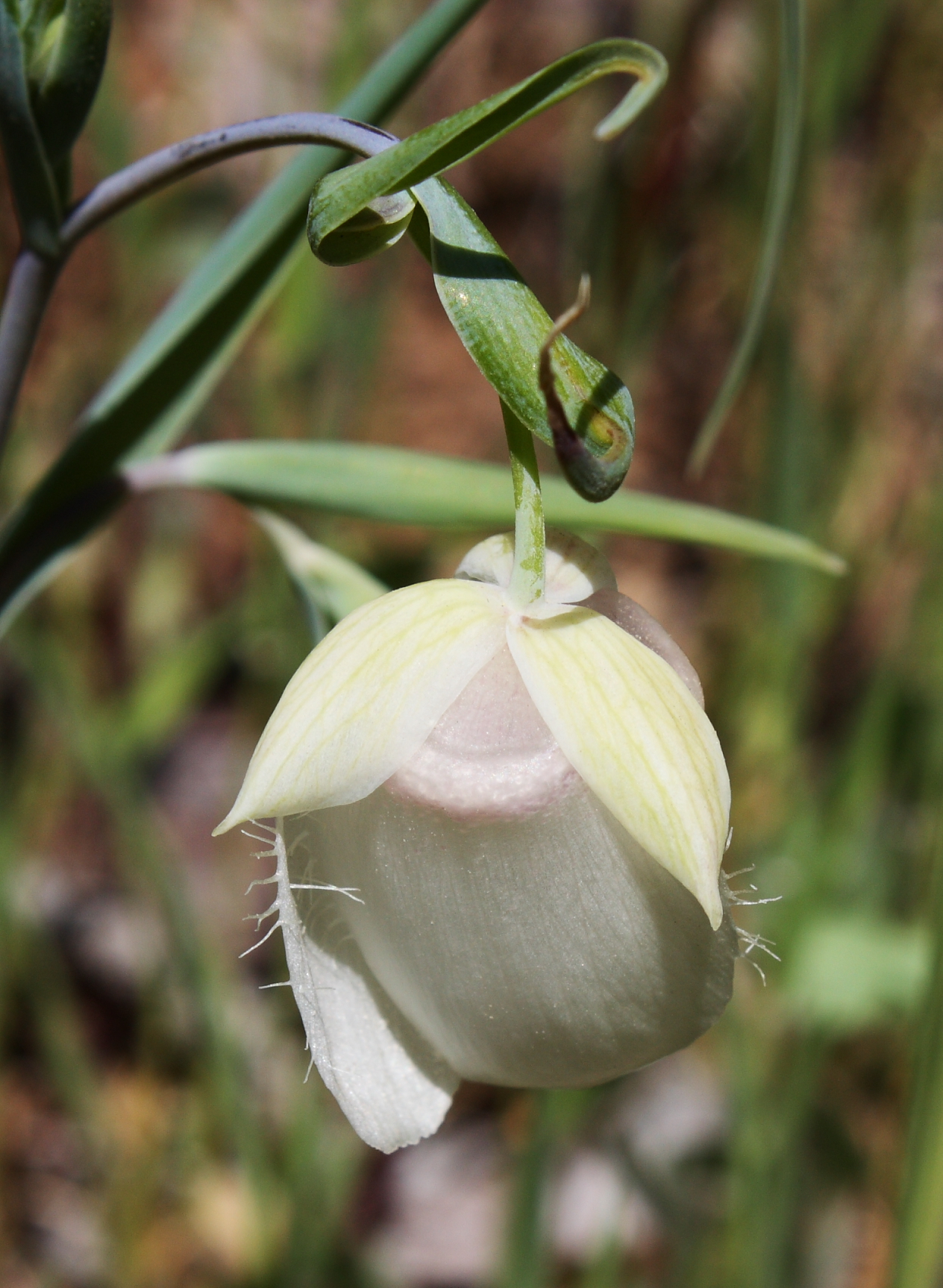
Flowering stems reach 8 to 24 inches tall, branched, with flowers that droop or nod on thin pedicels rather than facing upward. Each flower is a nearly closed, rounded globe about 1 to 1.5 inches across, formed by three broad, papery-textured petals that cup tightly together rather than spreading open like other mariposa lilies. Petal color ranges from white to soft pink and rose, sometimes deepening to wine-red near the base, with a fringe of fine hairs along the inner petal margins. Bloom season runs roughly March through June, varying with elevation and the shadier, moister microhabitats the species favors.
Fruit
After pollination, flowers form nodding, three-angled seed capsules that dry and split to release small, flattened seeds in early to mid-summer, after which the plant dies back completely for its dry-season dormancy.
Quick Facts
| Scientific Name | Calochortus albus |
| Family | Liliaceae |
| Plant Type | Perennial bulb (geophyte) |
| Mature Height (in bloom) | 8–24 in |
| Growth Rate | Slow |
| Sun Exposure | Part shade to dappled sun |
| Water Needs | Very low once established; summer-dry |
| Soil Type | Well-drained loam or gravelly soil, often in leaf litter |
| Drought Tolerance | Excellent |
| Bloom Time | March – June |
| Flower Color | White to pink or rose, nodding globe shape |
| Deer Resistant | Mostly, though bulbs may be dug by rodents |
| USDA Hardiness Zones | 7–10 |
Native Range
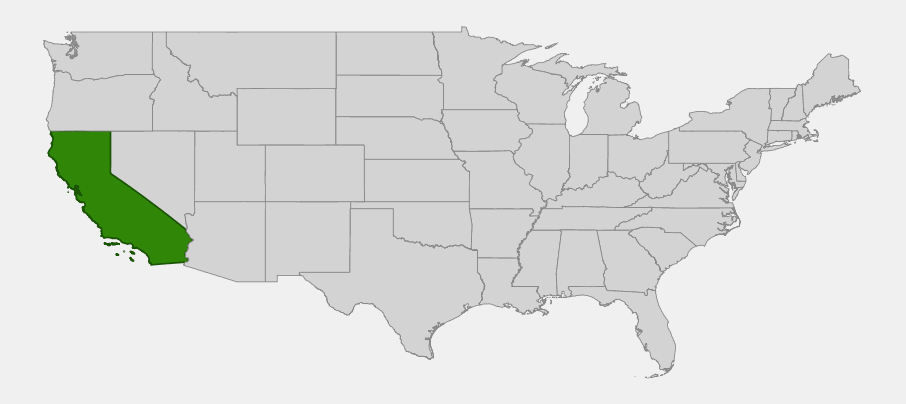
White fairy lantern is endemic to California, found from the southern Cascade Range foothills and northern-to-central Sierra Nevada through the Coast Ranges, into the Transverse and Peninsular Ranges of Southern California, with populations also reaching the northern Channel Islands. It is not native to Nevada, Oregon, or any other state.
It grows from near sea level to around 6,500 feet, typically in the dappled shade of chaparral, oak woodland, and mixed-evergreen forest understory — shadier and often brushier settings than many open-grassland mariposa lilies prefer, frequently emerging through leaf litter beneath shrubs and small trees.
📋 Regional plant lists featuring white fairy lantern: California & Nevada
Growing & Care Guide
White fairy lantern is better suited to a woodland or chaparral-edge garden than full open sun, setting it apart from many sun-loving mariposa lily relatives.
Light
Light to moderate part shade is ideal — think the dappled light beneath an oak canopy or alongside large shrubs, echoing its natural chaparral and woodland-understory habitat. It can tolerate more sun in cooler coastal gardens.
Soil & Water
Well-drained loam or gravelly soil, often enriched with leaf litter, suits it best. Provide modest moisture through the winter and spring growing season, then allow the bulb a fully dry summer rest; like other mariposa lilies, it is prone to rot if watered during dormancy.
Planting Tips
Plant bulbs in fall, about 3 to 4 inches deep, in a lightly shaded spot beneath or near established shrubs or small trees. Because the plant disappears completely in summer, mark the location and leave it undisturbed; mariposa lilies generally resent being moved once settled in.
Maintenance
Minimal care is needed. Let foliage die back naturally, and protect dormant bulbs from gophers and ground squirrels with a wire basket if rodent pressure is an issue in your garden.
Landscape Uses
- Woodland gardens beneath oaks or other light-shade trees
- Chaparral restoration plantings
- Shrub-edge borders with dappled light
- Naturalized slopes in part-shade settings
- Collector’s bulb gardens for its unusual nodding flower form
Wildlife & Ecological Value
For Pollinators
The nodding, nearly closed flower form favors pollinators able to work their way inside the globe from below, mainly native bees. Once inside, visiting insects encounter the fringe of hairs lining the petal margins, which likely helps trap pollen as they move through the flower.
For Wildlife
As with other mariposa lilies, the starchy bulbs are a food source for gophers and ground squirrels, which can affect colony persistence in some areas. Growing in brushier, shadier habitat than many relatives, white fairy lantern also benefits from the cover and reduced grazing pressure that shrub understories can provide.
Cultural & Historical Uses
Like other mariposa lilies, the bulbs of white fairy lantern were historically dug and eaten by California’s Indigenous peoples, typically roasted or boiled, as one of many wild bulb foods gathered seasonally. This reflects documented historical use, not a present-day foraging recommendation; wild mariposa lily populations recover slowly from bulb harvesting, so digging wild bulbs today is discouraged.
The plant’s many common names — fairy lantern, globe lily, satin bells, snowy lily-bell, Indian bells — all point to the same striking visual impression early observers had of its delicate, nodding, lantern-like blooms swaying on thin stems in the dappled light of the chaparral and woodland understory.
Frequently Asked Questions
Why do the flowers hang down instead of facing up?
This nodding habit is a defining feature of white fairy lantern and a few related species, distinguishing them from the upward-facing, open bowl-shaped flowers of mariposa lilies like superb or yellow mariposa lily. The closed, globe-like shape also helps protect the flower’s interior from rain and excess moisture.
Is white fairy lantern the same as pink fairy lantern?
“Pink fairy lantern” is simply a common name sometimes used for pink-to-rose flushed forms of this same variable species, Calochortus albus, rather than a separate species. Flower color can range from nearly pure white to deep rose within the species.
Can white fairy lantern grow in full sun?
It prefers light to moderate part shade, reflecting its natural habitat in chaparral and oak woodland understory. In hot inland gardens, full sun can stress the plant, while in milder coastal climates it tolerates more light.
Why isn’t my white fairy lantern blooming?
Too much shade, summer watering that rots the dormant bulb, or rodent predation are the most common reasons for poor flowering. Confirm the site gets at least dappled light, stays dry in summer, and is protected from digging animals.
Can I eat white fairy lantern bulbs?
Historically, Indigenous Californians cooked and ate mariposa lily bulbs, including this species, as a seasonal food source. Because wild populations are slow to recover from bulb harvesting, digging wild bulbs today is not recommended; enjoy the plant in the garden or in its native habitat instead.

Looking for a nursery that carries white fairy lantern?
Browse our native plant nursery directory: California