California Bee Plant (Scrophularia californica)
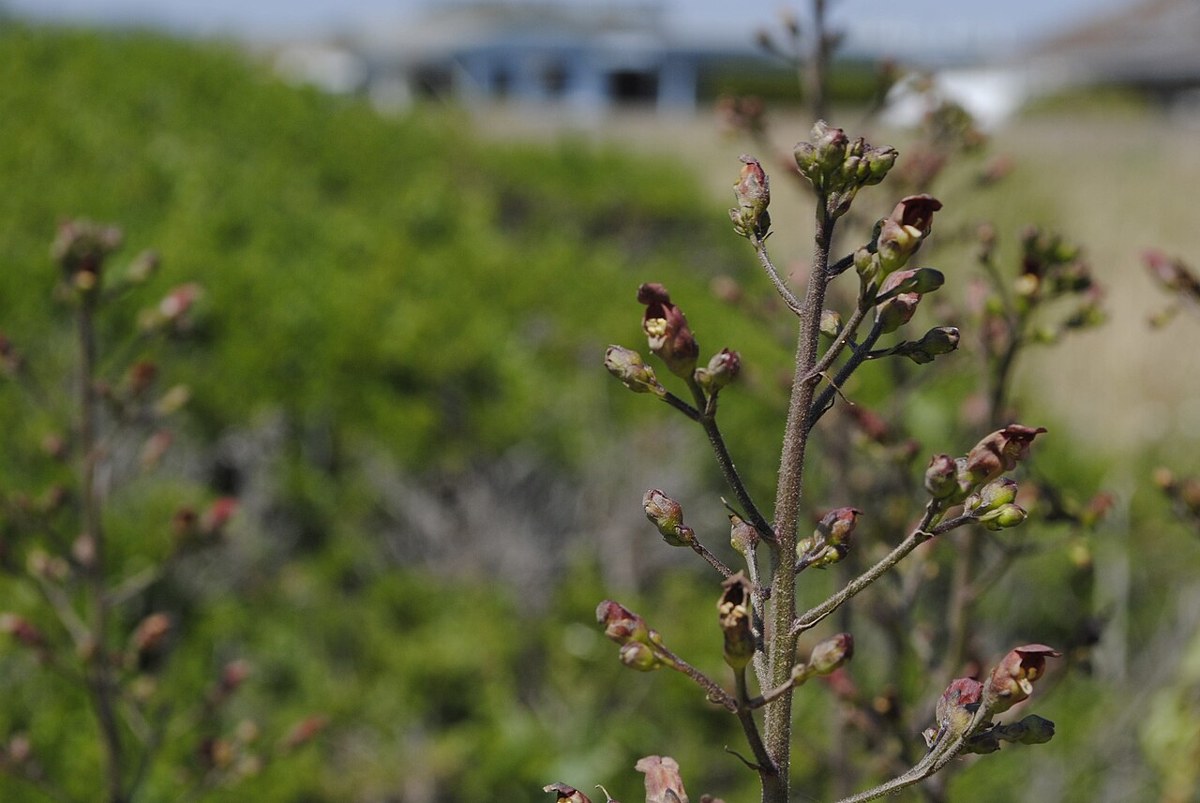
Scrophularia californica, known as California bee plant or California figwort, is a tall, leafy perennial wildflower whose small, odd, maroon-red flowers belie an outsized importance to pollinators. A member of the figwort family (Scrophulariaceae), it forms upright clumps of square-ish stems and large, coarsely toothed leaves topped from mid-spring into summer by loose, branching spikes of small hooded flowers that produce nectar in genuinely prolific quantities — hence the common name.
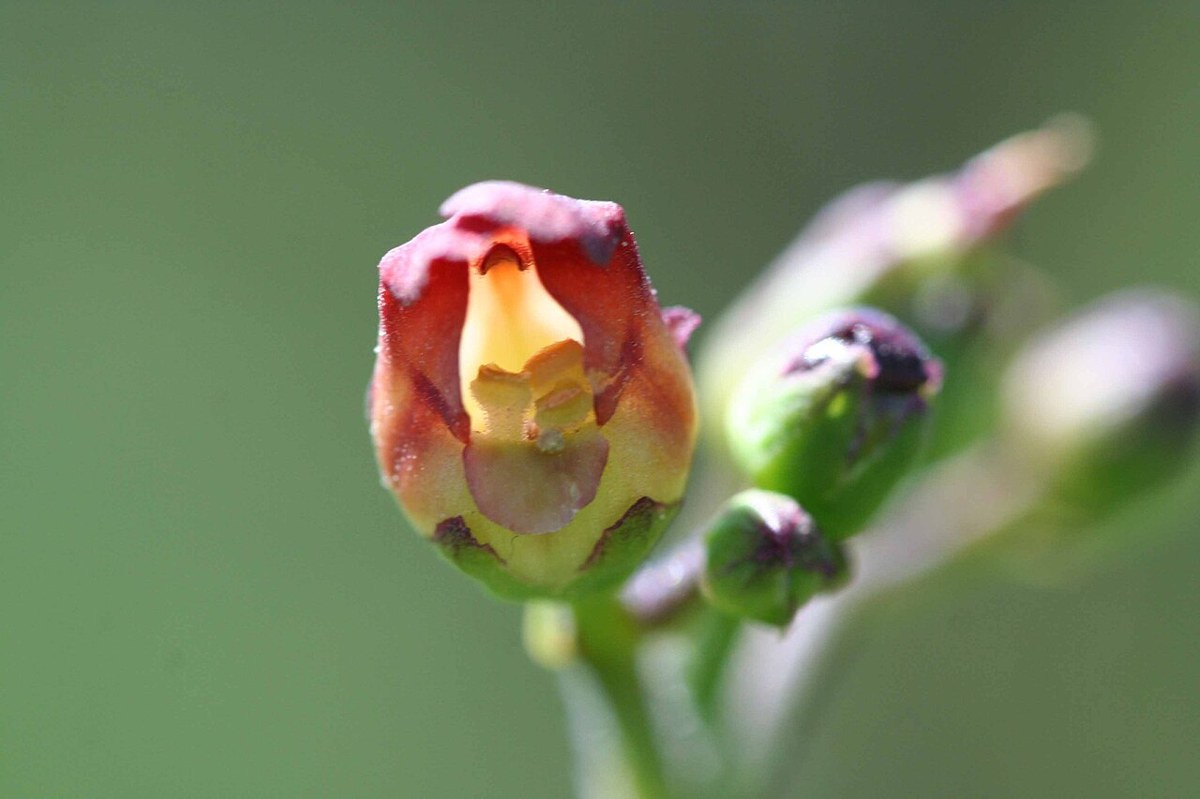
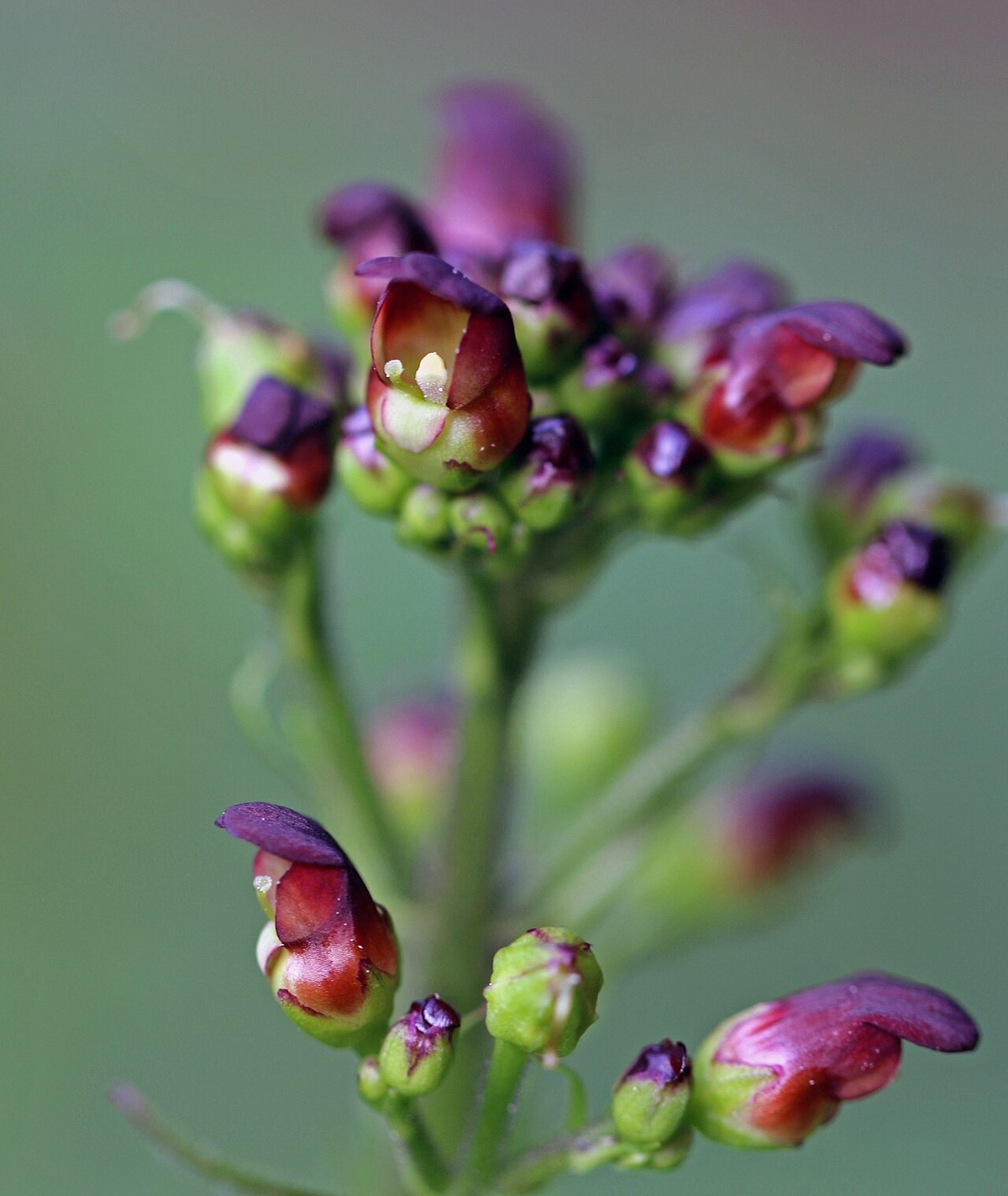
Despite its unshowy, almost reptilian-looking individual flowers — each a small, gaping, maroon-and-yellow hood on a slender stalk — California bee plant is one of the most reliable nectar sources in the native gardens and wild plant communities of the West Coast. It draws a remarkable range of visitors, from native bees and wasps to hummingbirds, and serves as a larval host plant for two widespread native butterflies, making it a genuine pollinator workhorse disguised as an unassuming roadside weed.
In the garden, California bee plant is best suited to a partly shaded spot with reliably moist soil — a streamside bed, a woodland edge, or the damp side of a building — where it will form a substantial, long-lived clump and flower reliably for months, asking little in return beyond consistent moisture.
Identification
California bee plant grows as an upright, clump-forming perennial 3 to 6 feet tall and equally wide at maturity, with somewhat square, ridged stems that can become slightly woody at the base in older plants.
Stems & Leaves
Stems are four-angled and largely hairless to finely hairy, often tinged purplish-red, especially on new growth, which matures to deep green. Leaves are opposite, broadly triangular to heart-shaped at the base, coarsely toothed along the margins, and can reach up to 7 inches long on vigorous plants, giving the foliage a somewhat coarse, substantial texture distinct from most other California perennials.
Flowers
Flowers are small, roughly half an inch long, and borne in loose, branching, open spikes (panicles) well above the foliage. Each flower is an odd, globe-to-hood-shaped tube in dull maroon-red, often with a paler, greenish-yellow lower lip, giving the blossom a faintly reptilian or masked appearance up close. Though individually modest, the flowers are produced in long, reliable succession from mid-spring through mid-summer and are extraordinarily rich in nectar.
Fruit & Seeds
The fruit is a small, rounded, two-chambered capsule that dries on the stalk after flowering, often left standing as an attractive seed head valued in dried arrangements.
Quick Facts
| Scientific Name | Scrophularia californica |
| Family | Scrophulariaceae (Figwort) |
| Plant Type | Herbaceous Perennial Wildflower |
| Mature Height | 3–6 ft (90–180 cm) |
| Mature Spread | 3–6 ft (90–180 cm) |
| Growth Rate | Fast |
| Sun Exposure | Full Sun (cool coastal) to Light Shade |
| Water Needs | Moderate |
| Soil Type | Moist, humus-rich; tolerates a range of textures |
| Drought Tolerance | Fair (best with regular moisture) |
| Bloom Time | April – August |
| Flower Color | Maroon-red with pale yellow-green lip |
| Fruit | Small rounded two-chambered capsule |
| Deer Resistant | Yes |
| USDA Hardiness Zones | 7–10 |
Native Range
California bee plant is native along the Pacific coast and adjacent mountains from western Washington south through western Oregon and the length of California, with a separate, disjunct native presence in the mountains of central Arizona. It is primarily a species of the mild, coastal and near-coastal West, though the Arizona populations show its tolerance for a broader range of climates where adequate moisture is available.
Within this range it grows in open coastal scrub, woodland edges, streambanks, and other naturally moist or semi-moist sites, often forming sizable colonies where conditions suit it. It takes readily to disturbed ground as well, appearing along roadsides, trail edges, and other open, periodically moist sites, which has helped it remain common and widespread rather than declining.
The species is not considered rare or of conservation concern anywhere in its range and is one of the more reliably available native perennials at West Coast nurseries specializing in pollinator plants.
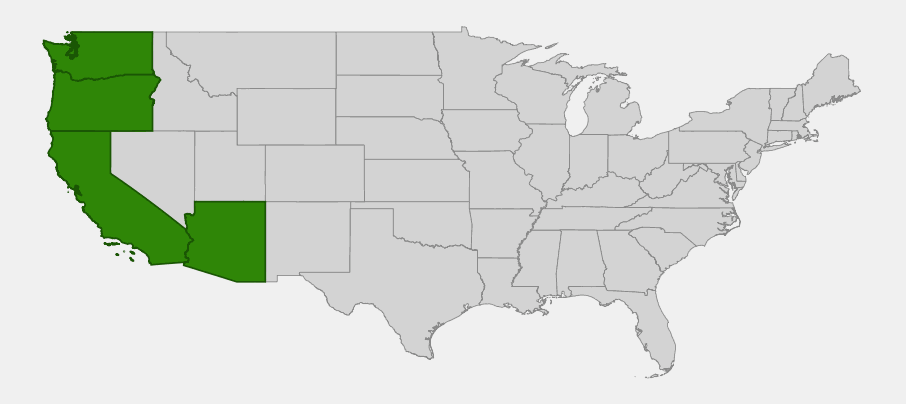
📋 Regional plant lists featuring California Bee Plant: California & Nevada · Western Oregon & Western Washington · Arizona & New Mexico
Growing & Care Guide
California bee plant is an easy, fast-growing perennial for gardeners who can offer it consistent moisture — it rewards that one requirement with months of pollinator activity and a substantial, attractive clump of foliage.
Light
In cool coastal climates, full sun produces the strongest growth and bloom. Further inland or in hotter gardens, light to partial shade — such as a woodland edge or the north side of a structure — helps prevent the foliage from wilting in summer heat.
Soil & Water
California bee plant prefers moist, humus-rich soil and performs best with regular water, particularly through the summer bloom season; it is noticeably less drought tolerant than many California natives and will decline in prolonged dry soil. It adapts to a range of soil textures as long as moisture is adequate, making it a good choice for the damper parts of a native garden, such as near a downspout, pond edge, or seasonal swale.
Planting Tips
Plant from containers in fall or early spring, spacing plants 3 to 4 feet apart to allow for its substantial mature size. Choose a site with reliable moisture, such as a streambank, rain garden, or partially shaded bed, rather than a dry slope. It establishes quickly and can bloom within its first year.
Pruning & Maintenance
Cut stems back close to the ground in late fall or winter after seed heads have been enjoyed or harvested for dried arrangements; the plant resprouts vigorously from the base each spring. Deadheading isn’t necessary for continued bloom, since the plant flowers over a long season regardless.
Landscape Uses
California bee plant fits naturally into several garden settings built around moisture and pollinators:
- Pollinator gardens focused on native bees, hummingbirds, and butterflies
- Rain gardens and streamside plantings where consistent moisture is available
- Woodland edge gardens with filtered light and rich soil
- Butterfly gardens, as a larval host for the Chalcedon Checkerspot and Common Buckeye
- Cut and dried flower gardens, for its attractive seed stalks
Wildlife & Ecological Value
True to its common name, California bee plant is one of the most valuable nectar sources in its native range, supporting an unusually broad guild of pollinators across a long bloom season.
For Pollinators
The flowers are an outstanding, prolific nectar source visited by native bees, honeybees, small wasps, syrphid flies (hoverflies), butterflies, and hummingbirds alike. Because it blooms over several months, it helps bridge nectar gaps between the flush of spring wildflowers and the bloom of summer natives, making it a particularly valuable addition to a pollinator garden’s seasonal coverage.
For Butterflies
California bee plant serves as a larval host plant for both the Chalcedon Checkerspot and the Common Buckeye butterfly, meaning it supports these species not just as adults seeking nectar but through their full life cycle.
For Birds
Hummingbirds are frequent visitors to the nectar-rich flowers, and the dense clumps of foliage offer some cover for small birds foraging among the insects the plant attracts.
Ecosystem Role
As a fast-growing, long-blooming perennial of streambanks and disturbed moist ground, California bee plant helps stabilize soil in riparian and coastal scrub settings while anchoring the local nectar supply for a wide range of pollinator and butterfly species throughout the growing season.
Cultural & Historical Uses
California bee plant has limited documented history of Indigenous food or medicinal use compared to some better-known California natives; its chief significance, both historically and today, is ecological rather than utilitarian. Early California botanists documented it among the common coastal scrub and woodland-edge flora of the state, and the common name “bee plant” reflects a long-observed, straightforward relationship between the plant and its insect visitors rather than any specific cultural tradition.
In recent decades, the species has become a staple of California and Pacific Northwest native plant nurseries specializing in pollinator-friendly gardening, valued specifically for the breadth of pollinators it supports and its usefulness in habitat restoration along streams and coastal scrub where fast establishment and strong wildlife value are wanted.
Frequently Asked Questions
Why are the flowers such an odd color and shape?
The small, hooded, maroon-and-yellow flowers are adapted to specialized pollinators rather than general visual appeal — the shape and color combination, along with abundant nectar, are particularly effective at attracting bees, wasps, and hummingbirds, even though the flowers are not conventionally showy to human eyes.
Does California bee plant need full sun?
Not necessarily. In hot inland gardens it often performs better with some afternoon shade, while in cool coastal climates full sun is fine and even preferred for strongest bloom.
Is California bee plant drought tolerant like other California natives?
Less so than many. It is adapted to naturally moist sites like streambanks and coastal scrub, and while established plants can handle brief dry spells, it performs best and blooms longest with consistent moisture rather than being left to go fully dry over summer.
Will California bee plant attract bees too aggressively near a patio?
The flowers attract a wide range of pollinators, but native bees and wasps visiting for nectar are generally not aggressive toward people. Most gardeners find the increased pollinator and hummingbird activity a benefit rather than a nuisance.
How is California bee plant different from other figworts?
Several other Scrophularia species occur in North America, including the more eastern Scrophularia marilandica. Scrophularia californica is distinguished by its western coastal and Arizona mountain range, broad toothed leaves, and maroon-red flowers with a pale lower lip.

Looking for a nursery that carries California Bee Plant?
Browse our native plant nursery directory: California · Oregon · Washington · Arizona