Desert Sand Verbena (Abronia villosa)
Abronia villosa, commonly called desert sand verbena, is the plant most responsible for the famous pink carpets that spread across Southern California, southern Nevada, and Arizona desert floors during a good wildflower year. A low, sprawling annual in the four o’clock family (Nyctaginaceae), it spends most of the year as dormant seed buried in loose desert sand, waiting for the right combination of soaking winter rain and warming spring temperatures to germinate, bloom, and set seed again within a few short months.
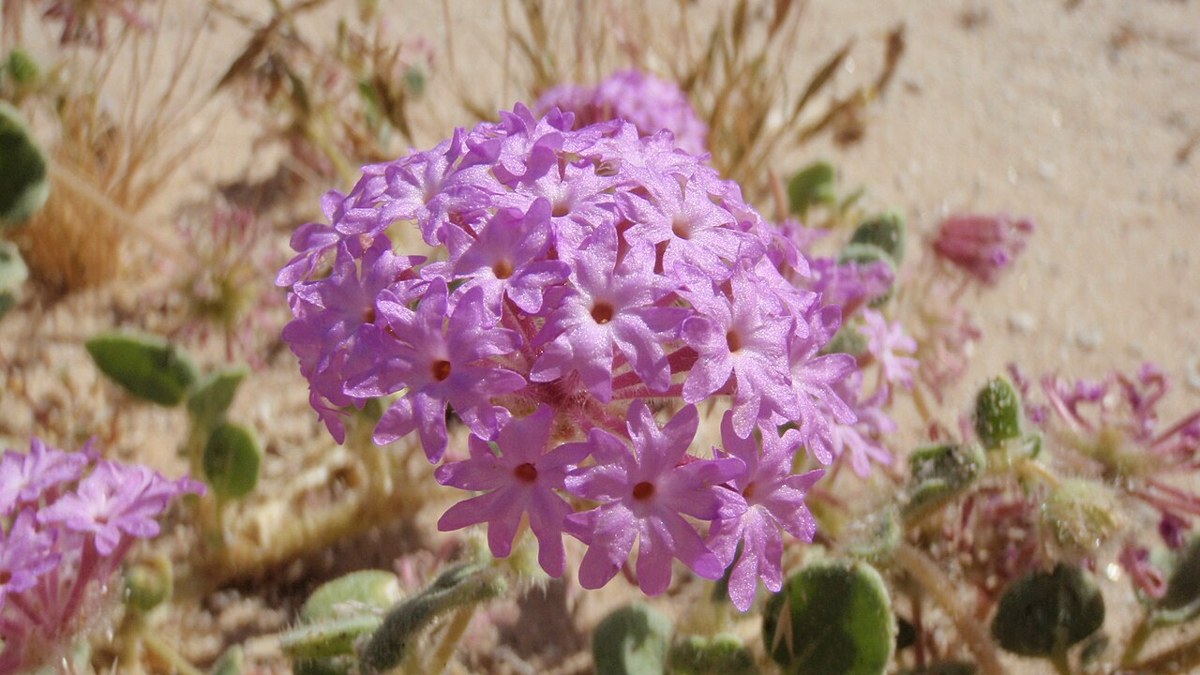
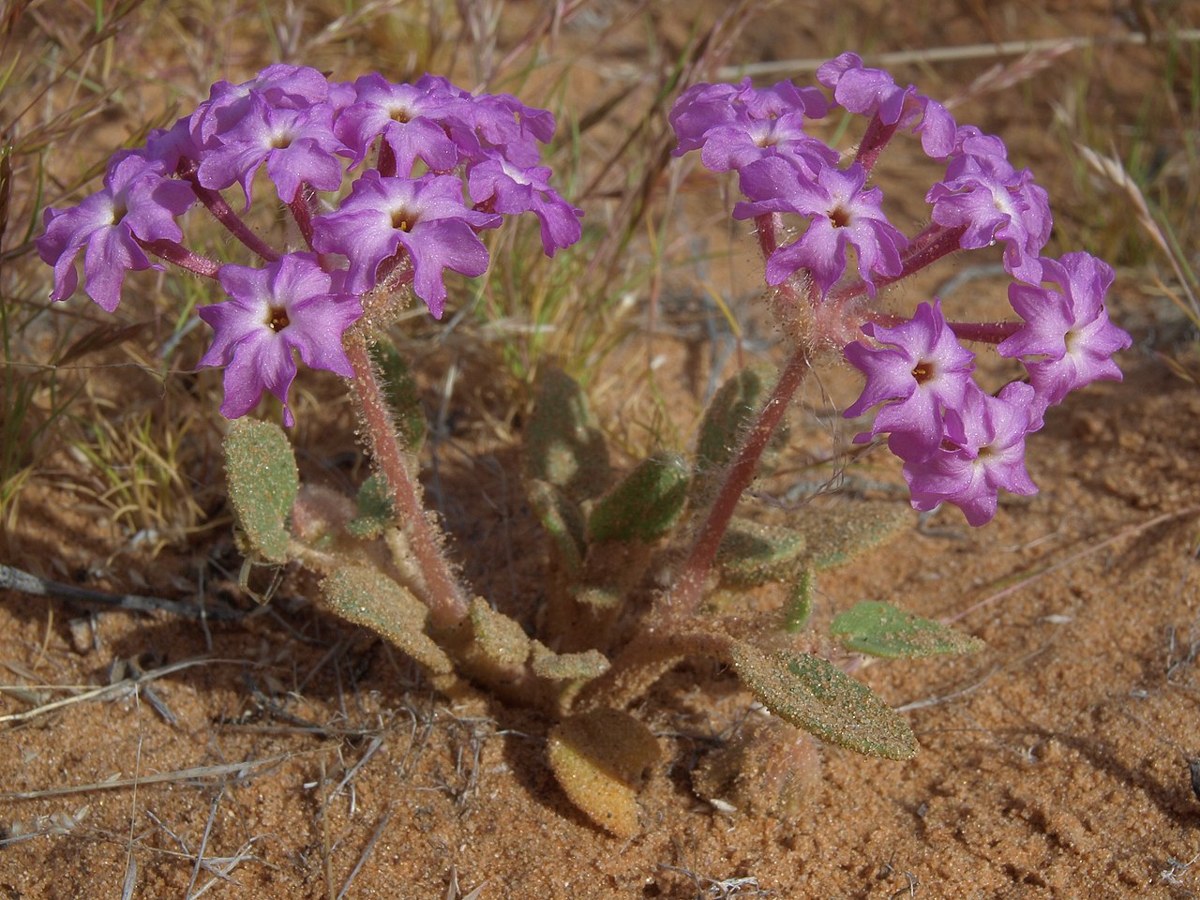
Every part of the plant above ground is covered in fine, gland-tipped hairs that make the stems and oval, fleshy leaves feel slightly sticky and often sand-crusted, since grains cling to the glandular hairs as the plant grows. From this low mat of foliage rise short, leafless stalks topped with tight, rounded clusters of trumpet-shaped flowers in vivid magenta-pink, each with a pale throat and a sweet, heavy fragrance that becomes noticeable at dusk, when the flowers open fully for their night-flying pollinators.
In the garden, desert sand verbena is grown as a reseeding annual ground cover for the hottest, sandiest, most neglected corner of a low-desert landscape. It asks for nothing but sun and loose soil, needs no supplemental water once established from winter rain or an early-season planting, and will return on its own in years with adequate rainfall — exactly as it does on the desert floor.
Identification
Desert sand verbena grows as a low, many-branched mat 3 to 6 inches tall and up to 20 inches or more across, spreading outward from a central rosette rather than growing upright. The whole plant has a sprawling, ground-hugging form suited to open, wind-scoured desert flats.
Stems & Leaves
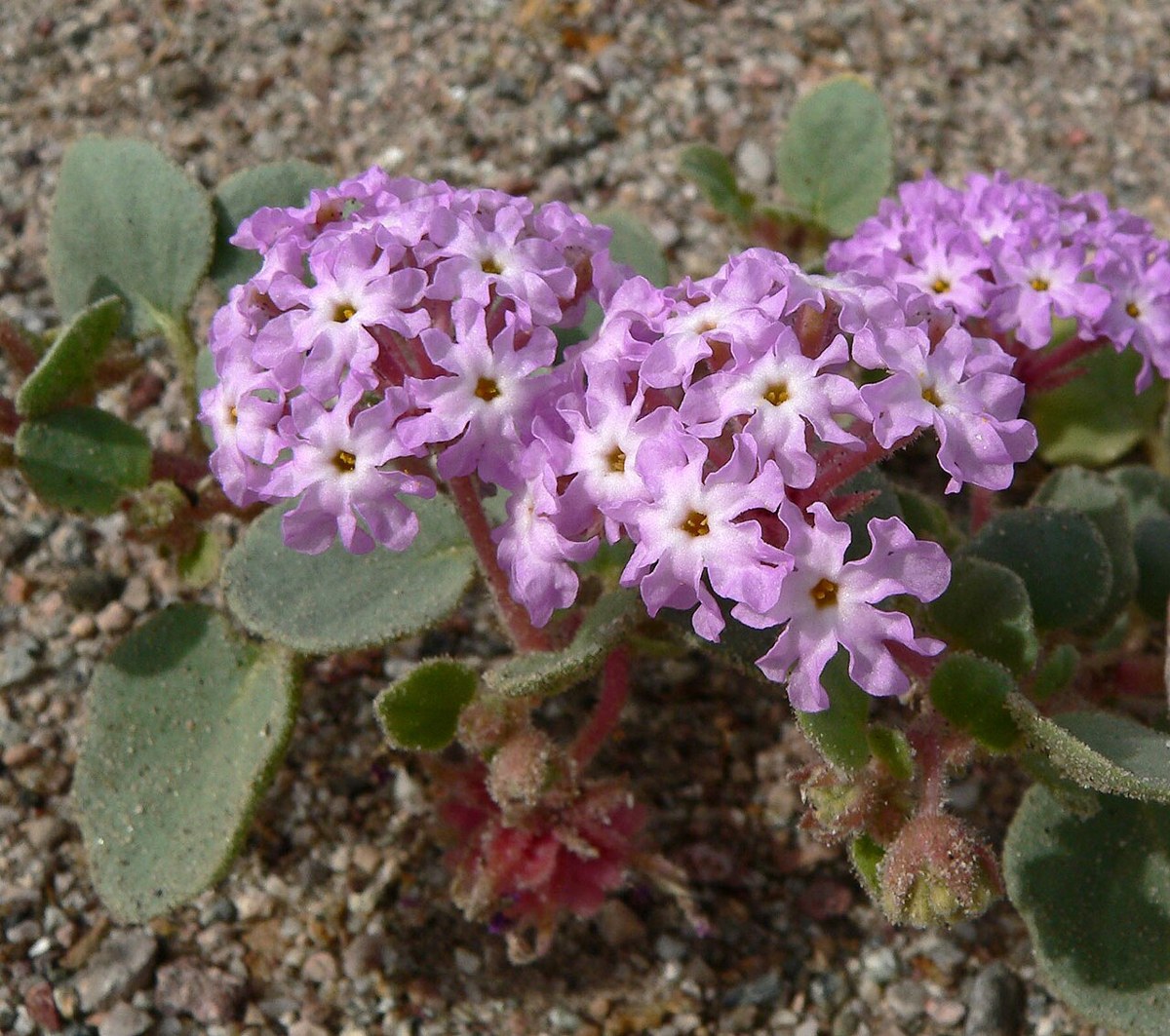
Stems are prostrate to ascending, reddish, and covered in short, sticky, gland-tipped hairs, as are the leaves. Leaves are opposite, oval to kidney-shaped, fleshy, about an inch long, with wavy to shallowly toothed margins and the same fine sticky hairs that give the whole plant a slightly gritty, sand-dusted look in the field.
Flowers
Flowers are small, tubular, and trumpet-shaped, packed into dense, rounded, head-like clusters held just above the foliage on short stalks rising from the leaf axils. Each flower has five shallowly notched lobes in vivid rose-pink to magenta, often with a pale throat, and a sweet fragrance that intensifies in the evening. A single plant in full bloom can carry dozens of these clustered heads, and in a wet year, acres of plants bloom in unison to produce the pink-carpeted desert famous in wildflower photography.
Fruit & Seeds
The fruit is a small, dry, winged or ribbed structure (an anthocarp) that encloses a single seed and aids wind dispersal across open sand. Seeds can remain dormant in the soil seed bank for years, germinating only after rains heavy enough to trigger a true desert bloom — part of why some years produce spectacular floral displays and others produce almost none.
Quick Facts
| Scientific Name | Abronia villosa |
| Family | Nyctaginaceae (Four O’Clock) |
| Plant Type | Annual Wildflower / Ground Cover |
| Mature Height | 3–6 in (8–15 cm) |
| Mature Spread | Up to 20 in (50 cm) |
| Growth Rate | Fast (completes life cycle in weeks to months) |
| Sun Exposure | Full Sun |
| Water Needs | Low |
| Soil Type | Loose desert sand; sharply drained |
| Drought Tolerance | Excellent |
| Bloom Time | February – June, after winter rain |
| Flower Color | Magenta-pink with pale throat |
| Fruit | Small winged anthocarp, wind-dispersed |
| Deer Resistant | Yes (sticky, gritty foliage) |
| USDA Hardiness Zones | 8–11 (grown as a winter annual) |
Native Range
Desert sand verbena is native to the low, hot deserts of the American Southwest: southeastern California (including the Colorado and Mojave Deserts), southern Nevada, and much of Arizona, extending south into adjacent Sonora and Baja California, Mexico. It is strictly a plant of open desert sand and does not extend into the cooler, higher deserts of the Great Basin.
Within this range it grows on loose, sandy or gravelly flats, dunes, washes, and road margins — the driest, most open ground the low desert has to offer. It is especially abundant on the dune fields and sandy washes of the Colorado Desert in California, where, following a wet winter, it can carpet many square miles in pink alongside dune evening primrose and other desert annuals.
As a true desert annual, its presence in any given year depends entirely on rainfall. In drought years the seed bank simply waits underground; after a wet winter, dormant seeds germinate en masse, producing the dramatic blooms the species is known for. It is common and not of conservation concern across its range.
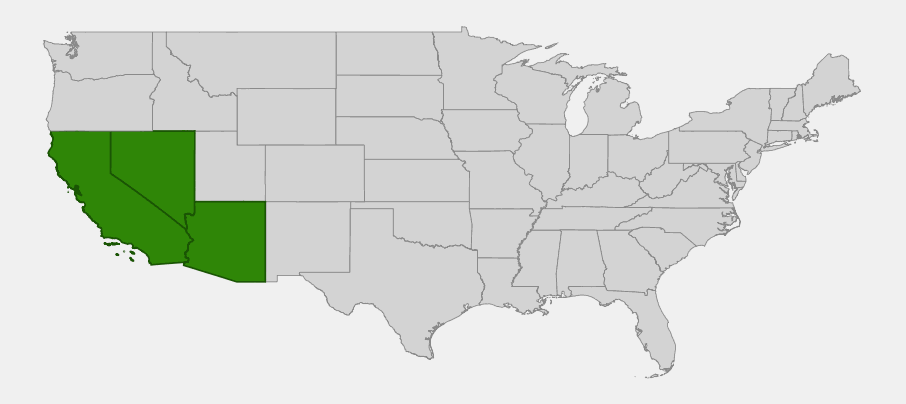
📋 Regional plant lists featuring Desert Sand Verbena: California & Nevada · Arizona & New Mexico
Growing & Care Guide
Desert sand verbena is one of the easiest low-desert annuals to grow, provided you can offer it the loose, well-drained sand and full sun it expects — and resist the urge to baby it with rich soil or frequent watering.
Light
Full sun is required. This is a plant of open, unshaded desert ground and performs poorly with any significant shading from nearby structures or taller plants.
Soil & Water
Loose, sandy, fast-draining soil is essential; heavy clay or regularly irrigated garden beds tend to rot the roots or produce weak, floppy growth. In the ground, established plants need no irrigation beyond what winter rainfall provides in low-desert climates. Where rainfall is unreliable, an occasional deep watering after germination can help seedlings establish, but avoid routine watering through the bloom period.
Planting Tips
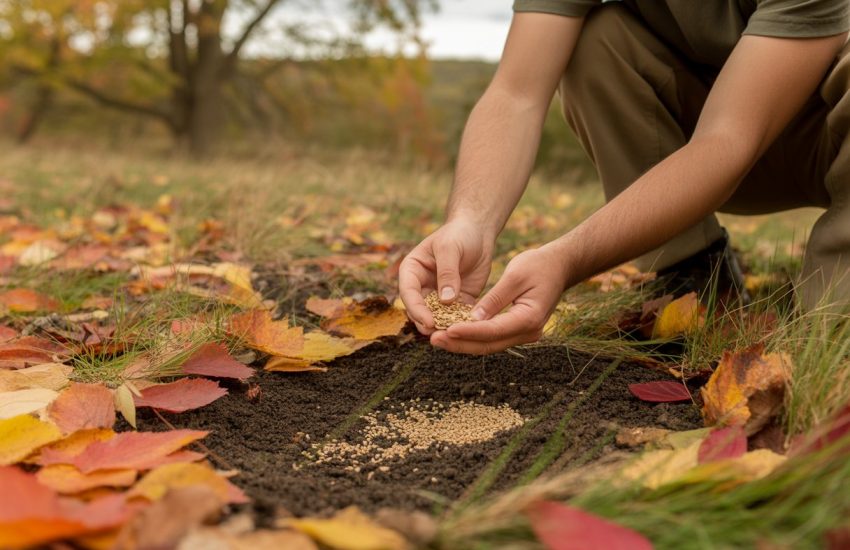
Sow seed directly in fall, ahead of expected winter rains, pressing seed lightly into loose sand rather than burying it deep. Germination and bloom follow the same rain-triggered rhythm seen in the wild, so timing plantings to coincide with the local rainy season gives the most reliable results. Once established in a suitable sandy spot, desert sand verbena will self-sow in years with adequate rain and may skip visible growth in drought years, re-emerging from the seed bank when conditions improve.
Pruning & Maintenance
None needed. As an annual, the plant completes its life cycle and dies back on its own after setting seed; simply leave spent plants in place to drop seed for the following season rather than removing them promptly.
Landscape Uses
Desert sand verbena suits a narrow but valuable set of low-desert plantings:
- Reseeding ground cover for sandy, sun-baked areas where little else will grow
- Desert wildflower meadows mixed with dune evening primrose and desert dandelion
- Dune and wash restoration on disturbed sandy sites
- Fragrance gardens near patios or walkways where evening scent can be enjoyed
- Container or raised sand beds in gardens without naturally sandy soil
Wildlife & Ecological Value
Desert sand verbena is a cornerstone food and nectar source during the brief window of a desert wildflower bloom, when few other resources are available.
For Pollinators
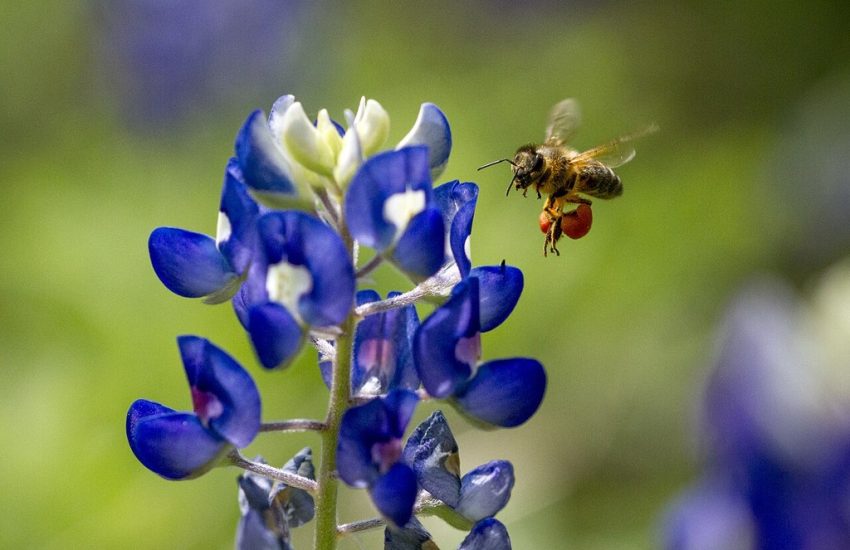
The long, narrow floral tubes and strong evening fragrance are adapted to long-tongued moths, including the white-lined sphinx moth and several smaller moth species that specialize on sand-verbenas, along with butterflies such as painted ladies and checkered-skippers that visit by day. In a mass-bloom year, the dense pink carpets become an important nectar resource for pollinators across the desert floor.
For Insects & Small Wildlife
Beyond its pollinators, the foliage and seeds support a range of desert insects, and the seed crop that follows a bloom feeds seed-eating rodents and birds through the dry months that follow. Dense patches of foliage also offer brief ground cover for small animals in otherwise open terrain.
Ecosystem Role
As a dominant member of the desert annual “ephemeral” flora, desert sand verbena is central to boom-and-bust desert food webs: its seed bank allows rapid, large-scale blooms after rain that briefly support an outsized number of pollinators, seed predators, and the animals that eat them, before the plants senesce and the cycle resets with the next rain.
Cultural & Historical Uses
Desert sand verbena has long been noted by travelers and naturalists in the Southwest for the spectacular, sweetly scented carpets it forms after a wet winter, and it remains one of the most photographed wildflowers of the Anza-Borrego, Joshua Tree, and Sonoran Desert regions during strong bloom years, drawing visitors specifically to see the display.
The species was described by American botanist Sereno Watson in the 19th century, part of the broader scientific documentation of the Southwest’s desert flora that followed the region’s exploration and settlement by Euro-Americans. Among Indigenous peoples of the region, close relatives in the genus Abronia have historical food uses in some traditions, though detailed, well-documented ethnobotanical records specific to Abronia villosa are limited.
Today its main cultural value is horticultural and recreational — as a reliable, low-maintenance native for xeriscaping in the low desert, and as one of the signature species that defines a “superbloom” year in Southern California and Arizona media coverage.
Frequently Asked Questions
Why didn’t my desert sand verbena come back this year?
As a true desert annual, this species depends on adequate winter rainfall to trigger germination. In a dry year, seed remains dormant in the soil rather than sprouting, which is normal — it is not dead, just waiting for the next sufficiently wet winter.
Is desert sand verbena the same as the sand verbena grown on the California coast?
No. Coastal gardens more often grow beach sand verbena (Abronia umbellata) or yellow sand verbena (Abronia latifolia), both adapted to cool, salty beach dunes. Desert sand verbena is adapted to hot, dry inland deserts and will not thrive in a cool coastal climate.
Does desert sand verbena need rich soil to grow well?
No — quite the opposite. It is adapted to lean, fast-draining desert sand and tends to grow weak and floppy, or fail outright, in rich, regularly watered garden soil. Loose sand and minimal irrigation produce the best, most compact plants.
What makes the leaves feel sticky?
The foliage is covered in fine, gland-tipped hairs that secrete a slightly sticky substance, which often picks up sand grains as the plant grows — a useful field identification clue and likely a defense against small herbivores and excess water loss.
Can I grow desert sand verbena outside the low desert?
It can be grown as a seasonal annual in other hot, dry, sunny climates with sandy soil, but it performs best, and self-sows most reliably, within or close to its native low-desert range, where rainfall timing matches its natural germination cues.

Looking for a nursery that carries Desert Sand Verbena?
Browse our native plant nursery directory: California · Nevada · Arizona