Showy Phlox (Phlox speciosa)
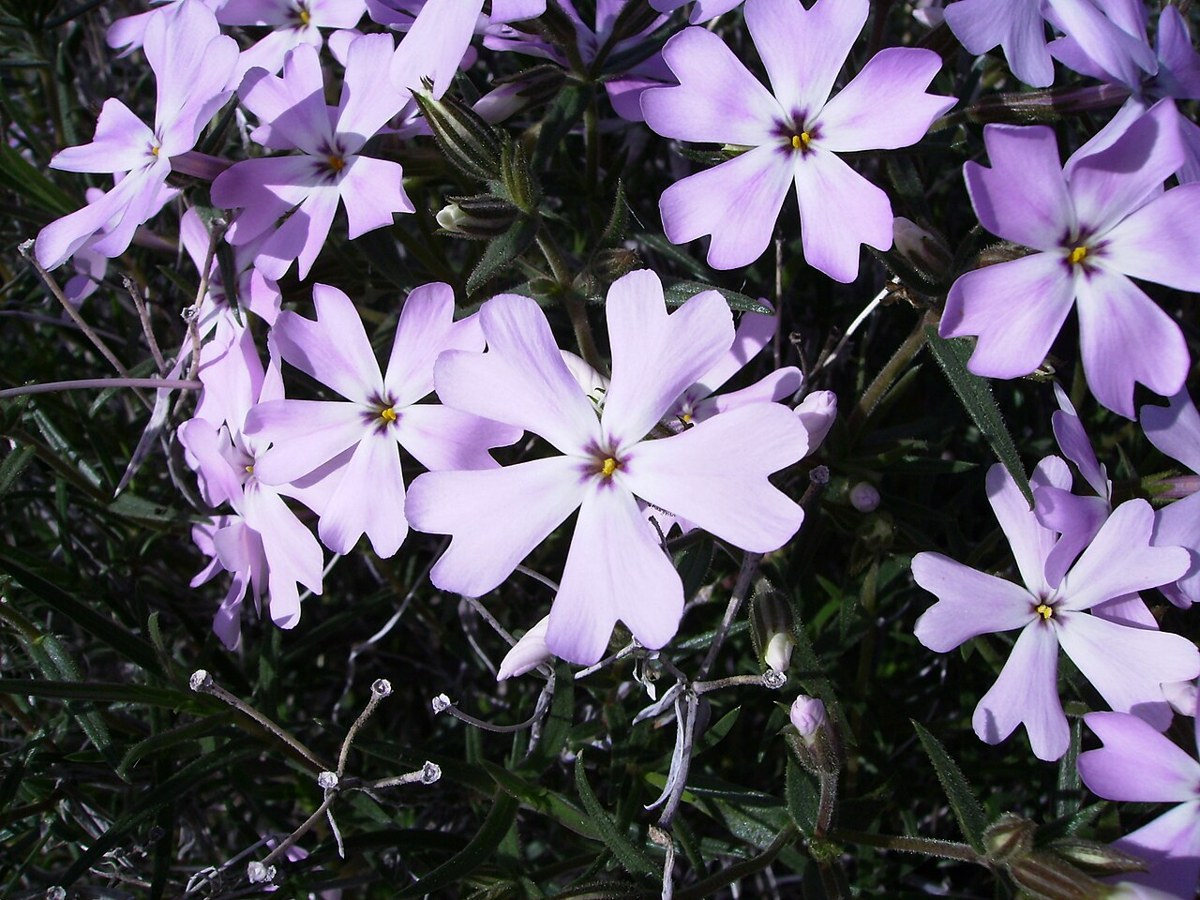
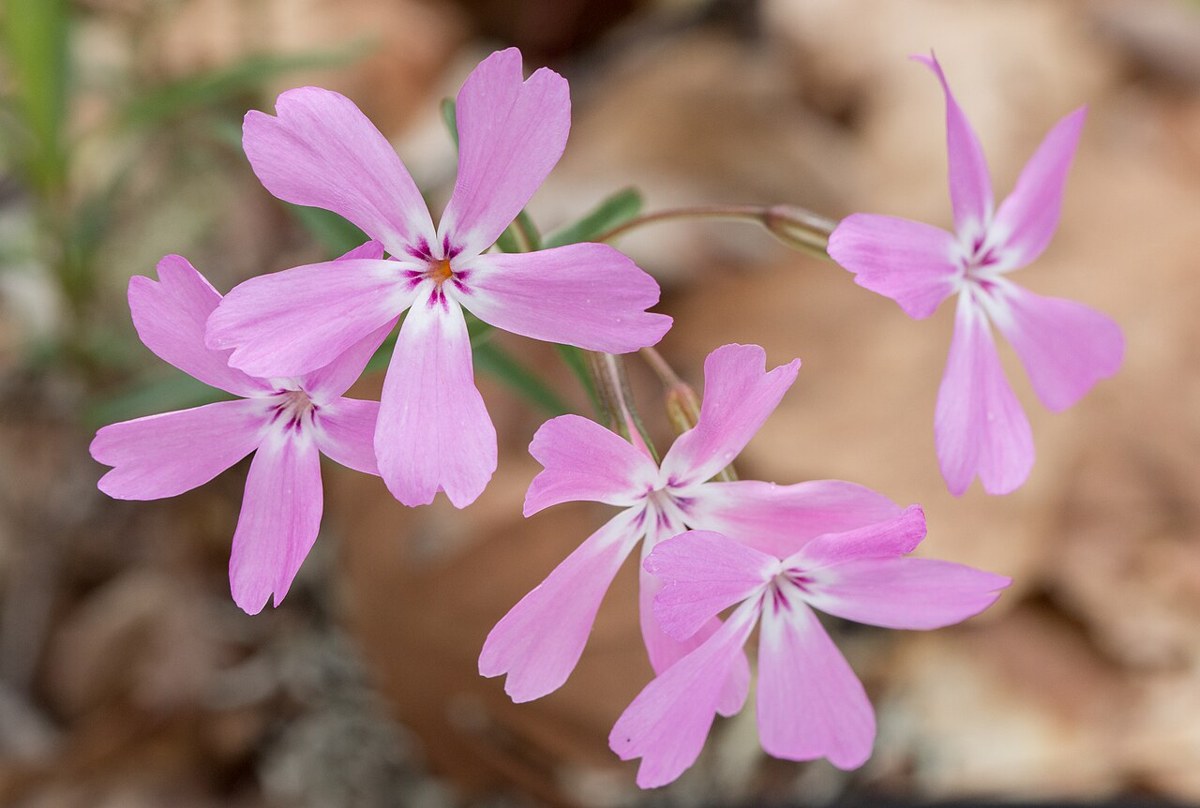
Phlox speciosa, commonly called showy phlox, is a low, bushy perennial wildflower of the interior Northwest and California, named for the sheer abundance of bloom it produces each spring. A member of the phlox family (Polemoniaceae), it forms rounded mounds of narrow, needle-like foliage that all but disappear beneath a flush of pale lavender-pink to rose flowers — each petal distinctively notched at the tip, giving the blossoms a soft, pinwheel-like look found in few other native wildflowers.
Showy phlox is a true dryland native, at home on sun-baked, rocky slopes, open ponderosa pine woodlands, and sagebrush steppe from the eastern Cascades and Columbia Basin south through the mountains of California. Unlike the taller garden phloxes of eastern gardens, it stays low and woody at the base, forming a durable, semi-shrubby mound that persists for years once established in well-drained soil.
In the garden, showy phlox earns a place in rock gardens, dry slopes, and native wildflower plantings wherever good drainage can be guaranteed. Its spring flush of color, pleasant light fragrance, and long-lived, low-maintenance habit make it one of the more rewarding native perennials for dry, sunny sites west of the Rockies.
Identification
Showy phlox grows as a low, spreading, somewhat woody-based perennial 6 to 20 inches tall, forming loose mounds or mats of slender stems that can sprawl further when supported by surrounding shrubs.
Stems & Leaves
Stems are slender, often woody near the base, and covered in fine hairs. Leaves are opposite, narrow and linear to lance-shaped, up to 2 inches long, with a somewhat stiff, needle-like texture that persists through the growing season and helps the plant conserve moisture on dry sites.
Flowers
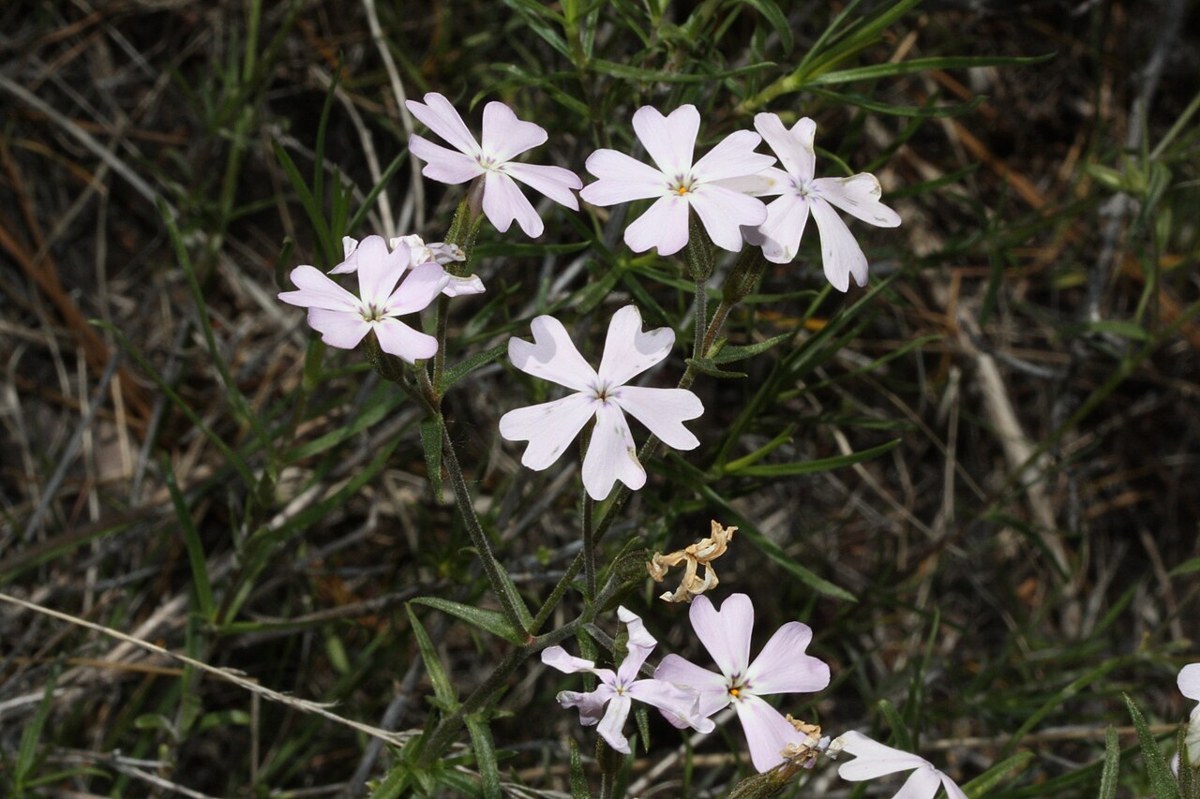
Flowers are borne in loose clusters at the stem tips, each with a slender tube flaring into five broad, notably notched petal lobes — the cleft tip of each petal is one of the best field marks separating showy phlox from similar phlox species. Color ranges from pale lavender-pink to rose-purple, usually with a darker eye at the throat, and the blossoms carry a light, sweet fragrance. Bloom is heavy and showy, typically smothering the foliage from April into June depending on elevation.
Fruit & Seeds
The fruit is a small, three-chambered capsule that splits open to release a few seeds once mature, typical of the phlox family.
Quick Facts
| Scientific Name | Phlox speciosa |
| Family | Polemoniaceae (Phlox) |
| Plant Type | Perennial Wildflower / Subshrub |
| Mature Height | 6–20 in (15–50 cm) |
| Mature Spread | 1–2 ft (30–60 cm) |
| Growth Rate | Slow to moderate |
| Sun Exposure | Full Sun to Light Shade |
| Water Needs | Low |
| Soil Type | Rocky, sandy or gravelly; sharply drained |
| Drought Tolerance | Excellent |
| Bloom Time | April – June |
| Flower Color | Pale lavender-pink to rose-purple |
| Fruit | Small three-chambered seed capsule |
| Deer Resistant | Yes (generally not preferred browse) |
| USDA Hardiness Zones | 5–9 |
Native Range
Showy phlox is native to the interior Pacific Northwest and California, ranging from the eastern Cascades of Washington and Oregon east into the Columbia Basin and the Idaho panhandle, with populations extending south through the Sierra Nevada foothills, Klamath-Siskiyou region, and scattered mountains of northern and central California, and across into western Nevada.
Within this range it favors dry, open habitats: sagebrush steppe, open ponderosa pine and oak woodlands, and rocky slopes or ridgetops with little competing vegetation, generally between about 1,500 and 8,000 feet elevation depending on latitude. It is a conspicuous early-season bloomer in many of these plant communities, often flowering before surrounding grasses have greened up.
Showy phlox is not considered rare or declining across its range, though like many dryland wildflowers it depends on intact, unplowed shrub-steppe and open woodland habitat, both of which have been reduced by agricultural conversion and development in parts of its range.
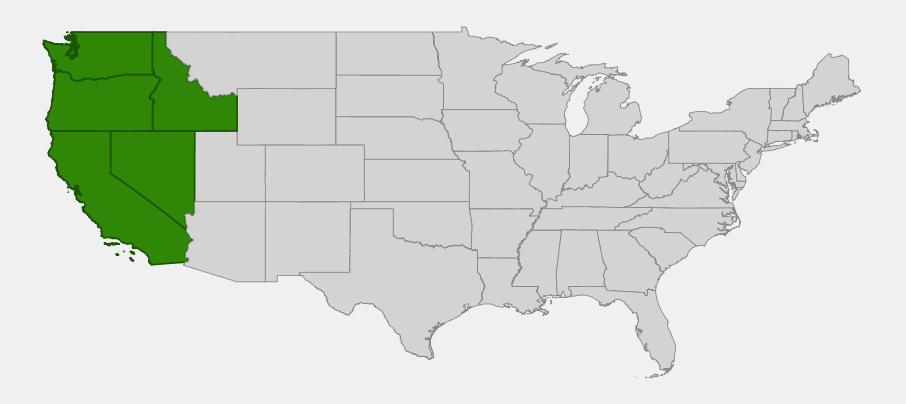
📋 Regional plant lists featuring Showy Phlox: Western Oregon & Western Washington · Idaho, Eastern Oregon & Eastern Washington · California & Nevada
Growing & Care Guide
Showy phlox is an easy, long-lived perennial for gardeners who can offer it the sharp drainage and full sun it needs — conditions that mimic the open, rocky slopes where it grows wild.
Light
Full sun produces the heaviest bloom, though plants tolerate light, high shade, particularly at lower, hotter elevations within its range, where some afternoon relief can be beneficial.
Soil & Water
Good drainage is essential — rocky, sandy, or gravelly soils that would be too lean for many garden perennials suit showy phlox well. It is markedly drought tolerant once established and generally needs no supplemental irrigation beyond typical seasonal rainfall in its native range; soggy, poorly drained soil, especially in winter, is the most common cause of failure.
Planting Tips
Plant in fall or early spring into well-amended, fast-draining soil, siting it on a slope or raised bed if your native soil holds moisture. Space plants 12 to 18 inches apart to allow the mounding habit to fill in. It transplants well from container stock and is slow to establish but long-lived once rooted in.
Pruning & Maintenance
Light shearing after bloom can tidy the mound and may encourage a modest rebloom, though it isn’t required. Avoid heavy pruning into old wood, since the woody base resprouts slowly. Established plants need little other care.
Landscape Uses
Showy phlox fits a range of dry, sunny garden settings:
- Rock gardens and raised beds with sharp drainage
- Dry slopes and berms where erosion control and color are both wanted
- Pine and oak woodland gardens with open canopy and lean soil
- Native wildflower meadows paired with balsamroot, lupine, and bunchgrasses
- Xeriscape borders needing reliable spring color with minimal water
Wildlife & Ecological Value
Showy phlox contributes nectar and early-season color to dryland plant communities at a time of year when few other wildflowers are in bloom.
For Pollinators
The tubular flowers are visited chiefly by butterflies and day-flying moths equipped to reach nectar at the base of the narrow floral tube, along with occasional bees and other insects. The plant also serves as a larval host for at least one native moth species, adding food-web value beyond its nectar.
For Birds & Other Wildlife
While not a major seed or fruit source, the dense, low mounds of foliage provide some ground-level cover for small insects and the birds that forage on them in open shrub-steppe and woodland habitats.
Ecosystem Role
As an early, abundant spring bloomer in sagebrush steppe and open pine woodland, showy phlox helps anchor the pollinator calendar in dryland plant communities, bridging the gap between the earliest spring ephemerals and the later bloom of summer wildflowers.
Cultural & Historical Uses
Showy phlox has no major documented history of food or medicinal use among Indigenous peoples of its range, unlike some of the showier-flowered plants it grows alongside; its significance has been primarily ornamental and ecological rather than utilitarian. Early botanical collectors in the Columbia Basin and California mountains noted its conspicuous spring displays, and it has long been a recognizable wildflower to hikers and naturalists across the interior Northwest.
The species name speciosa, Latin for “showy” or “beautiful,” reflects the same quality that gives the plant its common name — a straightforward nod to its abundant, eye-catching bloom rather than any particular cultural narrative.
In recent decades, showy phlox has gained a modest following in native plant horticulture, valued by gardeners in the interior Northwest and California for its drought tolerance, long lifespan, and reliable spring show in rock gardens and dry borders.
Frequently Asked Questions
How can I tell showy phlox from other native phlox species?
The deeply notched petal tips are the most reliable field mark — each of the five petal lobes has a distinct V-shaped cleft at the tip, a feature not shared by most other phlox species in the same range, which tend to have smoother or only shallowly notched petals.
Why isn’t my showy phlox blooming well?
Poor bloom is usually tied to too much shade, soil that stays wet, or overly rich soil encouraging leafy growth over flowers. Full sun and lean, sharply drained soil generally produce the heaviest flowering.
Is showy phlox the same as creeping phlox sold at garden centers?
No. Creeping phlox sold widely in nurseries is usually Phlox subulata, an eastern North American species used as a mat-forming ground cover. Showy phlox is a distinct western native with a more upright, mounding habit and a different native range.
Does showy phlox spread aggressively?
No — it forms a slowly expanding mound rather than running or self-seeding aggressively, making it a well-behaved choice for rock gardens and borders where spreading ground covers would be unwelcome.
How long does showy phlox live?
Given good drainage, established plants are long-lived perennials that can persist for many years, developing a increasingly woody base over time, similar to a small subshrub.

Looking for a nursery that carries Showy Phlox?
Browse our native plant nursery directory: Oregon · Washington · Idaho · Nevada · California