Cob Cactus (Coryphantha sulcata)
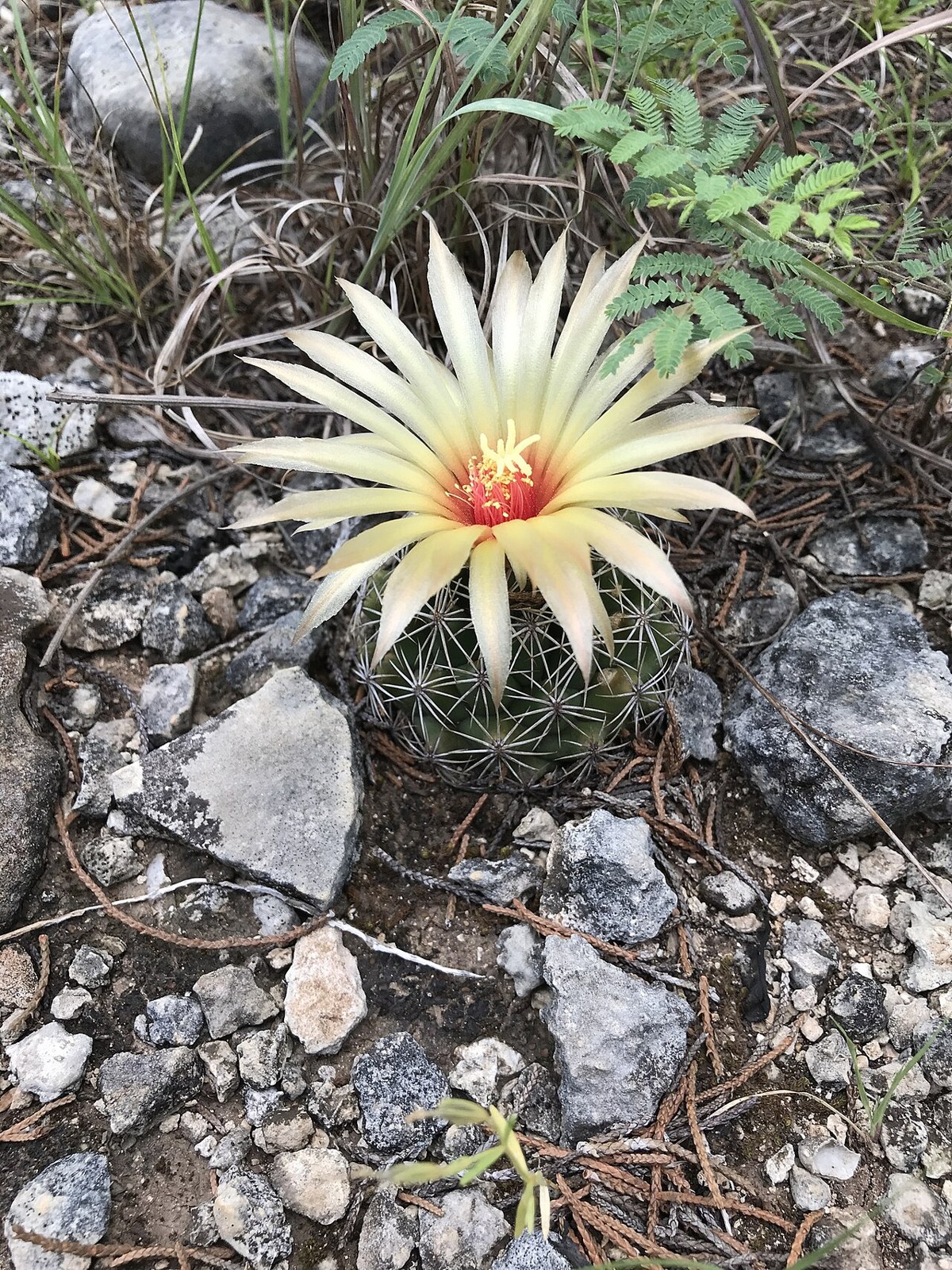
Coryphantha sulcata, known as Cob Cactus or Pineapple Cactus, is a low, clumping, ball-shaped cactus native to the limestone hills and rocky plains of central and south Texas. It belongs to the Cactaceae, and its common name comes from the distinctive arrangement of its tubercles — the fleshy, nipple-like projections that spiral around the stem in neat rows, giving a mature plant the segmented, textured look of a corn cob or pineapple. Unlike the flat-padded prickly pears most people picture when they think “Texas cactus,” Cob Cactus grows as small, rounded, solitary or clustering stems that stay mostly hidden among grasses and rocks until their large flowers open.
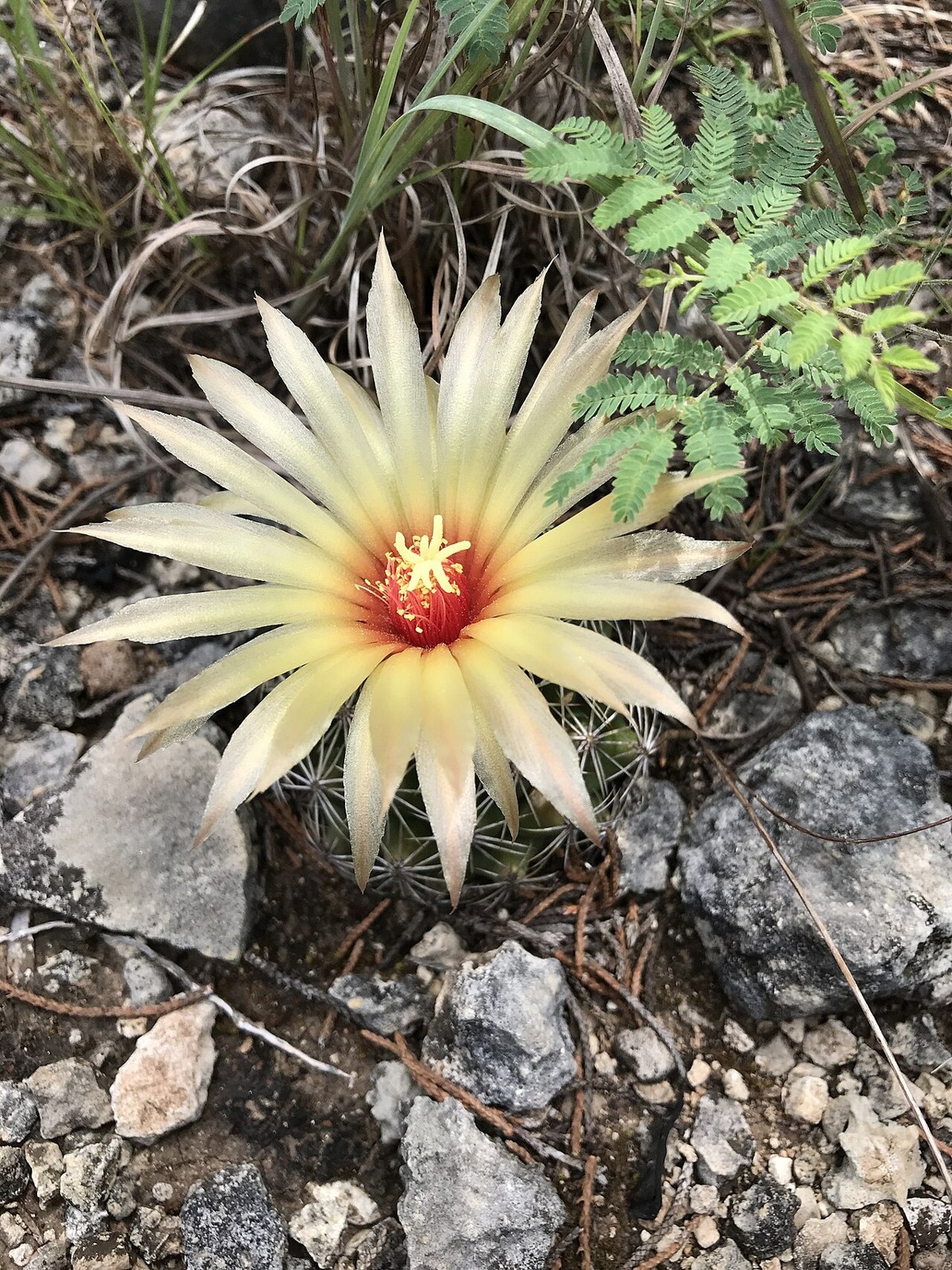
This is a true limestone specialist, almost always found on thin, rocky, calcareous soils across the Edwards Plateau, the Blackland Prairie fringe, and adjacent parts of central Texas. Individual stems are typically 2 to 4 inches tall and 3 to 5 inches in diameter, often forming small clumps of a few heads over time, though large colonies are uncommon. The plant’s low profile and dense covering of straw-colored to grayish spines make it easy to miss for most of the year — until early summer, when each head produces a strikingly large, satiny, pale yellow flower with a red or orange throat.
Cob Cactus is a rewarding choice for Texas rock gardens and xeriscapes, valued less for size or drama and more for its intricate structure and the brief but spectacular show of its flowers. Because it is slow-growing and site-specific, gardeners outside its native limestone range should not expect the same performance in acidic or heavy clay soils.
Identification
Cob Cactus forms small, rounded to short-cylindrical stems, usually solitary when young and slowly clustering into clumps of a few heads with age. Each stem is covered in spirally arranged tubercles rather than ribs, the feature that places it in the genus Coryphantha rather than in the ribbed barrel or hedgehog cacti.
Stems & Tubercles
Stems are globose to short-cylindrical, typically 2–4 inches tall and 3–5 inches wide, pale green beneath a dense covering of spines. The surface is divided into firm, conical tubercles about ½ to ¾ inch long arranged in tight spiraling rows, each tubercle grooved along its upper surface — the “sulcate” groove that gives the species its name. This tuberculate, segmented texture is the single best field mark distinguishing Cob Cactus from ribbed cacti of similar size.
Spines
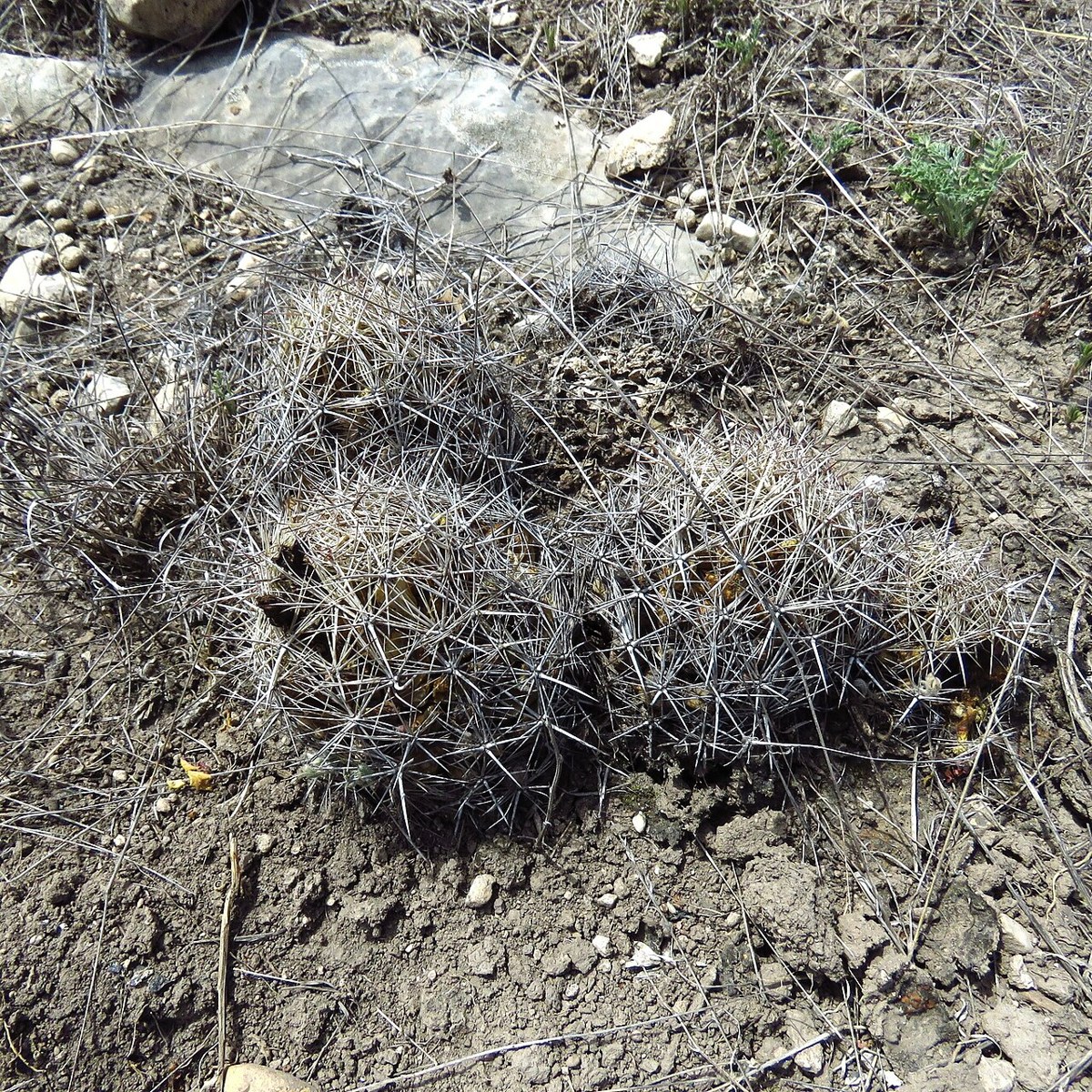
Each tubercle bears a cluster (areole) of 10–16 slender radial spines, grayish-white to straw-colored, spreading outward and partially obscuring the stem surface, plus 1–4 stouter central spines, often slightly darker and sometimes tipped reddish-brown. The spines are not as viciously hooked as many related cacti, though they are still sharp enough to require care in handling.
Flowers
Flowers emerge from the newest growth near the stem’s crown in late spring to early summer, each 2–3 inches across — large relative to the size of the plant. Petals are pale yellow to creamy, often with a satiny sheen, surrounding a red-orange throat and a cluster of yellow stamens. Flowers open only in full sun over several consecutive days, closing at night and on cloudy days.
Fruit & Seeds
Pollinated flowers develop into small, green to dull red, fleshy fruits that ripen later in summer, each containing numerous small brown seeds. The fruit is largely hidden among the spines and is not a significant ornamental feature compared with the flower.
Quick Facts
| Scientific Name | Coryphantha sulcata |
| Family | Cactaceae (Cactus) |
| Plant Type | Clumping Globose Cactus |
| Mature Height | 2–4 in |
| Mature Spread | 3–5 in per head, slowly clumping |
| Growth Rate | Slow |
| Sun Exposure | Full Sun |
| Water Needs | Low |
| Soil Type | Thin, rocky limestone or caliche; sharply drained |
| Soil pH | 7.0–8.3 (neutral to alkaline) |
| Bloom Time | May – July |
| Flower Color | Pale yellow with a red-orange throat |
| Fall Color | None (evergreen stems) |
| Fruit | Small green to dull red fleshy fruit, largely hidden by spines |
| Deer Resistant | Yes |
| USDA Hardiness Zones | 7–10 |
Native Range
Cob Cactus is native to central and south-central Texas, concentrated on the Edwards Plateau and the limestone hill country stretching from around the Dallas–Fort Worth area south through the Hill Country toward the Rio Grande Plains. It is a Texas endemic in the United States, not recorded as native in any other state, though related populations extend south into adjacent northeastern Mexico.
Throughout this range, Cob Cactus grows almost exclusively on thin, rocky limestone or caliche soils — open glades, rocky prairies, juniper-oak woodland edges, and limestone outcrops where competing vegetation is sparse. It is frequently found growing directly from cracks in exposed bedrock or among loose limestone gravel, often alongside other low-growing cacti, agaves, and drought-adapted grasses.
The species is not currently considered rare or at risk, but like many small cacti it can be locally vulnerable to habitat loss from quarrying, development, and overcollection, and it should always be sourced from reputable native plant nurseries rather than wild-collected.
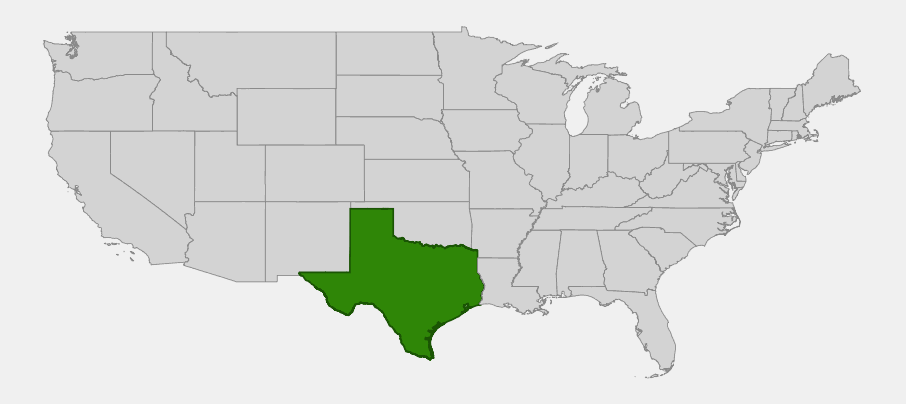
📋 Regional plant lists featuring Cob Cactus: South and West Texas
Growing & Care Guide
Cob Cactus rewards a hands-off approach and sharp drainage far more than any fertilizing or watering schedule. Treat it like the limestone-outcrop specialist it is, and it will persist for many years with minimal care.
Light
Full sun is essential. In shade, flowering drops off sharply and the stems can become soft and prone to rot. A south- or west-facing rock garden or gravel bed mimics the open limestone glades where it grows wild.
Soil & Water
Drainage is the single most important factor for success. Plant in thin, rocky, alkaline soil — crushed limestone, decomposed granite, or a commercial cactus mix heavily amended with coarse gravel all work well. Water sparingly; established plants need little to no supplemental irrigation beyond natural rainfall in their native Texas range, and wet feet in winter are the most common cause of failure. A raised bed, berm, or rock garden with excellent runoff is far more forgiving than a flat, moisture-retentive border.
Planting Tips
Set out container-grown plants in spring after the last frost, at the same depth they were growing in the pot. Avoid burying the base of the stem, which encourages rot. Surround new plantings with a gravel mulch rather than organic mulch, both for appearance and to keep moisture away from the stem base.
Pruning & Maintenance
No pruning is needed. Remove any obviously rotted or damaged tissue promptly with a clean blade, and otherwise leave the plant alone. Cob Cactus has no significant pest problems in well-drained sites, though it can suffer from mealybugs or scale in overly humid or crowded plantings.
Propagation
Propagate from seed sown in a sandy, well-drained medium in spring, or by removing and rooting offset heads from established clumps, allowing the cut surface to callus for several days before placing it in a barely moist, gritty rooting mix.
Landscape Uses
- Limestone rock gardens and crevice gardens
- Xeriscape borders paired with agaves, yuccas, and native grasses
- Container and trough plantings for patios and courtyards
- Caliche slope plantings where little else will establish
- Pollinator gardens, for the large early-summer flowers
Wildlife & Ecological Value
Despite its small size, Cob Cactus plays a real role in the dry limestone plant communities of central Texas.
For Pollinators
The large, satiny flowers are a strong draw for native bees, which forage on the abundant pollen and nectar during the plant’s brief but intense early-summer bloom. Flowers opening only in direct sun concentrate pollinator visits into the warmest, sunniest hours of the day.
For Birds & Mammals
The small fruits are eaten opportunistically by ground-foraging birds and rodents native to Texas limestone country, which help disperse the seeds. The dense spine covering offers the cactus itself strong protection from browsing by deer and other mammals, which largely avoid it.
Ecosystem Role
As one of relatively few plants able to root directly into exposed limestone cracks and thin caliche soils, Cob Cactus helps occupy niches too harsh for most other vegetation, contributing to the diversity of specialized flora found on central Texas limestone glades and outcrops.
Cultural & Historical Uses
Cob Cactus has no major documented history of use by Indigenous peoples or early settlers comparable to larger, more widespread cacti such as prickly pear. Its small size and limited fruit yield made it a minor part of the Texas Hill Country flora from a practical-use standpoint, valued instead for its ornamental presence in the landscape.
In more recent decades, Cob Cactus and other small Texas Coryphantha species have become popular with cactus and succulent collectors and native-plant gardeners, prized for their intricate tuberculate texture and the striking contrast of their large flowers against a diminutive plant body. This interest has helped drive demand for responsibly nursery-propagated stock rather than wild collection, which remains a conservation concern for small, slow-growing cacti throughout Texas.
The plant’s various common names — Cob Cactus, Pineapple Cactus, Nipple Cactus — all reference the same distinctive tuberculate surface pattern, a feature shared across the broader Coryphantha genus and used by botanists as a key identification character separating it from ribbed cactus genera.
Frequently Asked Questions
Why hasn’t my Cob Cactus bloomed?
Flowering depends heavily on full sun exposure and plant maturity; young plants or those in partial shade may take a few years to flower, and established plants typically bloom for only a few days each year in late spring to early summer.
Can Cob Cactus grow outside of Texas?
It can be grown in other hot, dry, alkaline-soil climates with excellent drainage, such as containers or rock gardens in similar Southwestern conditions, but it is a Texas limestone endemic and is not reliably hardy or well adapted to humid or heavy-clay regions.
Is Cob Cactus the same as a pineapple cactus sold at nurseries?
“Pineapple cactus” is a common name shared by several different cactus genera, so always confirm the scientific name Coryphantha sulcata when buying, since care requirements differ between unrelated species sold under similar common names.
Does Cob Cactus need fertilizer?
No regular fertilizing is needed. In its native thin limestone soils it thrives on very low fertility; a light application of a dilute cactus fertilizer in spring is optional but not necessary for healthy growth.
Is Cob Cactus safe to touch?
Like most cacti, its spines are sharp and can cause painful puncture wounds, so handle it with thick gloves or tongs when transplanting or dividing clumps.

Looking for a nursery that carries Cob Cactus?
Browse our native plant nursery directory: Texas