Woolly Butterflybush (Buddleja marrubiifolia)
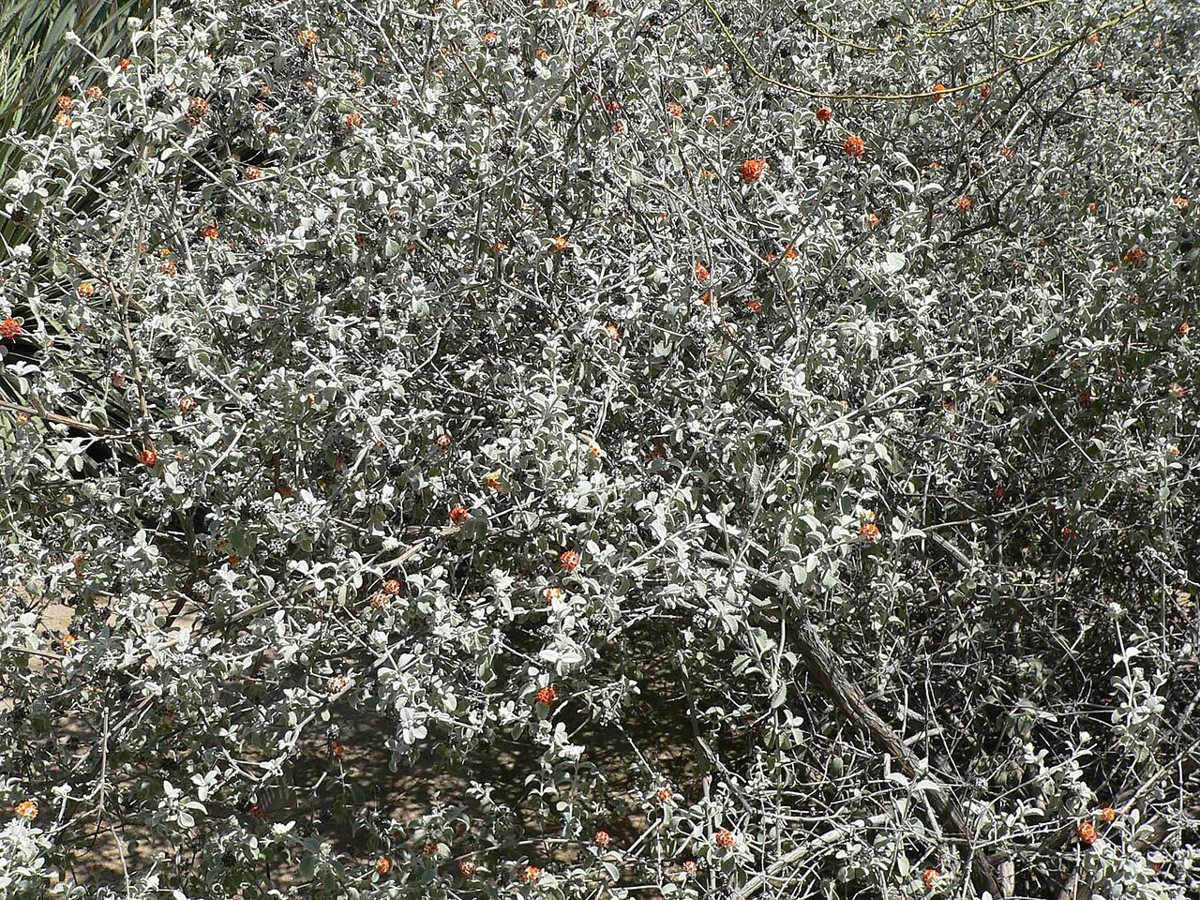
Buddleja marrubiifolia, commonly called Woolly Butterflybush, is a dense, rounded, evergreen-to-semi-evergreen shrub native to the limestone desert mountains of the Big Bend region of far West Texas and adjacent northern Mexico. It is a true desert specialist, every part of the plant — stems, leaf undersides, and even the flower buds — covered in fine, felted white wool that gives the whole shrub a soft, silvery-gray appearance from a distance.
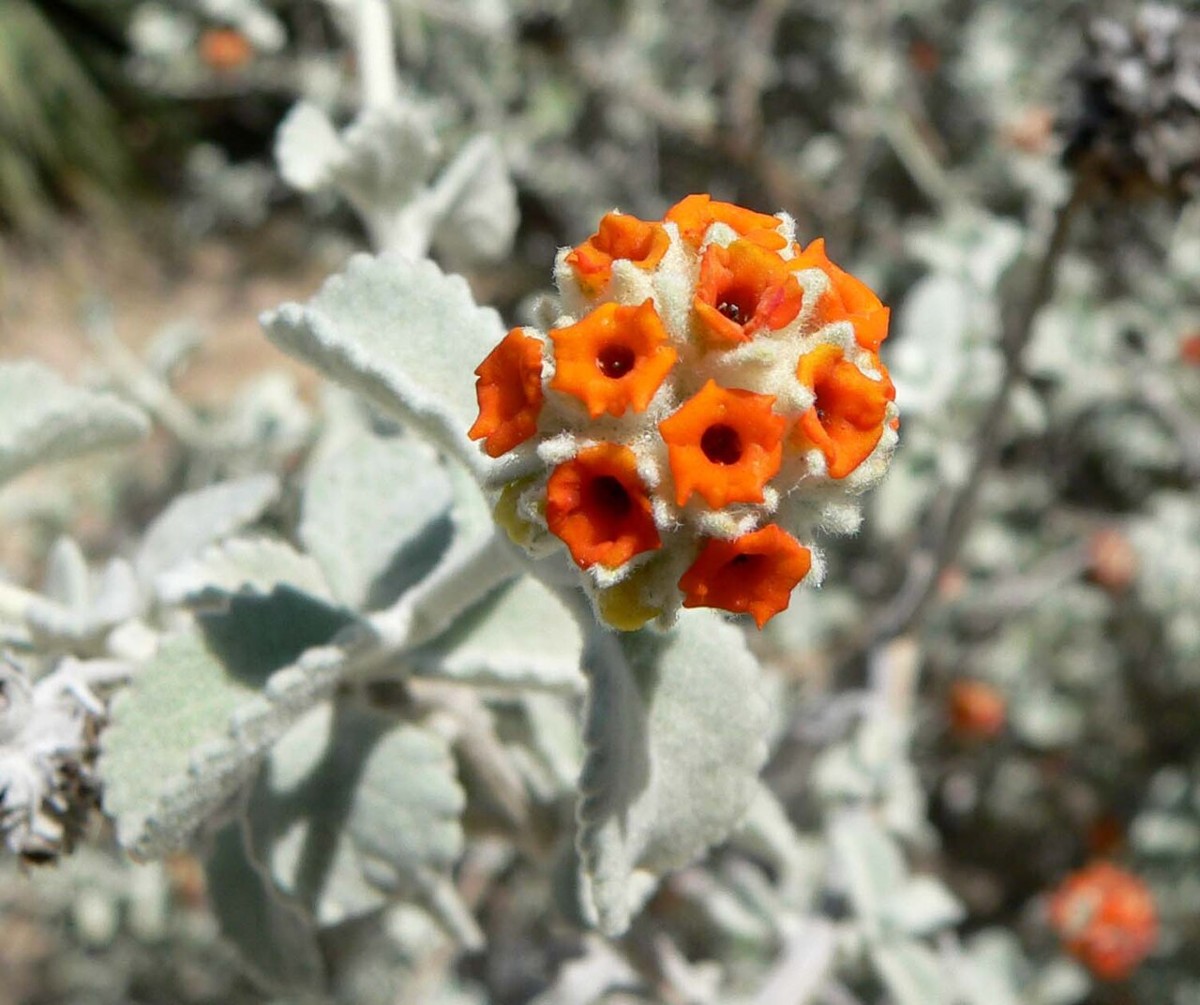
In spring and again after summer rains, Woolly Butterflybush produces small, marble-sized, perfectly round clusters of bright orange flowers scattered across the silvery foliage, a striking color combination that has made the species a sought-after ornamental well beyond its native Chihuahuan Desert range. Unlike the large, non-native Buddleja davidii widely sold as “butterfly bush” (which can become invasive in moist climates), Woolly Butterflybush is a true Texas native, compact, well-behaved, and extremely drought tolerant, making it a genuinely responsible choice for pollinator gardens in hot, dry climates.
True to its common name, the species is a magnet for butterflies, and its dense, rounded form and silver color make it a strong textural anchor in xeriscape plantings even outside the bloom season. It remains relatively uncommon in the wild, restricted to rocky slopes and canyons of the Big Bend country, but it has become increasingly available in the native-plant nursery trade across Texas and the broader Southwest.
Identification
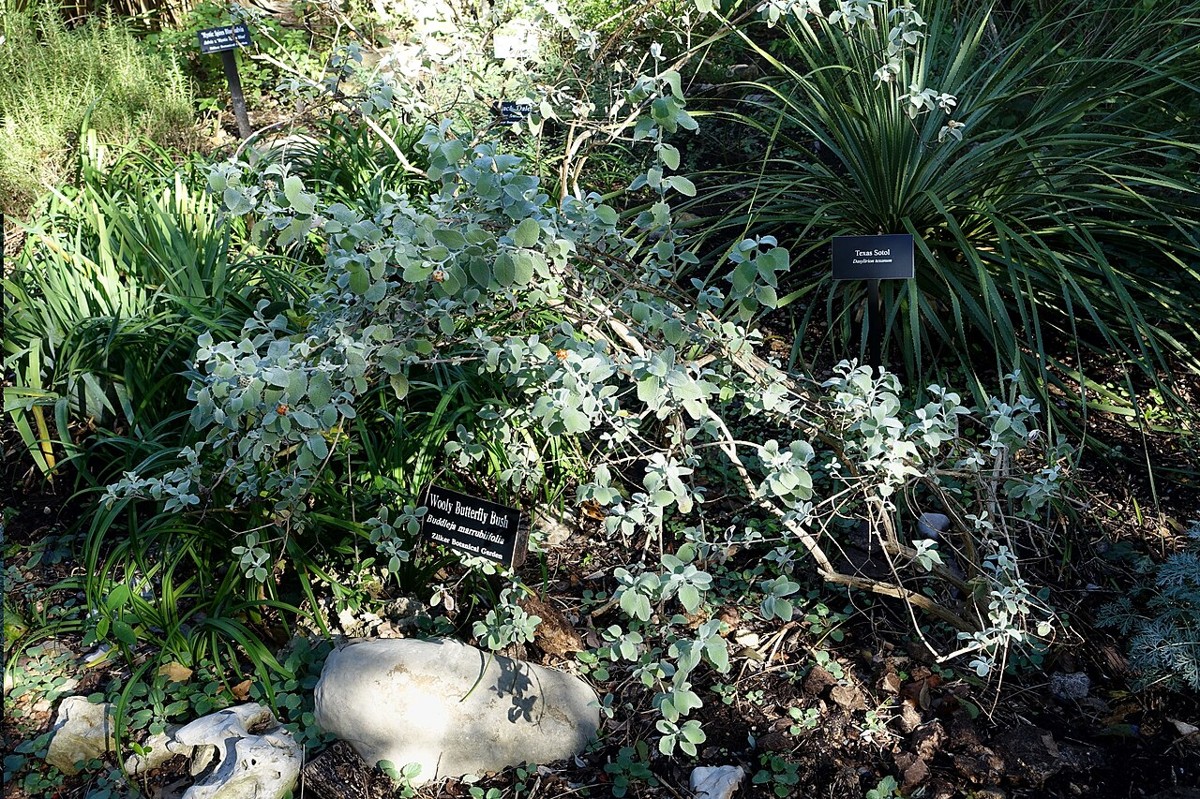
Woolly Butterflybush forms a dense, rounded shrub, typically 3 to 5 feet tall and equally wide, with an overall soft, silvery, felted appearance that distinguishes it from nearly every other Chihuahuan Desert shrub at a glance.
Bark & Stems
Young stems are covered in dense white wool (tomentum), giving new growth a nearly white, velvety appearance that gradually thins as stems age and develop a gray-brown woody bark.
Leaves
Leaves are opposite, oval to lance-shaped, 1 to 2 inches long, with shallowly toothed margins. Both surfaces are covered in dense white to gray wool, though the upper surface may green slightly with age while the underside stays consistently felted silver-white. The leaf shape, resembling horehound (Marrubium), is the source of the species name “marrubiifolia.”
Flowers
Flowers are tiny, tubular, and bright orange, packed into dense, perfectly round, marble-sized clusters (globose heads) about ½ to ¾ inch across, scattered along the branch tips. The contrast between the vivid orange blooms and the silvery wool of the surrounding foliage is the plant’s most striking ornamental feature. Bloom occurs mainly in spring, with a lighter rebloom possible after summer rains, continuing into fall in favorable years.
Fruit & Seeds
After flowering, small capsules form within the dried flower heads, releasing tiny seeds. The dried, dark flower heads often persist on the plant, visible as small brownish balls among the silver foliage well after the bloom has faded.
Quick Facts
| Scientific Name | Buddleja marrubiifolia |
| Family | Scrophulariaceae (sometimes placed in Buddlejaceae) |
| Plant Type | Evergreen to Semi-evergreen Shrub |
| Mature Height | 3–5 ft |
| Mature Spread | 3–5 ft |
| Growth Rate | Moderate |
| Sun Exposure | Full Sun |
| Water Needs | Low |
| Soil Type | Rocky, caliche, limestone; well-drained |
| Soil pH | 7.0–8.5 (neutral to alkaline) |
| Bloom Time | March – May, sporadic rebloom after rain |
| Flower Color | Bright orange |
| Fall Color | None (evergreen silvery foliage) |
| Fruit | Small capsules in dried flower heads |
| Deer Resistant | Yes |
| USDA Hardiness Zones | 8–10 |
Native Range
Woolly Butterflybush is native to a narrow range in far West Texas, concentrated in the Big Bend region’s desert mountains, with documented county-level populations extending into adjacent northern Mexico (Coahuila and Chihuahua). It is a true Chihuahuan Desert endemic, not found naturally anywhere else in the United States despite being increasingly common in cultivation across Texas and the wider Southwest.
Within its native range, Woolly Butterflybush grows on dry, rocky limestone slopes and in desert canyons, typically at elevations between about 2,500 and 5,500 feet, often alongside other Chihuahuan Desert shrubs such as ocotillo, lechuguilla, and various agaves. It favors open, sun-baked sites with minimal soil development, reflecting its adaptation to intense desert heat and light.
Gardeners outside the Big Bend region, including elsewhere in Texas and in Arizona or New Mexico, can grow Woolly Butterflybush successfully in similarly hot, dry conditions, but should recognize it as a cultivated, non-native planting there rather than part of the local native flora.
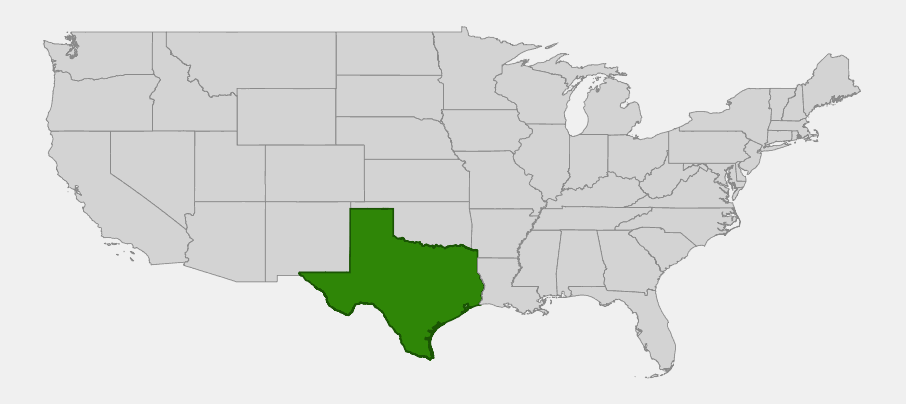
📋 Regional plant lists featuring Woolly Butterflybush: South and West Texas
Growing & Care Guide
Light
Plant Woolly Butterflybush in full sun. It tolerates intense, reflected desert heat and flowers best with maximum light exposure.
Soil & Water
This shrub requires lean, rocky, fast-draining, alkaline soil that mirrors its native limestone habitat. It is highly drought tolerant once established and performs poorly in heavy or consistently moist soils, where root rot becomes a serious risk. Water during the first growing season to establish, then rely primarily on natural rainfall.
Planting Tips
Plant in spring after the last frost, choosing a site with excellent drainage such as a slope, berm, or raised bed. Avoid rich, organically amended soil. Space plants 4 to 5 feet apart to allow the rounded form to develop fully.
Pruning & Maintenance
Light pruning after the main spring bloom helps maintain a dense, rounded form and can encourage additional flowering later in the season. Remove dead or frost-damaged wood in spring, as the species can experience some tip dieback in hard freezes at the colder end of its hardiness range.
Propagation
Propagate from semi-hardwood cuttings taken in summer, which root readily, or from seed. Cutting-grown plants are the more common and reliable method in the nursery trade.
Landscape Uses
- Pollinator and butterfly garden focal shrub
- Silver-foliage accent in xeriscape and rock gardens
- Low-water foundation or border planting
- Responsible, non-invasive alternative to common ornamental butterfly bush
- Screen or informal hedge in hot, dry sites
Wildlife & Ecological Value
For Pollinators
True to its common name, Woolly Butterflybush is an outstanding butterfly plant, its orange flower clusters drawing swallowtails, sulphurs, and many other butterfly species, along with native bees and hummingbirds, throughout the spring and summer bloom period.
Birds
Hummingbirds visit the tubular orange flowers for nectar, and the dense, woolly branching provides good nesting cover for small songbirds in desert scrub habitat.
Mammals
Woolly Butterflybush is generally resistant to deer browsing, likely due to the dense wool covering the leaves and stems, making it a dependable choice in areas with significant deer pressure.
Ecosystem Role
As one of relatively few shrubs adapted to the driest, rockiest limestone sites of the Big Bend region, Woolly Butterflybush provides structure, nectar, and cover in an otherwise sparse desert plant community, supporting pollinator populations through much of the growing season.
Cultural & Historical Uses
Woolly Butterflybush has no well-documented history of Indigenous or settler utilitarian use; its significance has been primarily botanical and, in recent decades, horticultural, as collectors and botanists documented its restricted range in the Big Bend’s desert mountains.
As native and pollinator-friendly gardening has grown in popularity, Woolly Butterflybush has gained attention specifically as a well-behaved, non-invasive native alternative to the widely planted but potentially invasive Asian butterfly bush (Buddleja davidii), appealing to gardeners who want butterfly-attracting blooms without the ecological risk.
Today it remains a specialty item in native-plant nurseries, valued by Texas and Southwestern gardeners for combining striking silver-and-orange color with genuine drought toughness and a well-mannered, non-weedy growth habit.
Frequently Asked Questions
Is Woolly Butterflybush related to the invasive butterfly bush sold at garden centers?
Only distantly, through the broader genus Buddleja. The common invasive ornamental butterfly bush is Buddleja davidii, an Asian species that can escape cultivation in moist climates. Woolly Butterflybush is a true Texas native with no documented invasive tendencies and is a responsible choice for native and pollinator gardens.
How much water does Woolly Butterflybush need?
Very little once established. It is adapted to rocky, fast-draining Chihuahuan Desert soils and performs poorly with regular irrigation or heavy, moisture-retentive soil.
Does Woolly Butterflybush attract butterflies?
Yes, strongly — true to its name, its bright orange flower clusters are a significant butterfly draw, along with native bees and hummingbirds, throughout the bloom season.
Can Woolly Butterflybush be grown outside its native Big Bend range?
Yes, in similarly hot, dry climates in USDA zones 8–10, including elsewhere in Texas, Arizona, and New Mexico, though it should be understood there as a cultivated, non-native planting rather than a native species.
Is Woolly Butterflybush deer resistant?
Yes, it is generally considered deer resistant, likely due to the dense woolly covering on its leaves and stems, which most browsing animals avoid.
Looking for a nursery that carries native plants for your area? Check this regional native plant nursery directory: Texas.