Four-Leaf Pinyon (Pinus quadrifolia)
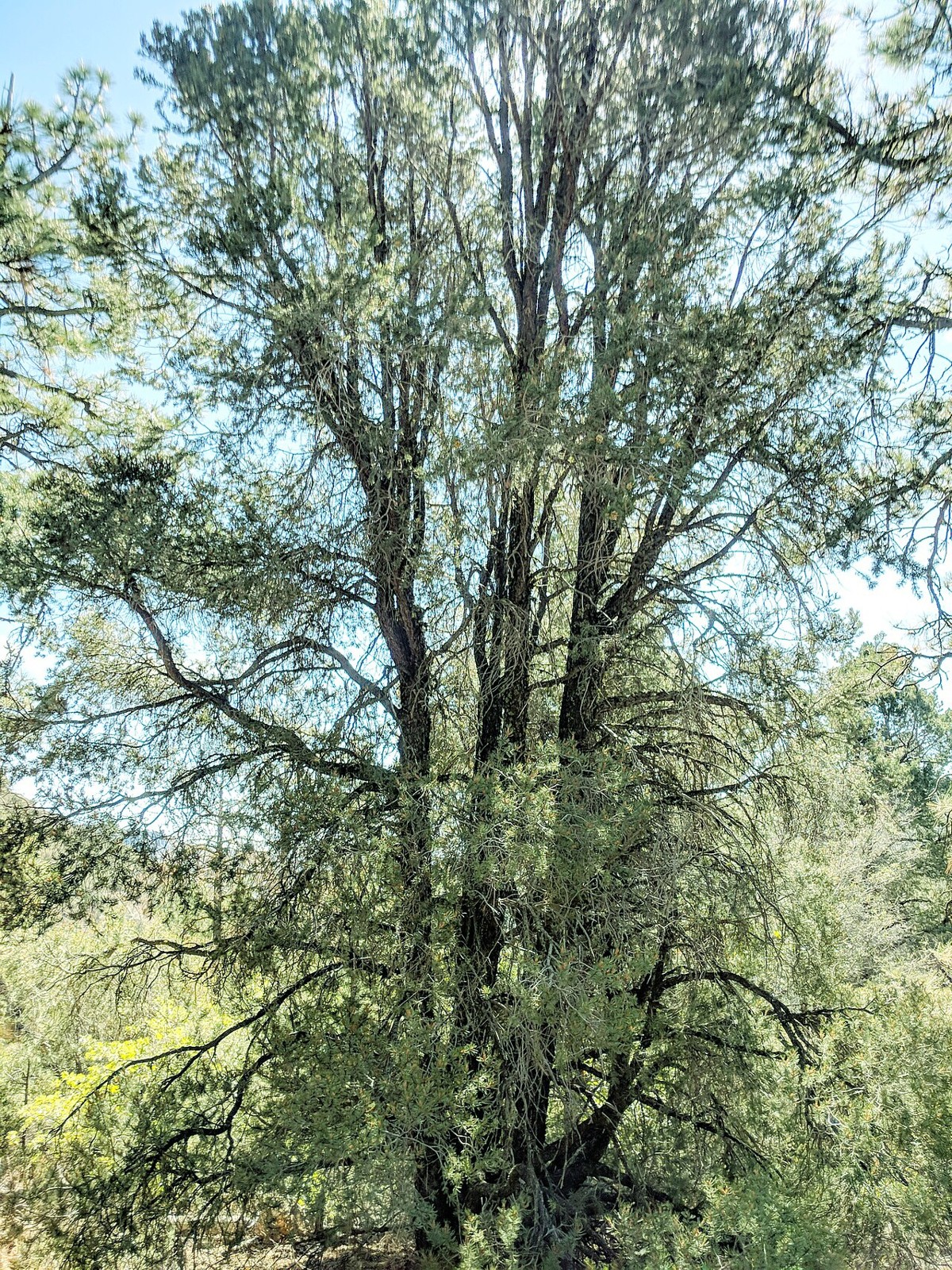
Pinus quadrifolia, the four-leaf pinyon (also called Parry pinyon), is a small, drought-hardy pine of the dry mountains along the U.S.-Mexico border in San Diego County, California. It takes its name from its unusual needle bundles, which most often hold four needles rather than the one or two found in other western pinyons, though bundles of three or five also occur on the same tree. Slow-growing and long-lived, it forms rounded, often multi-trunked trees well suited to the rocky, sun-baked slopes it calls home.
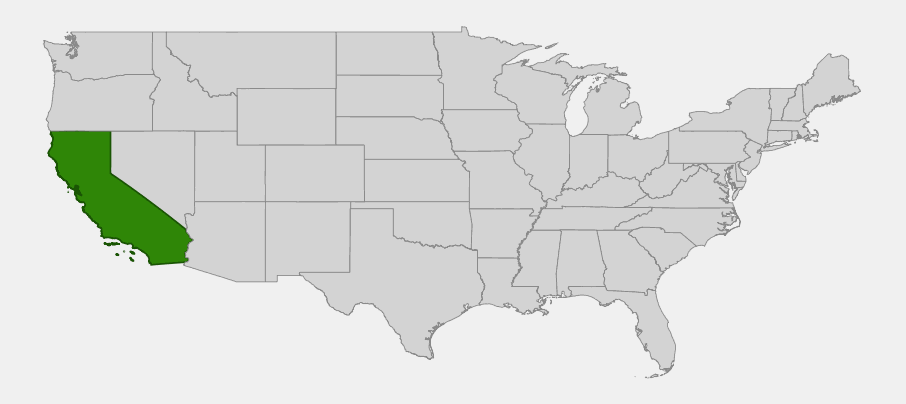
Four-leaf pinyon has one of the smallest native ranges of any pine in the continental United States, found in this country only in the Peninsular Ranges of San Diego County, with the bulk of its range continuing south into Baja California, Mexico. Within that narrow strip it grows on dry, rocky desert-facing slopes, often transitional between chaparral and the pinyon-juniper woodlands of the higher mountains.
For gardeners in Southern California’s hot, dry interior, four-leaf pinyon is an excellent low-water choice: tough, long-lived, and far less common in cultivation than single-leaf pinyon, which makes it a conversation piece as well as a practical, drought-tolerant small tree.
Identification
Four-leaf pinyon is a small to medium pine, usually 15 to 35 feet tall, with a rounded, often broad and irregular crown. Many wild trees develop several trunks or a short, forking main trunk close to the ground, giving older individuals a gnarled, picturesque form shaped by decades of sun and wind.
Bark & Form
Bark is dark gray-brown to nearly black, broken into irregular furrowed plates with age; young trees have smoother, lighter bark. The crown is dense and rounded rather than conical, and the tree often branches low, sometimes almost to the ground, unlike taller, single-trunked pines.
Needles
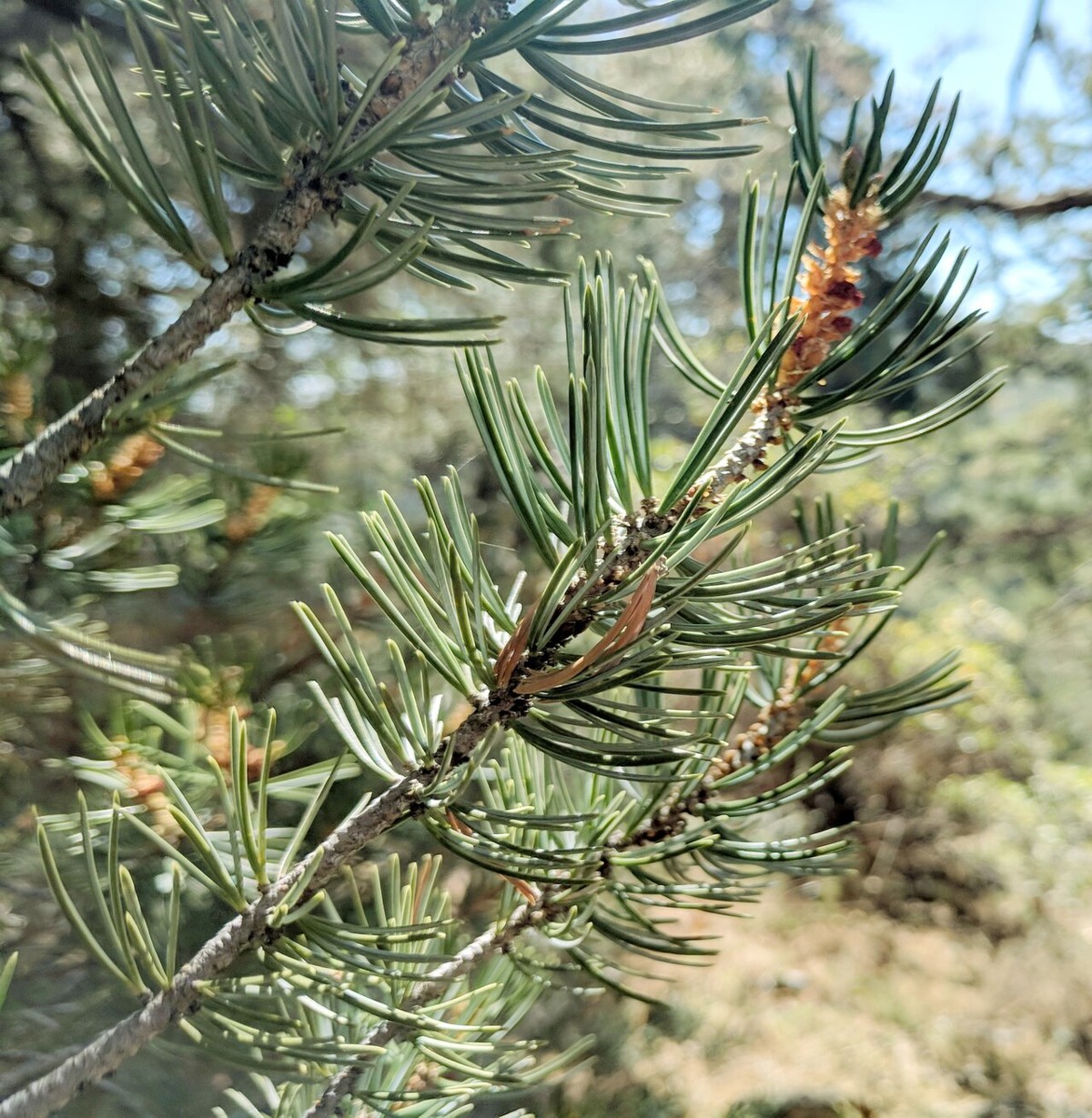
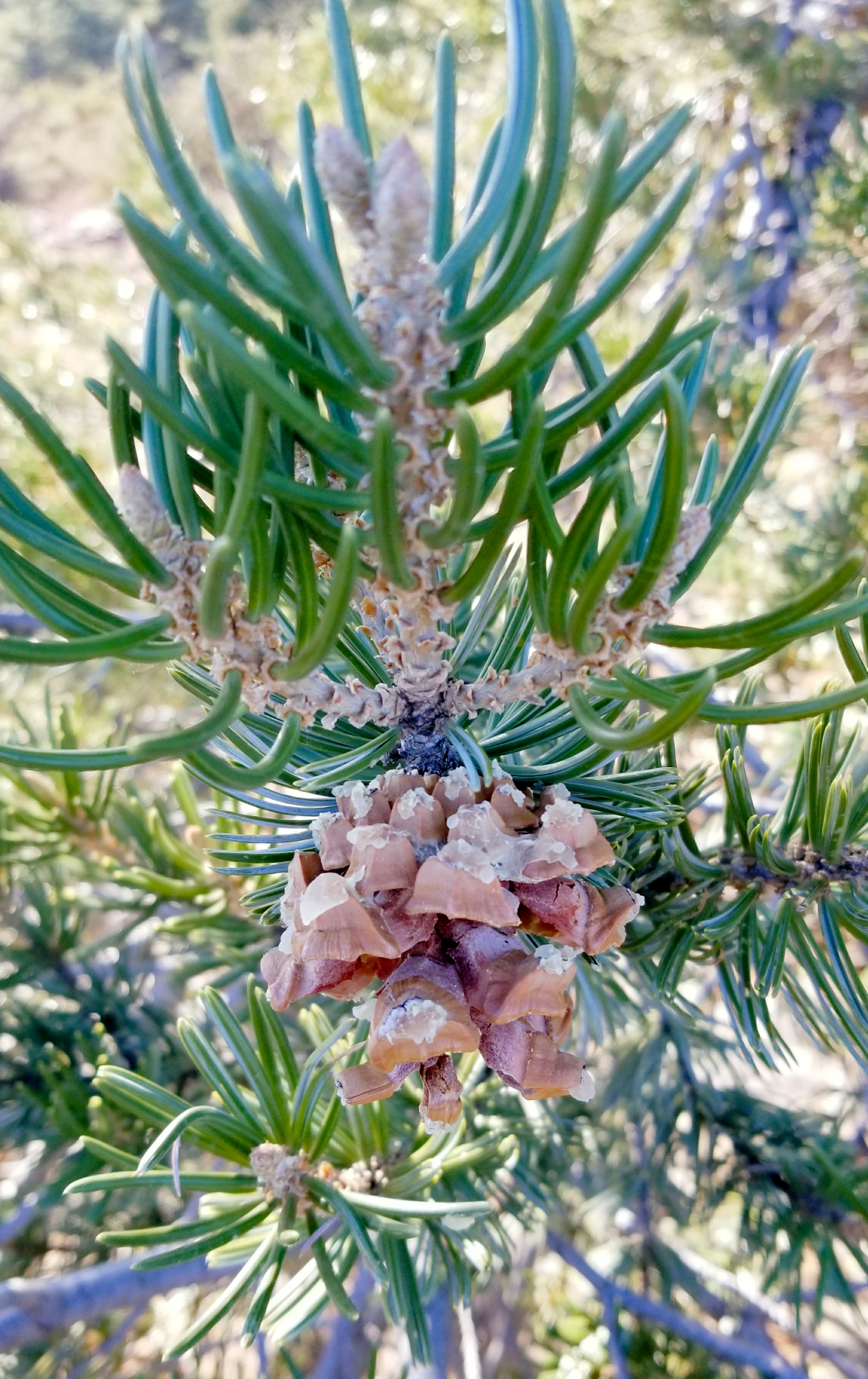
Needles grow in bundles that most commonly hold four needles, the trait that gives the species its name, though bundles of 1, 2, 3 or 5 needles can appear on the same plant. Each needle is stiff, pale gray-green to blue-green, 1 to 1.5 inches long, and curves slightly inward toward the other needles in its bundle, forming a tight, rounded cluster that is a helpful field mark.
Cones & Seeds
Cones are small, rounded, 1.5 to 2.5 inches long, with thick woody scales tipped with a small, often inward-curved prickle. They ripen from green to yellow-brown over about two years and open to release large, wingless seeds (pinyon nuts) that are an important food source for wildlife and were historically gathered for food.
Quick Facts
| Scientific Name | Pinus quadrifolia |
| Family | Pinaceae (Pine) |
| Plant Type | Evergreen coniferous tree |
| Mature Height | 15–35 ft |
| Mature Spread | 15–25 ft, often as wide as tall |
| Growth Rate | Slow |
| Sun Exposure | Full Sun |
| Water Needs | Low once established; excellent drought tolerance |
| Soil Type | Rocky, gravelly, well-drained soils |
| Soil pH | Neutral to slightly alkaline |
| Bloom Time | Spring (cones, not showy flowers) |
| Flower Color | Not applicable (conifer) |
| Fall Color | None (evergreen) |
| Fruit | Small rounded cones, 1.5–2.5 in, with edible seeds, maturing over 2 years |
| Deer Resistant | Yes |
| USDA Hardiness Zones | 7–9 |
Native Range
In the United States, four-leaf pinyon is found only in the Peninsular Ranges of San Diego County, California, where it grows in scattered stands on desert-facing slopes of the Laguna, Cuyamaca and In-Ko-Pah mountains. Its range continues south across the border into the mountains of northern Baja California, Mexico, where most of the species’ total population occurs.
The trees grow on dry, rocky or gravelly slopes, typically between about 3,000 and 6,500 feet, in a transition zone between desert scrub and higher-elevation pinyon-juniper or mixed conifer woodland. Rainfall is sparse and summers are hot, so the species is adapted to thin soils, intense sun and long dry periods. It is often found with single-leaf pinyon, California juniper and desert chaparral shrubs.
Because its U.S. range is so limited, four-leaf pinyon is considered a California rarity and is tracked by regional conservation programs, though it is not federally listed. Its main populations lie within National Forest and protected wilderness lands in San Diego County, which helps buffer it from development pressure.
📋 Regional plant lists featuring Four-Leaf Pinyon: California & Nevada
Growing & Care Guide
Four-leaf pinyon is an excellent small tree for xeriscapes and low-water gardens in Southern California’s hot interior valleys and foothills. It asks for very little once established and tolerates heat, drought and poor soil that would stress most ornamental trees.
Light
Give it full sun. In the wild it grows on open, exposed slopes with intense sunlight, and it needs strong light to develop its characteristic dense, rounded form.
Soil & Water
Plant in well-drained, rocky or gravelly soil; four-leaf pinyon does poorly in heavy clay or soils that stay wet. Water regularly for the first one to two years to establish a deep root system, then taper off. Mature trees need little to no supplemental water in most Southern California climates and can suffer root problems if overwatered or planted in soil that holds moisture.
Planting Tips
Choose a site with full sun, sharp drainage and plenty of room, since older trees can spread as wide as they are tall. Plant young container stock in fall so roots can establish during the cooler, wetter months. Avoid low spots where water collects, and keep irrigation away from the trunk once the tree is established.
Pruning & Maintenance
Little pruning is required beyond removing dead or crossing branches. Many gardeners simply let the tree develop its naturally irregular, multi-trunked form rather than training it to a single leader. The species has no significant pest or disease problems when planted in appropriate dry, well-drained conditions, though like other pines it can be vulnerable to bark beetles if stressed by excess water or overcrowding.
Propagation
Four-leaf pinyon is propagated from seed. Collect ripe cones in late summer or fall, extract the seeds, and sow them in well-drained potting mix; cold stratification over winter improves germination. Seedlings are slow-growing and should be kept in containers for a year or more before planting out.
Landscape Uses
- Xeriscape and low-water gardens in hot interior Southern California climates
- Specimen or accent tree, valued for its rounded, sculptural form
- Native plant and habitat gardens alongside single-leaf pinyon and California juniper
- Wildlife gardens, since the seeds attract birds and small mammals
- Fire-wise landscaping when properly spaced and maintained, as part of defensible-space plant choices
Wildlife & Ecological Value
Like other pinyon pines, four-leaf pinyon is an important food and shelter resource in the dry mountain habitats of the U.S.-Mexico border region.
For Pollinators
As a wind-pollinated conifer, four-leaf pinyon does not attract pollinating insects, though its dense branches can shelter insects that in turn feed birds and other wildlife.
For Birds
The large, nutritious seeds are a valuable food source for jays, especially scrub-jays, which cache seeds in the soil and inadvertently help the tree regenerate. Woodpeckers, nuthatches and other birds also feed on the seeds and use the branches for cover.
For Mammals
Pinyon seeds are a significant food source for rodents, including deer mice and chipmunks, as well as for larger mammals such as mule deer, which browse the foliage, and historically for people living in the region. Squirrels and other mammals cache and spread seeds much as jays do.
Ecosystem Role
Four-leaf pinyon anchors soil on steep, rocky slopes in a narrow transition zone between desert and higher-elevation woodland, and its presence supports the broader pinyon-juniper community that many border-region species depend on for food and shelter. Because its U.S. range is so restricted, the San Diego County stands are an important outpost for the species’ genetic diversity north of the border.
Cultural & Historical Uses
Pinyon pines, including four-leaf pinyon, were an important food source for Indigenous peoples of the region, including Kumeyaay communities in San Diego County, who gathered the large, nutritious seeds in late summer and fall as a staple food, roasting or grinding them much as other pinyon seeds were used across the Southwest.
Botanists have long been interested in four-leaf pinyon for its unusual multi-needle bundles and its restricted range straddling the international border, and it remains a subject of ongoing study in conifer taxonomy and conservation.
Today the species has a modest but growing presence in native-plant horticulture, valued by San Diego County gardeners and native-plant societies as a drought-tolerant, low-maintenance alternative to more commonly planted ornamental pines.
Frequently Asked Questions
Why is it called four-leaf pinyon?
Its needles most often grow in bundles of four, unlike single-leaf pinyon’s solitary needles or the paired needles of many other pines. Bundles of three or five needles can also occur on the same tree, so needle count alone is not always definitive, but four is the most typical.
Where does four-leaf pinyon grow in the United States?
In the U.S. it is found only in San Diego County, California, on the desert-facing slopes of the Peninsular Ranges. Most of its total range lies south of the border in Baja California, Mexico.
Are four-leaf pinyon seeds edible?
Yes. Like other pinyon pines, its seeds are edible and were historically an important food source for Indigenous peoples of the region. The seeds are gathered from mature cones in late summer and fall.
How much water does four-leaf pinyon need?
Very little once established. It is adapted to hot, dry, rocky slopes with sparse rainfall, making it an excellent choice for xeriscape gardens in Southern California’s interior climates.
Is four-leaf pinyon rare?
It is uncommon in the United States, where its range is limited to San Diego County, though it is more widespread across the border in Baja California. It is not federally listed as threatened or endangered.

Looking for a nursery that carries Four-Leaf Pinyon?
Browse our native plant nursery directory: California