Island Bush Poppy (Dendromecon harfordii)
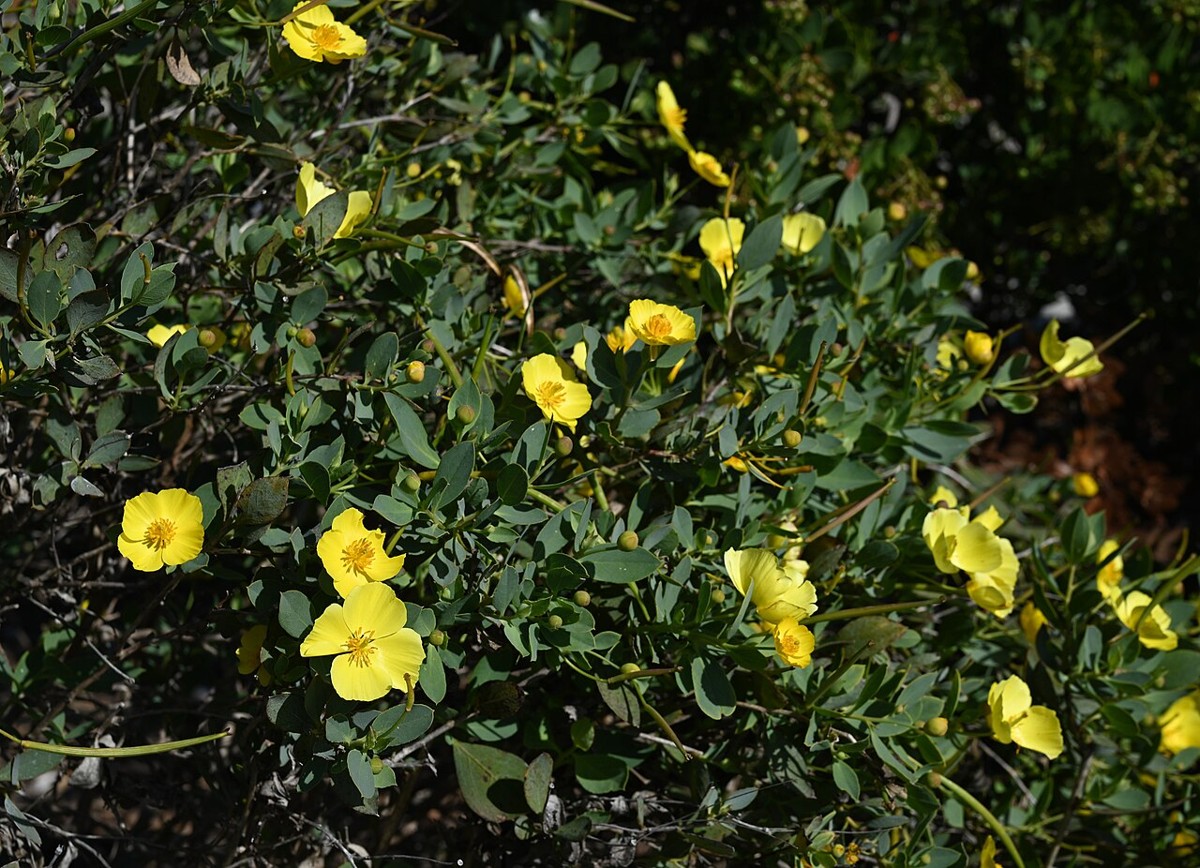
Dendromecon harfordii, the island bush poppy or Channel Islands tree poppy, is a California endemic shrub found naturally only on a handful of the Channel Islands off the Southern California coast. It is a larger, showier island cousin of the mainland bush poppy, growing into a rounded evergreen shrub or small tree with striking blue-gray leaves and a long season of brilliant yellow, satiny flowers that resemble oversized California poppies.
In the wild, island bush poppy grows on dry, rocky, sun-baked slopes of Santa Cruz, Santa Rosa, Santa Catalina and San Clemente islands, where it has evolved in isolation from its mainland relative into a distinctly larger plant with bigger leaves and flowers. Though its native range is small, it has become one of the most popular and widely planted California native shrubs, prized by gardeners throughout the state for its toughness, drought tolerance and nearly year-round bloom in mild climates.
For a sunny, dry spot that needs a long season of color without supplemental water, island bush poppy is hard to beat among California natives. It asks for excellent drainage and full sun, and in return it delivers silvery-blue evergreen foliage year-round and a flush of golden flowers that peaks in spring but can continue, lightly, through much of the year.
Identification
Island bush poppy grows as a rounded, evergreen shrub, typically 6 to 10 feet tall in cultivation but capable of reaching 15 to 20 feet and taking on a small tree form in favorable island habitats. It branches freely from the base, forming a dense, mounding shape that can spread as wide as it is tall.
Bark & Stems
Young stems are smooth and grayish-green, becoming woody and pale gray-brown with age. Older plants develop a somewhat gnarled, picturesque branch structure, especially when grown in full sun with minimal irrigation.
Leaves
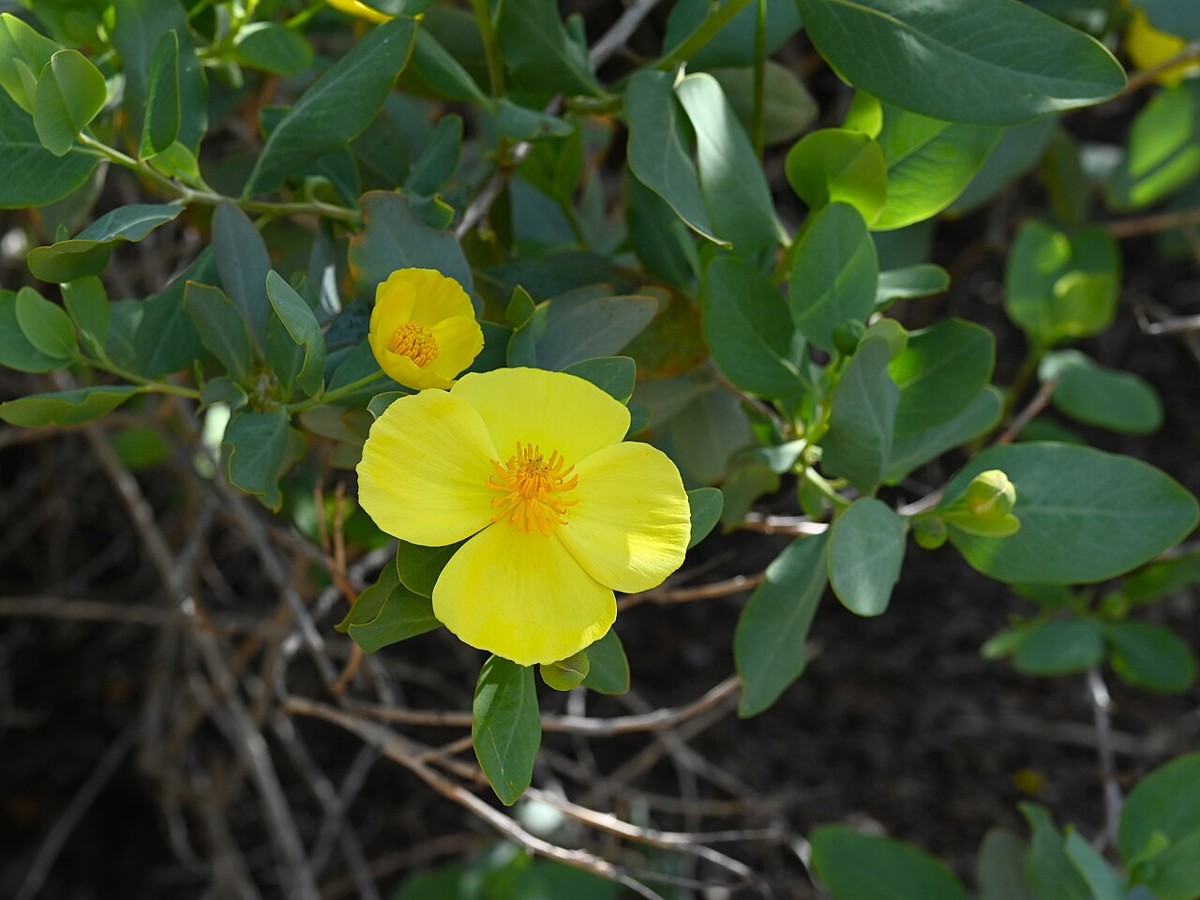
The leaves are the plant’s other great asset: evergreen, simple, oval to lance-shaped, 1 to 3 inches long, and a distinctive pale blue-gray to silvery-green color that contrasts beautifully with the yellow flowers. The leaves are thick and somewhat leathery, an adaptation to the dry, wind-exposed island habitats where the species evolved, and they persist year-round, giving the shrub structure and color even outside the bloom season.
Flowers
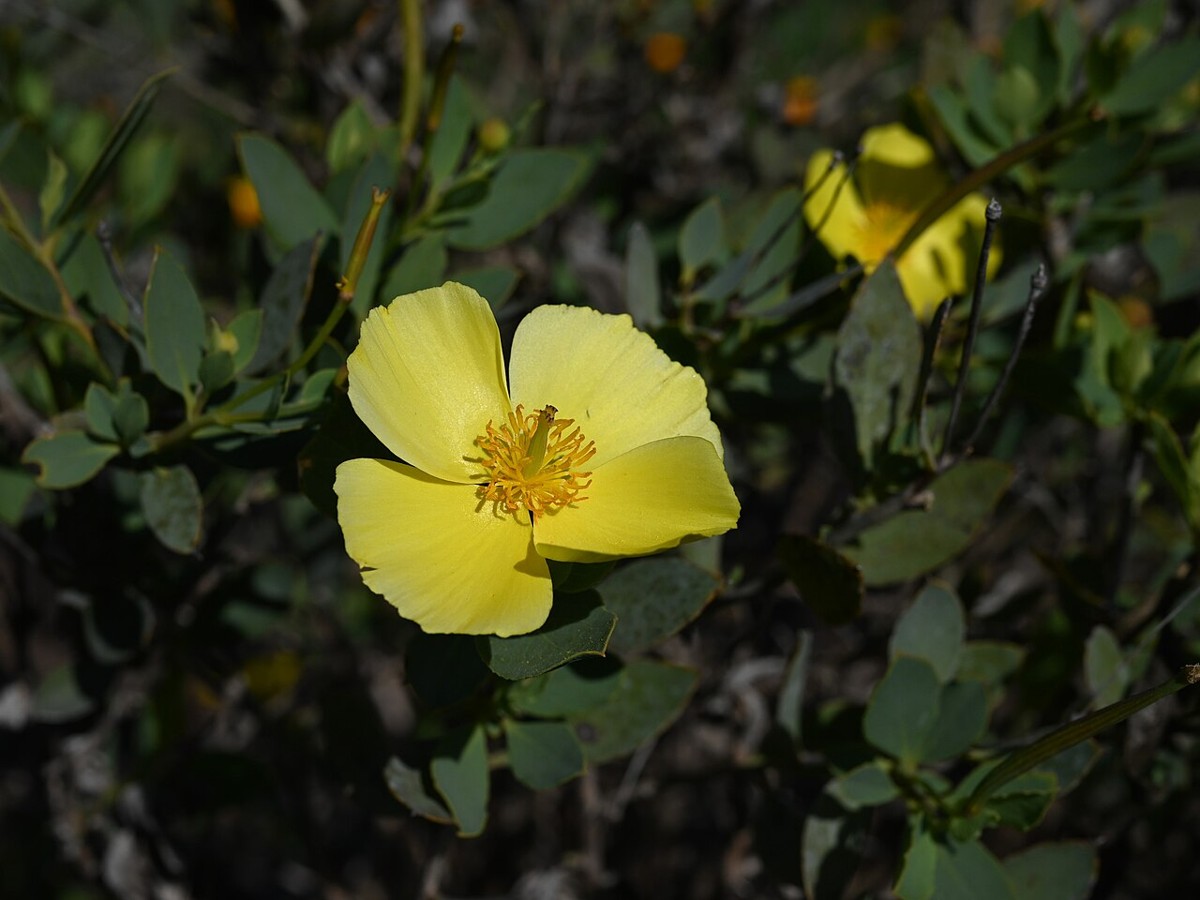
Flowers are bright, clear yellow, four-petaled, and 2 to 3 inches across — notably larger than those of the mainland bush poppy — with a prominent central cluster of golden stamens. They have a satiny, almost crepe-paper texture typical of the poppy family. Bloom is heaviest from February through June, but in mild coastal gardens scattered flowers can appear through much of the year, especially after rain.
Fruit & Seeds
Flowers are followed by narrow, curved seed capsules 2 to 4 inches long, a distinctive feature shared with the mainland bush poppy. The capsules split lengthwise when ripe to release numerous small seeds.
Quick Facts
| Scientific Name | Dendromecon harfordii (syn. Dendromecon rigida subsp. harfordii) |
| Family | Papaveraceae (Poppy) |
| Plant Type | Evergreen shrub to small tree |
| Mature Height | 6–10 ft in gardens (to 20 ft on the islands) |
| Mature Spread | 6–10 ft |
| Growth Rate | Fast |
| Sun Exposure | Full Sun |
| Water Needs | Low; drought tolerant once established |
| Soil Type | Well-drained; rocky, sandy or poor soils tolerated |
| Soil pH | 6.0–7.5 |
| Bloom Time | February – June, with scattered bloom year-round in mild climates |
| Flower Color | Bright yellow |
| Fall Color | None (evergreen blue-gray foliage) |
| Fruit | Narrow curved seed capsules, 2–4 in |
| Deer Resistant | Yes |
| USDA Hardiness Zones | 9–11 |
Native Range
Island bush poppy is endemic to California’s Channel Islands, found naturally only on Santa Cruz, Santa Rosa, Santa Catalina and San Clemente islands off the Southern California coast. It does not occur on the mainland, where it is replaced by the related and smaller-flowered bush poppy, Dendromecon rigida.
On the islands, it grows on dry, rocky, often steep slopes and canyon sides in coastal sage scrub and chaparral communities, typically at low to moderate elevations where sun exposure is intense and soils are thin and well-drained. It often grows alongside island-endemic associates such as island ceanothus and Catalina ironwood, part of a distinctive flora shaped by the islands’ isolation from the mainland.
Because its native range is restricted to a few islands, island bush poppy is a plant of conservation interest, though it is not considered rare within its island habitat and has become widely available through the native plant nursery trade. Gardeners should buy nursery-propagated plants, both to protect island populations and because they establish far more reliably than wild-collected material.
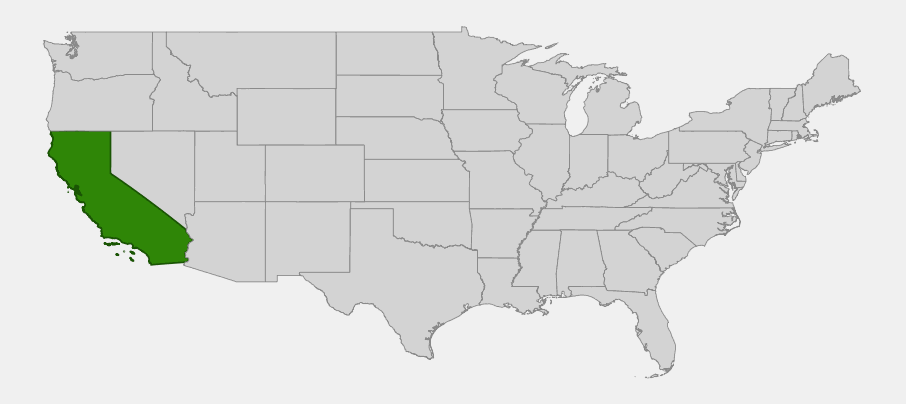
📋 Regional plant lists featuring Island Bush Poppy: California & Nevada
Growing & Care Guide
Island bush poppy is one of the easier California native shrubs to succeed with, as long as its two essentials — full sun and sharp drainage — are met.
Light
Give island bush poppy full sun for the best flowering and the most compact, floriferous growth. In part shade it tends to grow leggier and bloom less heavily.
Soil & Water
Excellent drainage is essential; this is a plant adapted to thin, rocky island soils and it will struggle or rot in heavy clay that holds water. Water regularly during the first year to establish roots, then reduce to occasional deep watering or none at all in coastal gardens with typical winter rainfall. Overwatering established plants, especially in summer, is the most common cause of failure.
Planting Tips
Plant in fall or early spring from container stock, choosing a site with full sun and soil that drains quickly after rain — a slope or raised bed is ideal in gardens with heavier soil. Allow 6 to 10 feet between plants for their eventual spread. Avoid amending the planting hole with rich organic matter, which can hold too much moisture around the roots.
Pruning & Maintenance
Light pruning after the main spring bloom helps keep the shrub compact and encourages denser branching and more flowers the following year. Avoid heavy pruning into old wood, which the plant may be slow to recover from. Established plants are low-maintenance, generally pest-free, and need no fertilizer beyond what the native soil provides.
Propagation
Island bush poppy can be grown from seed, though germination is improved by scarification or smoke treatment, as with many California chaparral species adapted to fire-prone habitats. Semi-hardwood cuttings taken in summer root with the help of rooting hormone and are the more reliable method for preserving a particular plant’s form.
Landscape Uses
- Dry slope and hillside plantings where drainage is naturally good
- Specimen shrub for its long bloom season and blue-gray foliage
- Coastal and Mediterranean-style gardens paired with other island natives
- Low-water landscaping and xeriscape designs
- Wildlife and pollinator gardens
- Erosion control on sunny, well-drained banks
Wildlife & Ecological Value
Island bush poppy’s long bloom season makes it a dependable resource for pollinators in gardens and in its native island habitat alike.
For Pollinators
The large, pollen-rich flowers attract native bees, which forage directly on the abundant stamens; poppy-family flowers like this one offer pollen but no nectar, so bees that specialize in pollen collection are frequent visitors. Because bloom can continue intermittently through much of the year in mild climates, the shrub provides an unusually long season of pollen availability compared with many spring-only natives.
For Birds
The dense, evergreen branching offers year-round shelter and nesting cover for small birds, a valuable year-round structural resource in gardens where many other shrubs are deciduous.
For Mammals
Island bush poppy is considered deer resistant, likely due to the alkaloid compounds typical of the poppy family, making it a reliable choice in gardens where deer browsing is a persistent challenge.
Ecosystem Role
Within its native island habitat, island bush poppy is part of the coastal sage scrub and chaparral plant community that stabilizes steep island slopes and supports the islands’ distinctive insect and bird life. As with many chaparral shrubs, it is adapted to recover after fire, resprouting or regenerating from seed following periodic burns.
Cultural & Historical Uses
Island bush poppy’s history is primarily a modern horticultural one rather than a long record of traditional use, reflecting both its restricted island range and the limited human presence on the Channel Islands compared to the mainland. The genus name Dendromecon combines Greek words for “tree” and “poppy,” describing the shrub’s woody, treelike habit compared to most herbaceous poppies.
The species was named in honor of William G.W. Harford, a 19th-century naturalist associated with early California botanical collecting. Since its introduction to cultivation, island bush poppy has become one of the signature shrubs of the California native plant gardening movement, valued for bringing the distinctive look of the Channel Islands’ flora into mainland gardens.
Today the species plays an important role in conservation and native plant horticulture, helping connect gardeners to the unique, often overlooked flora of California’s Channel Islands, several of which (including Santa Cruz and Santa Rosa) are now protected as part of Channel Islands National Park.
Frequently Asked Questions
What’s the difference between island bush poppy and bush poppy?
Island bush poppy (Dendromecon harfordii) is a Channel Islands endemic with larger leaves and flowers, growing into a bigger shrub or small tree. The mainland bush poppy (Dendromecon rigida) is smaller in every respect and ranges across California’s coastal and interior mountains rather than being confined to the islands.
How much water does island bush poppy need?
Very little once established. It is adapted to the dry, rocky slopes of the Channel Islands and performs best with infrequent deep watering or none at all beyond normal winter rainfall in coastal California gardens. Overwatering is the most common cause of problems.
Does island bush poppy bloom more than once a year?
The heaviest bloom is in spring, but in mild coastal climates the shrub often produces scattered flowers through much of the year, especially after rain, making it one of the longer-blooming California native shrubs.
Is island bush poppy deer resistant?
Yes, it is generally considered deer resistant, likely due to alkaloid compounds typical of the poppy family, though no plant is completely immune to browsing under heavy deer pressure.
Can island bush poppy grow outside California?
It can be grown in other mild, dry-summer climates with similar conditions (USDA zones 9–11), but it is only native to California’s Channel Islands and should not be considered native or naturalized outside that range.

Looking for a nursery that carries Island Bush Poppy?
Browse our native plant nursery directory: California