Island Ceanothus (Ceanothus arboreus)
Ceanothus arboreus, commonly known as Island Ceanothus, Feltleaf Ceanothus, or Catalina Ceanothus, is the largest member of the California lilac genus — a true tree-sized Ceanothus that can reach 20 feet or more, far surpassing the low shrubs most gardeners picture when they hear the name. True to its common name, it is a California Channel Islands endemic, evolved in the relatively mild, fog-buffered island climate where it grew largely free of the browsing pressure and competition found on the mainland.
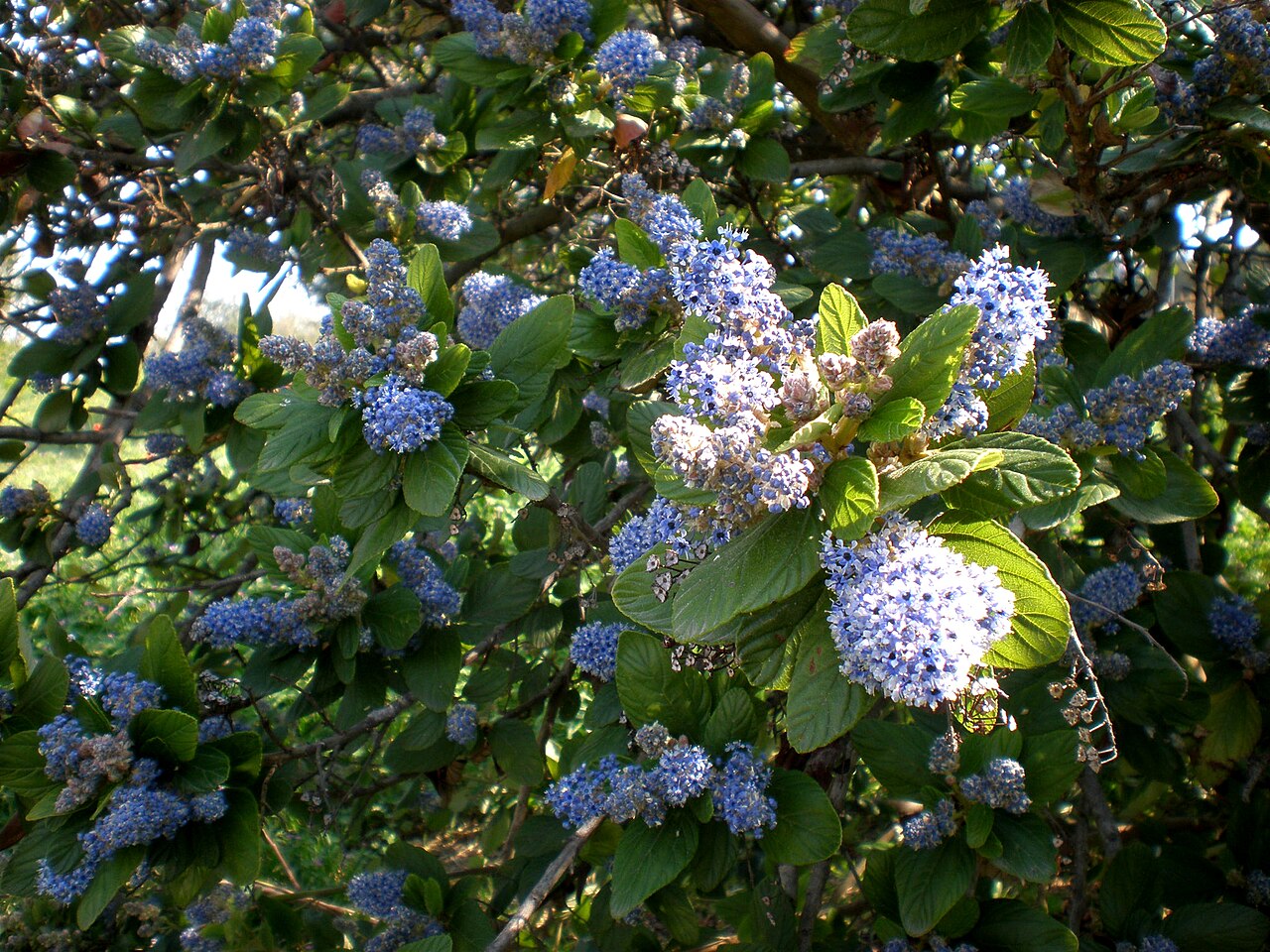
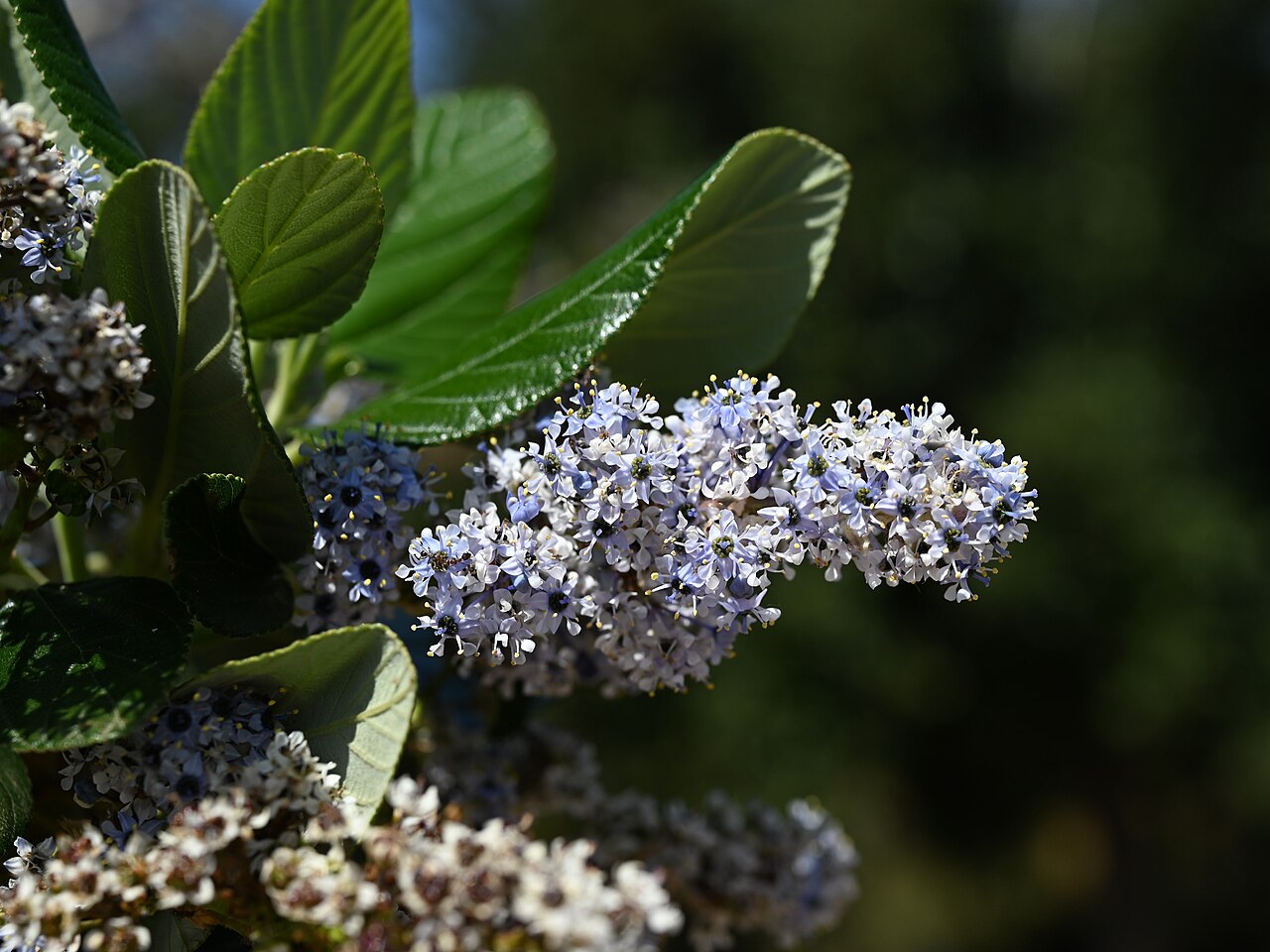
In spring, Island Ceanothus produces an extraordinary flush of pale to medium blue flower clusters, often so dense that the rounded, felt-leaved canopy nearly disappears under the bloom. The large, gray-green, felted leaves — the source of the “feltleaf” name — set it apart from most other Ceanothus species, which tend toward small, glossy, dark green foliage. Both the scale of the plant and the intensity of its bloom make it one of the most dramatic native shrubs in California horticulture.
Island Ceanothus is also a conservation story: its wild populations are concentrated on a handful of California’s Channel Islands, and the species is considered rare and threatened in the wild, principally due to historical grazing damage from introduced livestock. For gardeners along the coast with a large sunny space to fill, cultivating Island Ceanothus is both a striking landscape choice and, in a small way, a nod to a vulnerable island flora.
Identification
Island Ceanothus is identified by its unusually large size for the genus, its felted, gray-green leaves, and its massive, densely packed clusters of blue flowers — a combination that separates it from the many smaller-leaved, more compact Ceanothus species found on the California mainland.
Bark & Stems
Mature plants develop a true woody trunk or several trunks, with smooth, gray-brown bark that roughens and furrows slightly with age — tree-like in form rather than the multi-stemmed shrubby habit typical of most Ceanothus. Young twigs are green to reddish-brown and finely hairy.
Leaves
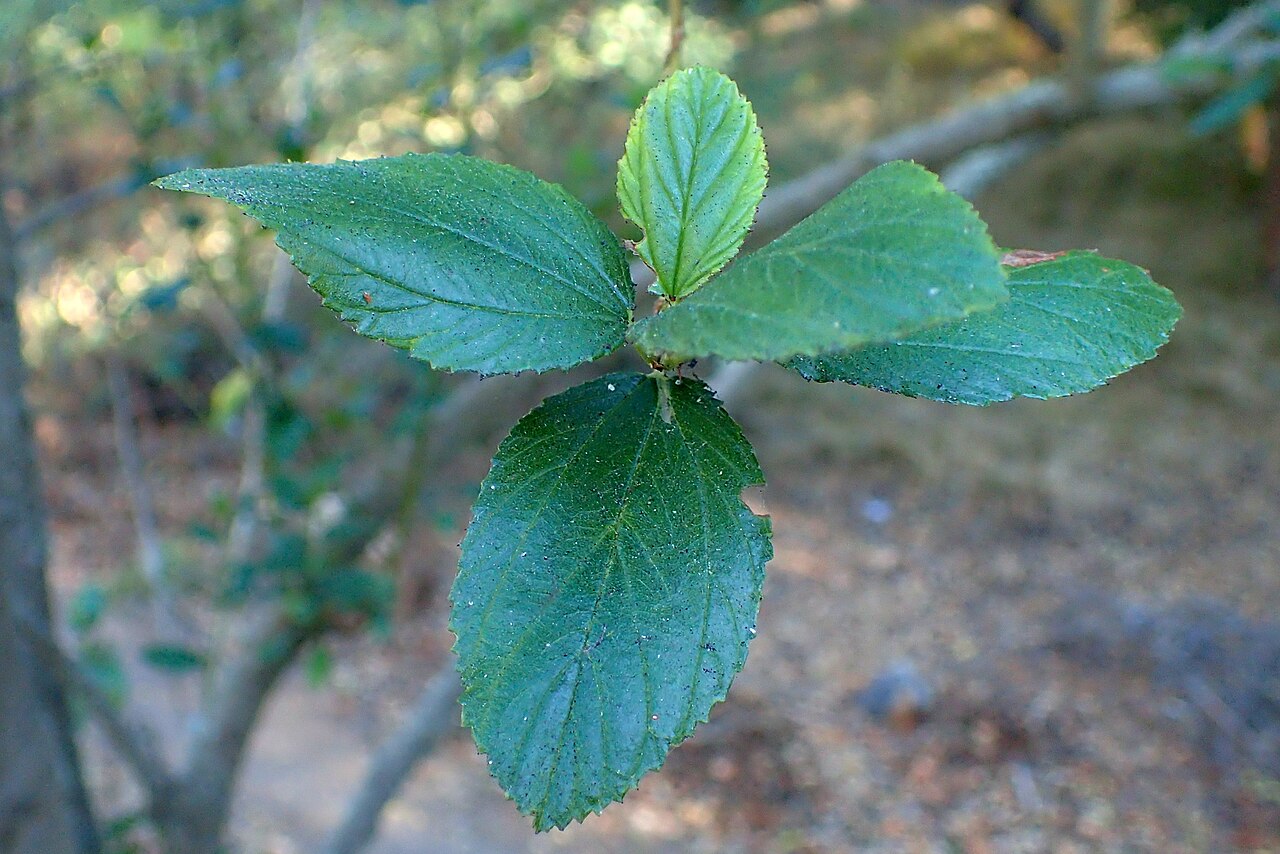
Leaves are large for the genus, typically 2 to 4 inches long, broadly oval, and arranged alternately. The upper surface is dull gray-green, and the underside is densely covered in soft, felt-like hairs (hence “feltleaf”), giving the whole leaf a slightly grayish, textured look compared to the glossy foliage of most other California lilacs. Margins are finely toothed.
Flowers
From late winter into spring (roughly February through April), Island Ceanothus produces large, dense, elongated to rounded clusters (panicles) of small flowers in shades of pale to medium blue, occasionally nearly white. Individual flowers are tiny, but the clusters themselves can reach several inches long, and a well-grown specimen can be covered in bloom from the ground to the top of the canopy — one of the showiest native flowering displays in California.
Fruit & Seeds
Flowers are followed by small, sticky, three-lobed seed capsules typical of the genus. The capsules dry and split explosively at maturity, flinging the small, hard seeds away from the parent plant. As in other Ceanothus, the tough seed coat benefits from heat or scarification to break dormancy, a trait tied to the fire and disturbance history of its island habitat.
Quick Facts
| Scientific Name | Ceanothus arboreus |
| Family | Rhamnaceae (Buckthorn) |
| Plant Type | Evergreen Large Shrub / Small Tree |
| Mature Height | 12–25 ft |
| Mature Spread | 10–20 ft |
| Growth Rate | Fast |
| Sun Exposure | Full Sun to Part Shade |
| Water Needs | Low to moderate; drought tolerant once established |
| Soil Type | Well-drained; tolerant of clay if not waterlogged |
| Soil pH | 6.0–7.5 |
| Bloom Time | February – April |
| Flower Color | Pale to medium blue |
| Fall Color | Evergreen; no fall color change |
| Fruit | Small three-lobed seed capsules |
| Deer Resistant | Moderate |
| USDA Hardiness Zones | 9–11 |
Native Range
Island Ceanothus is a California endemic, native in the wild primarily to the Channel Islands — including Santa Catalina, Santa Cruz, Santa Rosa, and San Clemente Islands — off the coast of Southern California. A small, historically documented native population also occurred on the adjacent mainland at the Palos Verdes Peninsula, though island populations remain the species’ stronghold.
On the islands, Island Ceanothus grows on coastal bluffs, in canyon bottoms, and on north-facing slopes where the mild, fog-moderated maritime climate buffers it from the heat and drought extremes of the nearby mainland. Wild populations have been reduced historically by grazing from introduced sheep, goats, and pigs on several islands; removal of these animals in recent decades has allowed some recovery, but the species remains uncommon and locally rare in the wild, with conservation status tracked by California’s native plant programs.
Island Ceanothus is not native to the California mainland at large — despite being planted in mainland gardens throughout coastal California, the only confirmed wild mainland occurrence is the historical Palos Verdes Peninsula population. Gardeners in mainland Southern California growing this species should understand they are cultivating an island endemic outside its natural range, not restoring a locally wild population, except in that specific area.
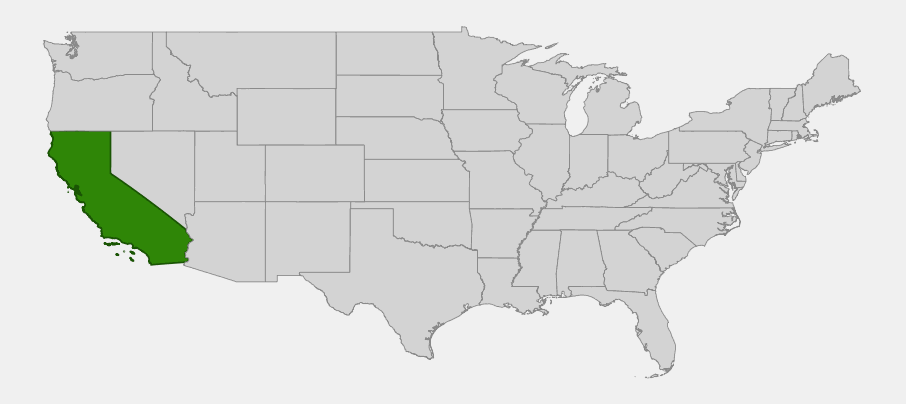
📋 Regional plant lists featuring Island Ceanothus: none of our regional lists cover its narrow Channel Islands range; browse the full native plant directory for related California species.
Growing & Care Guide
Island Ceanothus is fast, dramatic, and relatively easy in coastal and near-coastal California gardens, but like most California lilacs it is unforgiving of summer water and heavy, poorly drained soil.
Light
Plant in full sun for the best flowering and densest form; in hot inland gardens, light afternoon shade helps reduce stress, though this species performs best overall in the mild, fog-influenced conditions closer to the coast that mirror its island origins.
Soil & Water
Island Ceanothus prefers well-drained soil and, once established, needs little to no summer irrigation — like other California lilacs, it is highly susceptible to root and crown rot from summer water on poorly drained or heavy soils. It tolerates clay better than many Ceanothus species but still performs best with good drainage. Water regularly during the first one to two years to establish a deep root system, then taper off sharply.
Planting Tips
Give Island Ceanothus plenty of room to reach its full size — 15 to 20 feet tall and wide at maturity — and site it away from structures and irrigation systems that run through summer. Plant from small container stock in fall, when California’s rainy season can help establish roots before the dry season. Avoid heavy soil amendment at planting, which can create a “bathtub” effect that holds water around the roots.
Pruning & Maintenance
Prune lightly after flowering to shape and control size, avoiding cuts into bare wood, which Ceanothus species generally do not resprout from reliably. This is a relatively short-lived shrub by garden standards — often 15 to 25 years — so plan for eventual replacement rather than expecting a permanent specimen.
Landscape Uses
Its large size and spectacular bloom suit a specific set of landscape roles along the California coast:
- Specimen flowering shrub or small tree in coastal and near-coastal gardens
- Screening or informal hedging where a tall, fast-growing evergreen is needed
- Pollinator gardens — the dense spring bloom draws large numbers of native bees
- Slope plantings on well-drained banks once established
- Habitat and conservation gardens highlighting California’s island flora
Wildlife & Ecological Value
As one of the showiest-flowering native shrubs in coastal California, Island Ceanothus plays a significant role for pollinators wherever it is grown, and an even more specific role within its native island ecosystems.
For Pollinators
The dense late-winter and spring flower clusters are a major nectar and pollen source for native bees, honeybees, and assorted beneficial insects, often drawing audible numbers of pollinators when a mature plant is in full bloom — one of the earliest and most abundant nectar sources in the coastal California bloom calendar.
For Birds & Mammals
Small birds use the dense evergreen canopy for cover and nesting, and the seeds provide food for some birds and rodents once capsules split. On the Channel Islands, native and endemic wildlife historically relied on this and other island shrubs for habitat structure, though introduced grazing animals severely disrupted these relationships for over a century before removal programs began restoring island vegetation.
Ecosystem Role
Like other Ceanothus species, Island Ceanothus fixes atmospheric nitrogen through root nodules, enriching the often thin, rocky soils of its island habitat. As a fast-growing pioneer shrub, it helps stabilize slopes and canyon margins and contributes to the recovery of island plant communities that were degraded by decades of historical overgrazing.
Cultural & Historical Uses
Island Ceanothus does not carry the extensive, well-documented ethnobotanical record of some mainland Ceanothus species, in part because its range is limited to islands that saw different patterns of Indigenous use and, later, ranching history than the adjacent mainland. As with many Ceanothus species, the small, soapy lather produced by crushing fresh flowers in water has occasionally been noted in general accounts of the genus, though detailed, species-specific historical use of Ceanothus arboreus in particular is not well documented.
The species’ modern significance is primarily horticultural and conservation-related: it has been an important parent in Ceanothus hybrid breeding programs, lending its large size and bloom density to several popular garden cultivars, and its island populations are a focus of ongoing native plant conservation efforts following the removal of non-native grazing animals from the Channel Islands.
Frequently Asked Questions
Is Island Ceanothus native to mainland Southern California?
Not generally. It is a Channel Islands endemic, with the only documented wild mainland population historically found at the Palos Verdes Peninsula. It is widely planted in mainland gardens, but that is cultivation, not a native population, outside that specific area.
How big does Island Ceanothus get?
It is the largest species in the Ceanothus genus, typically reaching 12 to 25 feet tall and nearly as wide at maturity — more a small tree than a typical shrub.
Is Island Ceanothus endangered?
It is considered rare in the wild and tracked by California native plant conservation programs, mainly due to historical damage from grazing animals introduced to the Channel Islands. It is not federally listed as endangered, but wild populations remain limited.
Why did my Island Ceanothus die after a few years?
Ceanothus species, including this one, are relatively short-lived (often 15–25 years) and highly sensitive to summer irrigation and poor drainage, which cause root and crown rot. Most garden losses trace back to overwatering rather than old age alone.
Can Island Ceanothus tolerate clay soil?
It tolerates clay better than many Ceanothus species, but good drainage is still important — avoid planting in low spots where water collects, and withhold summer irrigation once the plant is established.

Looking for a nursery that carries Island Ceanothus?
Browse our native plant nursery directory: California