
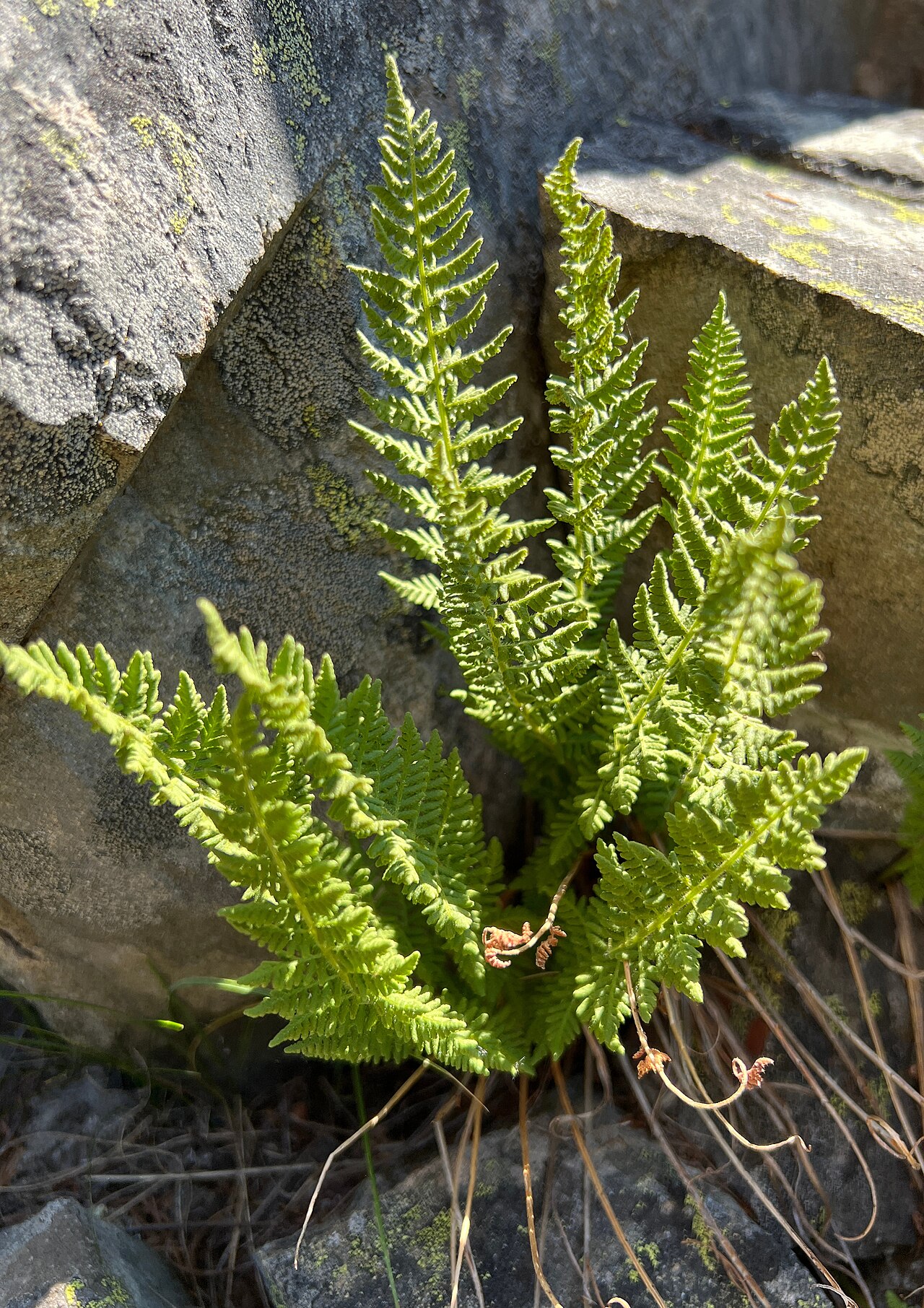
Rocky Mountain woodsia rooted in a tight rock crevice, its classic habitat. Photo: James H. Thomas (Jhorthos) / Wikimedia Commons (CC BY-SA 4.0) Woodsia scopulina,
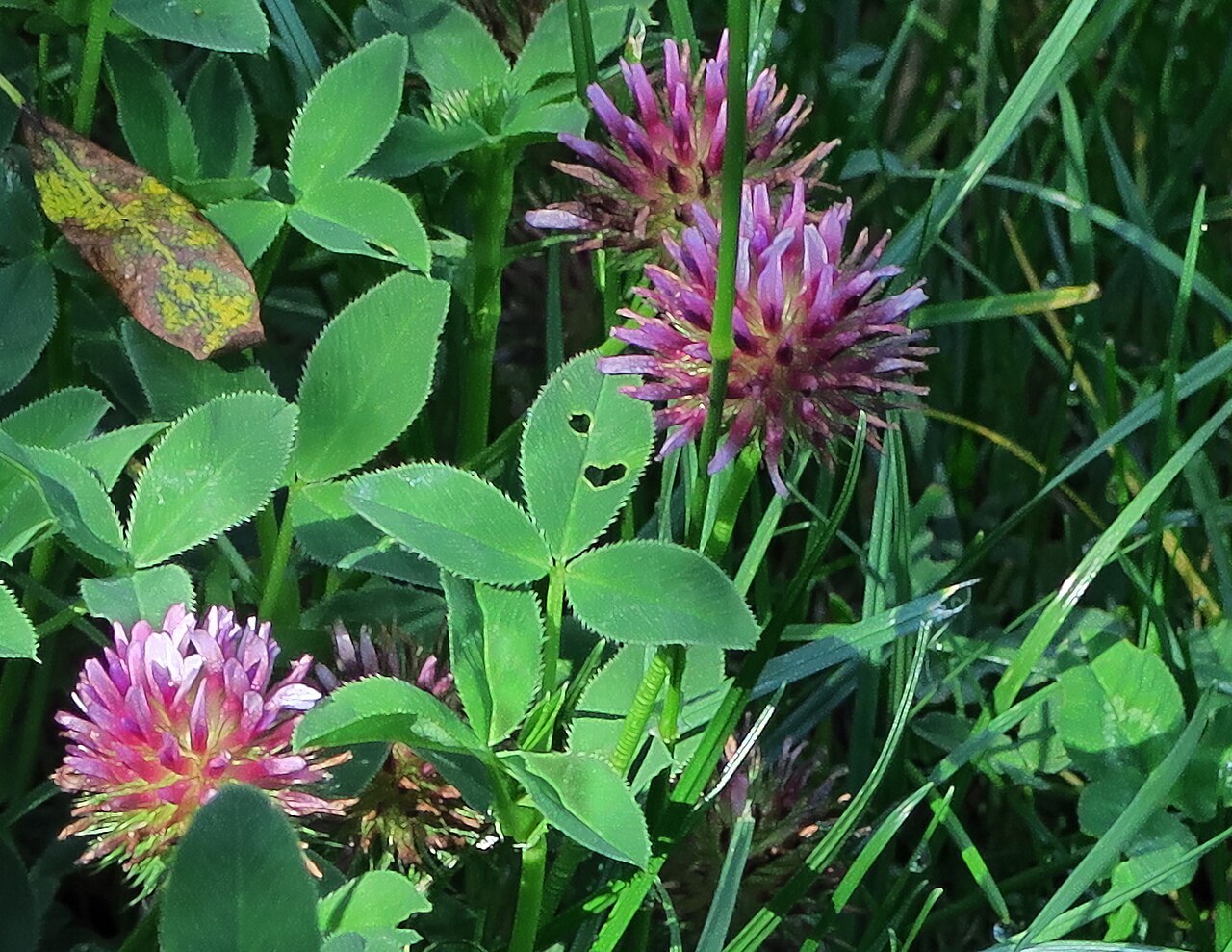
Springbank clover in bloom, showing its sprawling mat habit and toothed trifoliate leaflets. Photo: John Rusk / Wikimedia Commons (CC BY 2.0) Trifolium wormskioldii, commonly
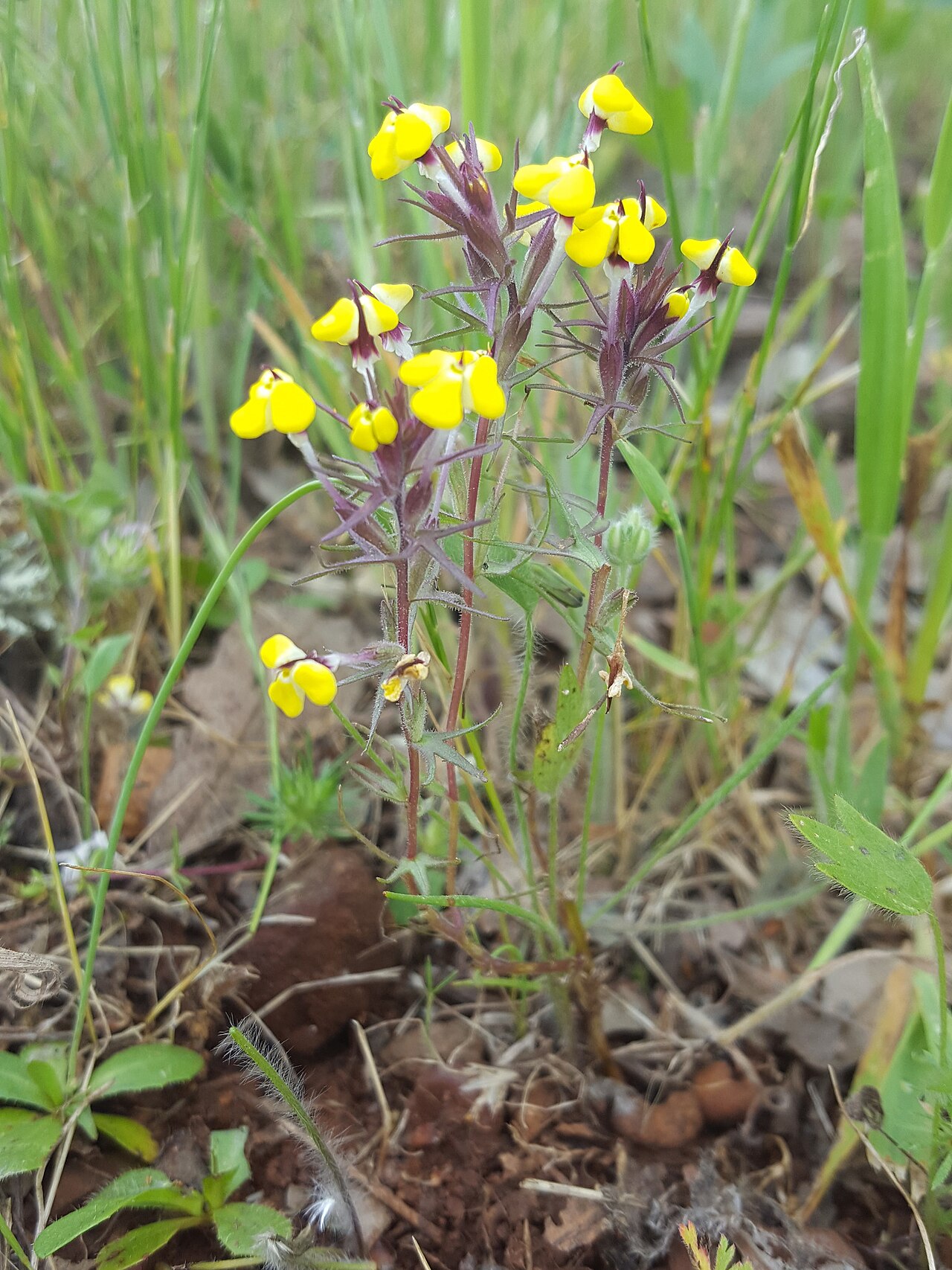
A flowering butter-and-eggs plant, showing its purple-tinged stems and bright yellow blooms. Photo: Alex Abair / Wikimedia Commons (CC BY 4.0) Triphysaria eriantha, commonly called
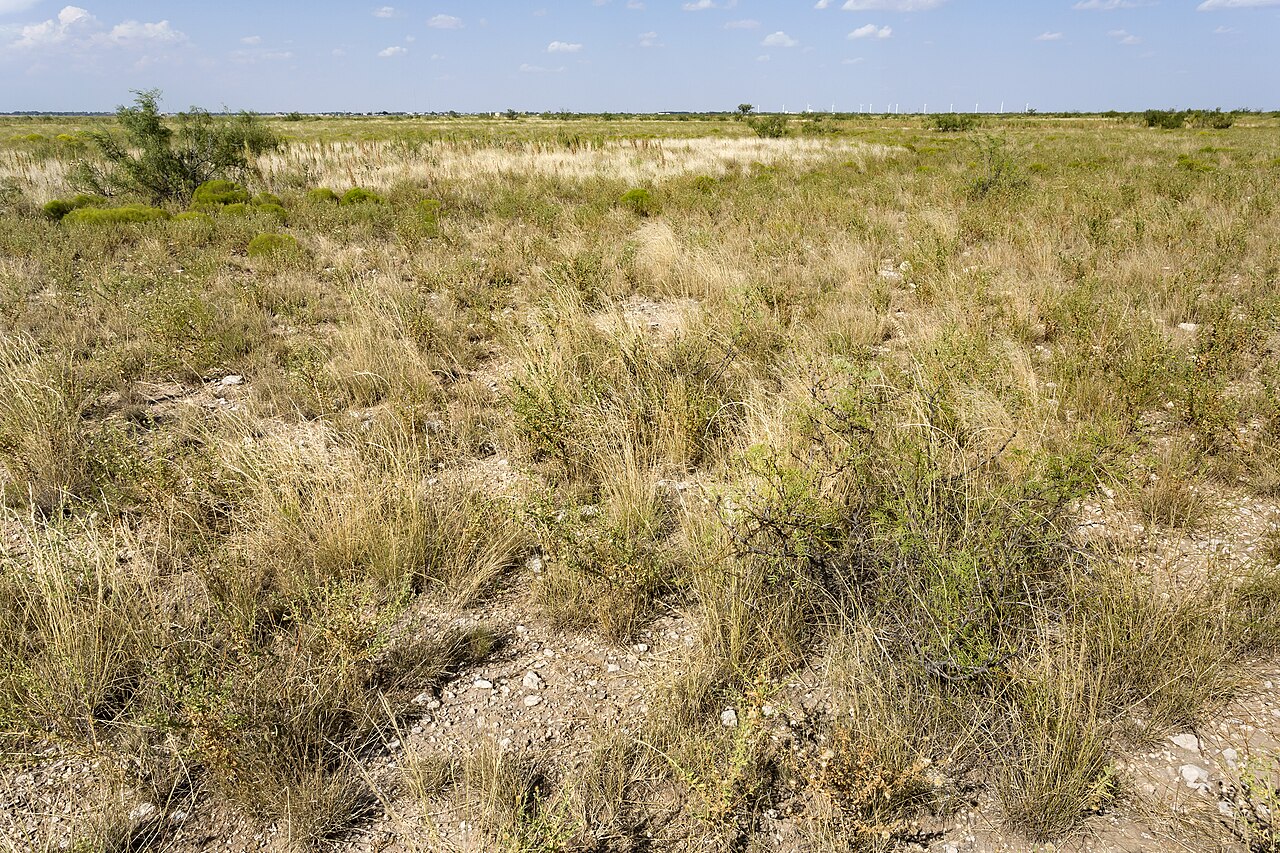
Open plains grassland near Lovington, Lea County, New Mexico — part of White Tridens’ native shortgrass and mixed-grass prairie habitat. Photo: Patrick Alexander (CC0) Tridens
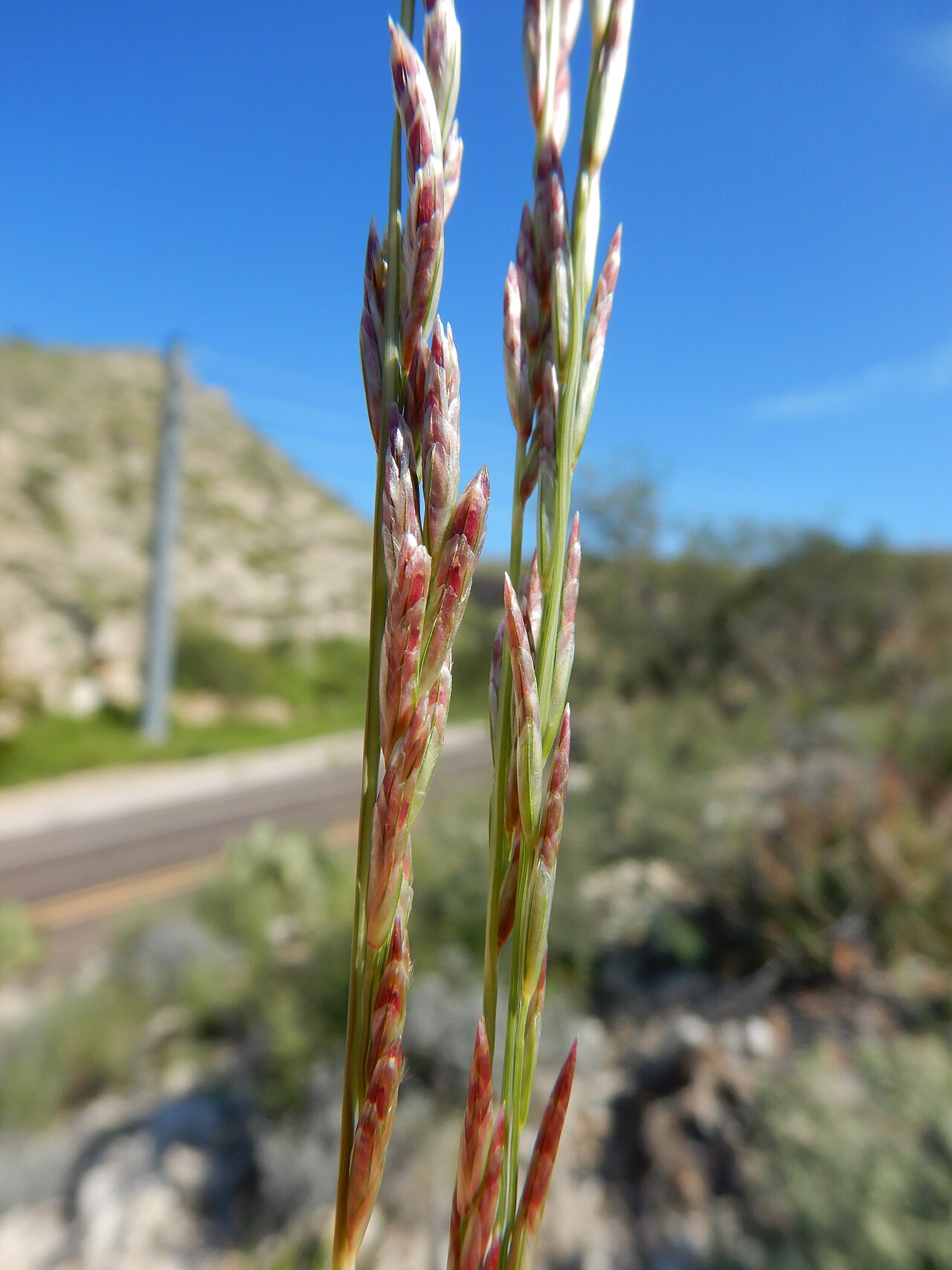
Slim Tridens flowering stems, their narrow spikelets flushed reddish-purple, photographed along the Rio Grande borderlands of New Mexico. Photo: Matt Lavin (CC BY-SA 2.0) Tridens
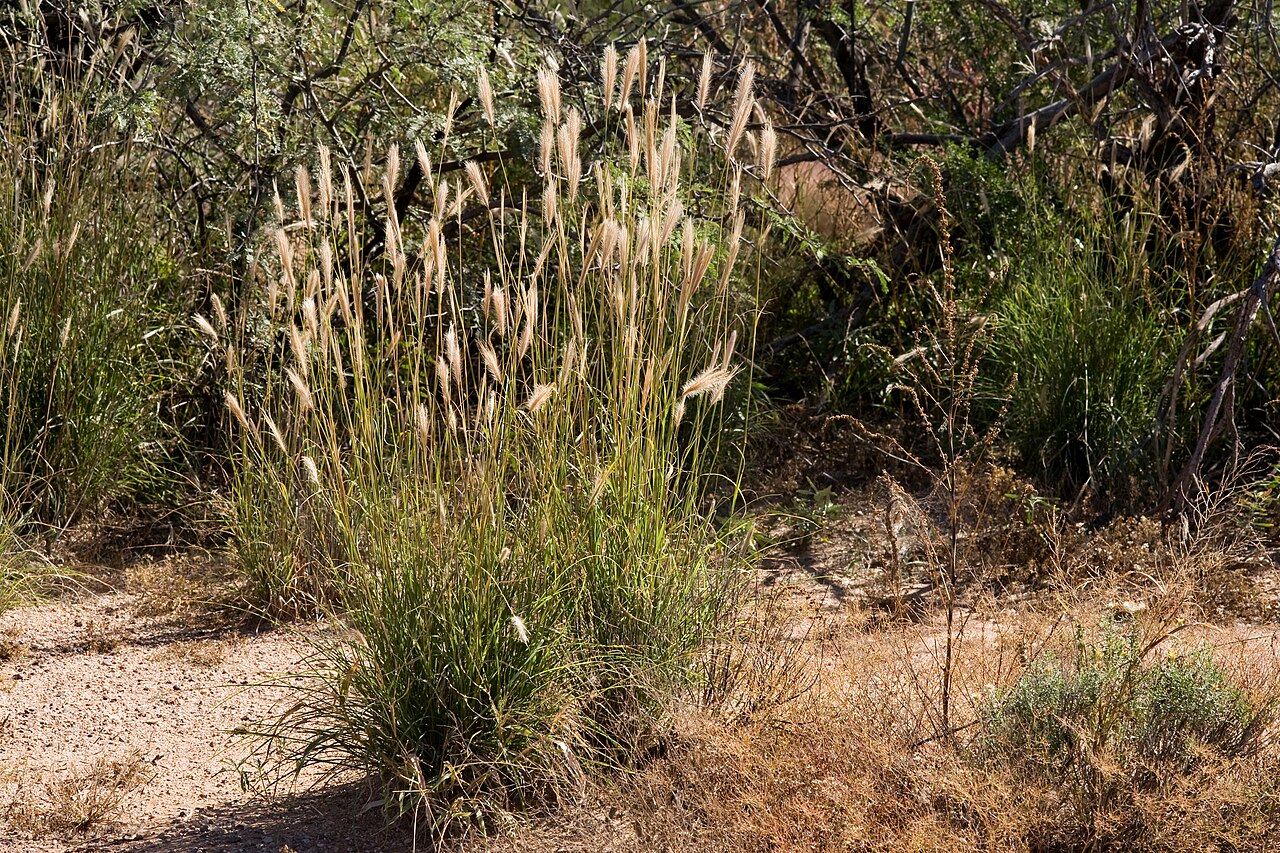
A mature False Rhodes grass clump along a desert wash in Graham County, Arizona. Photo: Patrick Alexander (CC0) Trichloris crinita, commonly called False Rhodes Grass,
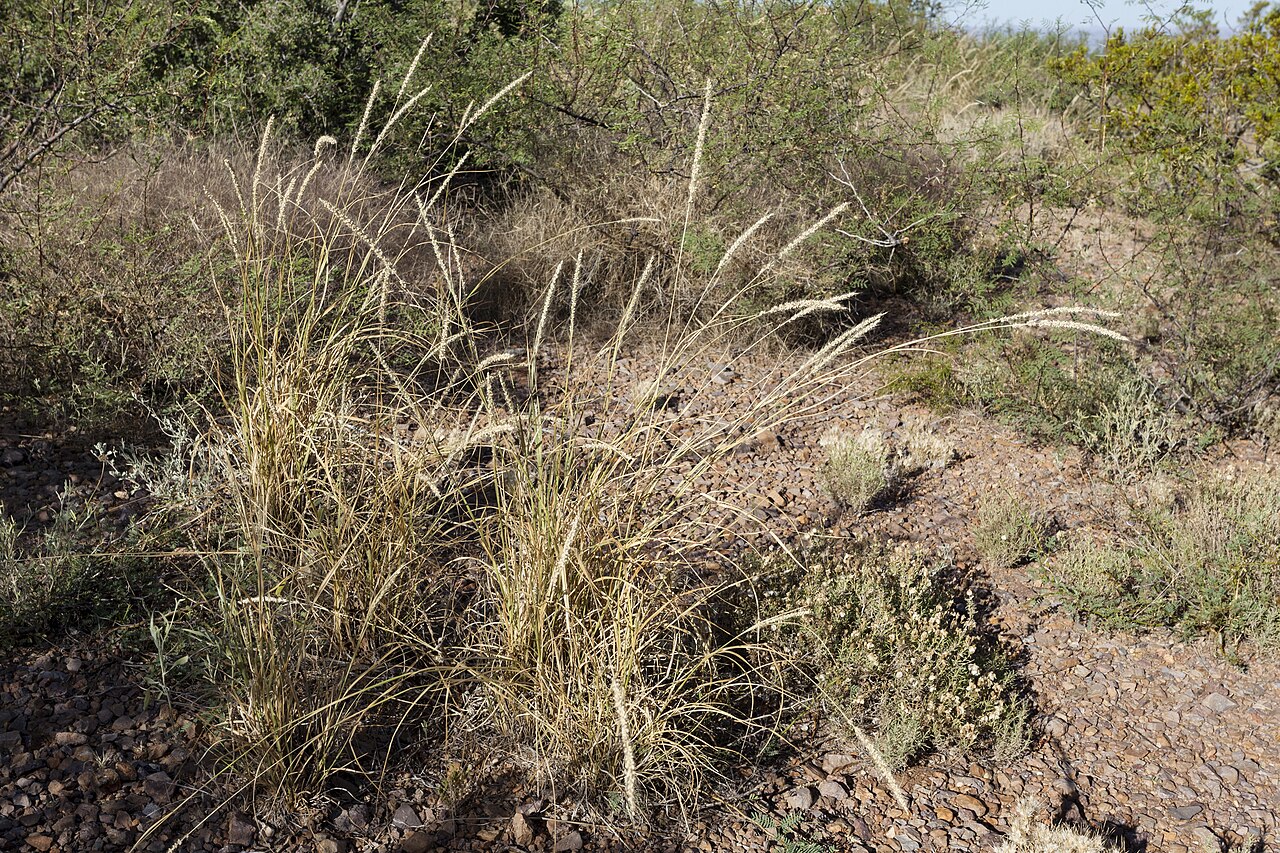
Streambed bristlegrass forms dense bunches with distinctive bristly seed spikes across the southern plains. Photo: aspidoscelis, Wikimedia Commons (CC0) Setaria leucopila, commonly known as streambed
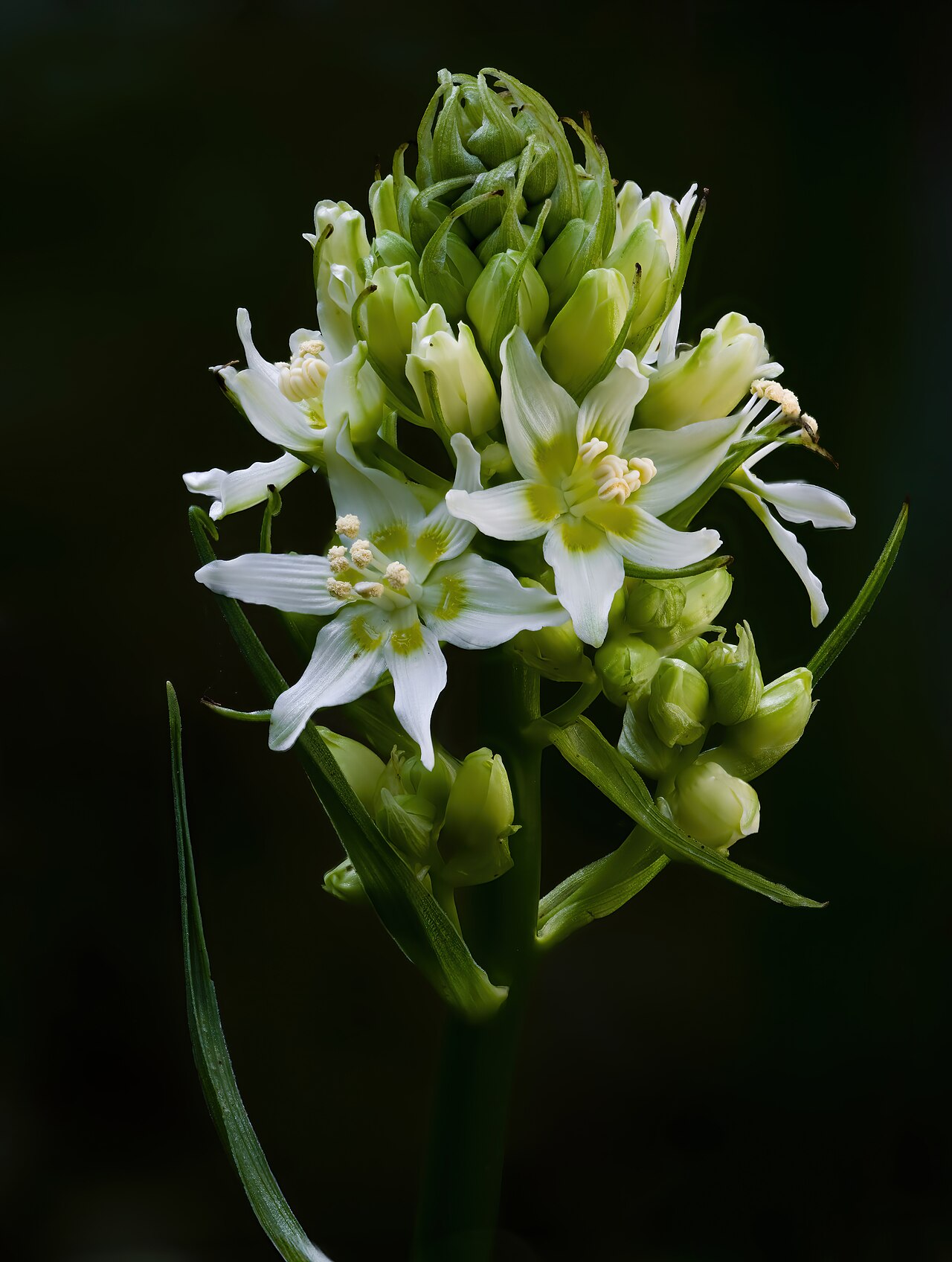
Star lily sends up a showy spike of creamy white, star-shaped flowers from a single underground bulb each spring. Photo: Wikimedia Commons contributor (CC BY
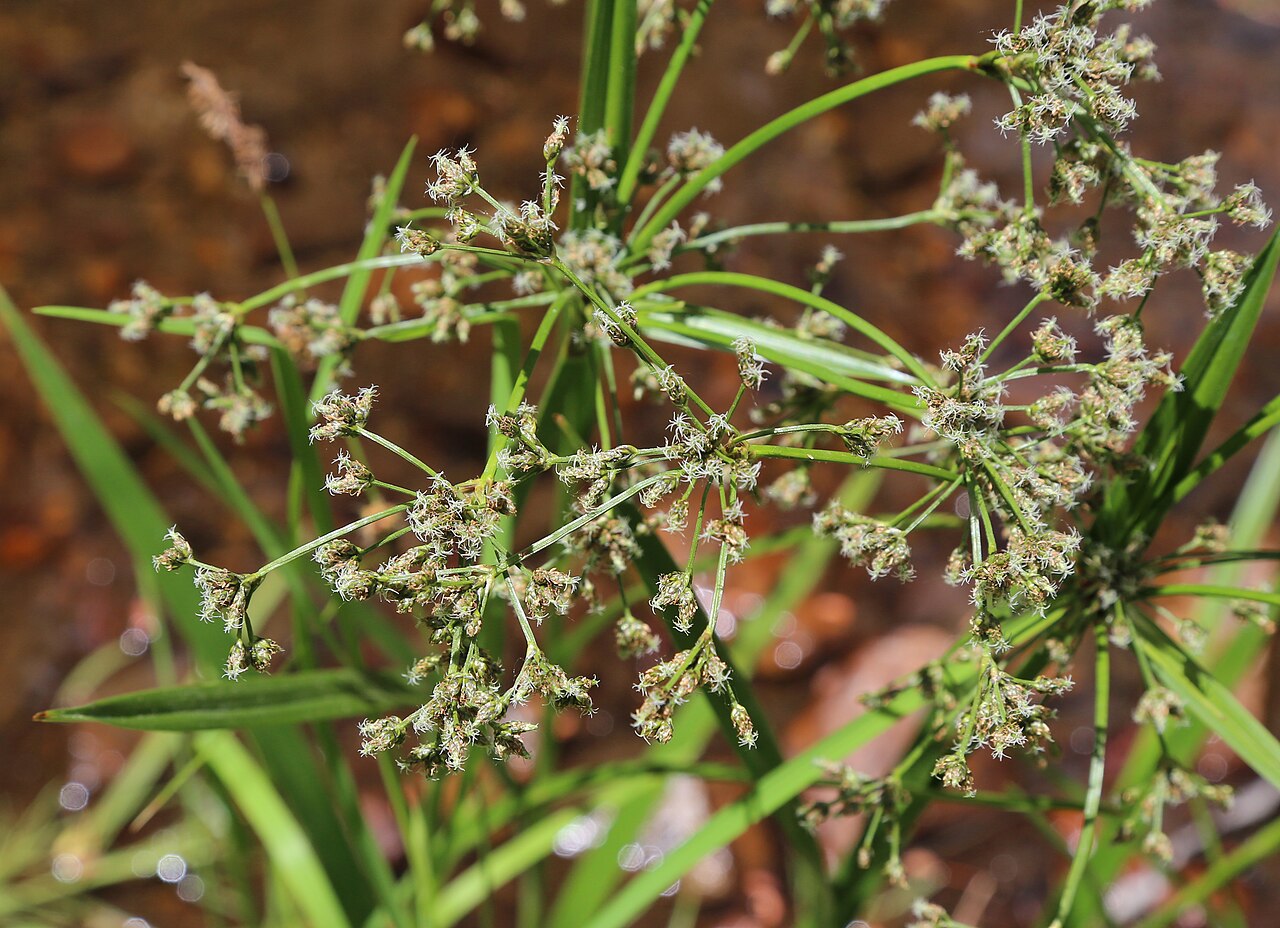
Panicled bulrush produces loose, branching clusters of small spikelets in summer along streambanks and wet meadows. Photo: Wikimedia Commons contributor (CC BY 3.0) Scirpus microcarpus,
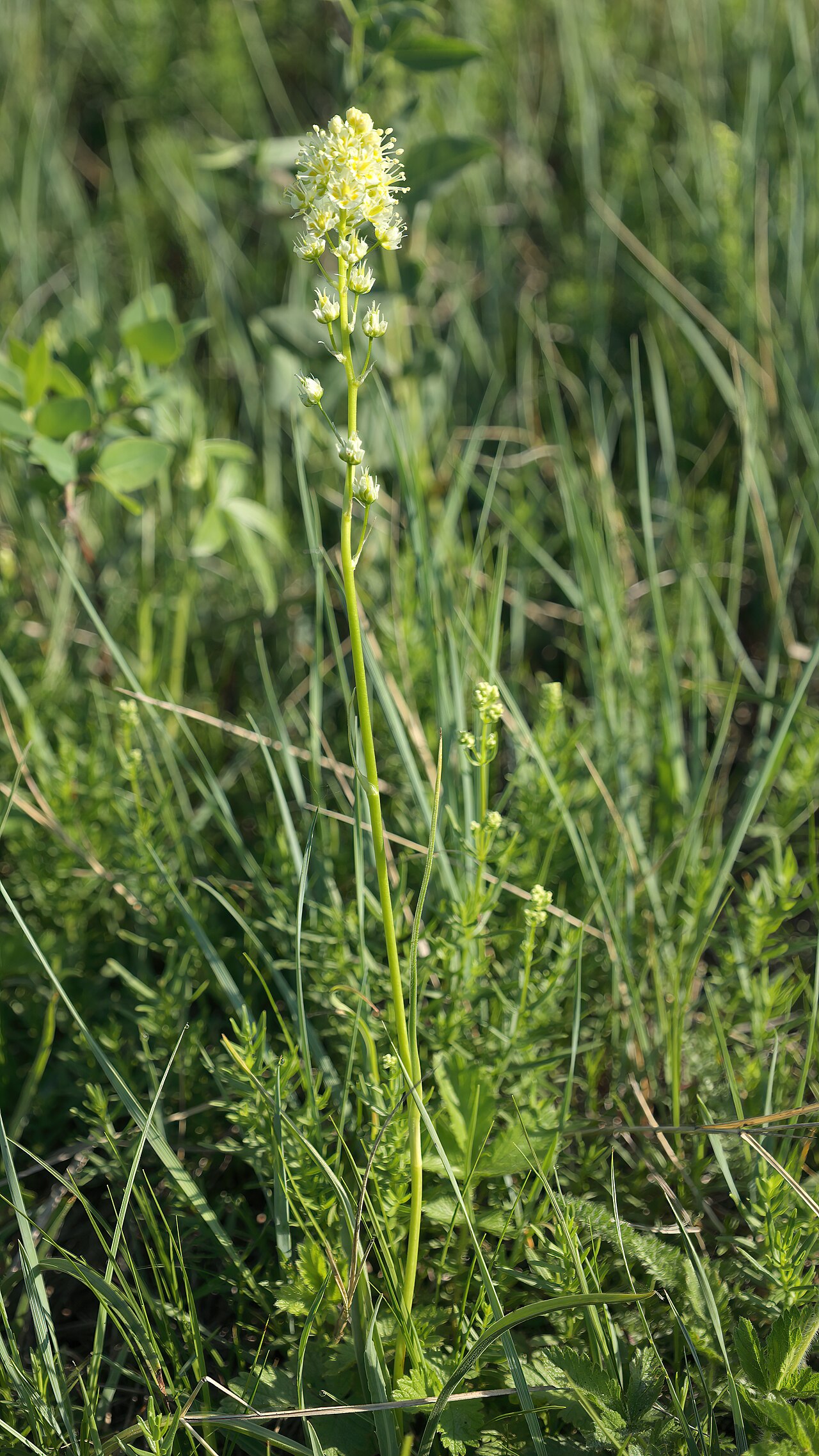
Meadow death camas blooming in grassland — a widespread western wildflower that is highly toxic if eaten. Photo: Wikimedia Commons contributor (CC BY-SA 4.0) Meadow
View More