Virginia Round-leaf Birch (Betula uber)
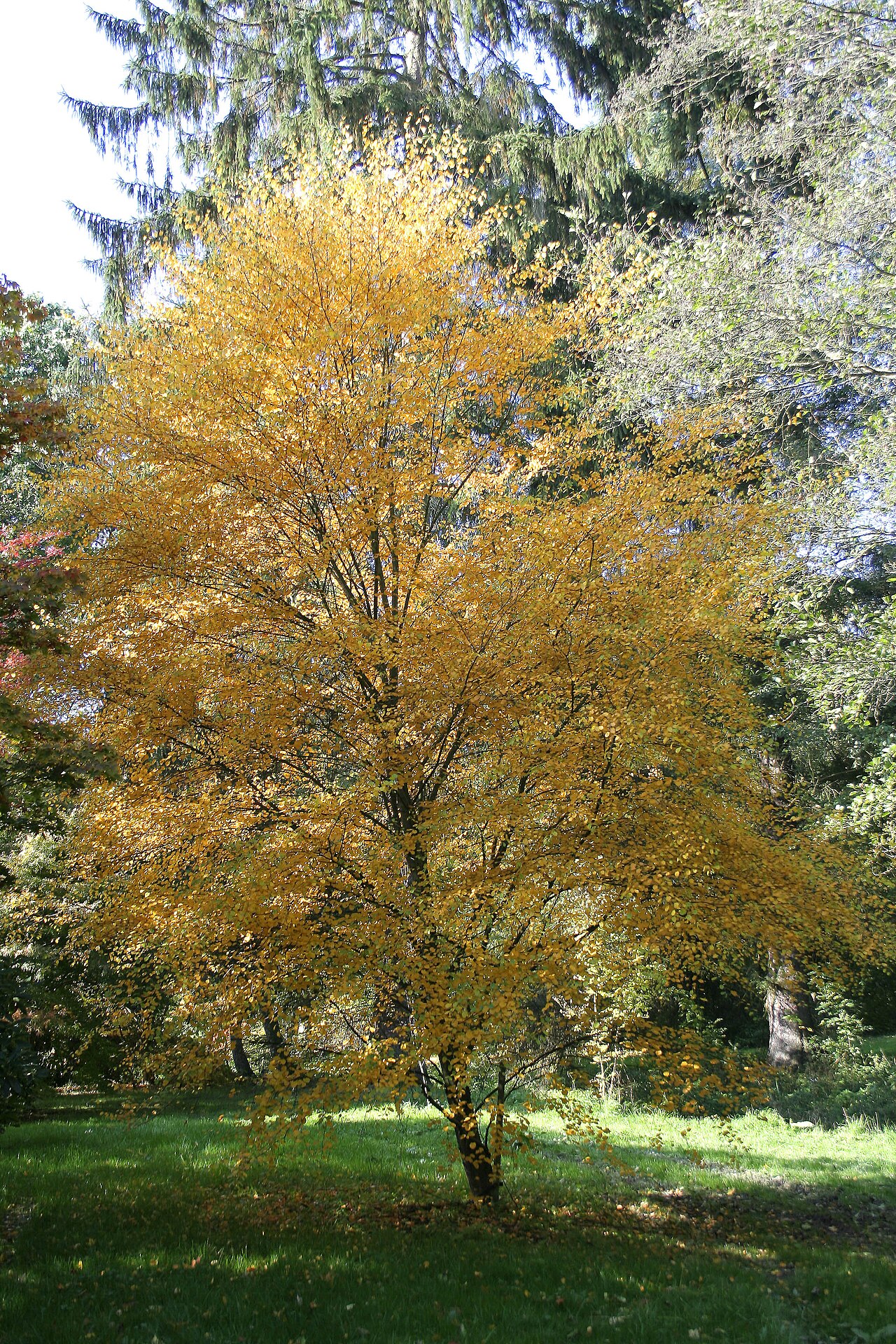
Betula uber, the Virginia Round-leaf Birch, is one of the rarest trees in North America — a small, deciduous birch found growing wild in only a single population along Cressy Creek in Smyth County, Virginia. First collected in 1918 and feared extinct for decades, it was rediscovered in 1975 with only about 40 wild trees known, triggering one of the earliest and most closely watched tree-recovery efforts under the U.S. Endangered Species Act. Virginia round-leaf birch is a close relative of the far more common sweet birch (Betula lenta), and some botanists classify it as a variety of that species rather than a full species in its own right — but because it is also widely recognized and listed as its own federally threatened species, this profile treats it separately and notes that alternative classification below.
In form, Virginia round-leaf birch is a small to medium tree, typically 20 to 40 feet tall, with the aromatic, wintergreen-scented bark and twigs shared by sweet birch, but with notably rounder, less elongated leaves — the feature that gives the species its common name and its original scientific description. It grows along the gravelly floodplain of a single mountain stream in rich, well-watered soil in an open secondary forest, a very narrow habitat niche for a tree.
Because the wild population is so small and so geographically restricted, Virginia round-leaf birch is not a plant most gardeners will ever be able to buy or grow — nursery stock, where it exists at all, generally comes from conservation propagation programs rather than ordinary retail channels. It is included here primarily as a conservation and education profile: a reminder of how narrow a single species’ toehold on survival can be, and a companion piece to the widespread birches and other native trees covered elsewhere on this site.
Identification
Virginia round-leaf birch grows as a small to medium deciduous tree, usually 20 to 40 feet (6–12 m) tall with a trunk under a foot in diameter, and an oval to rounded crown. Young trees have a single straight leader; older wild trees in the Cressy Creek population often show multiple stems from root or stump sprouting.
Bark & Stems
Bark is dark reddish-brown to nearly black on mature trunks, broken into small, close plates rather than peeling in papery sheets the way paper or Alaska birch does — a pattern much closer to sweet birch than to the showier white-barked species. Twigs and inner bark have the same strong wintergreen fragrance characteristic of sweet birch when scratched or broken, a useful field test when other characters are inconclusive.
Leaves
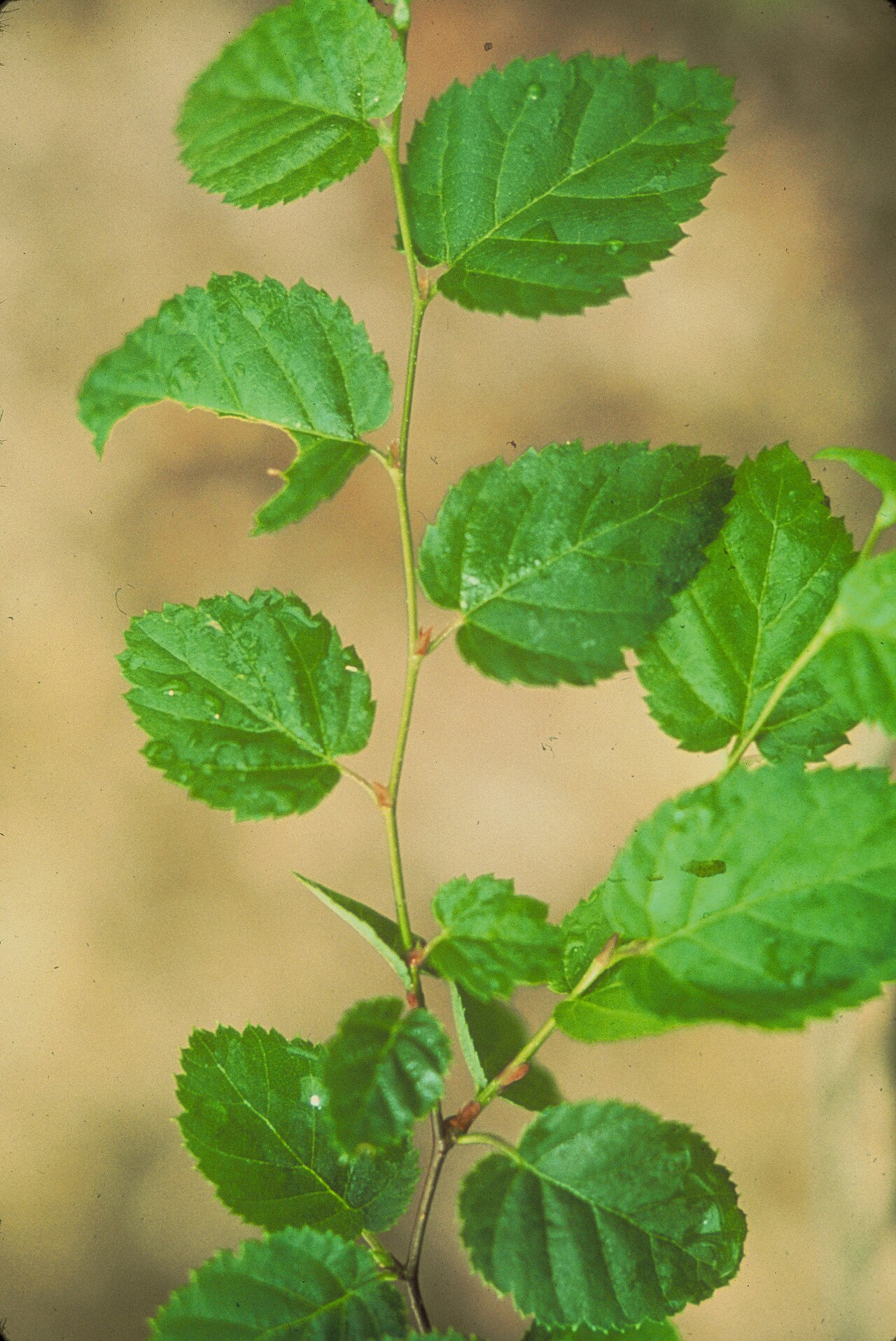
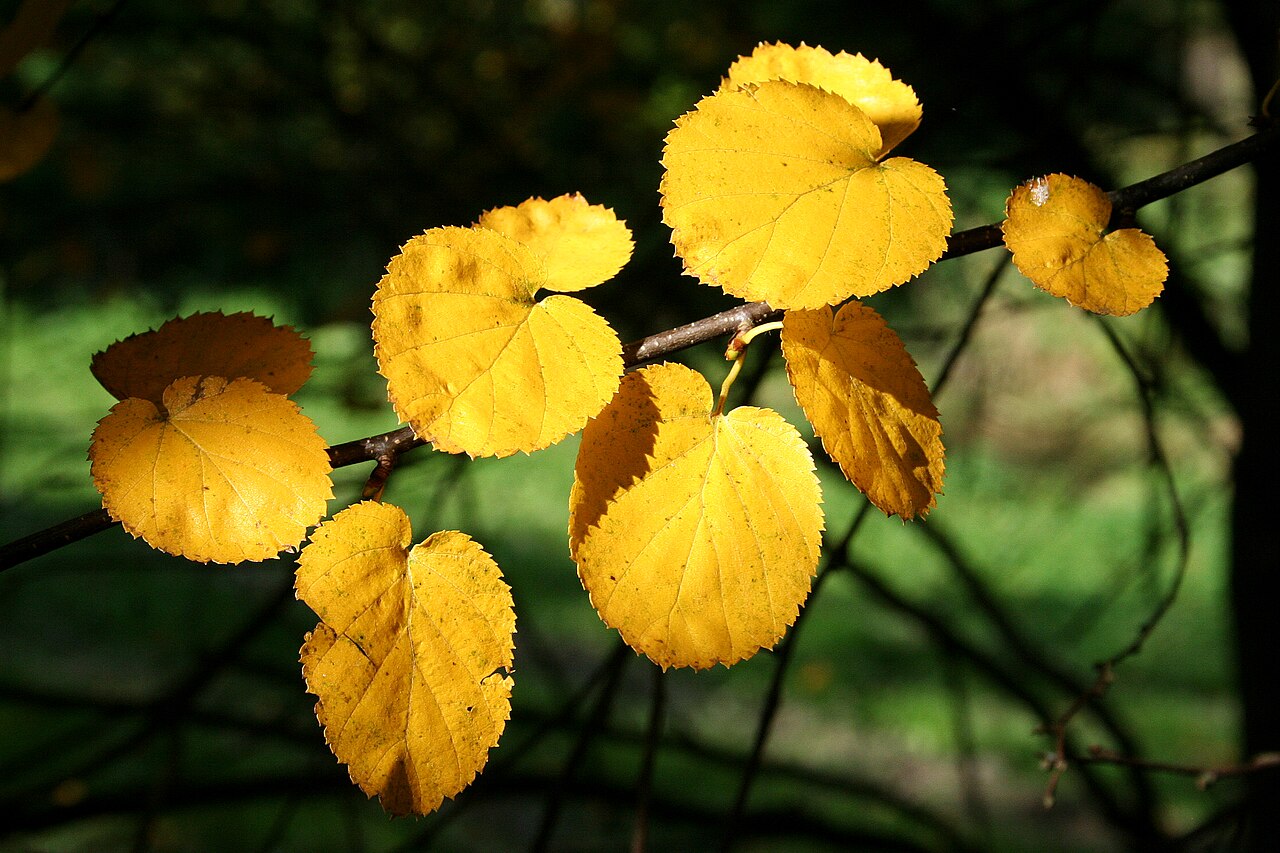
The leaves are the key identifying feature: broadly oval to nearly round (hence “round-leaf”), 2 to 3.5 inches long, with a rounded or only slightly pointed tip, a heart-shaped to rounded base, and finely, evenly toothed margins. This is distinctly different from the more elongated, sharply pointed leaf of typical sweet birch, though intermediate leaf shapes do occur, which is part of why the taxonomic status of the two has been debated for decades. Leaves are dark green and glossy above, paler below, and turn clear yellow in fall.
Flowers
Like other birches, Virginia round-leaf birch is monoecious, with slender drooping male catkins that overwinter and elongate in spring, and smaller, more upright female catkins that emerge alongside the new leaves in April and May.
Fruit & Seeds
Fertilized female catkins mature by late summer into small, upright to spreading, cone-like structures that break apart to release tiny winged nutlets, dispersed short distances by wind and water along the creek corridor where the species grows.
Quick Facts
| Scientific Name | Betula uber (also treated as Betula lenta var. uber) |
| Family | Betulaceae (Birch) |
| Plant Type | Deciduous Tree |
| Mature Height | 20–40 ft (6–12 m) |
| Mature Spread | 15–25 ft (4.5–7.5 m) |
| Growth Rate | Moderate |
| Sun Exposure | Full Sun to Part Shade |
| Water Needs | Moderate to High |
| Soil Type | Moist, rich, stony alluvial soils of mountain floodplains |
| Soil pH | 5.5–7.0 (acidic to neutral) |
| Bloom Time | April – May |
| Flower Color | Yellow-brown (catkins, not showy) |
| Fall Color | Clear yellow |
| Fruit | Small winged nutlets in upright catkin-like cones |
| Deer Resistant | No |
| USDA Hardiness Zones | 5–7 |
Native Range
Virginia round-leaf birch has the narrowest native range of almost any North American tree: a single wild population along the floodplain of Cressy Creek in Smyth County, in the mountains of southwestern Virginia. It is not known to occur naturally anywhere else, and despite having occasionally been reported in neighboring states or counties, those records are not considered reliable wild populations. The U.S. Fish and Wildlife Service and conservation partners have since established several small reintroduction plantings elsewhere within the same general region of southwestern Virginia as an insurance measure, but the one historically confirmed wild site remains in Smyth County.
Within that single drainage, the trees grow on stony, alluvial floodplain soil in an open secondary forest along the creek, at a modest elevation in the ridge-and-valley country of the Appalachians. The site floods periodically, which likely helps keep the open, sunny conditions the species needs and limits competition from longer-lived canopy trees.
Because the species survives today only through intensive, targeted conservation management — habitat protection, controlled reintroduction, and population monitoring led by federal and state agencies — it should never be collected, transplanted, or disturbed from the wild under any circumstances; its federal threatened status makes this both illegal and ecologically irresponsible.
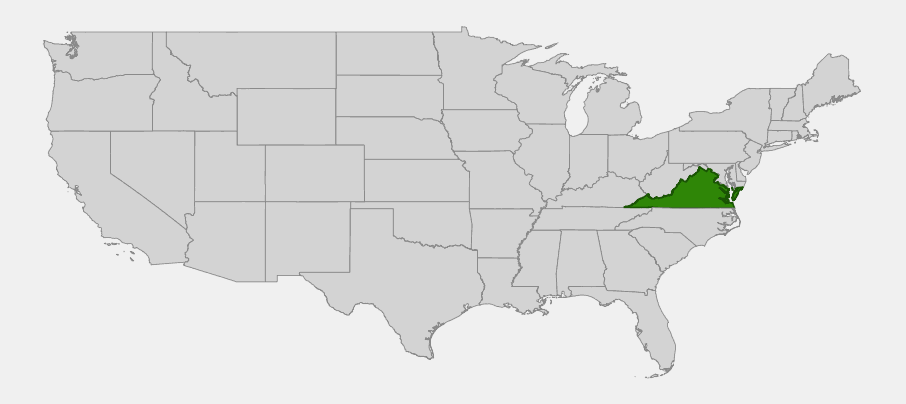
📋 Regional plant lists featuring Virginia Round-leaf Birch: Maryland, Virginia & West Virginia
Growing & Care Guide
Virginia round-leaf birch is not a plant most home gardeners will be able to source, since nearly all living material traces back to the single wild population and its conservation propagation program. Where conservation-sourced plants are available through botanical gardens or native plant societies in southwestern Virginia, the following guidance reflects the conditions it needs to thrive, modeled closely on its wild floodplain habitat and its close relative, sweet birch.
Light
Full sun to light, filtered shade suits it best, echoing the open secondary-forest conditions of its native creekside site. Deep, continuous shade from a closed canopy limits growth and flowering.
Soil & Water
This birch wants consistently moist, well-drained, mineral-rich soil — stony or sandy loam over a floodplain-type profile is ideal, similar to what sweet birch and yellow birch prefer in the southern Appalachians. It does not tolerate prolonged drought or waterlogged, poorly aerated soil equally well; the sweet spot is steady moisture with good drainage, as found along a healthy mountain stream.
Planting Tips
Any planting of this species should come only from documented conservation-propagated stock, never wild-collected material. Choose a site that mimics a mountain floodplain: morning sun, afternoon shade, rich soil, and reliable moisture without standing water. Space trees generously, as for other small-statured birches, allowing 15 to 20 feet for mature crown spread.
Pruning & Maintenance
Prune only in late winter dormancy, as with all birches, to avoid heavy sap bleeding. Remove dead or damaged wood and otherwise leave the tree to develop its natural rounded form. Because so few individuals exist, any planting — whether in a conservation nursery, botanical garden, or research planting — benefits from careful monitoring for pests, disease, and storm damage.
Landscape Uses
Given its rarity, Virginia round-leaf birch is best suited to specific, intentional roles:
- Conservation and education plantings at botanical gardens, arboreta and native plant collections
- Species recovery and reintroduction sites managed by conservation agencies
- Research and genetic-conservation nurseries working to broaden the species’ gene pool
It is not recommended or realistically available for ordinary home landscaping, and anyone interested in supporting the species is better served by donating to or volunteering with a recognized plant conservation organization than by seeking out plant material directly.
Wildlife & Ecological Value
Because the wild population is so small, Virginia round-leaf birch’s direct wildlife impact is necessarily limited in scale, but it functions ecologically much like its relative sweet birch wherever it grows.
For Birds
Seed-eating songbirds such as chickadees and siskins feed on birch catkins and seed in season, and the tree’s foliage supports caterpillars that in turn feed nesting birds through the Appalachian spring and summer.
For Mammals
White-tailed deer browse young stems and foliage, which is one of several pressures conservation managers must account for when protecting the limited wild population and any reintroduction plantings. Small mammals forage on fallen seed.
For Pollinators
Like other birches, this species is wind-pollinated rather than insect-pollinated, though its catkin pollen provides an early-spring food source for some native bees active before most flowers bloom.
Ecosystem Role
Within its single native floodplain site, Virginia round-leaf birch helps stabilize streamside soil and contributes to the structural diversity of an otherwise hemlock- and sweet-birch-dominated forest. Its survival is now tightly bound to active, ongoing habitat management rather than to natural regeneration alone, making it as much a conservation case study as a garden plant.
Cultural & Historical Uses
Virginia round-leaf birch has no significant traditional-use history of its own, both because it was not formally described until 1918 and because its wild population has always been extremely small and localized. Its real cultural significance is modern: its 1975 rediscovery, after being feared extinct for over fifty years, became one of the best-known early success stories of the Endangered Species Act, and the species remains a frequently cited case study in plant conservation biology and recovery planning.
The broader birch family, including this tree’s close relative sweet birch, has a long history of use by Indigenous peoples and settlers in Appalachia for the aromatic inner bark and twigs, which were steeped for tea or used to flavor birch beer — but because Virginia round-leaf birch itself has never existed in harvestable numbers, none of that use history applies specifically to it, and the species should never be tapped, stripped, or otherwise harvested.
Today its main “use” is as a flagship for rare-plant conservation in Virginia, studied by botanists and featured in recovery programs run by the U.S. Fish and Wildlife Service and Virginia state agencies working to secure its long-term survival.
Frequently Asked Questions
Is Virginia round-leaf birch the same species as sweet birch?
That is genuinely debated. Some botanists treat it as a distinct species, Betula uber; others classify it as a variety of sweet birch, Betula lenta var. uber, based on its close genetic and morphological similarity. It is formally listed as a separate federally threatened species, so this profile treats it on its own, while noting the alternative classification as a sweet birch variety. If you are looking for a similar, much more common tree for the garden, see our Sweet Birch profile.
Can I buy or plant a Virginia round-leaf birch?
Realistically, no — almost no nursery stock exists outside conservation and research collections, and all of it traces back to the single wild population in Smyth County, Virginia. Collecting from the wild is illegal under the Endangered Species Act.
Why is this tree so rare?
It is only known from one small, naturally occurring population along a single creek, likely because it depends on a very specific combination of floodplain disturbance, soil, and light that exists in very few places. Historic land use changes around its only known site further reduced its numbers before protection began.
How can I tell it apart from other birches?
Its distinctly rounded, rather than elongated, leaf shape is the clearest field mark, combined with the wintergreen-scented bark typical of sweet birch rather than the peeling white bark of paper or Alaska birch. For general birch identification tips, our birch tree guide covers the bark and leaf characters that separate birch species.
What is being done to protect it?
The U.S. Fish and Wildlife Service, Virginia state agencies, and botanical gardens have worked for decades on habitat protection, population monitoring, and establishing new plantings from conservation-propagated seed to reduce the species’ extreme vulnerability to a single catastrophic event wiping it out.

Looking for a nursery that carries native birch trees?
Browse our native plant nursery directory: Virginia