Moraiolo Olive Tree (Olea europaea ‘Moraiolo’)
Last updated: November 3, 2026
Olea europaea ‘Moraiolo’, the Moraiolo Olive Tree, is an olive oil cultivar from Tuscany that spread through the hill country of central Italy and is now a defining variety of Umbria’s olive groves. Growers plant it above all for the oil: an intensely flavored extra-virgin with pronounced fruitiness, herbal and artichoke notes, and a high polyphenol content that gives it good bitterness, spice and shelf life. Moraiolo olives are central to blends behind Umbria’s Protected Designation of Origin (PDO) oils, usually as the dominant variety alongside smaller amounts of Leccino and Frantoio.
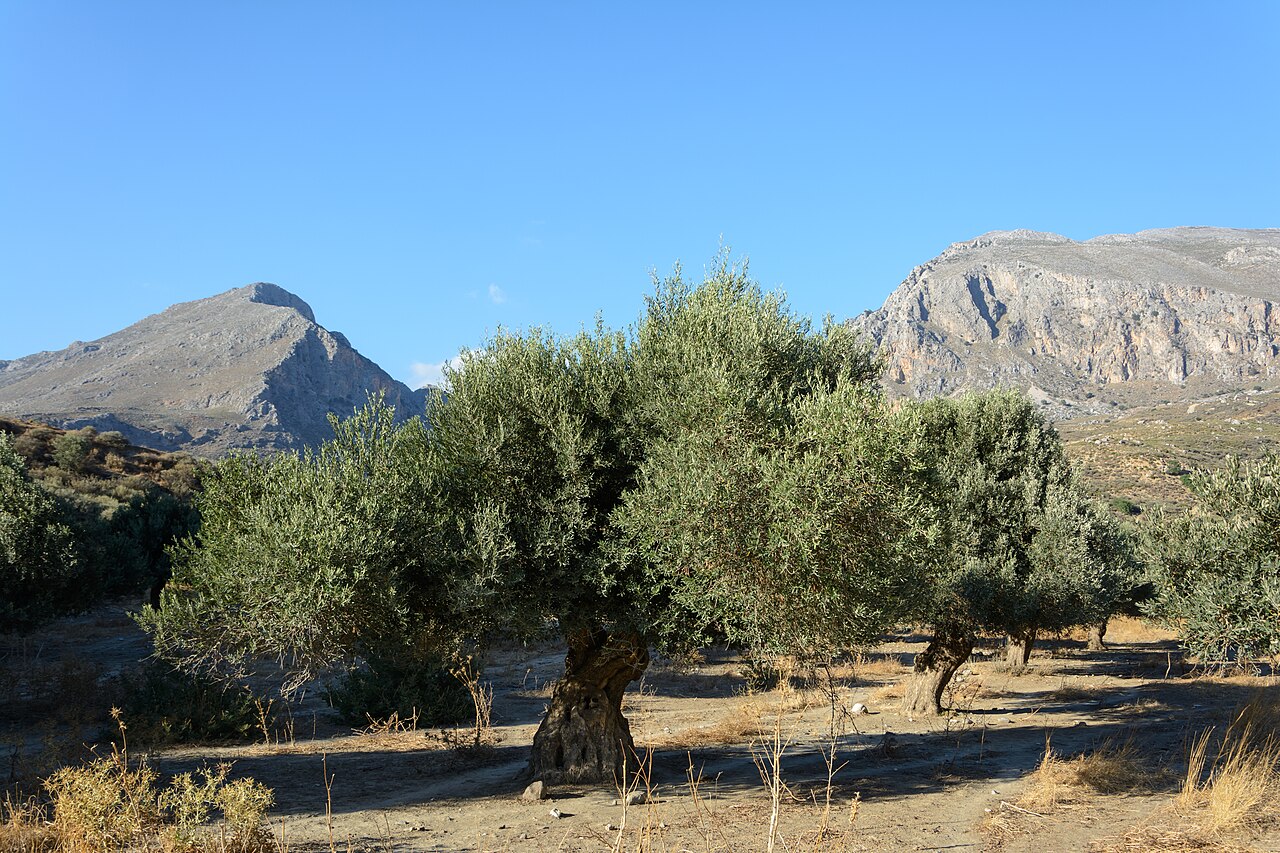
In the garden or grove, Moraiolo is a smaller, upright (“assurgent”) grower on a less robust root system than some other Italian cultivars, which makes it practical for hillside plantings but also means it recovers slowly after heavy pruning. Its fruit is round and notably small, but the tree’s oil yield per pound of fruit is exceptionally high, which is part of why it remains a favorite in central Italy despite its modest fruit size.
Olive (Olea europaea) is native to the Mediterranean basin and the Near East, not North America, so Moraiolo is an introduced, cultivated tree wherever it is grown here. It carries no federal noxious-weed listing, but in parts of coastal and central California, birds spread the fruit of fruiting olive cultivars like Moraiolo into oak woodland and other wildlands, where California’s invasive plant council (Cal-IPC) rates olive a limited-impact invasive. Gardeners in those areas should harvest the crop each year and avoid planting right at a wildland edge.
Identification
Bark & Stems
Moraiolo grows with an upright, somewhat narrow (“assurgent”) habit rather than the broad, spreading form typical of many olive cultivars, on a root system described in Italian sources as less robust than other central Italian varieties. The tree responds slowly to hard pruning cuts, taking longer than most cultivars to regrow strong new wood, so light, frequent pruning suits it better than infrequent heavy cuts.
Leaves
Leaves follow the standard olive pattern — narrow, lance-shaped, dull green above and silvery beneath — in proportions similar to other Tuscan and Umbrian oil cultivars; Moraiolo is identified in the grove mainly by its upright habit and small, round fruit rather than by distinctive foliage.
Flowers
Small, cream-white, wind-pollinated flowers open in clusters along the previous year’s wood in late spring, typical of Mediterranean olive cultivars. Moraiolo crosses reasonably well with its usual grove companions, Leccino and Frantoio, which is part of why Umbrian and Tuscan growers traditionally plant the three together.
Fruit & Seeds
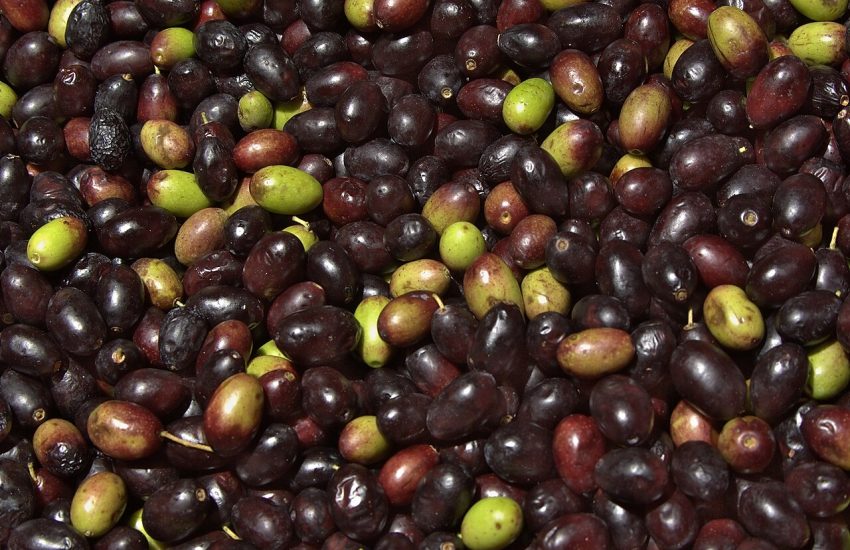
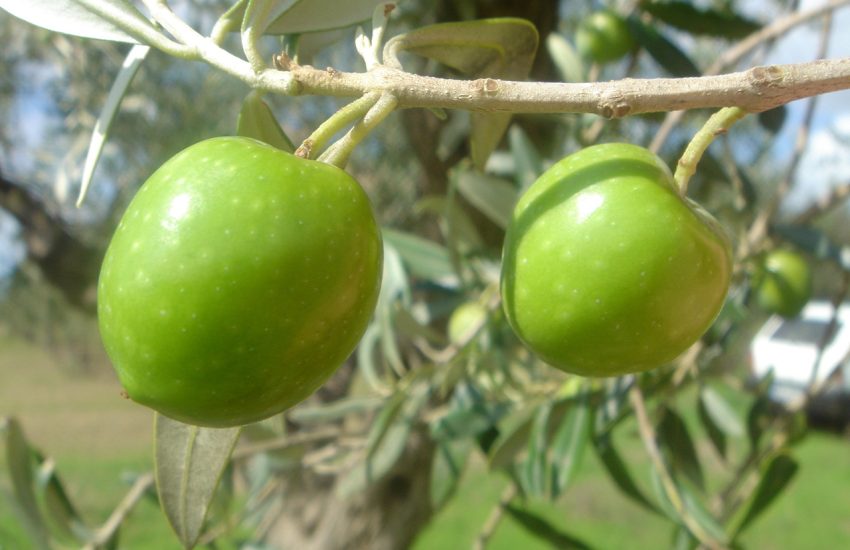
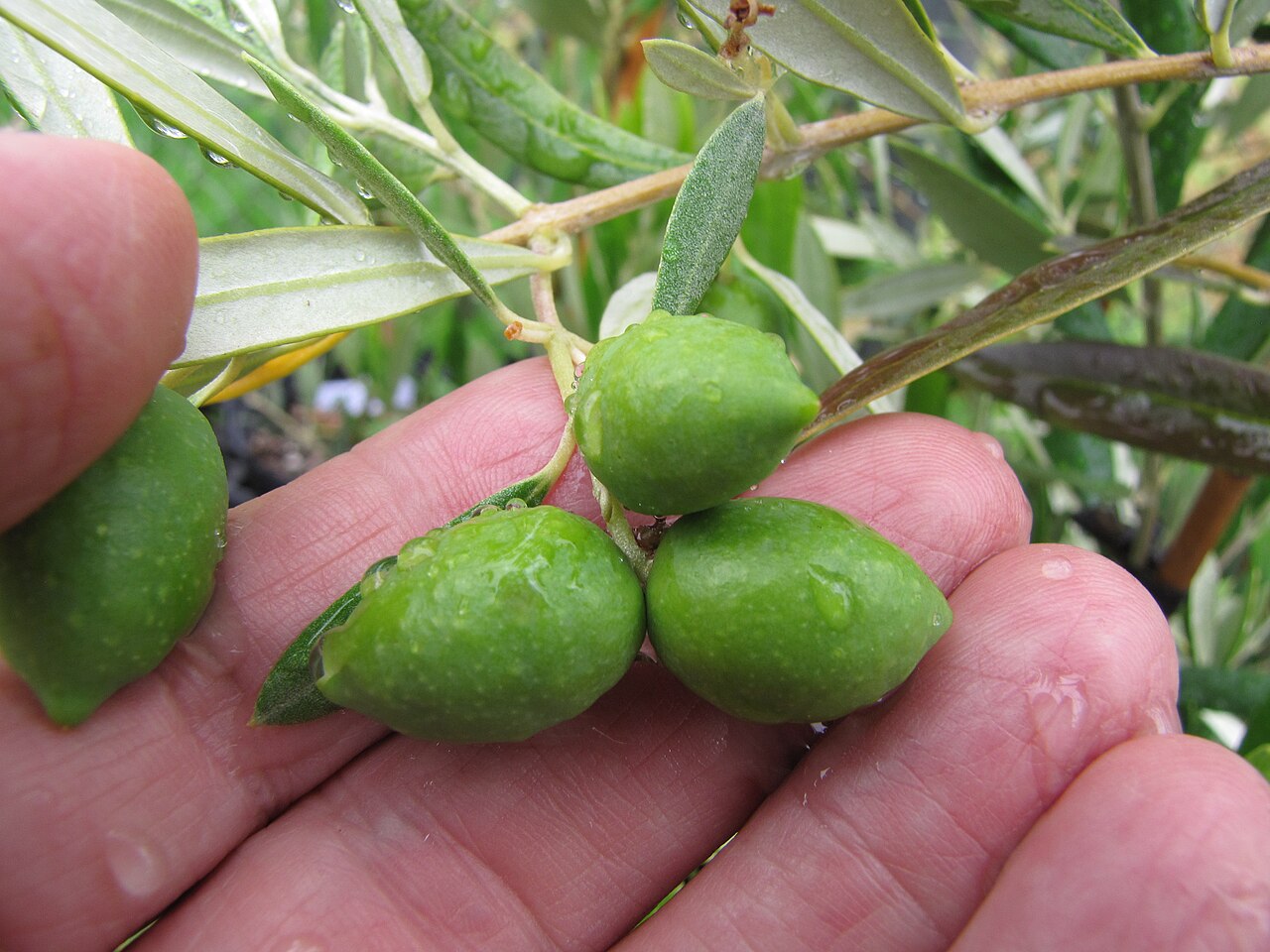
Moraiolo fruit is small and round, ripening to a glossy, deep purple-black. Despite the fruit’s modest size, the cultivar is known for an unusually high oil yield relative to fruit weight — commonly cited around 20% — thanks to dense, high-quality pulp and good resistance to premature fruit drop, which lets growers harvest on their own schedule rather than racing to beat dropping fruit. The oil carries notably high polyphenol levels, giving it a medium-to-intense, well-balanced bitterness and spiciness alongside its signature artichoke and fresh-herb aroma.
Quick Facts
| Scientific Name | Olea europaea ‘Moraiolo’ |
| Cultivar | Moraiolo (syn. Carboncella, Morellino, Nerella, Tondello) |
| Family | Oleaceae |
| Plant Type | Evergreen, upright-growing oil-olive tree |
| Native to North America | No — introduced; species native to the Mediterranean basin and Near East, cultivar developed in Tuscany, Italy |
| Mature Height | 12–20 ft unpruned (commonly held at 8–12 ft) |
| Mature Spread | 10–15 ft, upright and narrower than many olive cultivars |
| Growth Rate | Slow; recovers slowly from hard pruning |
| Sun Exposure | Full sun |
| Water Needs | Low once established; drought tolerant |
| Soil Type | Well-drained hillside or rocky soils preferred |
| Soil pH | Neutral to alkaline (about 6.5–8.5) |
| Bloom Time | Late spring |
| Leaf / Fall Color | Evergreen; gray-green above, silvery below, no fall color change |
| Fruit | Small, round, purple-black; high oil yield (~20%), resists premature drop |
| Deer Resistant | Yes, generally |
| USDA Hardiness Zones | 8b–10; sources disagree on cold tolerance (see Frequently Asked Questions) |
| Invasive Status | Not native; species rated a limited-impact invasive by Cal-IPC in parts of coastal/central California, where birds spread the fruit of fruiting cultivars into wildlands |
Origin & Where It Grows
Moraiolo is indigenous to Tuscany and spread from there across the boundaries of the region into the rest of central Italy, most importantly into Umbria, where it became the backbone variety of the region’s olive groves. It grows across the hilly countryside east of Umbria’s main cities — Gubbio, Assisi, Foligno, Spoleto and Norcia are among the most prized production areas — typically grown alongside Leccino and Frantoio in traditional mixed plantings. Moraiolo is the required majority variety (at least 60%) in Umbria PDO oil from the Colli Assisi-Spoleto subzone, one of the most celebrated appellations in Italian olive oil.
The species itself, Olea europaea, is native to the Mediterranean basin, the Levant and parts of northern Africa. Tuscany and Umbria’s hilly, often cooler and higher-elevation terrain, compared with the flatter, hotter olive country of southern Italy, has shaped Moraiolo into a cultivar associated with the cooler end of the olive-growing climate range, though — as noted below — sources differ on exactly how cold-hardy it is.
In the United States, Moraiolo is a less common planting than mainstream cultivars like Arbequina or Frantoio, found mainly in small oil-focused plantings in California, and in trial or boutique plantings in other warm-temperate regions where growers specifically want a high-polyphenol, Tuscan-style oil.
Moraiolo Origin & Range
| Species Native Range | Mediterranean basin, Near East, parts of northern/eastern Africa |
| Cultivar Origin | Tuscany, Italy, now a signature variety of Umbria |
| Best U.S. Regions | California’s olive-oil regions (Central Valley, Central Coast, foothill sites) |
| USDA Zones | 8b–10 |
| Invasive Status | Not native to North America; limited-impact invasive risk via bird-spread fruit in parts of coastal/central California |
Growing & Care Guide
Moraiolo suits a hillside planting with good drainage and plenty of sun, and it asks for a gentler hand with the pruning shears than more vigorous cultivars.
Light
Full sun is essential for good flowering and fruit development; Moraiolo’s naturally more compact, upright canopy already receives less self-shading than spreading cultivars, but it still needs at least six to eight hours of direct sun.
Soil & Water
Plant in well-drained soil — rocky or thin hillside soils, similar to its native Tuscan and Umbrian terrain, suit it well, as long as water never stands around the roots. Water regularly while young, then taper off; established trees are drought tolerant, though consistent moisture during fruit set and sizing helps maintain the cultivar’s high oil yield.
Planting Tips
Give Moraiolo normal olive spacing, around 12–18 ft, and consider interplanting with Leccino or Frantoio, its traditional grove partners in Italy, both for cross-pollination benefits and to echo the traditional Umbrian blend if you intend to press your own oil.
Pruning & Maintenance
Prune lightly and often rather than making large, infrequent cuts: Moraiolo is specifically noted for a slow recovery from pruning wounds, so heavy cutting can set the tree back further than it would a more vigorous cultivar. Remove crossing or crowded interior branches in late winter to maintain airflow and light penetration, which also helps with fruit quality.
Propagation
Moraiolo must be propagated by cuttings or grafting to stay true to type; seedlings grown from its fruit will not reproduce the parent’s oil chemistry or growth habit.
Landscape Uses
- Home oil production for gardeners wanting a high-polyphenol, Tuscan/Umbrian-style peppery oil
- Hillside and slope plantings, where its upright habit and tolerance of thin, rocky soil are assets
- Mediterranean gardens as a narrower, more upright olive accent than spreading cultivars
Harvest & Pollination
Moraiolo is traditionally grown alongside Leccino and Frantoio, which improves pollination and fruit set for all three, though it is not strictly documented as self-incompatible the way some cultivars are — planting a companion cultivar is still good practice. Fruit resists dropping prematurely, which gives growers flexibility in choosing a harvest date; most Italian producers pick while the fruit is still turning color, before full black ripeness, to maximize the oil’s polyphenol content and characteristic bitterness and spice. Like all olives, the raw fruit is bitter and inedible straight off the tree and must be cured before eating; Moraiolo is grown almost exclusively for oil rather than table use.
Wildlife & Ecological Value
Olive flowers, including Moraiolo’s, are wind-pollinated and offer little nectar, so they support far fewer pollinators than a comparable native flowering tree, though generalist bees will take pollen opportunistically. Where olive trees are left unharvested, birds including robins and starlings eat the ripe black fruit and disperse the seed, part of why fruiting olive cultivars carry a limited-impact invasive rating from Cal-IPC in parts of coastal and central California — another reason to pick Moraiolo’s crop rather than leave it to drop. As an introduced fruit-and-oil tree, Moraiolo offers considerably less habitat and food-web value than a comparable native tree.
Native Alternatives
- Desert Olive (Forestiera neomexicana) — a tough, drought-tolerant native small tree/shrub for dry-climate gardens
- Texas Olive (Cordia boissieri) — a showy-flowered, drought-tolerant native small tree
- American Sweet Olive / Devilwood (Osmanthus americanus) — a native evergreen Oleaceae relative for Southeastern gardens
- Arizona Rosewood (Vauquelinia californica) — an evergreen, drought-tolerant native shrub/small tree for hot, arid Southwestern landscapes
- Honey Mesquite (Prosopis glandulosa) — a native, deep-rooted small tree for dry, hilly or desert sites
History & Uses
Moraiolo’s long association with Tuscany and Umbria has made it, alongside Frantoio and Leccino, one of the “big three” traditional olive cultivars of central Italy. Its oil’s intense, balanced fruitiness, bitterness and spiciness — notes of artichoke and fresh-cut grass are often mentioned by tasters — made it a natural anchor for Umbria’s Protected Designation of Origin oils, particularly the Colli Assisi-Spoleto subzone, where regulations require Moraiolo to make up at least 60% of the blend alongside Leccino and Frantoio.
Harvest dates and press timing are tightly regulated under that PDO, with olives required to be picked no later than mid-January and pressed within hours of harvest to preserve freshness and flavor, a tradition that reflects how central Moraiolo’s quality is to the region’s culinary identity. The oil remains a defining ingredient of Umbrian cooking, used both raw as a finishing oil and for cooking dishes throughout the region.
Frequently Asked Questions
Is Moraiolo olive native to North America?
No. Olea europaea is native to the Mediterranean basin and Near East; Moraiolo is a Tuscan cultivar introduced to North America for cultivation. It is not federally listed as invasive, but fruiting olive cultivars are rated a limited-impact invasive by Cal-IPC in parts of coastal and central California, so harvest the fruit and avoid planting next to wildland there.
How cold-hardy is Moraiolo?
Sources disagree. Several accounts describe Moraiolo as a hardy, resilient cultivar well suited to the hilly, cooler terrain of Umbria and Tuscany, while at least one source describes it as poorly tolerant of low temperatures. Treat it as moderately cold-tolerant for an olive (roughly zone 8b–10) and site it with winter protection at the cooler edge of that range until you know how it performs locally.
Why does Moraiolo oil taste so intense?
Moraiolo has a notably high polyphenol content for its fruit size, which gives the oil pronounced bitterness, a peppery spice, and herbal, artichoke-like flavor notes — qualities Umbrian producers specifically prize and regulate for in their PDO oils.
Can Moraiolo olives be eaten straight from the tree?
No. Like all raw olives, Moraiolo fruit is bitter from natural compounds and must be cured before eating. In practice, Moraiolo is grown almost entirely for oil rather than as a table olive.
Does Moraiolo need a pollinizer?
It is not documented as strictly self-incompatible, but Italian growers traditionally interplant it with Leccino and Frantoio, which improves pollination and fruit set for all three and is good practice to follow in a home planting.