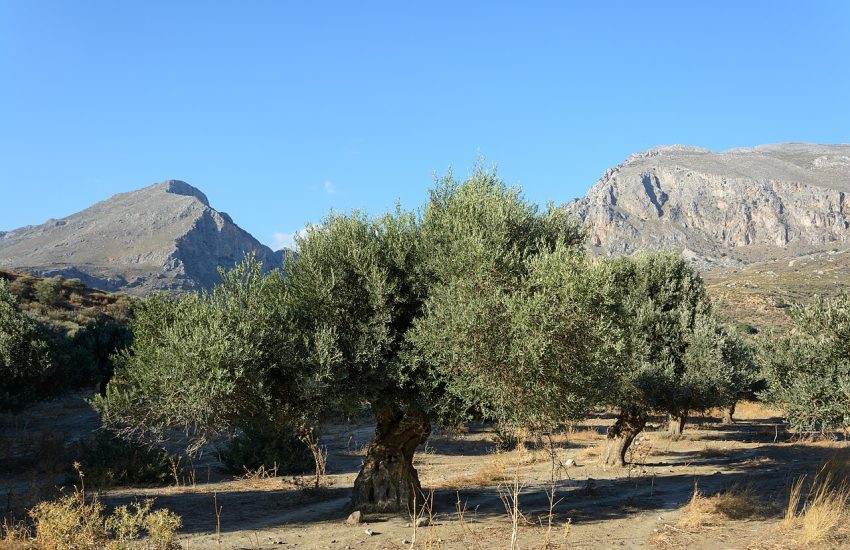
Nocellara del Belice Olive Tree (Olea europaea ‘Nocellara del Belice’)
Last updated: November 3, 2026
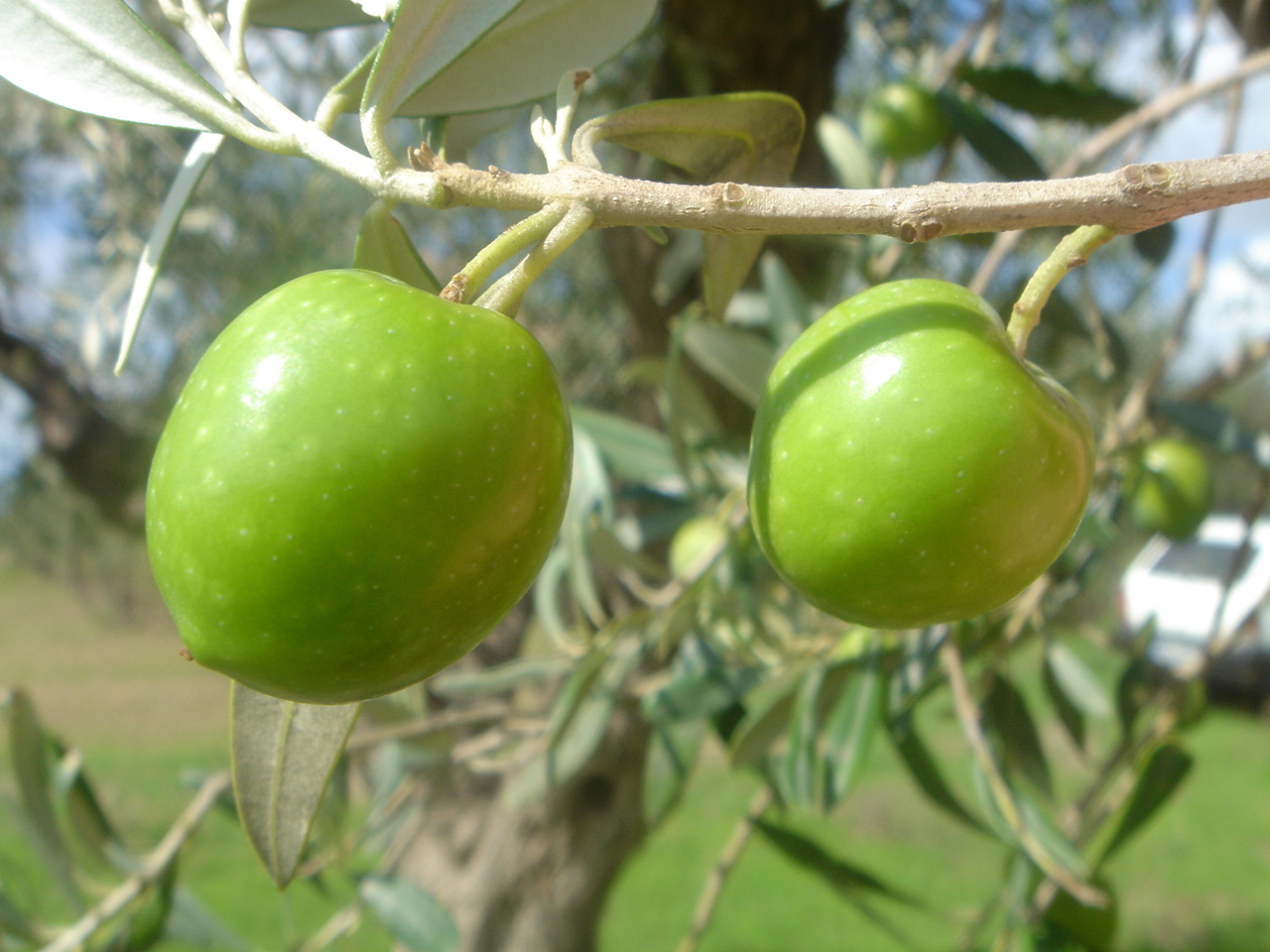
Olea europaea ‘Nocellara del Belice’, the Nocellara del Belice Olive Tree, is a Sicilian table-olive cultivar grown for centuries in the Belice Valley of western Sicily, between Castelvetrano and Mazara del Vallo. Gardeners and small growers plant it for its fruit: large, firm, crunchy green olives with a mild, buttery flavor — the same olives sold in the U.S. as “Castelvetrano” olives, among the best-selling specialty table olives in American grocery stores.
In the landscape it is a medium-vigor, spreading tree with a moderately dense canopy and notably broad leaves for an olive, and it produces the heaviest, largest fruit of nearly any cultivar commonly grown — a trait that makes it rewarding both to look at on the tree and to harvest. The fruit can also be pressed for a mild, low-bitterness oil, though its fame rests on table use.
Olive (Olea europaea) is native to the Mediterranean basin and Near East, not North America, so Nocellara del Belice is an introduced, cultivated tree wherever it is grown here. It is not on any federal noxious-weed list, but in parts of coastal and central California, birds spread the fruit of fruiting olive cultivars into oak woodland and other wildlands, where California’s invasive plant council (Cal-IPC) rates olive a limited-impact invasive. Gardeners in those areas should harvest the crop each season (easy to do, since the whole point of growing this cultivar is picking the fruit) and avoid planting right at a wildland edge.
Identification
Bark & Stems
The tree has a spreading growth habit with medium vigor and a medium-density canopy — fuller and less wiry-looking than oil cultivars such as Coratina or Arbosana, with sturdier branches able to carry its unusually heavy fruit load.
Leaves
Leaves are medium length but distinctly broad for an olive, with a straight midrib, dull green above and silvery beneath. The broader leaf is one of the easier field marks separating Nocellara del Belice from narrower-leaved oil cultivars.
Flowers
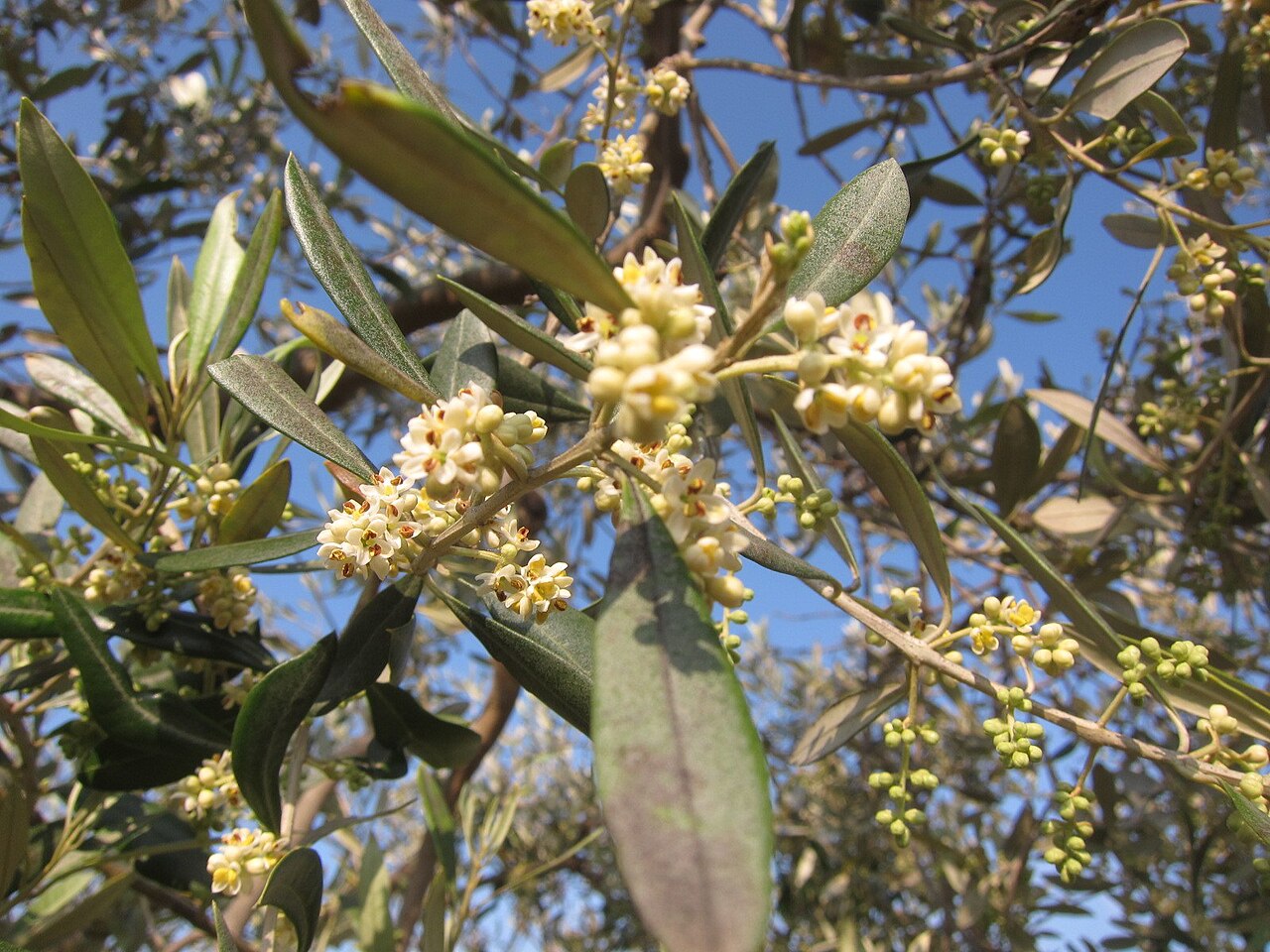
Small, cream-white, wind-pollinated flowers appear in mid-season clusters. Nocellara del Belice is self-sterile, meaning a lone tree will set little or no fruit; it needs a compatible pollinizer cultivar nearby, and even with good pollination it shows a moderate rate of ovary abortion (around 22%), which contributes to its medium-low, though generally consistent, yields.
Fruit & Seeds
The fruit is large — among the heaviest of any widely grown cultivar — slightly elongated, with a rounded apex and a flat, truncate base. It ripens from bright green to black, but Nocellara del Belice is almost always harvested green for table use, prized for its firm, crunchy pulp, which holds up well to brining and stuffing. The pit is also large, moderately elongated and rounded at the tip. When pressed for oil, yield runs a moderate 18–19%, with high oleic acid (73–75%) but relatively low total phenols, giving a mild, gentle oil rather than a bitter, pungent one.
Quick Facts
| Scientific Name | Olea europaea ‘Nocellara del Belice’ |
| Cultivar | Nocellara del Belice (syn. Nocellara di Castelvetrano, Oliva di Castelvetrano) |
| Family | Oleaceae |
| Plant Type | Evergreen broadleaf table-olive tree |
| Native to North America | No — introduced; species native to the Mediterranean basin and Near East, cultivar developed in the Belice Valley, Sicily, Italy |
| Mature Height | 15–25 ft unpruned (commonly held at 10–15 ft in managed orchards/gardens) |
| Mature Spread | 15–20 ft, spreading |
| Growth Rate | Medium |
| Sun Exposure | Full sun |
| Water Needs | Low to moderate once established; noted as susceptible to drought stress compared with some other cultivars, so avoid letting it dry out completely during fruit development |
| Soil Type | Well-drained; tolerates average to poor soils |
| Soil pH | Neutral to alkaline (about 6.5–8.5) |
| Bloom Time | Mid-spring to early summer; self-sterile, requires a pollinizer |
| Leaf / Fall Color | Evergreen; broad, dull green above, silvery below, no fall color change |
| Fruit | Large, firm green table olive (famous as “Castelvetrano”); ripens to black; oil yield 18–19% if pressed |
| Deer Resistant | Yes, generally |
| USDA Hardiness Zones | 9–11; less cold-tolerant than some northern Italian oil cultivars |
| Invasive Status | Not native; species rated a limited-impact invasive by Cal-IPC in parts of coastal/central California, where birds spread the fruit of fruiting cultivars into wildlands |
Origin & Where It Grows
Nocellara del Belice takes its name from the Belice Valley of western Sicily, centered on the towns of Castelvetrano and Campobello di Mazara, where it has been cultivated for an unusually long time — its genetic origin is unknown, and researchers have floated the idea that it either arrived in Sicily from North Africa or, in a reverse route, traveled from Sicily into Tunisia during the Roman era, given its close relationship to some Tunisian varieties. Whatever its deep history, it has been a defining crop of the Belice Valley for generations and holds Protected Designation of Origin (DOP) status in Italy.
The cultivar’s reputation exploded internationally in the 2000s and 2010s as “Castelvetrano olives” became a specialty-grocery and supermarket staple in the United States, prized for their bright green color, mild flavor and crisp, meaty texture compared with more traditional brine-cured black or Kalamata-style olives.
The species itself, Olea europaea, is native to the Mediterranean basin, the Levant and parts of northern Africa. In the United States, Nocellara del Belice performs best in California’s warmer olive-growing regions, where long, hot, dry summers resemble its Sicilian home; it is less cold-hardy than some northern Italian cultivars and needs reliably mild winters to avoid damage.
Nocellara del Belice Origin & Range
| Species Native Range | Mediterranean basin, Near East, parts of northern/eastern Africa |
| Cultivar Origin | Belice Valley (Castelvetrano/Mazara del Vallo area), Sicily, Italy |
| Best U.S. Regions | California’s warmer olive districts (Central Valley, southern Central Coast); southern Arizona in sheltered sites |
| USDA Zones | 9–11 |
| Invasive Status | Not native to North America; limited-impact invasive risk via bird-spread fruit in parts of coastal/central California |
Growing & Care Guide
Nocellara del Belice needs a bit more consistent moisture and warmth than some tougher oil cultivars, but otherwise follows standard olive care.
Light
Give it full sun — at least six to eight hours of direct light daily — for good flowering, a strong fruit set, and firm, well-developed fruit.
Soil & Water
Plant in well-drained soil; like all olives it will not tolerate waterlogged roots. Because the cultivar is noted as more susceptible to drought stress than some others, avoid letting the root zone dry out completely during flowering and fruit sizing, especially in hot inland climates — regular deep watering through spring and summer gives better fruit size than a strict drought regime.
Planting Tips
Because Nocellara del Belice is self-sterile, always plant at least one compatible pollinizer cultivar within bee-flight range; without one, a lone tree will flower but set little or no fruit. Give it full garden spacing, 15–20 ft, since it grows into a substantial, broad-canopied tree.
Pruning & Maintenance
Prune in late winter to open the canopy and support the tree’s heavy fruit load — this cultivar’s large olives put real weight on branches, so some structural thinning when the tree is young pays off later. Watch for olive fruit fly and olive knot, to which this cultivar is noted as especially susceptible, and for leaf spot; good airflow from regular pruning helps with all three.
Propagation
Like other olive cultivars, Nocellara del Belice must be propagated by cuttings or grafting to come true to type; it roots from cuttings at a moderate rate (around 50%). Seedlings grown from its fruit will not reliably produce the same large, firm fruit.
Landscape Uses
- Home table-olive production for gardeners who want to brine or lye-cure their own green “Castelvetrano-style” olives
- Mediterranean gardens as a substantial, broad-leaved evergreen specimen
- Warm-climate shade or specimen tree where its fuller canopy is an asset
Harvest & Pollination
Plant a compatible pollinizer, since Nocellara del Belice is self-sterile and will not reliably fruit alone. Fruit ripens late in the season; for the classic bright-green “Castelvetrano” table olive, harvest while the fruit is still firm and green, well before it begins to color toward black. The fruit’s medium-low detachment force makes hand- or mechanical harvesting straightforward once ready. All raw olives, including this cultivar’s prized green fruit, are intensely bitter from natural oleuropein and must be cured — traditionally a mild brine or a quick lye (lissia) treatment followed by brining — before they are safe and pleasant to eat; never eat olives straight off the tree.
Wildlife & Ecological Value
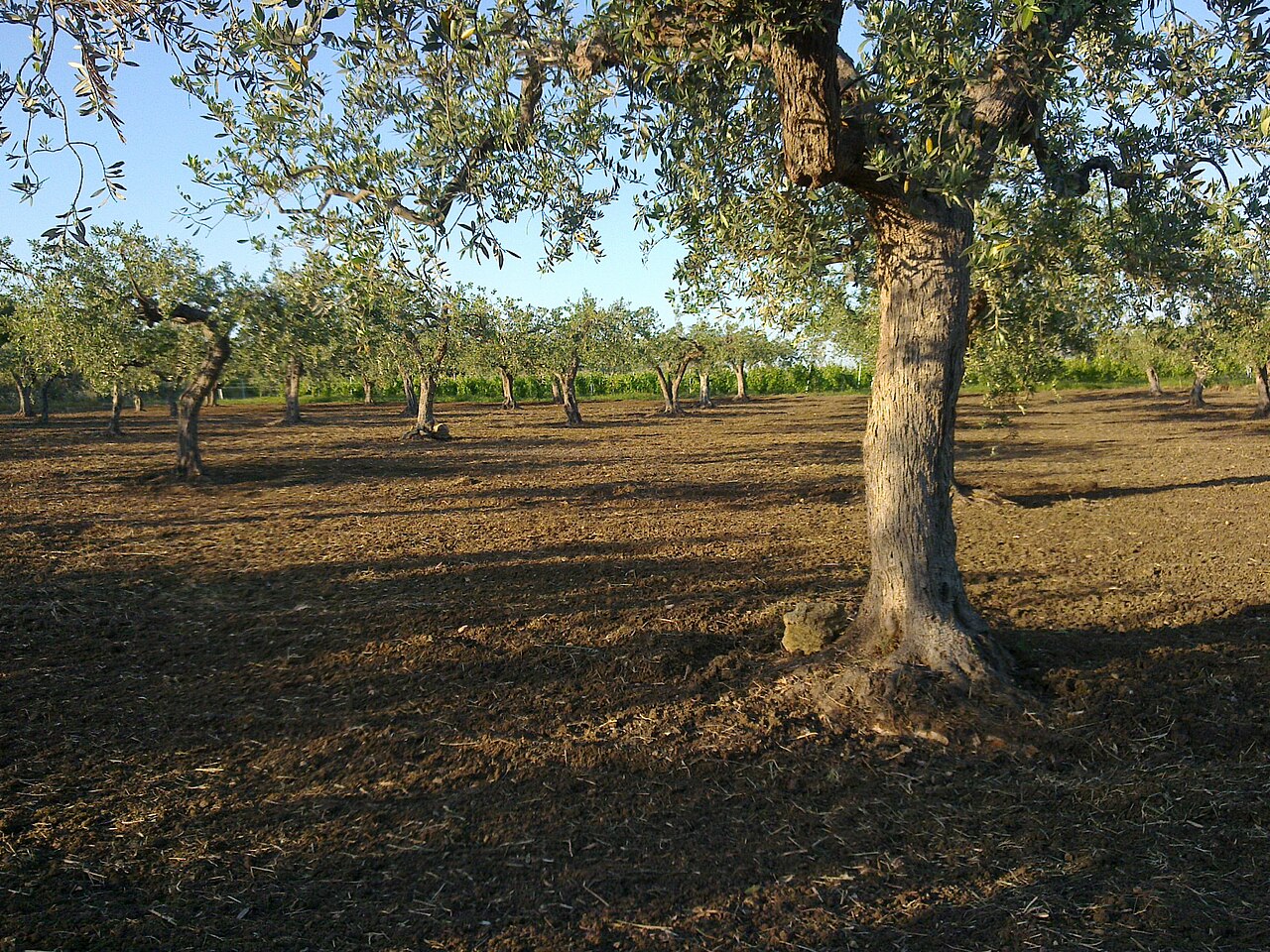
Olive flowers, including this cultivar’s, are wind-pollinated and offer little nectar reward, so they support far fewer pollinators than a comparable native flowering tree, though generalist bees will visit opportunistically for pollen. Birds such as robins, starlings and various thrushes readily eat ripe olive fruit left on the tree and disperse the seed, which is the mechanism behind the limited-impact invasive rating that fruiting olive cultivars carry in parts of coastal and central California — one more reason to harvest this heavy-fruiting cultivar promptly rather than let the crop drop and rot. Overall, as a non-native fruit tree grown for its harvest, Nocellara del Belice offers much less habitat and food-web value than a native tree of comparable size.
Native Alternatives
- Desert Olive (Forestiera neomexicana) — a tough, drought-tolerant native small tree/shrub for Southwestern gardens
- Texas Olive (Cordia boissieri) — a showy-flowered native small tree suited to hot, dry climates
- American Sweet Olive / Devilwood (Osmanthus americanus) — a native evergreen Oleaceae relative for Southeastern gardens, with fragrant flowers
- Arizona Rosewood (Vauquelinia californica) — an evergreen, drought-tolerant native small tree for hot, arid Southwestern landscapes
- Honey Mesquite (Prosopis glandulosa) — a native, deep-rooted small tree for the same warm, dry regions where this cultivar is grown
History & Uses
Nocellara del Belice has been a cornerstone crop of the Belice Valley for generations, long predating its modern international fame; Sicilian growers prized it specifically for table use rather than oil, thanks to its large size and crisp, meaty flesh. Italy granted it Protected Designation of Origin status in recognition of its tie to the valley’s soil and microclimate, and the fruit is traditionally cured in a mild brine, sometimes with a quick lye step, to produce the pale, bright green olive now familiar on American charcuterie boards and grocery shelves under the “Castelvetrano” name.
Beyond the table, Nocellara del Belice fruit is also pressed for a mild, low-bitterness extra-virgin oil, used both on its own and in blends where a gentler flavor is wanted to balance more pungent, high-phenol cultivars. Its dual use — a fine table olive that can also go to the mill — is part of what has kept it a mainstay of Sicilian olive growing even as monoculture oil cultivars have taken over elsewhere.
Frequently Asked Questions
Is Nocellara del Belice the same as a Castelvetrano olive?
Yes. “Castelvetrano olive” is the common marketing name in the United States for green, brine-cured Nocellara del Belice fruit, named after the Sicilian town at the center of the cultivar’s traditional growing area.
Is Nocellara del Belice native to North America?
No. Olea europaea is native to the Mediterranean basin and Near East; this cultivar is an introduced Sicilian olive grown here for its fruit. It is not federally listed as invasive, but fruiting olive cultivars are rated a limited-impact invasive by Cal-IPC in parts of coastal and central California, so harvest the fruit and avoid planting next to wildland there.
Does Nocellara del Belice need a pollinizer tree?
Yes. This cultivar is self-sterile, so a single isolated tree will flower but set little or no fruit. Plant a compatible olive cultivar nearby for a reliable harvest.
Can you eat Nocellara del Belice olives right off the tree?
No. Like all raw olives, the fruit is very bitter from natural compounds and must be cured — typically a mild brine, sometimes with a brief lye step — before it is safe and pleasant to eat.
Is Nocellara del Belice good for oil as well as table olives?
Yes, though it’s grown mainly for table use. Pressed fruit yields a moderate 18–19% oil with a mild, low-bitterness flavor rather than the pungent, peppery character of high-phenol oil cultivars.